
Arizona, often hailed as the Grand Canyon State, is a land of breathtaking contrasts, where scorching desert plains meet snow-capped mountain peaks. Understanding the diverse and often dramatic weather patterns across Arizona is not merely a matter of curiosity; it is absolutely essential for anyone planning to travel, seeking accommodation, or simply dreaming of exploring its myriad attractions. Far from a monolithic desert landscape, Arizona’s climate is a mosaic of microclimates, each offering unique experiences and demanding tailored preparation. From the saguaro-studded deserts of the south to the pine forests of the north, the weather dictates everything from optimal hiking conditions to the availability of certain activities and the type of hotels or resorts best suited for your stay. This comprehensive guide delves into the intricate climate of Arizona, offering insights into its seasonal variations, regional differences, and practical tips for making the most of your visit, whatever the forecast may bring.
A Land of Climatic Contrasts: Understanding Arizona’s Diverse Weather
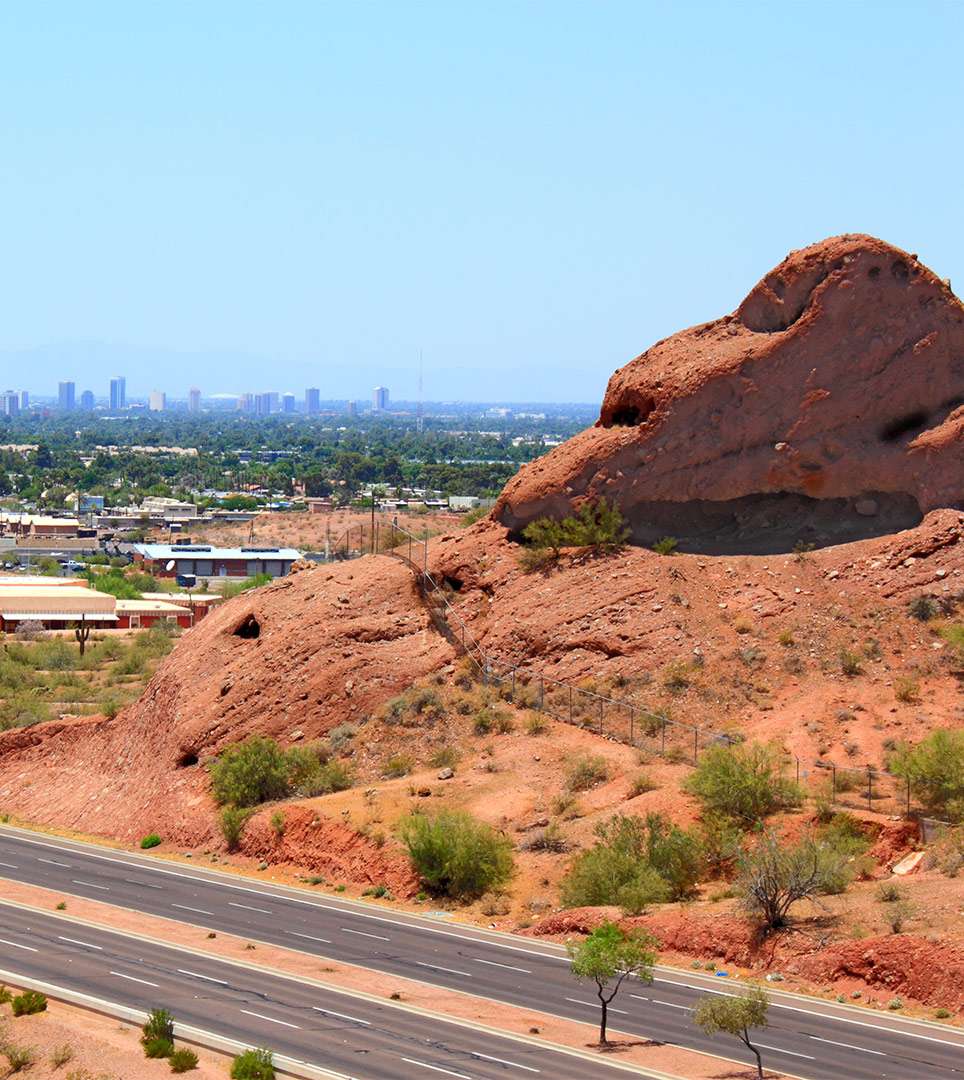
At first glance, Arizona is synonymous with desert heat, endless sunshine, and iconic cacti. While this image holds true for much of the state, particularly its southern regions, it only tells part of the story. Arizona’s geography spans vast desert basins, towering mountain ranges, and elevated plateaus, creating distinct climatic zones that defy a single weather description.
The state can be broadly divided into three primary climatic regions:
- The Desert Region: Encompassing cities like Phoenix, Tucson, Scottsdale, and Yuma, this zone is characterized by its arid, hot summers and mild, sunny winters. Summer temperatures routinely soar above 100°F (38°C), sometimes even exceeding 115°F (46°C), making it one of the hottest regions in the United States. Winters, however, are remarkably pleasant, with daytime highs often in the 60s and 70s°F (15-25°C), drawing countless “snowbirds” seeking respite from colder climates. Precipitation is scarce, but the summer months bring the dramatic, albeit brief, monsoon season, marked by intense thunderstorms and flash floods.
- The Central Highlands/Transition Zone: This region includes cities such as Prescott, Payson, and Sedona, acting as a bridge between the desert and the high country. Here, elevations range from 3,000 to 7,000 feet (900 to 2,100 meters), resulting in a more temperate climate. Summers are noticeably cooler than in the desert, though still warm, with daytime highs typically in the 80s and 90s°F (27-35°C). Winters are cool, with occasional snowfall, and spring and autumn offer wonderfully mild conditions. The varied topography contributes to stunning scenery and a climate conducive to diverse activities.
- The High Country/Mountain Region: Found in northern Arizona, this zone includes Flagstaff, the Grand Canyon, and the White Mountains. Elevations here often exceed 7,000 feet (2,100 meters), leading to a starkly different climate. Summers are delightfully mild, with average daytime temperatures in the 70s and 80s°F (21-27°C), making it a popular retreat from the desert heat. Winters are cold and snowy, with significant accumulations allowing for winter sports like skiing at Arizona Snowbowl. This region experiences four distinct seasons, a stark contrast to the two primary seasons of the desert.
Understanding these regional variations is fundamental for any planning, from deciding the best time to visit iconic landmarks like the Grand Canyon or Monument Valley to selecting the perfect accommodation that aligns with your preferred weather conditions. Whether you’re seeking a winter sun escape or a cool summer mountain adventure, Arizona’s diverse weather offers a unique backdrop for every kind of journey.
Seasonal Deep Dive: Navigating Arizona’s Climate Year-Round
Each season in Arizona presents a distinct character, influencing travel patterns, tourism activities, and even the local culture. Planning your visit around the seasons is key to a memorable experience.
Spring (March – May): The Ideal Escape
Spring is arguably the most coveted season to visit Arizona, especially for its desert regions. The intense summer heat has not yet arrived, and the winter chill has faded, leaving behind mild, sunny days and cool, crisp nights.
- Weather Conditions: Average daytime temperatures in Phoenix and Tucson range from the high 70s to low 90s°F (25-35°C), perfect for outdoor exploration. Northern Arizona, including the Grand Canyon and Sedona, experiences pleasant temperatures in the 60s and 70s°F (15-25°C), though nights can still be cool, especially at higher elevations. This is the season when the desert comes alive with vibrant wildflowers, transforming the landscape into a painter’s palette.
- Activities & Tourism: Spring is prime time for hiking, mountain biking, and exploring Arizona’s numerous national parks and monuments, such as Saguaro National Park and Petrified Forest National Park. Golf courses are in their best condition, and outdoor festivals abound. For those seeking adventure tourism, river rafting on the Colorado River begins to pick up.
- Accommodation & Travel Lifestyle: This is peak season, especially for the desert cities. Expect higher prices for hotels, resorts, and flights. Booking well in advance is crucial, particularly for popular destinations like Sedona or for upscale luxury travel experiences in Scottsdale. Many snowbirds remain through March, adding to the demand.
Summer (June – August): Embracing the Heat
Arizona summers are legendary for their intense heat in the lower elevations, but they also offer unique opportunities and escapes.
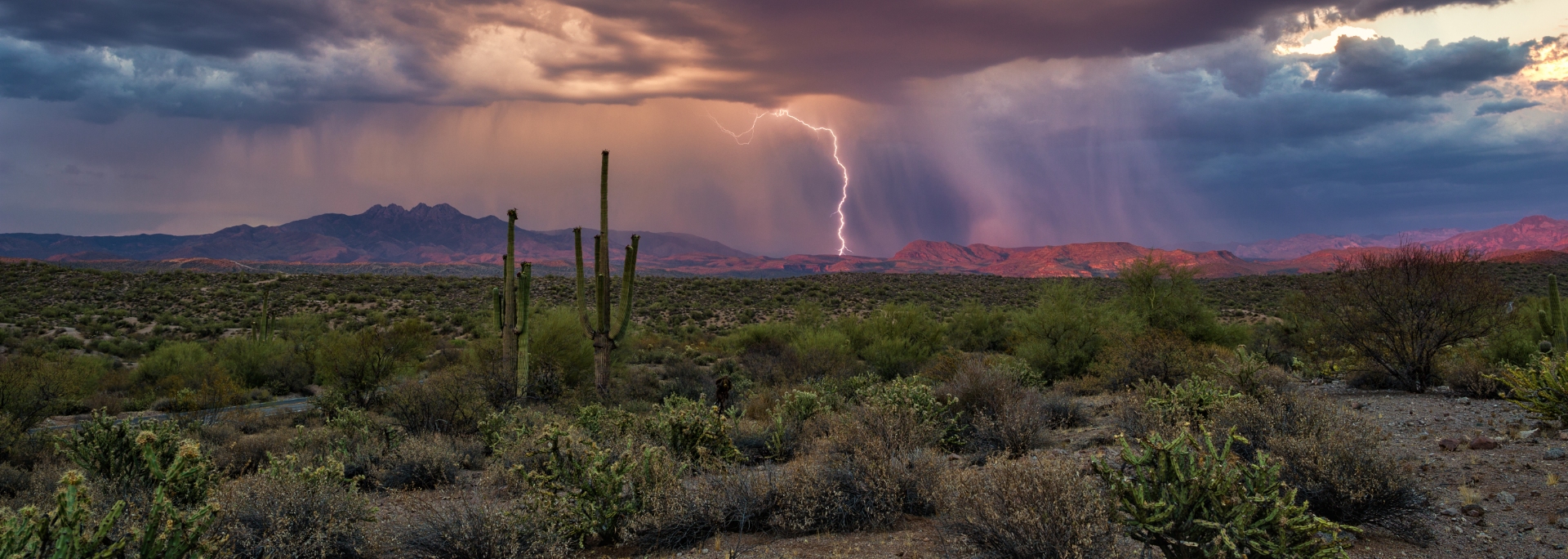
- Weather Conditions: The desert sizzles, with daily highs frequently exceeding 100°F (38°C) in Phoenix and Tucson. However, the “dry heat” can feel more tolerable than humid climates. Northern Arizona (e.g., Flagstaff, Grand Canyon) becomes a popular refuge, with pleasant temperatures in the 70s and 80s°F (21-27°C). The summer months also bring the dramatic monsoon season, typically from July to mid-September, characterized by sudden, heavy downpours, lightning, and dust storms (haboobs) in the desert.
- Activities & Tourism: In the desert, activities shift indoors or to early mornings and late evenings. Resorts with expansive pools and water parks become major attractions. Visiting high-altitude destinations like Flagstaff, Payson, or the Grand Canyon is ideal for hiking, camping, and enjoying cooler temperatures. Lake Havasu City and other lake destinations offer water sports.
- Accommodation & Travel Lifestyle: Summer is off-peak season for the desert, meaning significant discounts on hotels, suites, and resorts in Phoenix and Scottsdale, making it perfect for budget travel or those seeking luxury travel experiences at a fraction of the cost. Many resorts offer enticing packages for family trips with kids taking advantage of summer break. Conversely, northern Arizona sees an increase in visitors, so booking ahead is still advised for mountain accommodation.
Autumn (September – November): Golden Hues and Pleasant Breezes
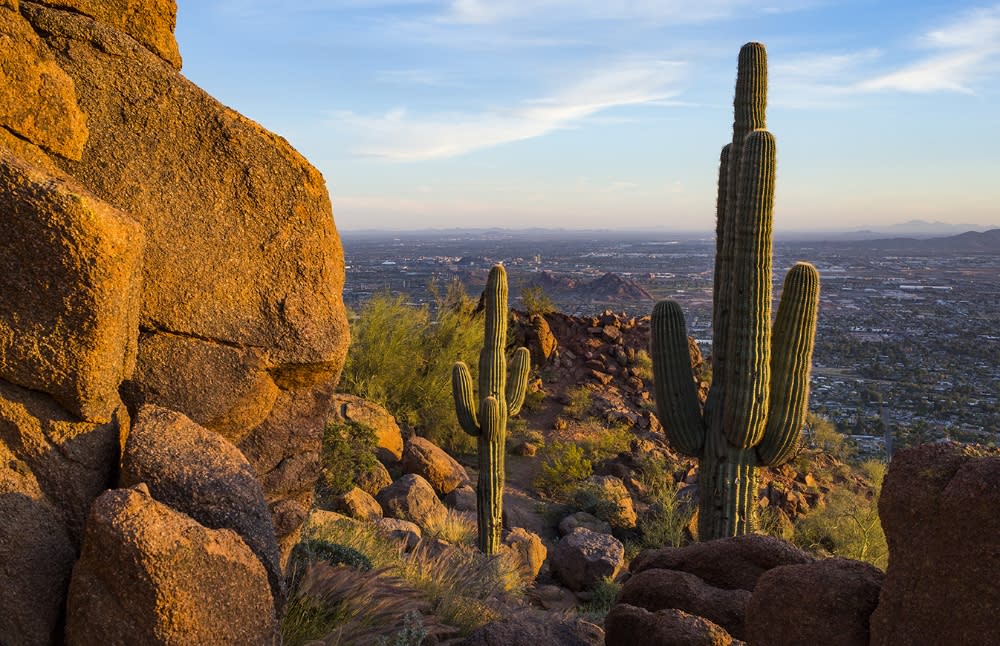
As the summer heat gradually recedes, autumn emerges as another exceptionally popular time to explore Arizona.
- Weather Conditions: The desert temperatures begin to moderate, offering warm, sunny days in the 80s and 90s°F (27-35°C) in September, cooling to the 70s°F (21-26°C) by November. Northern Arizona showcases stunning fall foliage, particularly around Flagstaff and the White Mountains, with crisp air and daytime temperatures in the 50s and 60s°F (10-20°C). Monsoon activity typically subsides by mid-September.
- Activities & Tourism: This is an excellent season for all outdoor activities across the state. Hiking and biking trails become pleasant again in the desert. Scenic drives to witness the fall colors in areas like Oak Creek Canyon near Sedona are popular. Many cities host arts and crafts fairs, food festivals, and cultural events.
- Accommodation & Travel Lifestyle: Demand for accommodation starts to climb again, particularly in the desert regions as winter visitors begin to arrive. Prices for hotels and resorts will be higher than in summer but generally lower than peak spring rates. It’s a fantastic time for both luxury travel and more moderate options, offering a comfortable balance between good weather and manageable crowd sizes.
Winter (December – February): Sunshine and Snow
Arizona’s winter is a season of delightful contrasts, offering both warmth and winter wonderland scenes within a few hours’ drive.
- Weather Conditions: The desert regions (Phoenix, Tucson) boast some of the mildest and sunniest winters in the United States, with average daytime temperatures in the 60s and 70s°F (15-25°C). Nights are cool, often dropping into the 40s°F (4-9°C). Meanwhile, northern Arizona (Flagstaff, Grand Canyon) transforms into a snowy landscape, with daytime highs in the 30s and 40s°F (0-10°C) and significant snowfall, creating stunning vistas, particularly at the Grand Canyon’s South Rim.
- Activities & Tourism: For desert visitors, winter is perfect for hiking, golfing, tennis, and enjoying outdoor patios. Many seasonal events, art shows, and sporting events take place. In the high country, skiing, snowboarding, and snowshoeing are popular activities. The contrast allows for a unique “ski in the morning, golf in the afternoon” experience for those willing to travel a few hours.
- Accommodation & Travel Lifestyle: Winter is peak season for the desert, especially from January through March, due to the influx of snowbirds and holiday visitors. Hotels, resorts, apartments, and villas in Phoenix, Scottsdale, and Tucson can be expensive and require advance booking. This is a prime time for luxury travel and business stays, as many conferences are held in the pleasant climate. Conversely, winter accommodation in the high country (Flagstaff) might see spikes around ski season and holidays.
Planning Your Arizona Adventure: Weather-Wise Travel Tips
Successfully navigating Arizona’s diverse climate requires thoughtful preparation. Integrating weather considerations into your travel plans, from packing to booking, will significantly enhance your experience.
Essential Packing and Preparation
No matter the season or region, certain items are non-negotiable for an Arizona trip:
- Hydration: Always carry plenty of water, especially in the desert and during warmer months. Dehydration can occur rapidly, even on mild days.
- Sun Protection: Sunscreen, hats, and sunglasses are vital year-round. The Arizona sun is intense, and UV index levels are often high.
- Layered Clothing: This is perhaps the most crucial tip. Desert temperatures can fluctuate wildly between day and night, even in summer. In spring and fall, mountain destinations can also see significant temperature swings. Pack layers that can be easily added or removed to adapt to changing conditions.
- Footwear: Sturdy, comfortable hiking shoes are recommended if you plan to explore Arizona’s vast nature trails and landmarks.
- Vehicle Readiness: If driving, ensure your vehicle is in good condition. Check tires and fluids, especially for summer desert driving or winter mountain passes. Snow chains may be required for winter mountain roads.
Maximizing Your Experience: Activities and Destinations by Season
Choosing your destinations and activities based on the season will allow you to embrace, rather than merely endure, Arizona’s climate.
- Spring/Fall: Ideal for exploring Grand Canyon National Park, Sedona’s red rock country, Monument Valley, and Saguaro National Park. These seasons are perfect for scenic drives, extensive hiking, and photography, capturing the state’s natural beauty in comfortable conditions. Local culture often shines through outdoor markets and festivals.
- Summer: Head north to Flagstaff, Prescott, or the White Mountains for cooler mountain air and forest activities. In the desert, focus on early morning hikes, indoor attractions like museums and galleries, and enjoying resort pools. Consider visiting Canyon de Chelly or the Painted Desert for unique experiences, but always be mindful of midday heat.
- Winter: Enjoy pleasant weather for desert activities like golfing, exploring urban attractions in Phoenix and Tucson, and day trips to landmarks like the Sonoran Desert Museum. For snow lovers, Flagstaff and the Arizona Snowbowl offer skiing and snowboarding, while the snow-dusted Grand Canyon presents a truly magical, less crowded vista.
Navigating Accommodation and Lifestyle Choices
Your choice of accommodation and desired lifestyle during your stay are intrinsically linked to Arizona’s weather patterns.
- Booking Strategies: For peak seasons (spring and winter in the desert, summer in the mountains), ensure early booking for hotels, resorts, and even apartments or villas, especially if you’re seeking specific amenities or popular famous places within cities. Utilize comparison sites and read reviews to find the best value. Off-peak desert travel (summer) can yield significant savings, perfect for budget travel or extended long-term stays where costs are a factor.
- Resorts vs. Other Options: In summer, resorts with extensive pool complexes, air conditioning, and indoor activities are invaluable. For those looking for a more immersive or extended stay, apartments or villas offer flexibility and often better value, especially for family trips. Business stays often find upscale hotels or suites with amenities like conference facilities suitable for year-round comfort.
- Luxury Travel vs. Budget Travel: Arizona’s seasons heavily influence pricing. Luxury travel experiences are most expensive during peak winter/spring in the desert but can be surprisingly affordable during the summer slump. Conversely, budget travel can be easier to manage in the off-season.
Conclusion: Arizona’s Ever-Changing Allure
Arizona’s weather is as captivating and varied as its landscape. From the sweltering Sonoran Desert summers to the snowy peaks of the San Francisco Mountains, the state offers a kaleidoscopic range of climatic conditions that shape its travel and tourism appeal. Rather than being a limitation, this diversity is Arizona’s strength, inviting visitors to return again and again, each time discovering a new facet of its character.
Whether you’re drawn by the promise of perennial sunshine, the dramatic beauty of monsoon thunderstorms, the vibrant wildflowers of spring, or the serene calm of a snow-covered Grand Canyon, Arizona has a season and a climate tailored to almost every preference. By understanding and respecting its weather patterns, preparing appropriately, and strategically planning your accommodation and activities, you can unlock the full potential of this magnificent USA destination and create truly unforgettable experiences. So, pack your bags, choose your season, and prepare to be amazed by the dynamic and beautiful weather of Arizona.
LifeOutOfTheBox is a participant in the Amazon Services LLC Associates Program, an affiliate advertising program designed to provide a means for sites to earn advertising fees by advertising and linking to Amazon.com. Amazon, the Amazon logo, AmazonSupply, and the AmazonSupply logo are trademarks of Amazon.com, Inc. or its affiliates. As an Amazon Associate we earn affiliate commissions from qualifying purchases.