
The daily spectacle of sundown in Arizona is far more than just a chronological event; it’s a profound experience deeply woven into the fabric of travel, lifestyle, and tourism within the state. For visitors planning their itineraries, photographers chasing the perfect golden hour, or locals simply enjoying the tranquil end to another desert day, knowing when the sun dips below the horizon is crucial. Arizona holds a unique distinction regarding time zones, adding an interesting layer to this daily occurrence. Understanding the nuances of sundown here can dramatically enhance your travel experience, transforming a simple evening into an unforgettable memory, whether you’re exploring ancient Native American sites, hiking rugged trails, or enjoying a gourmet meal on a resort patio.
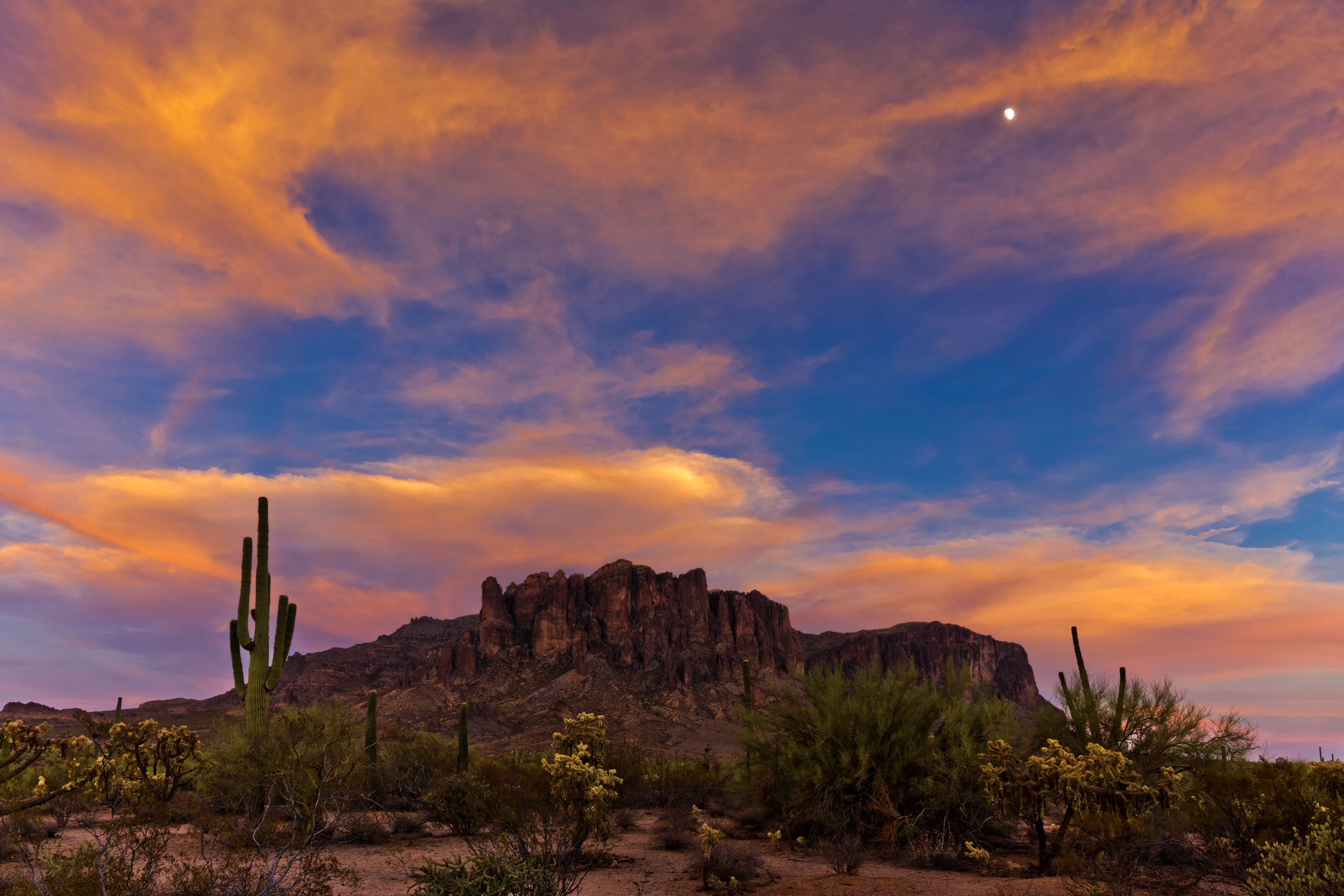
From the vibrant cityscapes of Phoenix and Tucson to the mystical red rock formations of Sedona and the awe-inspiring grandeur of the Grand Canyon National Park, each location offers a distinct backdrop for the sun’s descent. This article will delve into Arizona’s time zone particularities, explain the seasonal variations in sundown times across its diverse landscapes, and highlight the premier spots for witnessing this natural wonder. We’ll also explore how to seamlessly integrate the magic of sundown into your travel plans, from recommended activities to finding the perfect accommodation with a view, ensuring your Arizona sundown experience is nothing short of spectacular.
Understanding Arizona’s Unique Sundown Phenomenon
Arizona’s approach to timekeeping is a significant factor in determining sundown, setting it apart from most other states in the United States. This unique characteristic directly impacts when the sun sets and requires a bit of understanding for anyone planning a visit or scheduling activities around dusk.
Arizona’s Time Zone Anomaly: No Daylight Saving
The most defining feature of Arizona’s time is its steadfast refusal to observe Daylight Saving Time. For most of the year, specifically from the second Sunday in March to the first Sunday in November, Arizona remains on Mountain Standard Time (MST). This means that while states surrounding it, like California, Nevada, Utah, Colorado, and New Mexico, spring forward an hour, Arizona does not.
Consequently, during these months, Arizona effectively aligns with Pacific Daylight Time (PDT), making it an hour behind Mountain Daylight Time (MDT). From early November to early March, when Daylight Saving Time ends, Arizona rejoins the rest of the Mountain Time Zone, which then reverts to Mountain Standard Time. The sole exception within the state is the Navajo Nation, which does observe Daylight Saving Time in conjunction with its tribal lands extending into Utah and New Mexico.
What does this mean for sundown? In practical terms, during the spring and summer months (when most of the United States observes Daylight Saving Time), sunsets in Arizona occur later by the clock than they would if the state had advanced an hour. This extended daylight into the evening hours is often a pleasant surprise for visitors, offering more time for outdoor activities, sightseeing, and enjoying the natural beauty before darkness falls. For example, in June, while other Mountain Time Zone states might see sundown around 8:30 PM MDT, Arizona experiences it around 7:30 PM MST, which is effectively the same solar time as 8:30 PM MDT. During winter, when Daylight Saving Time is not in effect anywhere, Arizona’s sundown times align more directly with standard Mountain Standard Time predictions.
Why Sundown Matters for Travelers
For travelers, the timing of sundown in Arizona is more than just a detail; it’s a critical element in planning a fulfilling and memorable trip. The extended daylight hours during the warmer months, courtesy of Arizona’s Daylight Saving Time exemption, mean that you can fit more into your day. Imagine hiking the scenic trails around Sedona or exploring the historic streets of Tucson with the assurance that you have ample light before heading to dinner.
Photography enthusiasts, in particular, will appreciate the “golden hour” – that magical period just before sunset when the light is soft, warm, and ideal for capturing stunning landscapes and vibrant colors. Knowing the precise sundown time allows them to strategically position themselves at iconic viewpoints like Mather Point at the Grand Canyon National Park or Airport Mesa in Sedona to capture breathtaking shots.
Beyond photography, sundown signals a shift in the day’s rhythm, especially in Arizona’s desert climate. The intense heat of the afternoon gives way to cooler, more comfortable evenings. This makes sundown the perfect time for:
- Dining experiences: Many resorts and restaurants offer outdoor patio dining with incredible sunset views.
- Stargazing: Arizona’s clear, dark skies come alive after sunset, especially in less populated areas like near Flagstaff or the Grand Canyon National Park.
- Relaxation: Whether it’s enjoying a cocktail by the pool or simply unwinding on your balcony, the twilight hours offer a serene ambiance.
- Nighttime tours or activities: Some attractions, like the Lowell Observatory near Flagstaff, begin their public programs around sundown.
Effectively, sundown in Arizona marks not just the end of the day, but the beginning of a whole new set of travel possibilities, inviting visitors to extend their adventures into the cooler, often more dramatic hours of the evening.
Seasonal Variations and Key Locations for Sunset Viewing
The timing of sundown in Arizona, like anywhere else, fluctuates throughout the year due to the Earth’s tilt and orbit around the sun. However, combined with the state’s unique time zone policy and its vast, varied topography, these variations create a dynamic and endlessly fascinating daily spectacle.
Tracking Sundown Across Arizona’s Diverse Landscapes
Arizona’s geographical diversity, ranging from low-desert valleys to high-elevation mountains, means that while the general sundown times apply, the actual experience and light quality can differ significantly by location.
Winter (December – February): Sundowns are earliest during the winter months, typically occurring between 5:15 PM and 6:30 PM MST. The lower sun angle often creates incredibly crisp light and long, dramatic shadows, especially beautiful over the Sonoran Desert landscapes or the snow-capped San Francisco Peaks near Flagstaff.
- Phoenix/Tucson: ~5:30 PM – 6:00 PM MST
- Flagstaff/Grand Canyon National Park: ~5:15 PM – 5:45 PM MST
- Sedona: ~5:20 PM – 5:50 PM MST
Spring (March – May): As the days lengthen, sundown gradually pushes later. By late May, with Daylight Saving Time in effect elsewhere, Arizona’s sunsets become noticeably later compared to the rest of the Mountain Time Zone. The desert blooms often coincide with these late spring evenings, adding a burst of color to the twilight.
- Phoenix/Tucson: ~6:00 PM (March) to 7:30 PM (May) MST
- Flagstaff/Grand Canyon National Park: ~5:45 PM (March) to 7:15 PM (May) MST
- Sedona: ~5:50 PM (March) to 7:20 PM (May) MST
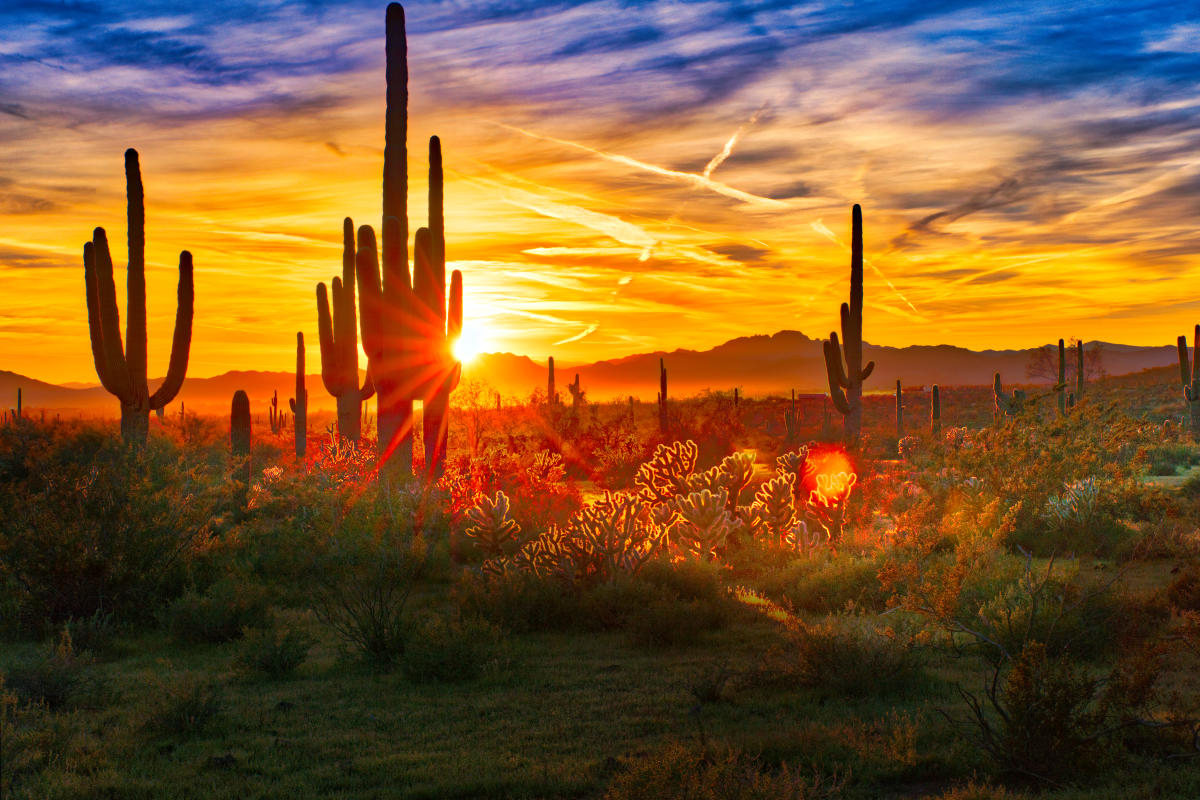
Summer (June – August): These are the months with the latest sundowns in Arizona, often extending well past 7:30 PM MST in many areas. While the days can be intensely hot, the evenings bring cooler temperatures and often dramatic monsoon storm clouds that can create breathtakingly vibrant skies just before and after the sun sets.
- Phoenix/Tucson: ~7:30 PM – 7:45 PM MST (late June/early July peak)
- Flagstaff/Grand Canyon National Park: ~7:15 PM – 7:30 PM MST (late June/early July peak)
- Sedona: ~7:20 PM – 7:35 PM MST (late June/early July peak)
Fall (September – November): Sundowns gradually become earlier again, eventually aligning with other Mountain Standard Time states once Daylight Saving Time ends in early November. Fall often brings clear skies and comfortable temperatures, ideal for enjoying the changing light.
- Phoenix/Tucson: ~7:15 PM (Sept) to 5:30 PM (Nov) MST
- Flagstaff/Grand Canyon National Park: ~7:00 PM (Sept) to 5:15 PM (Nov) MST
- Sedona: ~7:05 PM (Sept) to 5:20 PM (Nov) MST
It’s always recommended to check a reliable local weather app or website for the exact sundown time on the day you plan to watch it, as minor variations can occur.
Top Spots for an Unforgettable Arizona Sunset
Arizona is synonymous with spectacular sunsets. The state’s unique geology, expansive vistas, and often clear skies create a canvas for nature’s most dramatic light show. Here are some of the most iconic and highly recommended locations to witness an unforgettable Arizona sundown:
-
Grand Canyon National Park: Without a doubt, the Grand Canyon National Park offers arguably the most majestic sunset experience. The vastness of the canyon, with its layers of rock illuminated in hues of orange, red, and purple, is simply unparalleled.
- Recommended Viewpoints on the South Rim: Mather Point, Hopi Point (requires shuttle access during peak season), Yavapai Point, and Desert View Watchtower. Arrive early, as these spots fill up quickly.
-
Sedona: The red rock country of Sedona transforms into a fiery spectacle as the sun dips below the horizon. The vibrant red rocks seem to glow from within, creating a spiritual and awe-inspiring atmosphere.
- Recommended Viewpoints: Airport Mesa (very popular, can get crowded), Cathedral Rock (view from Crescent Moon Ranch is iconic), and Bell Rock.
-
Phoenix & Scottsdale: Even in the urban core, the desert sunsets are remarkable, often painting the sky with fiery colors that reflect off the city lights.
- Recommended Viewpoints: Camelback Mountain (for hikers), Papago Park (especially near Hole-in-the-Rock), and many rooftop bars and restaurant patios in Old Town Scottsdale.
-
Tucson: The Old Pueblo, surrounded by multiple mountain ranges and the Sonoran Desert, offers equally stunning sunsets, often framed by saguaro cacti.
- Recommended Viewpoints: Saguaro National Park (both East and West districts), Mount Lemmon (for panoramic views), and various desert parks on the city’s outskirts.
-
Flagstaff: Nestled in the high country, Flagstaff provides a different sunset experience, often with deep blue and purple hues over the pine forests and the San Francisco Peaks.
- Recommended Viewpoints: Lowell Observatory (combines sunset with stargazing), Buffalo Park, or from the top of the Snowbowl Scenic Gondola.
Wherever you choose to witness it, an Arizona sundown is a powerful reminder of nature’s beauty and a highlight of any trip to the Grand Canyon State.
Planning Your Arizona Sundown Experience
Integrating the daily sundown into your Arizona itinerary elevates a simple trip into a curated travel experience. It’s about more than just watching the sun disappear; it’s about savoring the transition, engaging with the environment, and perhaps even finding the perfect place to stay that offers a front-row seat to this spectacular natural show.
Beyond the View: Activities to Enhance Your Evening
While simply gazing at the horizon is an experience in itself, several activities can perfectly complement an Arizona sundown, turning it into a cherished memory.
- Sunset Hikes or Walks: Many trails across the state, particularly in Sedona, Phoenix, and Tucson, are ideal for a pre-sunset stroll. The cooler temperatures and soft light make for a comfortable and visually rewarding experience. Just remember to bring a headlamp or flashlight for the walk back in the dark.
- Hot Air Balloon Rides: For an unparalleled perspective, embark on a sunset hot air balloon ride. Companies operating near Phoenix/Scottsdale and Tucson offer breathtaking aerial views as the sun dips, followed by a traditional champagne toast upon landing. This is a luxurious and unforgettable way to experience the transition from day to night.
- Stargazing Tours: Arizona boasts some of the darkest skies in the United States, making it a prime destination for stargazing. After the last vestiges of sunset fade, a universe of stars emerges. Combine your sundown viewing with a visit to observatories like Lowell Observatory in Flagstaff or guided stargazing tours offered by many resorts and local outfitters, especially near the Grand Canyon National Park or in the Sonoran Desert.
- Desert Jeep Tours or Scenic Drives: Venture into the desert backcountry on a guided jeep tour that concludes with a stunning sunset viewing. These tours often provide historical and ecological insights, culminating in a picturesque moment as the sky changes color. Alternatively, a leisurely scenic drive along routes like the Red Rock Scenic Byway in Sedona or the South Kaibab Trail in Grand Canyon National Park can offer numerous pull-offs for sunset photo opportunities.
- Dinner with a View: Many of Arizona’s finest restaurants and resorts capitalize on the state’s natural beauty by offering outdoor patio dining with panoramic sunset views. From elegant fine dining to casual al fresco experiences, enjoying a meal as the sky transforms is a quintessential Arizona lifestyle moment. Research restaurants in advance, especially in Scottsdale, Sedona, and Tucson, and make reservations to secure the best seats.

Accommodation with a View: Hotels and Resorts for Sunset Lovers
Choosing the right accommodation can be key to a perfect sundown experience. Many hotels, resorts, and vacation rentals in Arizona are designed to maximize views, offering guests private balconies, rooftop lounges, or strategically placed dining areas where they can witness the magic.
-
Sedona Resorts: Sedona’s landscape is prime for sunset viewing, and its resorts are built to capitalize on this.
- Enchantment Resort: Nestled in Boynton Canyon, offering breathtaking red rock views from private patios.
- L’Auberge de Sedona: While focused on Oak Creek, select cottages and dining areas provide glimpses of the illuminated canyon walls.
-
Scottsdale/Phoenix Luxury: The Greater Phoenix area boasts numerous high-end properties with excellent desert or mountain views.
- Four Seasons Resort Scottsdale at Troon North: Offers stunning desert and city light views from its elevated perch.
- Hyatt Regency Scottsdale Resort & Spa at Gainey Ranch: Features lush grounds and views of the McDowell Mountains.
- The Boulders Resort & Spa Scottsdale: Known for its dramatic boulder formations and desert-infused sunsets.
- Andaz Scottsdale Resort & Bungalows: Offers a chic, mid-century modern vibe with mountain views from private bungalows.
- The Saguaro Scottsdale: Located closer to Old Town, it still offers vibrant sunset colors reflecting off its colorful facade and pool area.
-
Tucson Desert Retreats: Surrounded by Sonoran Desert and mountains, Tucson has resorts perfectly situated for sunset viewing.
- The Ritz-Carlton, Dove Mountain: Offers magnificent views of the Tortolita Mountains and the desert sunset.
- JW Marriott Starr Pass Resort & Spa: Known for its signature “Mitaki Ceremony” at sunset, where guests can enjoy tequila and listen to a Native American flutist.
- Miraval Arizona Resort & Spa: A wellness resort with incredible views of the Catalina Mountains, ideal for a tranquil sunset experience.
- Hotel Congress: While downtown, its historic charm and rooftop events occasionally provide unique city-meets-desert sunset angles.
-
Grand Canyon National Park Lodging: Staying inside the park allows for easy access to sunset viewpoints without the drive.
- El Tovar Hotel and Bright Angel Lodge: Offer prime canyon-rim access for sunset viewing, often just steps from your room.
When booking accommodation, inquire about rooms with specific views or properties known for their sunset vantage points. Many offer dedicated viewing areas, rooftop bars, or even private balconies that become the perfect stage for Arizona’s nightly show. Checking reviews for mentions of “sunset views” can also be a helpful tip for securing that ideal spot.
Ultimately, whether you’re planning a romantic getaway, a family adventure, or a solo photography expedition, synchronizing your activities with the precise timing of sundown in Arizona will unlock a deeper appreciation for the state’s unparalleled beauty. The magic lies not just in the colors, but in the entire transition—from the intense desert light to the cool, star-dusted tranquility that follows. Prepare to be captivated.
LifeOutOfTheBox is a participant in the Amazon Services LLC Associates Program, an affiliate advertising program designed to provide a means for sites to earn advertising fees by advertising and linking to Amazon.com. Amazon, the Amazon logo, AmazonSupply, and the AmazonSupply logo are trademarks of Amazon.com, Inc. or its affiliates. As an Amazon Associate we earn affiliate commissions from qualifying purchases.