
For celestial enthusiasts and travelers alike, the prospect of witnessing an astronomical event like a solar or lunar eclipse offers an unparalleled experience. And when this spectacle unfolds against the breathtaking backdrop of the Arizona desert, it transforms into an unforgettable journey. Arizona, a state renowned globally for its perpetually clear skies, awe-inspiring natural landscapes, and dedicated dark sky communities, stands out as an prime destination for stargazers and eclipse chasers. Whether you’re a seasoned astrophotographer, a curious family, or simply a traveler seeking a unique highlight for your itinerary, understanding the specifics of an eclipse in the Grand Canyon State is crucial for planning your adventure.
This guide delves into everything you need to know about experiencing the next significant eclipse event in Arizona. From precise timings across its diverse regions to the most iconic viewing spots, and essential travel tips for accommodation and safety, we’ll ensure you’re fully prepared to capture this moment of cosmic wonder. Beyond the celestial show, we’ll explore how to integrate this event into a broader travel experience, leveraging Arizona’s rich tourism offerings to create a truly holistic and memorable trip. Prepare to gaze upwards and be enchanted by the magic of the Arizona skies.
Understanding Arizona’s Eclipse Phenomenon
Arizona’s unique geographical position and climatic conditions make it an exceptional location for astronomical observations. The state consistently boasts some of the clearest, darkest skies in the United States, a reputation earned through its low light pollution policies and vast, uninhabited areas. This combination creates an optimal environment for experiencing celestial phenomena, including solar and lunar eclipses, with unparalleled clarity and dramatic effect. While total solar eclipses are rare and often traverse narrow paths, partial solar eclipses and total lunar eclipses are more frequently visible from wider regions, offering Arizona residents and visitors ample opportunities to witness the heavens’ dance. The dry desert air minimizes atmospheric distortion, enhancing the sharpness of the celestial display and allowing for a truly immersive viewing experience that few other places can offer.
Pinpointing the Eclipse Times Across Arizona
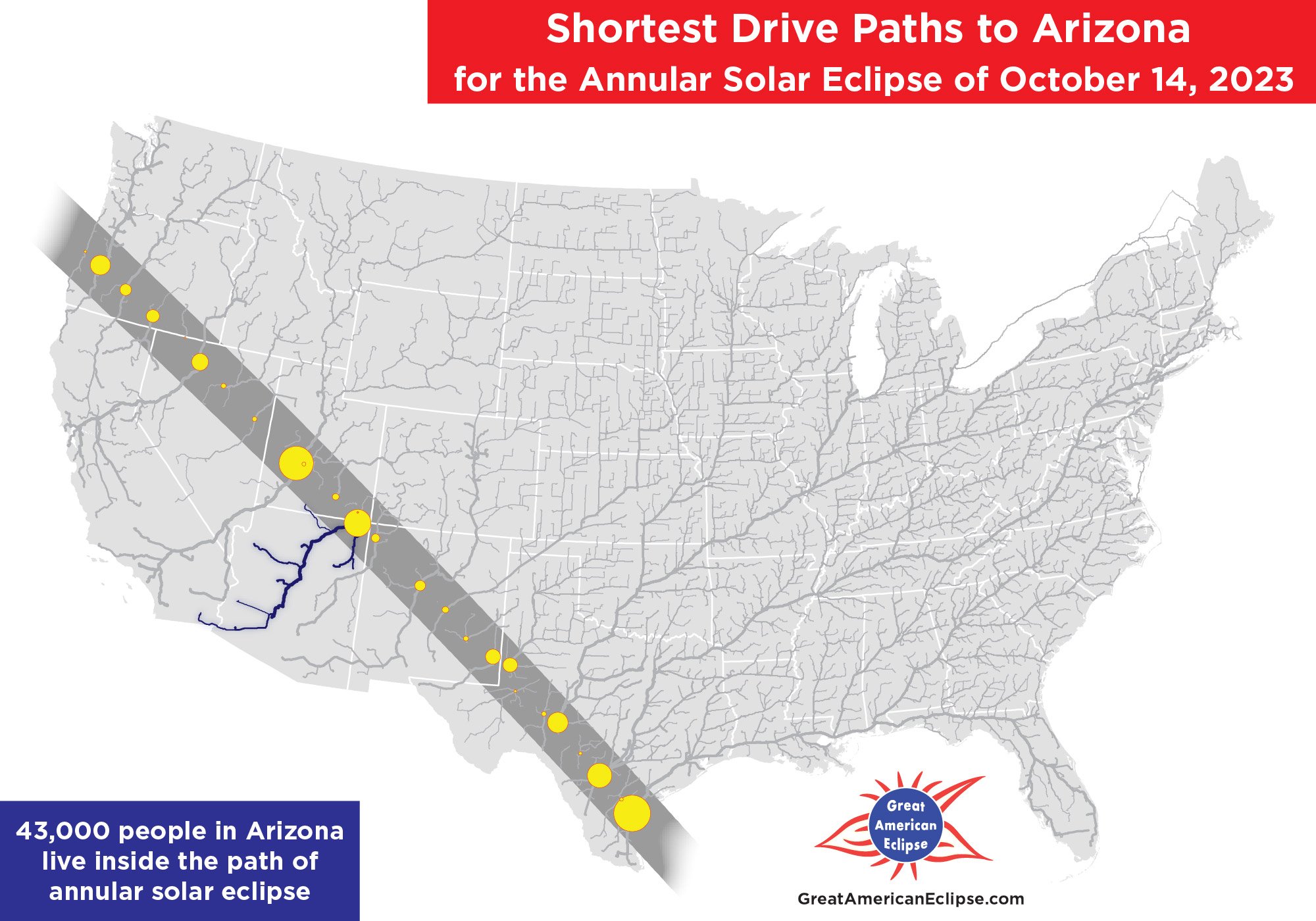
For any eclipse, precision in timing is paramount, especially when planning travel and setting up viewing equipment. While the exact date and time of “today’s” eclipse would vary based on the specific celestial event, let’s consider a hypothetical significant event, such as a partial solar eclipse, to illustrate how timings would typically be communicated across Arizona’s key regions. For our example, let’s imagine a widespread partial solar eclipse occurring on October 14th, 2023.
- Phoenix Metropolitan Area (Central Arizona): In the state’s capital and largest city, a partial solar eclipse might begin around 8:00 AM MST, reaching its maximum obscuration of the sun (e.g., 80-85% coverage) by approximately 9:20 AM MST, and concluding around 10:45 AM MST. Residents and visitors in Scottsdale, Mesa, Chandler, and Glendale would observe similar timings, with only minor variations of a minute or two. The vibrant city landscape offers numerous open spaces and even some rooftop bars that provide elevated viewing platforms, blending urban excitement with celestial wonder.
- Tucson (Southern Arizona): Further south, in the heart of the Sonoran Desert, the eclipse timings would be almost identical to Phoenix. For instance, the start could be 8:02 AM MST, maximum at 9:23 AM MST, and end at 10:48 AM MST. Tucson benefits from its proximity to numerous dark sky sites, offering potential for even more pristine views, away from significant light pollution.
- Flagstaff (Northern Arizona): Known for its high elevation and status as the world’s first International Dark Sky City, Flagstaff offers an exceptional viewing experience. The eclipse might commence slightly later here, perhaps at 8:05 AM MST, peak around 9:27 AM MST, and conclude by 10:50 AM MST. The crisp, thin air at Flagstaff’s altitude often provides superior atmospheric conditions for observing such events. The presence of the Lowell Observatory also adds a layer of educational opportunity, often hosting public viewing events.
- Grand Canyon National Park (Northern Arizona): For those seeking a truly epic backdrop, viewing an eclipse from the Grand Canyon would be an unparalleled experience. Timings here would align closely with Flagstaff, making it crucial to plan your visit to the South or North Rim to coincide with the event. Imagine the sun partially obscured above one of the world’s most iconic natural wonders – a truly once-in-a-lifetime photo opportunity.
It’s always recommended to consult reputable astronomical sources such as NASA, local observatories like Lowell Observatory in Flagstaff or Kitt Peak National Observatory near Tucson, or dedicated astronomy websites for the most current and precise timings for any specific eclipse event, as details can shift slightly based on your exact latitude and longitude.
The Rarity and Spectacle of Celestial Events in the Desert
The Arizona desert doesn’t just offer clear skies; it provides a profound connection to the cosmos. The vast, often uninhabited stretches of land mean minimal light pollution, allowing the stars to truly pop. When an eclipse occurs here, the experience is magnified by the stark beauty of the landscape. Imagine a partial solar eclipse casting an ethereal, diffused light over the towering saguaros of the Sonoran Desert, or a lunar eclipse turning the moon a deep, rusty red above the ancient red rocks of Sedona. These natural phenomena, viewed from such a primal setting, evoke a sense of awe and wonder that is hard to replicate.
The rarity of total solar eclipses, which only trace a narrow path across the globe every few years, makes any significant partial eclipse or total lunar eclipse a compelling reason to travel to a prime viewing location like Arizona. For many, these events are bucket-list experiences, offering not just a scientific spectacle but a deeply spiritual and communal one. Local communities, particularly those designated as International Dark Sky Parks or Reserves, often organize special viewing parties, educational programs, and guided observations, transforming the event into a larger celebration of science, nature, and community. This commitment to preserving dark skies not only benefits astronomers but also enhances the tourism experience, drawing visitors who seek to reconnect with the night sky in a meaningful way.
Prime Viewing Locations and Travel Itineraries
Arizona is a treasure trove of incredible viewing spots for an eclipse, catering to various preferences, from bustling city observatories to remote desert landscapes. The key is to select a location that not only promises excellent visibility but also complements your overall travel desires. Whether you’re looking for a solitary, contemplative experience or a vibrant, communal event, Arizona has a perfect spot for you to witness the celestial dance.
Iconic Landmarks Offering Unforgettable Views
Viewing an eclipse from one of Arizona’s world-renowned landmarks adds an extra layer of grandeur to an already spectacular event. These locations often provide expansive, unobstructed views and infrastructure that can enhance the experience.
- Grand Canyon National Park: Imagine the sun partially obscured above the colossal, layered rock formations of the Grand Canyon. The sheer scale of the landscape combined with the celestial event creates a truly cinematic experience. Both the South Rim (more accessible and developed) and the North Rim (more remote, seasonal) offer breathtaking panoramic views. Popular viewpoints like Mather Point, Yavapai Point, or Lipan Point could be ideal, but expect crowds. Planning ahead for accommodation within or near the park is essential.
- Sedona’s Red Rock Country: The mystical red rock formations of Sedona provide a stunning, almost spiritual backdrop for an eclipse. The vibrant hues of the rocks under the unique lighting of a partial eclipse create an otherworldly ambiance. Areas like Airport Mesa, Bell Rock, or the numerous hiking trails offer elevated perspectives. Sedona also boasts a thriving wellness and arts community, making it an ideal destination for a pre or post-eclipse retreat.
- Flagstaff and the Lowell Observatory: As an International Dark Sky City, Flagstaff is a natural choice. The historic Lowell Observatory, where Pluto was discovered, often hosts public viewing events complete with specialized telescopes and expert guidance. This provides an educational dimension to your eclipse experience. Beyond the observatory, the high-altitude forests around Flagstaff offer numerous clearings for quiet viewing.
- Saguaro National Park (near Tucson): For a quintessential Sonoran Desert experience, Saguaro National Park offers a dramatic setting. The silhouette of towering saguaro cacti against an eclipsed sun or moon creates iconic photographic opportunities. The park has two districts (East and West), both providing relatively unhindered views of the sky.
Dark Sky Communities: An Astrotourism Haven

Arizona is a global leader in dark sky preservation, boasting numerous official International Dark Sky Parks, Communities, and Reserves. These locations are specifically dedicated to minimizing light pollution, making them ideal for any astronomical event.
- Kitt Peak National Observatory (near Tucson): Home to one of the largest collections of astronomical instruments in the world, Kitt Peak National Observatory offers public programs and, for special events like eclipses, often provides guided viewing opportunities. Its remote mountain location guarantees incredibly dark skies and panoramic views.
- Mount Lemmon SkyCenter (near Tucson): Perched atop Mount Lemmon in the Santa Catalina Mountains, the SkyCenter offers unparalleled views. They have public astronomy programs and would be an excellent spot for eclipse viewing, complete with expert astronomers on hand. The drive up Mount Lemmon offers stunning scenic vistas as well.
- Big Bend National Park (Though not in Arizona, it represents the type of destination): While Big Bend National Park is in Texas, the concept applies to Arizona’s International Dark Sky Parks such as Grand Canyon National Park, Petrified Forest National Park, and Oracle State Park. These parks actively work to preserve their night skies, making them prime locations for experiencing an eclipse in a truly natural, unblemished environment. They offer opportunities for camping, allowing you to immerse yourself fully in the desert night before the event.
When selecting your viewing spot, consider the level of infrastructure you desire (restrooms, visitor centers, food services) versus the desire for solitude and pristine darkness. Always check park regulations regarding hours, potential road closures, and specific eclipse viewing guidelines.
Planning Your Eclipse Trip: Accommodation, Safety, and Beyond
An eclipse isn’t just a fleeting moment; it’s an opportunity to create a complete travel experience. Planning thoughtfully for your Arizona eclipse trip, from securing the right accommodation to understanding safety protocols and exploring local attractions, will ensure a seamless and enriching adventure. Arizona’s diverse landscape and vibrant culture provide endless possibilities to combine celestial observation with other memorable activities.
Securing Your Stay: Hotels, Resorts, and Unique Accommodations
Given the popularity of Arizona as a travel destination and the specific draw of a major celestial event, booking your accommodation well in advance is paramount. Availability can dwindle, and prices can surge closer to the event date.
- Luxury Resorts: For those seeking a lavish experience, Arizona boasts an array of world-class resorts, particularly in the Phoenix/Scottsdale area and Sedona. Consider the opulence of The Phoenician in Scottsdale, offering exquisite amenities and stunning desert views, or the JW Marriott Scottsdale Camelback Inn Resort & Spa for a blend of luxury and natural beauty. In Sedona, the Enchantment Resort or Amara Resort and Spa offer breathtaking red rock vistas, often with dedicated stargazing programs. These resorts frequently provide guided hikes, spa treatments, and gourmet dining, making your stay a holistic experience.
- Boutique Hotels and Inns: For a more intimate and localized experience, explore the charming boutique hotels in Flagstaff, Prescott, or downtown Tucson. These often reflect the local culture and provide personalized service.
- Vacation Rentals (Apartments, Villas): Platforms like Airbnb or VRBO offer a range of apartments, villas, and homes, which can be ideal for families or groups. This option provides more space, privacy, and often kitchen facilities, allowing for a more self-sufficient and budget-friendly trip. Look for rentals with private patios or balconies for potentially uninterrupted eclipse views.
- Camping: For the adventurous and those truly seeking to immerse themselves in the dark skies, camping within Arizona’s National Parks or State Parks is an excellent option. Sites at the Grand Canyon, Saguaro National Park, or dispersed camping in National Forests offer direct access to incredible stargazing. Remember to book campsites months in advance, as they fill up quickly, especially around popular events.
- Budget-Friendly Options: For travelers on a tighter budget, numerous hotel chains are available in major cities, offering comfortable and convenient stays. Consider areas slightly outside the most popular tourist zones for potentially better rates. Hostels in larger cities like Phoenix and Tucson also provide a cost-effective choice for solo travelers or small groups.
When booking, consider proximity to your chosen viewing location, amenities (like complimentary breakfast or Wi-Fi), and guest reviews to ensure your stay enhances your eclipse chasing journey.
Essential Eclipse Viewing Safety and Gear
Safety is paramount when viewing any eclipse, especially a solar one. Directly staring at the sun, even during a partial eclipse, can cause permanent eye damage.
- Certified Eclipse Glasses: This is non-negotiable. Only use ISO 12312-2 international safety standard certified solar eclipse glasses or viewers. Regular sunglasses are NOT safe. Purchase them from reputable vendors well in advance, as counterfeits are common, and genuine ones can sell out.
- Telescopes and Binoculars with Solar Filters: If using optical aids, ensure they are equipped with proper, certified solar filters attached to the front aperture, not the eyepiece. Never look through an unfiltered telescope or binoculars at the sun.
- Indirect Viewing Methods: Pinhole projectors offer a safe and easy way to view a solar eclipse indirectly. You can make one at home with simple materials.
- Sun Protection: You’ll likely be outdoors for an extended period. Wear sunscreen, a wide-brimmed hat, and protective clothing to shield yourself from the intense Arizona sun.
- Hydration: Carry plenty of water, especially in the desert environment, to stay hydrated.
- Photography Tips: If you plan to photograph the eclipse, you will also need a certified solar filter for your camera lens. Practicing with your equipment beforehand will help you capture the moment without fumbling. Consult specialized photography guides for eclipse photography.

Maximizing Your Arizona Adventure: Pre and Post-Eclipse Activities
Don’t let the eclipse be the sole focus of your trip. Arizona is brimming with attractions and experiences that can turn your celestial pursuit into a full-fledged adventure.
- Explore Nature: Beyond the Grand Canyon and Saguaro National Park, discover the wonders of Monument Valley, hike the Slot Canyons of Antelope Canyon, or explore the geological marvels of the Petrified Forest National Park. The Apache Trail offers scenic drives through rugged landscapes and historic sites.
- Immerse in Culture and History: Visit the numerous Native American cultural centers and historical sites, such as those near Yuma or the ancient cliff dwellings. Explore the vibrant arts scene in Sedona or the historic charm of Prescott. Learn about the Wild West heritage by visiting ghost towns or old mining communities.
- Culinary Delights: Arizona offers a diverse culinary scene. Indulge in authentic Southwestern cuisine, try prickly pear-infused dishes, or explore the burgeoning farm-to-table movement in cities like Phoenix and Tucson, which is a UNESCO City of Gastronomy.
- Outdoor Activities: Enjoy hiking, mountain biking, kayaking on the Colorado River, or hot air balloon rides over the desert. Arizona’s diverse terrain allows for a wide range of activities year-round.
- Road Trips: Consider a road trip along a segment of the historic Route 66 in Northern Arizona, stopping at quirky towns and iconic diners, or explore the scenic byways that weave through the state’s incredible landscapes.
By integrating the eclipse into a broader travel itinerary, you transform a singular event into a rich, multi-faceted Arizona experience, creating memories that will last a lifetime.
An eclipse in Arizona is more than just an astronomical event; it’s an invitation to explore one of the United States’ most visually stunning and culturally rich states. From the precise moments the moon begins its dance across the sun or earth’s shadow, to the ethereal twilight it casts over the red rocks and saguaro forests, every aspect of an eclipse viewing here is amplified by the state’s natural grandeur and commitment to preserving its dark skies. Whether you choose to witness it from the rim of the Grand Canyon, nestled among the telescopes of Lowell Observatory, or from a luxurious resort balcony, planning is key to an unforgettable experience.
Remember to prioritize safety with certified viewing gear, secure your accommodations well in advance, and seize the opportunity to delve into the countless adventures Arizona offers beyond the celestial show. The next eclipse event in Arizona promises to be a moment of collective awe, a chance to connect with the cosmos in a profound way, and an unparalleled addition to your travel chronicles. So, mark your calendars, pack your eclipse glasses, and prepare to be mesmerized by the magic unfolding in the skies above the Grand Canyon State.
LifeOutOfTheBox is a participant in the Amazon Services LLC Associates Program, an affiliate advertising program designed to provide a means for sites to earn advertising fees by advertising and linking to Amazon.com. Amazon, the Amazon logo, AmazonSupply, and the AmazonSupply logo are trademarks of Amazon.com, Inc. or its affiliates. As an Amazon Associate we earn affiliate commissions from qualifying purchases.