
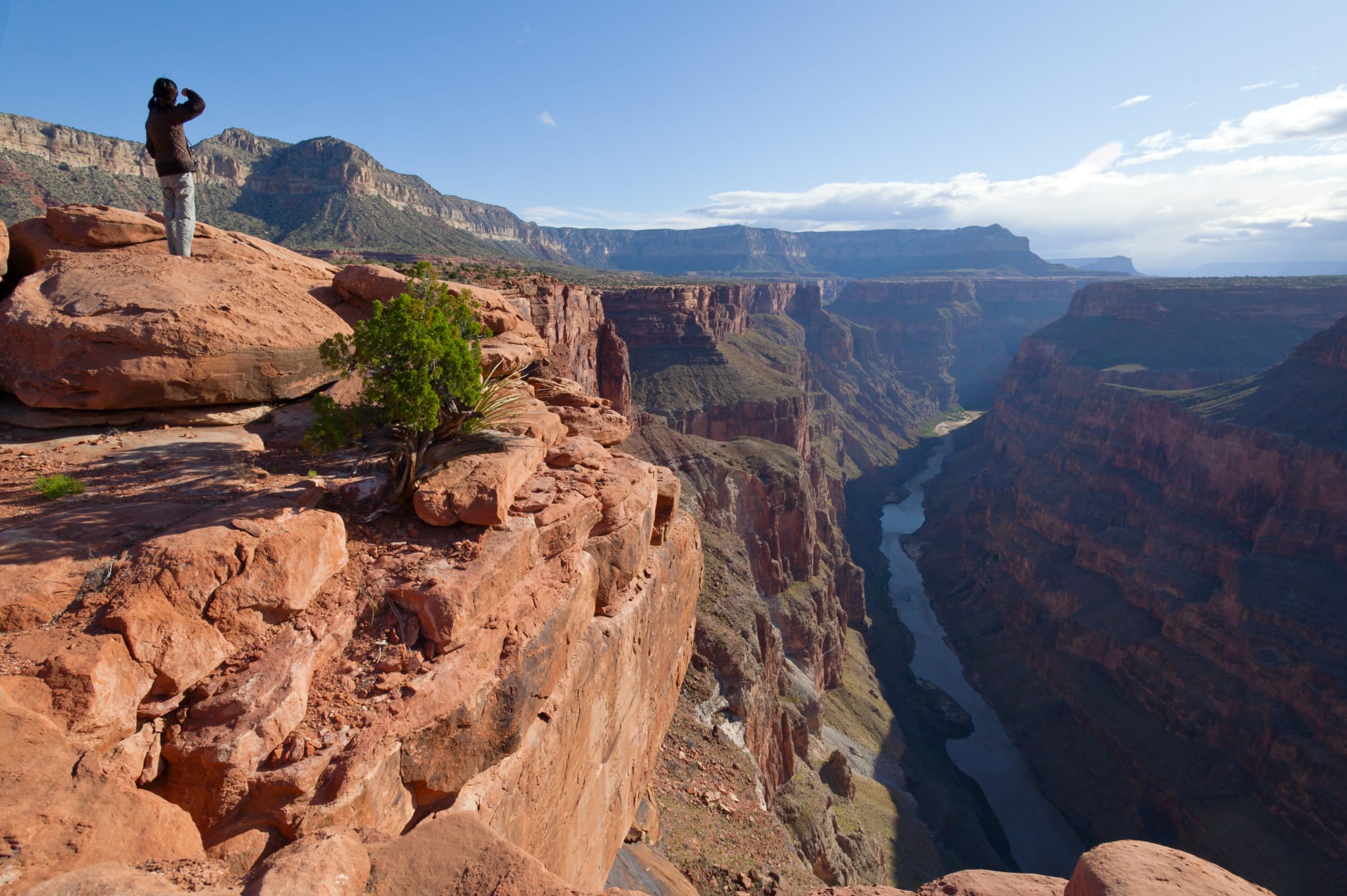
The Grand Canyon is more than just a geological marvel; it’s a testament to the raw power of nature, an iconic landmark, and a premier travel destination that draws millions of visitors from around the globe annually. Its sheer scale, vibrant colors, and intricate rock formations carved over millions of years by the Colorado River make it an unparalleled sight. While many know of its existence, a common query for first-time adventurers and seasoned travelers alike remains: “Where exactly is the Grand Canyon located?” The answer is unequivocally clear: it is prominently situated in the northern part of Arizona, a Southwestern state in the United States. This article delves into the specifics of its location, explores the distinct characteristics of its accessible rims, and provides comprehensive insights into planning an unforgettable journey to this breathtaking natural wonder, covering everything from travel logistics and accommodation options to essential tourism tips and lifestyle considerations.
Unveiling the Grand Canyon’s Iconic Location
To truly appreciate the Grand Canyon, understanding its precise geographical context within Arizona is key. This natural wonder is not merely a single point on a map but rather an expansive chasm, roughly 277 miles (446 km) long, up to 18 miles (29 km) wide, and over a mile (1.8 km) deep. The vast majority of the Grand Canyon lies within the protected boundaries of Grand Canyon National Park, a designation that underscores its immense ecological and geological significance.
Pinpointing the Grand Canyon’s Address in Arizona
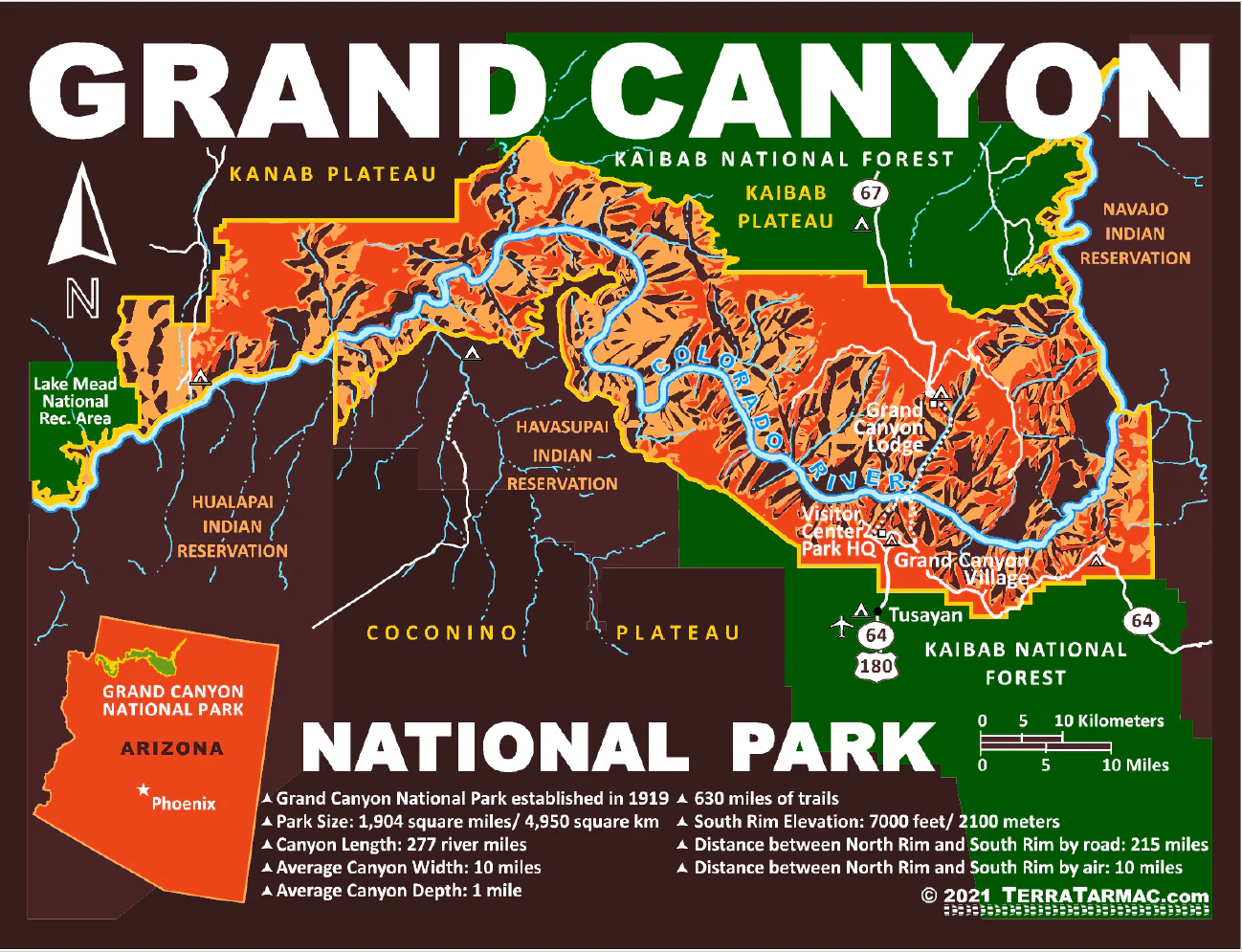
The most visited and accessible sections of the Grand Canyon are found in northern Arizona, primarily north of the major interstate highway, I-40. The park itself is divided into two primary visitor areas: the South Rim and the North Rim. Both offer unique perspectives of the canyon but are geographically distinct and require separate travel plans, being approximately 220 miles (354 km) apart by road, a drive that can take about 4.5 to 5 hours.
The South Rim is located near the town of Tusayan, just a few miles from the park entrance, and is about 60 miles (97 km) north of Williams and 90 miles (145 km) northwest of Flagstaff. These gateway cities serve as common starting points for visitors. Phoenix, Arizona’s capital, is approximately a 3.5 to 4-hour drive to the South Rim, while Las Vegas, Nevada, is about a 4.5 to 5-hour drive. This accessibility makes the South Rim a popular choice for day-trippers and those on a tighter schedule.
The North Rim, on the other hand, is a more remote and less crowded experience. It’s situated roughly 30 miles (48 km) south of the Utah border and is about 215 miles (346 km) from Flagstaff, taking approximately 4.5 hours to drive. Its higher elevation means it’s only open seasonally, typically from mid-May to mid-October, due to heavy snowfall. The nearest major town on the North Rim side is Fredonia, Arizona, and Kanab, Utah.
The Distinctive North and South Rims
Understanding the differences between the South Rim and North Rim is crucial for planning your visit and shaping your experience.
The South Rim is open year-round and offers a wider array of services, accommodations, and viewpoints. It’s home to Grand Canyon Village, a historic district that boasts several lodges, restaurants, and visitor centers. Key viewpoints like Mather Point, Hopi Point, and Yavapai Point are easily accessible, offering expansive panoramas of the canyon’s widest sections. This rim is also the primary access point for popular hiking trails such as the Bright Angel Trail and the Kaibab Trail, which descend into the canyon. The South Rim appeals to a broad range of visitors, from families with young children to serious hikers, offering a blend of accessible attractions and challenging adventures. Its robust infrastructure supports a high volume of tourism, making it a vibrant hub of activity.
The North Rim, by contrast, is known for its more serene and secluded atmosphere. With fewer visitors, it offers a distinct sense of wilderness and tranquility. The landscape here is higher in elevation, about 1,000 feet (305 meters) higher than the South Rim, resulting in cooler temperatures and a different ecosystem, characterized by dense Ponderosa pine forests. Viewpoints such as Bright Angel Point and Cape Royal provide dramatic views, often showcasing a different angle of the canyon’s grandeur. The limited number of facilities and the seasonal access mean that a trip to the North Rim typically requires more detailed planning but rewards visitors with a more intimate and peaceful experience. It’s often favored by those seeking solitude, experienced hikers, and nature photographers.
Planning Your Grand Canyon Adventure: Travel & Tourism Essentials
Embarking on a journey to the Grand Canyon requires careful planning to maximize your experience, whether you’re interested in a quick visit or a multi-day exploration. Considerations around transportation, timing, and activities are paramount.
Getting There: Major Access Points and Transportation
Accessing the Grand Canyon is relatively straightforward, thanks to its proximity to major cities and well-maintained infrastructure.
- By Car: This is the most flexible option. The South Rim is easily reached via Highway 64 from Williams (exit 163 off I-40) or Highway 180 from Flagstaff. From Las Vegas, you’d take US-93 South to I-40 East and then Highway 64 North. For the North Rim, you’ll typically take US-89A to Highway 67 South, which leads directly into the park.
- By Air: The closest commercial airports are Flagstaff Pulliam Airport (FLG) for regional flights, Phoenix Sky Harbor International Airport (PHX), and McCarran International Airport (LAS) in Las Vegas for major domestic and international connections. From these airports, you can rent a car or arrange shuttle services. There’s also the Grand Canyon Airport (GCN) near Tusayan, which primarily handles scenic helicopter tours and small charter flights.
- By Train: A unique and historical way to reach the South Rim is via the Grand Canyon Railway, which departs daily from Williams, Arizona. This scenic train journey offers a nostalgic travel experience, complete with Western entertainment, before dropping passengers off just steps from the canyon rim in Grand Canyon Village.
- Shuttle Services: Various companies offer shuttle and tour bus services from Flagstaff, Phoenix, and Las Vegas to the Grand Canyon. Within the South Rim, a free shuttle bus system operates, connecting various viewpoints, lodges, and visitor centers, particularly useful during peak season when private vehicle access to certain areas is restricted.
Best Time to Visit and What to Expect
The best time to visit the Grand Canyon largely depends on your priorities:
- Spring (March-May) and Fall (September-November): These shoulder seasons offer the most pleasant weather for hiking and sightseeing, with fewer crowds than summer. Temperatures are mild, making outdoor activities enjoyable. The North Rim usually opens in mid-May.
- Summer (June-August): This is the peak season, especially for the South Rim. Expect large crowds, higher temperatures (especially within the canyon), and booking accommodations well in advance is essential. The North Rim is fully open and offers a cooler alternative.
- Winter (December-February): The South Rim remains open, offering a serene, snow-dusted landscape that is truly magical. Crowds are minimal, but some roads and services may be limited. The North Rim is closed for the season due to snow.
Regardless of when you visit, be prepared for significant temperature variations. Rim temperatures can be drastically different from those at the canyon floor. Always check the forecast and pack accordingly.
Must-See Attractions and Activities
The Grand Canyon offers a plethora of activities catering to all levels of adventure and interest:
- Viewpoints: Iconic spots like Mather Point, Hopi Point (renowned for sunsets), Yavapai Point (with its geology museum), and the Desert View Watchtower (offering panoramic views and historical insights) on the South Rim are must-visits. On the North Rim, Bright Angel Point and Cape Royal provide equally stunning vistas.
- Hiking: From easy rim walks to challenging multi-day treks into the canyon, hiking is a quintessential Grand Canyon experience. Popular trails include Bright Angel Trail, South Kaibab Trail, and North Kaibab Trail. Remember that hiking down is optional, but hiking back up is mandatory and much harder.
- Mule Rides: For a unique perspective, consider a mule ride along the rim or a guided descent into the canyon, a historical mode of transport.
- Rafting the Colorado River: For the ultimate adventure, multi-day rafting trips on the Colorado River offer unparalleled views and an adrenaline rush. Permits are highly competitive and booked years in advance.
- Helicopter Tours: Scenic helicopter flights provide a breathtaking aerial perspective of the canyon’s immense scale and intricate beauty, often departing from Grand Canyon Airport (GCN) or Las Vegas.
- Grand Canyon Skywalk: Located on the Hualapai Indian Reservation (outside Grand Canyon National Park and about a 4-hour drive west of the South Rim), the Skywalk is a horseshoe-shaped glass bridge extending over the canyon, offering a thrilling walk over empty space.
Grand Canyon Accommodation: Where to Stay for Every Lifestyle
Your choice of accommodation can significantly impact your Grand Canyon experience. The options range from historic lodges within the park to charming hotels in nearby gateway towns, catering to various budgets and travel styles.
On-Rim Hotels and Lodges for Immersive Experiences
Staying directly on the rim offers unparalleled convenience and access to sunrise and sunset views. These accommodations are highly sought after and often book up months, if not a year, in advance, especially for peak season visits.
On the South Rim, within Grand Canyon Village, you’ll find a range of lodges operated by Xanterra Parks & Resorts in partnership with the National Park Service:
- El Tovar Hotel: A historic, luxurious hotel built in 1905, offering elegant rooms and fine dining with spectacular canyon views.
- Bright Angel Lodge: Designed by renowned architect Mary Colter, this lodge offers rustic charm with a variety of room types, including cabins directly on the rim.
- Maswik Lodge: A larger, more modern lodge set back from the rim, offering contemporary rooms and a food court.
- Yavapai Lodge: Located near the Market Plaza area, offering comfortable rooms and convenient access to services.
- Kachina Lodge and Thunderbird Lodge: Both offer hotel-style rooms directly on the rim, providing easy access to viewpoints.
For the North Rim, the Grand Canyon Lodge North Rim is the only in-park accommodation. It features historic cabins and motel rooms, all offering a rustic and peaceful retreat with stunning canyon views from its grand porch. Booking here is essential well in advance due to limited availability.
Nearby Towns: Gateway Cities and Their Offerings
If on-rim accommodations are fully booked or if you prefer more options and potentially lower prices, several gateway towns provide excellent choices for hotels, suites, and even apartments.
- Tusayan, Arizona: Located just outside the South Rim entrance, Tusayan offers several hotels, including branded properties like Best Western Premier Grand Canyon Squire Inn and Grand Canyon Plaza Hotel. It’s also home to the IMAX Theater and is a hub for helicopter tours.
- Williams, Arizona: A historic Route 66 town about an hour’s drive from the South Rim, Williams offers a range of motels, hotels, and charming bed-and-breakfasts. It’s the departure point for the Grand Canyon Railway.
- Flagstaff, Arizona: Roughly a 1.5-hour drive, Flagstaff is a larger city with a university, offering a wider selection of accommodations, restaurants, and amenities, including luxury hotels and budget-friendly options.
- Page, Arizona: While a 2.5-hour drive to the South Rim and closer to the North Rim (about 2 hours), Page is a popular base for exploring other natural wonders like Antelope Canyon and Horseshoe Bend on Lake Powell. It offers many chain hotels and independent motels.
- Sedona, Arizona: Famous for its stunning red rock formations, Sedona is about a 2-hour drive from the South Rim and offers a more upscale, resort-style accommodation experience, making it a great option for a luxury travel lifestyle.
Luxury to Budget: Finding Your Perfect Stay
The Grand Canyon and its surrounding areas cater to all budgets and lifestyles:
- Luxury Travel: El Tovar Hotel on the South Rim offers a historic luxury experience. In Sedona, resorts like Enchantment Resort or L’Auberge de Sedona provide high-end amenities and stunning natural beauty.
- Mid-Range Options: Many hotels in Tusayan, Williams, and Flagstaff offer comfortable, modern rooms with amenities like pools and complimentary breakfast, suitable for family trips and general tourism.
- Budget Travel: Hostels in Flagstaff, motels in Williams, and various campgrounds within and near the park (Mather Campground, Desert View Campground, and outside the park in the Kaibab National Forest) provide cost-effective accommodation. Dispersed camping (boondocking) is also an option in designated areas of the National Forest for those with RVs or tents.
For long-term stays or those seeking more space, apartments and villas can be found through vacation rental platforms in nearby cities, especially Flagstaff. When booking, always read reviews and compare options to find the best fit for your needs.
Beyond the Rim: Exploring Grand Canyon’s Surrounding Landmarks and Natural Wonders
While the Grand Canyon itself is a primary landmark, its location in Arizona places it within easy reach of numerous other natural wonders and culturally rich sites, offering opportunities to expand your travel experience and delve deeper into local culture and history.
Other Arizona Gems Worth Exploring
- Antelope Canyon and Horseshoe Bend: These iconic slot canyons and a dramatic bend in the Colorado River are located near Page, Arizona, approximately 2.5 hours east of the South Rim. Both are visually stunning and highly sought-after photography destinations, often requiring guided tours for access to Antelope Canyon, which is on Navajo Nation land.
- Sedona’s Red Rocks: A couple of hours south of the South Rim, Sedona is famous for its towering red rock formations, spiritual vortexes, and vibrant arts community. It’s an excellent destination for hiking, mountain biking, and exploring unique boutiques and galleries.
- Monument Valley Navajo Tribal Park: Further east, near the Arizona-Utah border, Monument Valley offers classic Western landscapes with its iconic sandstone buttes. It’s a significant cultural landmark for the Navajo Nation and offers guided tours led by tribal members.
- Havasu Falls and Havasupai Indian Reservation: While incredibly difficult to access, the vivid turquoise waters of Havasu Falls and Mooney Falls are legendary within the Grand Canyon system. Located on the Havasupai Indian Reservation, access requires highly sought-after permits, often booked months or years in advance, and a challenging 10-mile hike each way. This is truly an experience for adventurous travelers.
Historical Significance and Cultural Immersion
The Grand Canyon area is rich in history and cultural heritage, particularly that of the Native American tribes who have lived there for centuries.
- Native American Heritage: The Hopi, Navajo, Havasupai, and Hualapai tribes, among others, have deep historical and spiritual connections to the canyon. Visitors can learn about their traditions, art, and way of life at various cultural centers and through authentic guided experiences. The Desert View Watchtower on the South Rim features murals by a Hopi artist, and cultural demonstrations are sometimes held in Grand Canyon Village.
- Early European Exploration: The canyon was first documented by Europeans in 1540 by García López de Cárdenas. Later, Major John Wesley Powell’s expeditions in 1869 and 1872 extensively mapped and documented the canyon, paving the way for its recognition as a national treasure. Learning about these early explorations adds another layer to appreciating the canyon’s wildness.
- Conservation History: The establishment of Grand Canyon National Park in 1919 was a pivotal moment in the United States’ conservation movement. President Theodore Roosevelt was a strong advocate for its protection, visiting multiple times and famously stating, “Leave it as it is. You cannot improve on it. The ages have been at work on it, and man can only mar it.” This history underscores the ongoing importance of responsible tourism and environmental stewardship.
Maximizing Your Grand Canyon Experience: Tips for a Memorable Trip
To ensure your visit to the Grand Canyon is as enjoyable and safe as possible, keep these practical tips in mind.
Essential Packing and Safety Advice
- Hydration is Key: The desert environment is very dry. Carry plenty of water (at least 2-3 liters per person for even short hikes) and drink regularly. Water stations are available on some trails but should not be solely relied upon.
- Layered Clothing: Temperatures can fluctuate dramatically, especially between day and night, and between the rim and the canyon floor. Dress in layers to adapt to changing conditions.
- Sun Protection: Sunscreen, a wide-brimmed hat, and sunglasses are essential year-round due to the high elevation and intense sun exposure.
- Appropriate Footwear: Sturdy, broken-in hiking shoes or boots with good ankle support are crucial for any walking or hiking.
- Trail Smarts: If hiking into the canyon, be realistic about your abilities. Hiking down is relatively easy, but hiking back up is strenuous. Know your limits, rest frequently, and turn around before you are exhausted. The National Park Service advises against hiking to the Colorado River and back in one day, especially during warmer months.
- Food and Snacks: Carry high-energy snacks, especially for hiking. While there are dining options, they can be spread out or require reservations.
- Emergency Preparedness: Inform someone of your hiking plans, carry a first-aid kit, and consider a satellite communication device if you plan to venture into remote areas. Cell service is spotty within the park.

Navigating the Crowds and Preserving the Natural Beauty
- Visit During Off-Peak Hours: To avoid the largest crowds, particularly on the South Rim, plan to visit popular viewpoints early in the morning or late in the afternoon/evening. The midday hours are generally the busiest.
- Utilize the Shuttle System: On the South Rim, the free shuttle buses are an excellent way to navigate between viewpoints, reducing vehicle congestion and your personal carbon footprint. Parking can be challenging, especially during peak season, so park your car and use the shuttle.
- Respect Wildlife: Observe wildlife from a safe distance and never feed animals. This protects both you and the park’s inhabitants.
- Leave No Trace: Practice Leave No Trace principles: pack out everything you pack in, stay on marked trails, and avoid disturbing natural features or cultural artifacts.
- Be Patient and Courteous: With millions of visitors, patience is a virtue. Be courteous to fellow travelers and park staff.
In conclusion, the Grand Canyon is proudly located in Arizona, offering distinct experiences between its South Rim and North Rim. Planning your visit involves considering the best time to go, how to get there, where to stay, and what activities to prioritize, all while keeping safety and environmental stewardship at the forefront. Whether you seek thrilling adventures, serene natural beauty, or a deeper connection to history and culture, the Grand Canyon promises an unforgettable journey that truly exemplifies a life out of the box.
LifeOutOfTheBox is a participant in the Amazon Services LLC Associates Program, an affiliate advertising program designed to provide a means for sites to earn advertising fees by advertising and linking to Amazon.com. Amazon, the Amazon logo, AmazonSupply, and the AmazonSupply logo are trademarks of Amazon.com, Inc. or its affiliates. As an Amazon Associate we earn affiliate commissions from qualifying purchases.