
The question “How far is Boston from DC?” isn’t just about a number; it’s an invitation to explore the vibrant corridor connecting two of America’s most historically rich and culturally significant cities. Whether you’re planning a weekend getaway, a business trip, or an extensive East Coast adventure, understanding the distance and various travel options between Boston, Massachusetts, and Washington, D.C., is the first step in crafting an unforgettable journey. This comprehensive guide will delve into the specifics of distance, travel times, modes of transport, and what to expect from each destination, helping you choose the perfect path for your next adventure.
The Geographic Distance and Travel Time Between Boston and Washington, D.C.
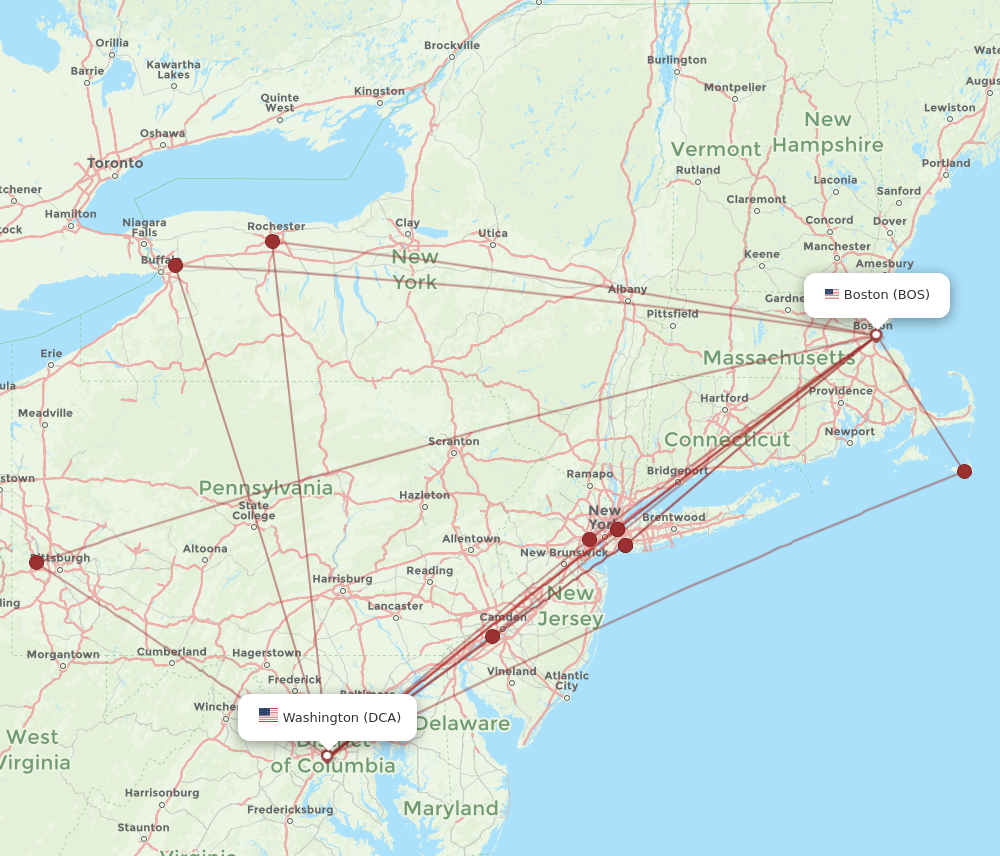
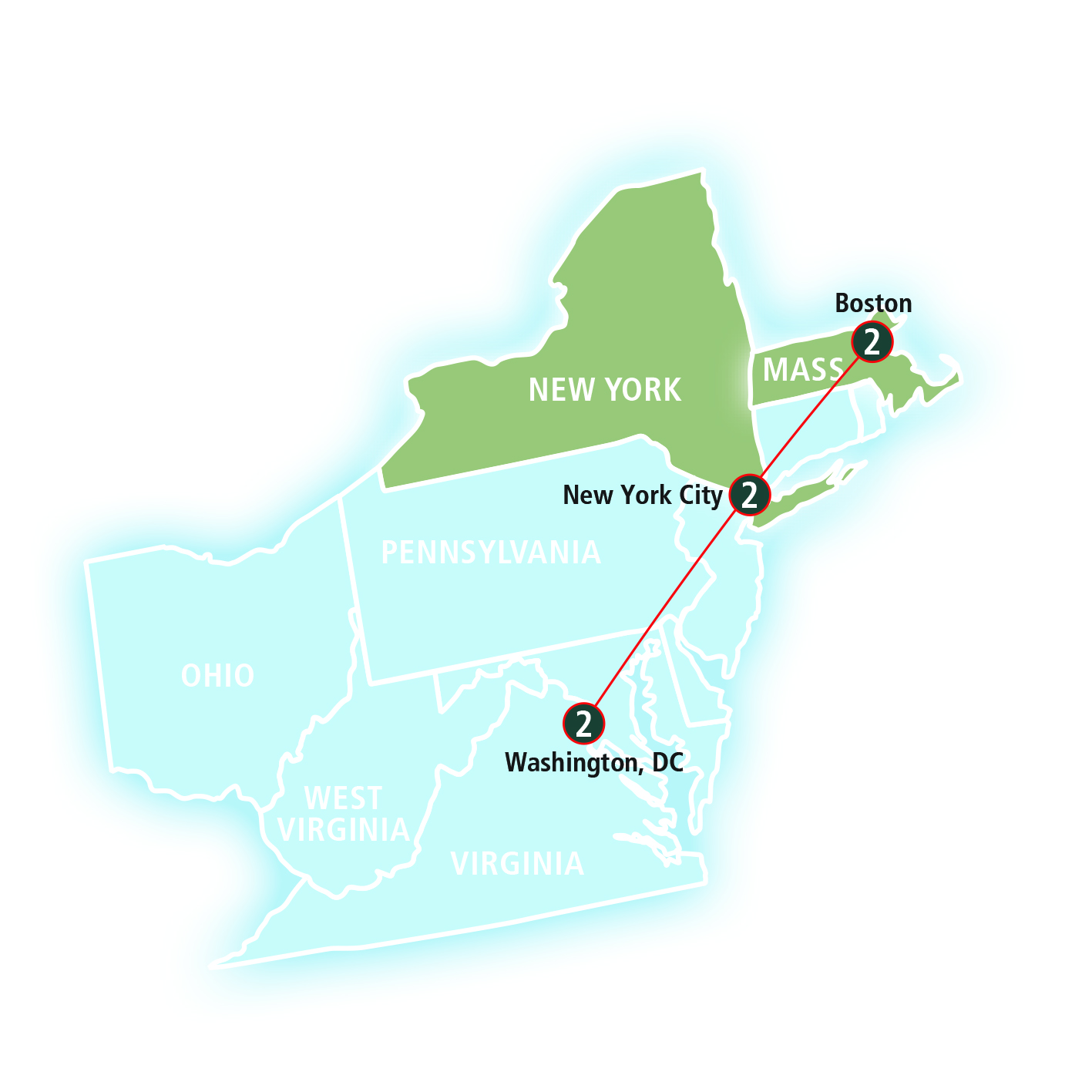
At its core, the distance between Boston and Washington, D.C. is approximately 400 to 440 miles (640 to 700 kilometers), depending on the exact starting and ending points within each metropolitan area and the specific route taken. This proximity places them firmly within the accessible range for various modes of travel, each offering its own unique advantages in terms of speed, comfort, cost, and scenic value.
Driving: The Classic American Road Trip
For many, the open road represents the quintessential American travel experience, and the drive between Boston and DC is no exception. The most direct route primarily involves Interstate 95 South, traversing through states like Connecticut, New York, New Jersey, Delaware, and Maryland before reaching Virginia and the nation’s capital. This journey typically takes 7 to 9 hours of pure driving time, but it’s crucial to factor in potential traffic, especially around major metropolitan areas like New York City and Philadelphia, as well as stops for fuel, food, and rest.
A road trip offers unparalleled flexibility and the chance to discover charming towns and hidden gems along the way. Consider breaking up the drive with an overnight stay or a significant stop in cities like New York City, Philadelphia, or Baltimore. Each offers a wealth of historical sites, culinary experiences, and unique attractions. For example, a detour to Philadelphia allows you to visit Independence Hall and the Liberty Bell, while Baltimore offers the historic Inner Harbor. This option is ideal for those who prefer to travel on their own schedule, with family, or with a desire to explore more of the East Coast. Keep in mind costs for fuel, tolls, and parking, which can add up, especially in urban centers.
Train Travel: A Scenic and Relaxing Journey
Traveling by train along the Northeast Corridor is a popular choice for its comfort, convenience, and scenic views, not to mention avoiding the stresses of driving and airport security. Amtrak operates several services between Boston and Washington, D.C..
The premium Acela Express offers the fastest service, with travel times typically ranging from 6 hours and 30 minutes to 7 hours. Acela Express provides a more upscale experience with larger seats, complimentary Wi-Fi, and a cafe car, catering to business travelers and those seeking a more luxurious journey.
The Northeast Regional service is a more budget-friendly option, with travel times usually between 7 hours and 30 minutes to 8 hours and 30 minutes. While slower, it offers comfortable seating, a cafe car, and a more frequent schedule.
Train stations in both cities are centrally located: Boston is served by South Station and Back Bay Station, while Washington, D.C. boasts the magnificent Union Station. This makes onward travel via public transportation or rideshares very convenient. Train travel is an excellent choice for those who want to work, read, or simply enjoy the landscape without the hassles of navigating traffic or parking.
Flying: The Quickest Option
For travelers prioritizing speed, flying is undoubtedly the fastest way to get from Boston to Washington, D.C.. Direct flights typically last around 1 hour and 20 minutes to 1 hour and 45 minutes. However, the total travel time significantly increases when accounting for airport transfers, security checks, boarding, and deplaning. From downtown to downtown, the entire process can easily take 4 to 6 hours, sometimes rivaling or exceeding the fastest train journeys.
In Boston, flights depart from Logan International Airport (BOS). For Washington, D.C., travelers have three main airport options:
- Ronald Reagan Washington National Airport (DCA): The closest airport to downtown DC, offering direct access via the Metro. This is often the preferred choice for convenience.
- Dulles International Airport (IAD): Located further out in Virginia, it typically requires a longer commute to the city center but serves more international routes and larger aircraft.
- Baltimore/Washington International Thurgood Marshall Airport (BWI): Situated between Baltimore and DC, it offers a good balance and is easily accessible by Amtrak or MARC train to Union Station.
Airlines like Delta, American Airlines, United Airlines, Southwest Airlines, and JetBlue frequently offer routes. While flights can sometimes be competitively priced, especially when booked in advance, costs can fluctuate significantly. Consider baggage fees and ground transportation expenses when comparing against other options.
Bus Travel: The Budget-Friendly Choice
For budget-conscious travelers, intercity bus services provide the most economical way to travel between Boston and Washington, D.C.. Companies like Megabus and Greyhound operate numerous daily routes. The journey typically takes 8 to 10 hours, depending on traffic and the number of stops. While it is the slowest option, the cost savings can be substantial, often making it the preferred choice for students, backpackers, or those planning long-term stays. Buses usually offer amenities like free Wi-Fi and power outlets, allowing travelers to stay connected or productive during their journey.
Discovering Washington, D.C.: A Capital Experience
Once you arrive in Washington, D.C., a world of history, culture, and political intrigue awaits. As the nation’s capital, DC is meticulously designed for public access to its iconic landmarks and institutions, many of which are free to visit.
Iconic Landmarks and Historical Riches
The heart of DC’s appeal lies in its monumental core. The National Mall stretches from the United States Capitol to the Lincoln Memorial, flanked by the towering Washington Monument and numerous memorials like the World War II Memorial, Thomas Jefferson Memorial, and Martin Luther King, Jr. Memorial. A stroll through the National Mall is a walk through American history.
Beyond the memorials, DC is home to the world-renowned Smithsonian Museums, most of which offer free admission. Must-sees include the Smithsonian National Museum of Natural History, the National Air and Space Museum, and the National Museum of American History. For something different, the International Spy Museum offers an interactive look into the world of espionage. Don’t forget to catch a glimpse of the White House, the official residence and principal workplace of the President of the United States.
Accommodation in DC: From Luxury to Budget
Washington, D.C. offers a wide array of accommodation options to suit every preference and budget. For those seeking luxury travel, areas like Downtown and Georgetown boast prestigious hotels such as the Four Seasons Hotel Washington D.C. or The Willard InterContinental Washington D.C., offering opulent suites, gourmet dining, and top-tier amenities. These resorts provide an exceptional experience for business stays or romantic getaways.

Mid-range options are plentiful in neighborhoods like Dupont Circle, Foggy Bottom, and Penn Quarter, with brands like Omni Shoreham Hotel or Embassy Suites by Hilton Washington D.C. Convention Center providing comfortable rooms, excellent service, and often amenities like pools or fitness centers. For budget travelers, hostels and more affordable hotels are available, particularly closer to Union Station or in areas slightly outside the immediate city center, like a Hyatt Place Washington D.C.. When booking, consider proximity to Metro stations for easy access to attractions. Reviews and comparison sites are invaluable for finding the best deals and ensuring a pleasant stay.
Culinary Delights and Local Culture
DC’s culinary scene is as diverse as its population. From Michelin-starred restaurants to vibrant food trucks, there’s something for every palate. Explore the historic charm and upscale boutiques of Georgetown, where you’ll find everything from classic American fare to international cuisine. The U Street Corridor offers a rich African American heritage, live music venues, and delicious Ethiopian food. For a bohemian vibe and eclectic dining, head to Adams Morgan. The Wharf, a revitalized waterfront district, offers seafood restaurants, vibrant nightlife, and stunning views of the Potomac River. Embracing local culture in DC also means engaging with its political pulse, attending free concerts, visiting farmers’ markets, or exploring its numerous parks and green spaces.
Exploring Boston: History, Charm, and Innovation
Upon arriving in Boston, you step into a city where revolutionary history intertwines seamlessly with modern innovation and vibrant urban life. This walkable city is a treasure trove of attractions, offering diverse experiences for every type of traveler.
Revolutionary History and Modern Charm
Boston is arguably America’s most historic city, the birthplace of the American Revolution. The best way to experience this is by walking the Freedom Trail, a 2.5-mile red-lined path that leads to 16 historically significant sites. Along the trail, you’ll encounter landmarks such as the Massachusetts State House, Faneuil Hall Marketplace, the Old North Church, and the Paul Revere House. These sites offer profound insights into the nation’s founding.
Beyond its historical narrative, Boston is a hub of education and innovation, home to world-renowned institutions like Harvard University and the Massachusetts Institute of Technology (MIT). Explore the beautiful green spaces of Boston Common and the Public Garden, or immerse yourself in art at the Museum of Fine Arts and the exquisite Isabella Stewart Gardner Museum. For family trips, the New England Aquarium and the Boston Children’s Museum offer engaging activities. And for sports fans, catching a Boston Red Sox game at historic Fenway Park is an unforgettable experience.
Where to Stay in Boston: A Guide to Districts
Boston’s diverse neighborhoods offer unique accommodation experiences. For a luxury travel experience, the Back Bay and Beacon Hill areas are home to elegant hotels like The Ritz-Carlton, Boston or the historic Omni Parker House, known for their sophisticated charm, premium amenities, and proximity to upscale shopping and dining. The Seaport District is another excellent choice for modern luxury, with contemporary hotels offering harbor views and easy access to new restaurants and nightlife. The Boston Harbor Hotel provides stunning waterfront vistas and exceptional service.
Mid-range options are plentiful in the Theater District and Downtown Crossing, offering convenience and good value with establishments such as The Godfrey Hotel Boston or Hyatt Regency Boston. For budget travel or a more local feel, consider apartments or guesthouses in areas like the North End or Cambridge. Booking well in advance, especially during peak seasons like autumn or college graduation periods, is highly recommended. Many hotels offer suites and family-friendly amenities, making it easy to accommodate different travel styles.
Boston’s Vibrant Lifestyle and Gastronomy
Boston’s lifestyle is a captivating blend of tradition and modernity. Its compact size makes it incredibly walkable, allowing visitors to soak in the distinct atmosphere of neighborhoods like the cobblestone streets of Beacon Hill or the bustling Italian charm of the North End. The city is a haven for foodies, especially those who appreciate fresh seafood. Indulge in classic New England clam chowder, lobster rolls, and oysters at waterfront eateries. The North End is renowned for its authentic Italian restaurants and bakeries, while the Seaport District has emerged as a culinary hotbed with innovative new establishments.
Beyond food, Boston offers a rich tapestry of experiences, from cheering on local sports teams to exploring the vibrant arts scene in the Theater District or enjoying live music at intimate venues. The city also hosts numerous festivals and events throughout the year, celebrating everything from film and music to local craft beer. For business stays, Boston’s convention centers and sophisticated meeting spaces cater to all professional needs, while its academic environment makes it a frequent destination for conferences and seminars.
Making the Most of Your Journey: Tips and Considerations
Whether you’re embarking on a solo adventure, a family trip, or a business stay, planning is key to maximizing your experience between Boston and Washington, D.C..
Planning Your Itinerary: Time vs. Experience
Deciding on your mode of transport often comes down to a trade-off between time and the desired experience. If your time is limited, flying might seem appealing, but remember the hidden time costs of airports. For a truly relaxing and productive journey, the train is often a superior choice. If the journey itself is part of the adventure, a road trip allows for spontaneous discoveries and the flexibility to explore beyond the main cities. Consider how many days you have for your entire trip and allocate sufficient time to each city to avoid rushing. A minimum of 3-4 days per city is recommended to scratch the surface of their offerings. Research local culture, food, and activities beforehand to tailor your trip to your interests.
Budgeting Your Trip: Flights, Stays, and Activities
Costs can vary widely depending on your travel style and preferences.
- Transportation: Bus travel is typically the cheapest, followed by train (especially Northeast Regional tickets booked in advance). Flights can sometimes be affordable, but often the total cost including luggage and transfers makes them comparable to or more expensive than Acela Express. Driving incurs fuel, toll, and parking costs.
- Accommodation: Both cities offer a spectrum from luxury resorts and boutique hotels to budget-friendly apartments and hostels. Booking in advance, especially during peak season, can yield significant savings. Utilize booking platforms and comparison websites for reviews and the best rates. Consider long-term stay options if your trip extends beyond a week or two.
- Activities: DC offers many free attractions (Smithsonian museums, National Mall memorials), which helps keep activity costs down. Boston has the free Freedom Trail, but museums and other attractions typically have entrance fees. Factor in dining costs, as both cities boast incredible culinary scenes that cater to all price points.
Choosing Your Travel Style: Luxury, Family, or Business
- Luxury Travel: Opt for Acela Express first-class or business class train tickets, premium flights, and stays at 5-star hotels like The Ritz-Carlton, Boston or Four Seasons Hotel Washington D.C.. Indulge in fine dining and curated experiences.
- Family Trips: Driving offers flexibility for stops and luggage. Trains are comfortable for children. Look for hotels with amenities like pools or family suites. Plan activities like the New England Aquarium in Boston or the National Air and Space Museum in DC to keep everyone entertained.
- Business Stays: Prioritize efficiency with Acela Express or direct flights to DCA. Choose hotels in central business districts that offer excellent Wi-Fi, meeting facilities, and easy access to transportation. Many hotels cater specifically to business travelers with dedicated lounges and services.
Conclusion: Bridging Two Historic Cities
The distance between Boston and Washington, D.C. is a manageable journey, opening up a corridor of unparalleled American history, culture, and innovation. Whether you prefer the scenic route of a train, the swiftness of a flight, the freedom of a road trip, or the economy of a bus, both cities are incredibly accessible. Each mode of transport offers a distinct flavor of the travel experience, allowing you to tailor your journey to your personal preferences, budget, and schedule.
From the revolutionary cobblestones of Boston to the monumental grandeur of Washington, D.C., this route connects two powerhouses of the East Coast, each promising rich attractions, diverse culinary scenes, and a wide range of accommodation options. By understanding the distances, travel times, and available choices, you are now well-equipped to plan a memorable trip that bridges these two extraordinary destinations, ensuring your adventure is as smooth and enjoyable as possible. Happy travels!
LifeOutOfTheBox is a participant in the Amazon Services LLC Associates Program, an affiliate advertising program designed to provide a means for sites to earn advertising fees by advertising and linking to Amazon.com. Amazon, the Amazon logo, AmazonSupply, and the AmazonSupply logo are trademarks of Amazon.com, Inc. or its affiliates. As an Amazon Associate we earn affiliate commissions from qualifying purchases.