
Embarking on a journey between Boston, the historic heart of New England, and Washington Dc, the vibrant capital of the United States, is an exploration of two distinct yet equally significant facets of American history and culture. These two iconic cities, anchors of the Northeast Corridor, offer a captivating blend of colonial charm, revolutionary spirit, political power, and modern sophistication. Whether you’re a history buff, a foodie, a business traveler, or a family seeking an enriching vacation, understanding the logistics of traveling between Boston and Washington Dc is the first step in crafting an unforgettable adventure.
This comprehensive guide will not only answer the fundamental question of distance but also delve into the myriad transportation options, highlight essential attractions in both destinations, explore diverse accommodation choices, and provide invaluable tips for maximizing your travel experience. From the cobblestone streets of Boston to the grand monuments of Washington Dc, prepare to uncover a wealth of experiences awaiting you on this fascinating inter-city journey.
Unveiling the Distance: A Tale of Two Historic Cities
Understanding the actual distance between Boston and Washington Dc is crucial for planning your travel itinerary and choosing the most suitable mode of transport. The journey isn’t just about covering miles; it’s about traversing a rich tapestry of landscapes, cultures, and histories.
The Straight Line vs. The Road Ahead
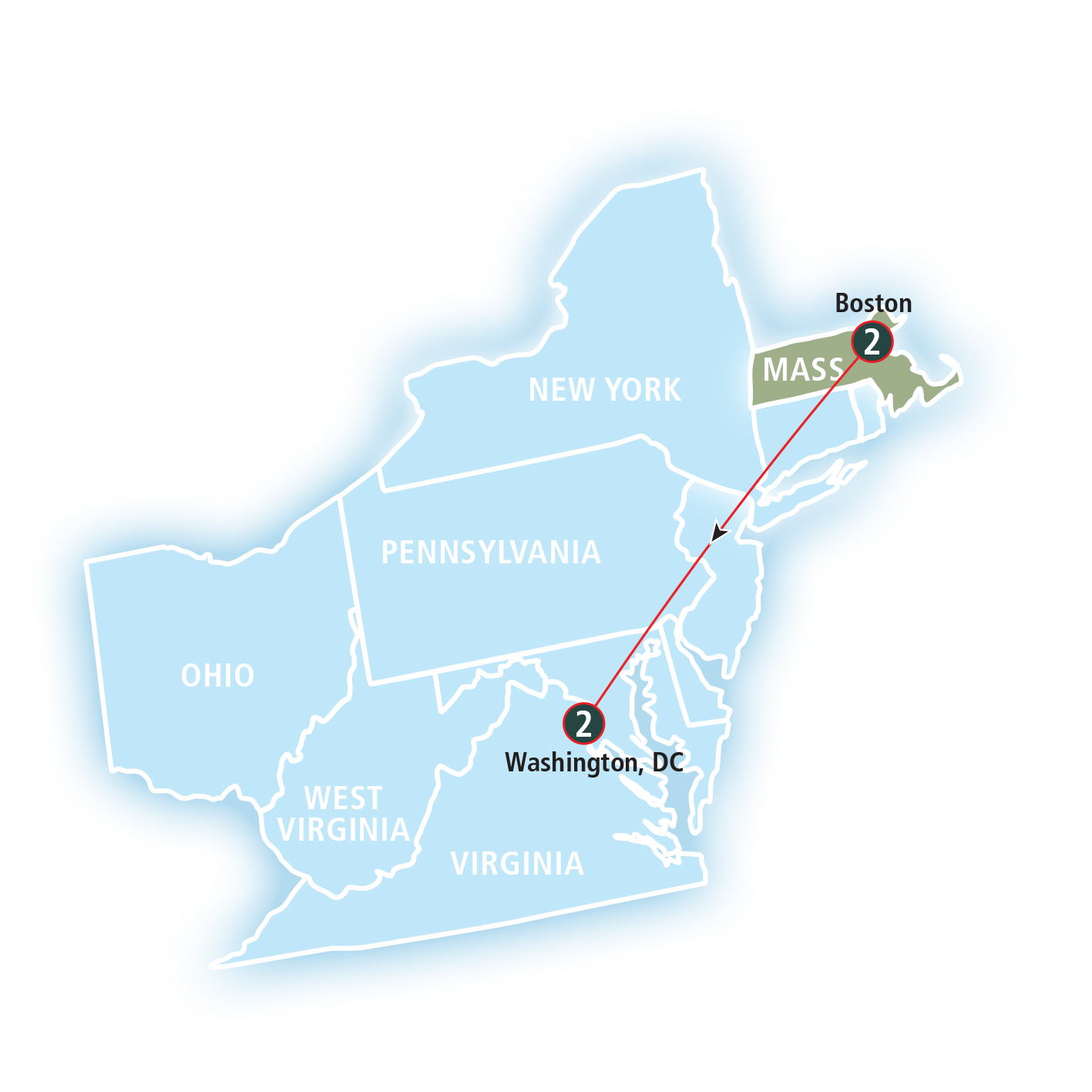
As the crow flies, the air distance between Boston, Massachusetts, and Washington Dc, District of Columbia, is approximately 393 miles (632 kilometers). This direct measurement is most relevant for air travel, indicating a relatively short flight time.
However, for ground travelers, the actual driving distance is significantly longer due to the winding nature of highways and the need to navigate around urban centers. The typical road distance is around 440 to 450 miles (708 to 724 kilometers). This stretch primarily follows the major interstate I-95, a vital artery connecting many East Coast cities. Depending on traffic conditions, which can be notoriously heavy around major metropolitan areas like New York City and Philadelphia, a car journey can take anywhere from 7 to 9 hours without significant stops.
Why the Journey Matters
The journey itself offers a unique perspective on the Mid-Atlantic and Northeast regions. Traveling by road or rail allows you to witness the changing landscapes, from the historic charm of New England to the bustling urban sprawl and eventually the stately elegance of the nation’s capital. Each mode of transportation offers its own set of advantages, catering to different preferences for speed, comfort, scenery, and budget. Choosing the right way to travel can transform a simple commute into an integral part of your overall travel experience.
Navigating the Journey: Transportation Options
Traveling between Boston and Washington Dc is remarkably convenient, thanks to a robust network of transportation options. Each method caters to different priorities, from speed and efficiency to scenic views and cost-effectiveness.
By Air: The Fastest Route
For those prioritizing speed, flying is undoubtedly the quickest option. Direct flights typically last around 1 hour and 20 minutes to 1 hour and 45 minutes. When considering air travel, you’ll primarily be looking at:
- Boston: Logan International Airport (BOS)
- Washington Dc: You have a few choices:
- Ronald Reagan Washington National Airport (DCA): Closest to downtown DC, easily accessible by metro.
- Dulles International Airport (IAD): Further out, primarily serves international flights but also domestic.
- Baltimore/Washington International Thurgood Marshall Airport (BWI): Located in Maryland, offers more budget-friendly options, with convenient rail connections to Washington Union Station.
While the flight itself is short, remember to factor in travel to and from airports, security checks, and potential delays. Despite these considerations, flying remains the most efficient choice for travelers with limited time.
By Rail: Scenic and Convenient
Train travel along the Northeast Corridor is a popular and comfortable alternative, offering a more relaxed journey compared to flying or driving. Amtrak operates frequent services between Boston South Station and Washington Union Station.
- Acela Express: This high-speed service offers a premium experience with comfortable seating, Wi-Fi, and a cafe car. The journey typically takes around 6.5 to 7 hours. It’s ideal for business travelers or those seeking a quicker, more luxurious rail experience.
- Northeast Regional: A more economical option, the Northeast Regional makes more stops and takes approximately 8 to 9 hours. It’s perfect for travelers who enjoy the scenic route and are not in a rush.
Train travel allows you to avoid airport hassles and enjoy the changing scenery, making it a favorite for many inter-city travelers.
By Bus: Budget-Friendly Travel
For budget-conscious travelers, bus services offer the most affordable way to travel between Boston and Washington Dc. Several reputable companies operate this route:
- Greyhound
- Megabus
- Peter Pan Bus Lines
Bus journeys generally take longer than trains, ranging from 8 to 10 hours or more, depending on traffic and the number of stops. While less luxurious, modern buses often come equipped with amenities like Wi-Fi, power outlets, and reclining seats, making the journey reasonably comfortable. Booking in advance can yield significant savings, making this an excellent choice for solo travelers or groups looking to keep costs down.
By Car: The Ultimate Road Trip
Driving offers unparalleled flexibility, allowing travelers to set their own pace, make spontaneous stops, and explore off-the-beaten-path attractions. The drive from Boston to Washington Dc typically takes 7 to 9 hours without significant stops, depending heavily on traffic conditions, particularly through New York and Philadelphia.
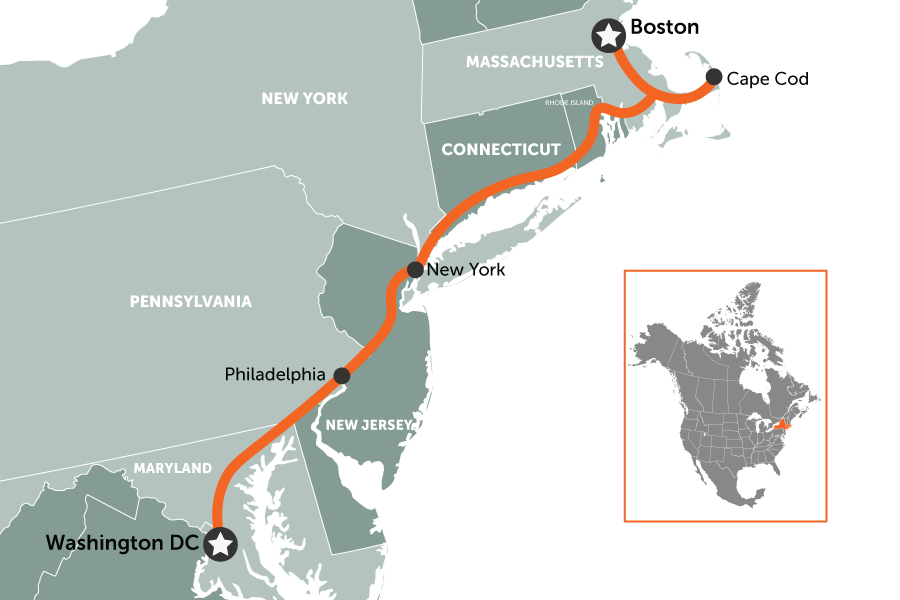
The primary route is I-95 South, passing through Connecticut, New York, New Jersey, Delaware, Maryland, and Virginia before reaching Washington Dc. Be prepared for tolls, especially on sections like the New Jersey Turnpike and the Delaware Memorial Bridge. Consider breaking up the journey with an overnight stay in New York City or Philadelphia to transform the trip into a multi-city road adventure.
Exploring Beyond the Journey: What to See and Do
Once you’ve decided on your mode of transport, the real excitement begins: planning what to explore in these two magnificent destinations. Both cities are rich in history, culture, and unique experiences.
Iconic Landmarks in Boston
Boston is a city where history comes alive on every corner. The best way to immerse yourself is by walking the Freedom Trail, a 2.5-mile red-lined path that guides you through 16 historically significant sites.
- Boston Common: The starting point of the Freedom Trail and the oldest city park in the United States.
- Faneuil Hall: Known as the “Cradle of Liberty,” this marketplace has been a gathering place for revolutionaries and merchants for centuries.
- Paul Revere House: The oldest house in downtown Boston, offering a glimpse into colonial life.
- USS Constitution: “Old Ironsides,” the oldest commissioned warship afloat in the world, docked in Charlestown.
- Fenway Park: Catch a Boston Red Sox game at America’s most beloved ballpark, a must for sports enthusiasts.
- Museum of Fine Arts and Isabella Stewart Gardner Museum: For art lovers, these institutions offer impressive collections.
- Old North Church: “One if by land, two if by sea” – site of Paul Revere’s famous lantern signal.
Must-Visit Attractions in Washington Dc
Washington Dc is a treasure trove of national monuments, world-class museums, and political landmarks, many of which are free to visit.
- National Mall: This expansive green space is home to many of DC’s most iconic structures, including the Lincoln Memorial, Washington Monument, and the World War II Memorial.
- Smithsonian Museums: A consortium of 19 museums and galleries, including the National Air and Space Museum, National Museum of Natural History, and the National Museum of American History. All are free!
- White House: The official residence and principal workplace of the President of the United States.
- US Capitol Building: Home to the United States Congress, offering tours and a visitor center.
- Georgetown: A historic neighborhood known for its upscale shopping, dining, and beautiful colonial architecture.
- International Spy Museum: A fascinating look into the world of espionage, great for all ages.
- National Portrait Gallery: Features portraits of famous Americans from history.
Culinary Delights and Local Culture
Both Boston and Washington Dc boast vibrant culinary scenes that reflect their distinct personalities. In Boston, don’t miss out on classic New England seafood, especially clam chowder, lobster rolls, and fresh oysters. Explore the North End for authentic Italian cuisine. Washington Dc offers a diverse gastronomic landscape, with everything from upscale dining in Georgetown and Dupont Circle to international flavors near Adams Morgan and vibrant food stalls at The Wharf. Each city provides an immersive experience into its unique local culture through its food, arts, and neighborhood life.
Where to Stay: Accommodation Choices for Every Traveler
Selecting the right accommodation is paramount to a comfortable and enjoyable trip. Both Boston and Washington Dc offer a wide array of options, from luxurious hotels to budget-friendly apartments, catering to every travel style and preference.
Boston’s Charm and Comfort
Boston offers a range of neighborhoods, each with its own character and accommodation styles.
- Luxury & Boutique: Areas like Back Bay and Beacon Hill are home to upscale hotels such as the Four Seasons Hotel Boston, offering impeccable service and prime locations near attractions like the Boston Public Garden. Boutique options like The Godfrey Hotel Boston offer unique experiences with stylish designs.
- Mid-Range & Family-Friendly: Downtown Crossing and the Waterfront areas provide a good balance of comfort and convenience. Chains like the Hyatt Regency Boston or Omni Parker House are excellent choices for families or business travelers.
- Budget-Friendly: Consider areas slightly outside the immediate city center, or explore options like hostels and guesthouses for more economical stays.
- Apartment & Long-Term Stay: For longer visits, serviced apartments or vacation rentals offer more space and kitchen facilities, ideal for families or extended business trips. Websites specializing in apartment bookings can help you compare options.
Washington Dc’s Grandeur and Convenience
Washington Dc also boasts diverse accommodation options, with many concentrated in key districts.
- Luxury & Historic: Areas like Downtown DC, Georgetown, and near Capitol Hill offer prestigious hotels such as the Willard InterContinental Washington, The Hay-Adams, or the Ritz-Carlton Georgetown, Washington, D.C.. These properties often feature luxurious amenities and are close to major landmarks.
- Mid-Range & Business-Oriented: Dupont Circle and Foggy Bottom are popular for their vibrant atmosphere and proximity to business districts and universities. You’ll find numerous reputable hotel chains here, providing comfort and convenience for all types of travelers.
- Boutique & Lifestyle: Brands like Kimpton Hotels & Restaurants offer stylish, pet-friendly boutique experiences throughout the city, often with unique local touches.
- Extended Stay & Family: Many hotels in DC offer suites or apartment-style rooms, perfect for families or those requiring a longer stay. Be sure to check reviews and amenities like pools or complimentary breakfast when booking.
Booking Tips and Considerations
No matter your destination, it’s always advisable to:
- Book in advance: Especially during peak seasons or major events, popular accommodations fill up quickly.
- Read reviews: Consult traveler reviews on various platforms to get honest insights into hotels and neighborhoods.
- Compare prices: Use comparison websites to ensure you’re getting the best deal.
- Consider location: Think about your primary activities and choose a neighborhood that minimizes travel time to attractions or business meetings.
- Check amenities: Decide which amenities are essential for your stay, such as Wi-Fi, fitness centers, or pet-friendly policies.
Making the Most of Your Journey: Travel Lifestyle Tips
A trip between Boston and Washington Dc can be tailored to various lifestyles, from luxury escapes to budget adventures and family vacations. Smart planning can enhance the entire experience.
Planning Your Itinerary
- Balance & Pacing: Don’t try to cram too much into each day. Allow time for leisurely exploration, unexpected discoveries, and relaxation. For both cities, group attractions by geographical area to minimize travel time.
- Themes: Consider a themed trip – perhaps a “Revolutionary History Tour” in Boston followed by a “Government & Global Affairs” focus in Washington Dc.
- Flexibility: While a planned itinerary is good, be open to changing plans based on weather, local recommendations, or personal interest.
Budgeting for Your Trip
- Accommodation: As discussed, options range from luxury resorts to budget hostels. Booking off-peak can save significantly.
- Transportation: While flights are fast, trains and buses offer more economical long-distance travel. Utilize public transport (subway in Boston, Metro in Washington Dc) within the cities.
- Attractions: Many major attractions in Washington Dc (like the Smithsonian Museums) are free, offering incredible value. In Boston, walking the Freedom Trail is a free and immersive historical experience.
- Food: Mix fine dining with casual eateries, food trucks, and local markets to manage food expenses. Pack snacks and water bottles.
Seasonal Considerations
- Spring (April-May): Pleasant weather, blooming cherry blossoms in Washington Dc, and fewer crowds make this an ideal time.
- Summer (June-August): Warm and humid, these months are popular for family vacations. Expect larger crowds and higher prices. Events like Boston Pops Fireworks Spectacular add to the festive atmosphere.
- Fall (September-October): Crisp air, vibrant foliage (especially enchanting around Boston), and comfortable temperatures make fall a fantastic time to visit.
- Winter (November-March): Cold and snowy, but offers fewer crowds and potentially lower prices. Enjoy cozy indoor activities and holiday festivities.

Packing Essentials
- Comfortable Walking Shoes: Both cities are best explored on foot.
- Layers: Weather can change quickly, especially in the Northeast.
- Portable Charger: For keeping your phone powered for navigation and photos.
- Small Backpack/Daypack: For carrying essentials while sightseeing.
- Reusable Water Bottle: Stay hydrated and reduce waste.
- Travel Adapters/Converters: If you’re coming from outside North America.
Whether you’re planning a luxurious romantic getaway, a budget-friendly solo exploration, or an educational family trip, keeping these tips in mind will ensure a smoother, more enjoyable, and truly enriching experience as you traverse the miles between these two monumental American cities.
The distance between Boston and Washington Dc is more than just a measurement of miles; it represents a bridge between two pivotal eras of American history and distinct urban experiences. From the revolutionary spirit permeating Boston’s historic streets to the powerful symbolism embedded in every monument in Washington Dc, the journey promises a rich tapestry of discovery.
With various transportation options catering to different preferences and budgets, seamless travel between these metropolises is easily achievable. Once there, an abundance of landmarks, cultural sites, and culinary delights await, promising an enriching itinerary for every traveler. By considering accommodation options, budgeting wisely, and planning strategically, your trip from Boston to Washington Dc (or vice versa) will be more than just a trip—it will be an immersive adventure into the heart and soul of the United States. Embark on this journey and create memories that will last a lifetime.
LifeOutOfTheBox is a participant in the Amazon Services LLC Associates Program, an affiliate advertising program designed to provide a means for sites to earn advertising fees by advertising and linking to Amazon.com. Amazon, the Amazon logo, AmazonSupply, and the AmazonSupply logo are trademarks of Amazon.com, Inc. or its affiliates. As an Amazon Associate we earn affiliate commissions from qualifying purchases.