
For any culinary explorer or travel enthusiast seeking an authentic taste of American BBQ, the Boston Butt stands as an iconic centerpiece. Despite its curious name, this cut of pork shoulder is the secret behind the melt-in-your-mouth pulled pork that has captivated palates across the globe, especially throughout the Southern United States. Understanding how long to cook a Boston Butt isn’t just about following a recipe; it’s about mastering a tradition, appreciating a regional specialty, and perhaps even incorporating a truly hands-on experience into your next Travel adventure or Lifestyle pursuit.
Whether you’re planning a culinary tour through the Carolinas, perfecting your backyard BBQ skills at home, or looking to recreate a memorable meal from a past trip in a vacation rental with a well-equipped kitchen, the cooking time for a Boston Butt is often the most frequently asked question. It’s a journey of patience, low temperatures, and the magical transformation of tough connective tissue into succulent, shreddable meat. This guide delves into the nuances of cooking this beloved cut, connecting it to the broader themes of food tourism, local culture, and the joys of exploring the world through its flavors.
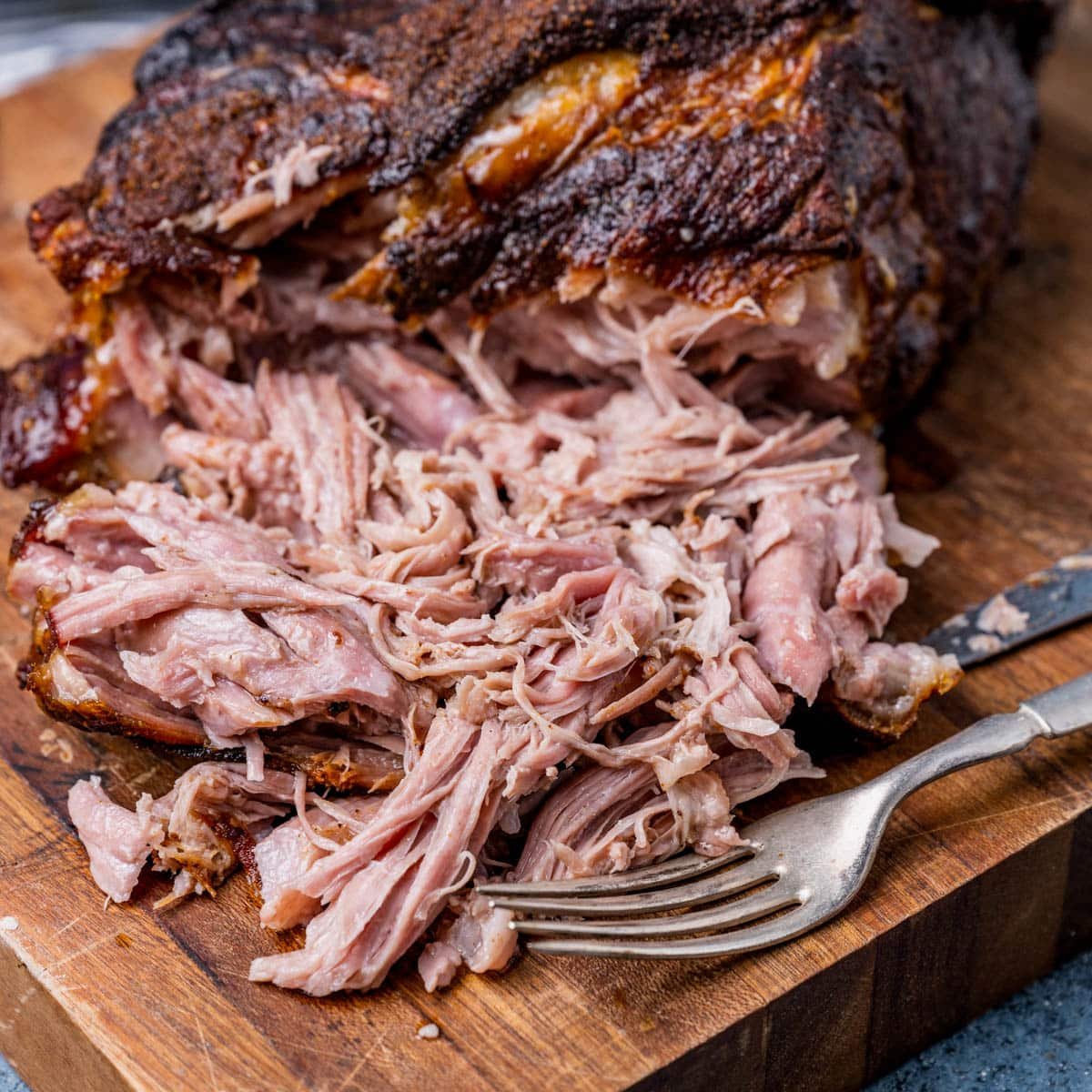
Understanding the Boston Butt: A Culinary Journey for Travelers
Before we even consider cooking times, it’s crucial to understand what a Boston Butt is and why it holds such a revered place in regional cuisines. For the uninitiated, the name can be misleading; it doesn’t come from the rear of the hog. Instead, it’s a specific cut from the upper part of the pig’s shoulder, encompassing parts of the blade bone, shoulder blade, and surrounding muscle. Rich in marbling and connective tissue, it’s perfectly designed for slow cooking methods that break down these elements, resulting in unparalleled tenderness and flavor.
What Exactly is a Boston Butt?
The term “butt” actually derives from the barrels, or “butts,” that pork was traditionally packed into for storage and transport in pre-Revolutionary New England. The less desirable cuts of pork, often from the shoulder, were packed into these barrels, and the name stuck. Today, the Boston Butt (also known as pork shoulder or pork butt) typically weighs between 6 and 10 pounds and is a highly versatile cut, ideal not just for pulled pork but also for slow-roasted pork, carnitas, and more. Its bone-in nature (though boneless versions are available) adds an extra layer of flavor and helps retain moisture during the long cooking process. For travelers exploring the culinary landscape, encountering this dish in its authentic form, often prepared in a traditional smoker, is a highlight of any trip through the South.
The Cultural Significance in American Cuisine
The Boston Butt is more than just a piece of meat; it’s a cornerstone of Southern hospitality and a testament to the regional diversity of American BBQ. Each state or even city boasts its unique approach to preparing and saucing pulled pork. In North Carolina, for instance, you’ll find a clear distinction between Eastern-style BBQ, which uses a vinegar-based sauce, and Lexington-style (Piedmont), which often includes ketchup and other spices. South Carolina is famous for its mustard-based “Carolina Gold” sauce, while in Kansas City, a thick, sweet, and tangy tomato-based sauce reigns supreme.
For those interested in tourism focused on local culture and food, a road trip exploring these regional variations is an unforgettable experience. Imagine staying in a charming bed and breakfast in Charleston, South Carolina, after a day of sampling local BBQ, or unwinding at a boutique hotel in Austin, Texas, known for its smoky brisket and pulled pork. The social aspect of BBQ – often enjoyed at communal tables, outdoor festivals, or family gatherings – truly embodies a sense of community and relaxed enjoyment, characteristic of a particular lifestyle that embraces culinary traditions.
The Science of Slow Cooking: Mastering the Perfect Pulled Pork
The secret to a perfect Boston Butt lies in the “low and slow” cooking method. This isn’t a quick meal; it’s an investment of time that pays off handsomely in flavor and texture. Understanding the science behind this technique will not only help you achieve consistently delicious results but also deepen your appreciation for this culinary art form, whether you’re replicating it in an apartment kitchen or a fully-equipped villa during your travels.
Why Low and Slow is Key
The magic of “low and slow” cooking primarily revolves around the breakdown of collagen. The Boston Butt is a hardworking muscle group, meaning it’s packed with connective tissue, particularly collagen. When cooked quickly at high temperatures, this collagen contracts, making the meat tough and dry. However, when subjected to sustained low heat (typically between 225°F and 275°F / 107°C and 135°C) over many hours, the collagen slowly dissolves and converts into gelatin. This gelatin melts into the muscle fibers, lubricating them and making the meat incredibly moist, tender, and easy to shred. This process also allows intramuscular fat to render slowly, infusing the meat with rich flavor and keeping it juicy.
Furthermore, slow cooking fosters the development of a flavorful “bark” on the exterior of the pork. This dark, crusty, and incredibly tasty layer is formed through the Maillard reaction (a complex chemical reaction between amino acids and reducing sugars) and the effects of smoke (if using a smoker). For travelers on a culinary journey, the bark is often considered a prized component, signaling a well-executed BBQ masterpiece.
Temperature Targets and Internal Doneness
While external factors like the bark are important, the ultimate indicator of a perfectly cooked Boston Butt is its internal temperature and tenderness. The target temperature for shreddable pulled pork is generally between 195°F and 205°F (90°C and 96°C). At this range, the collagen has fully broken down, and the meat fibers are loose enough to be pulled apart effortlessly.
You’ll also encounter a phenomenon known as “the stall.” After several hours of cooking, the internal temperature of the pork may plateau, or even drop slightly, for a period of 2 to 6 hours. This is due to evaporative cooling as moisture from the surface of the meat evaporates and cools the surface, much like sweat cools the human body. Patience is paramount during the stall; do not increase the heat. Pushing through the stall is crucial for achieving that desired tenderness. Many pitmasters “wrap” the Boston Butt in foil or butcher paper during the stall to push through it faster and retain moisture, but an unwrapped butt will typically develop a thicker, more pronounced bark. Regardless of the method, reliable temperature monitoring with a good meat thermometer is indispensable for success.
How Long Does It Really Take? Factors Influencing Boston Butt Cook Time
The question of “how long to cook a Boston Butt?” doesn’t have a single, simple answer. It’s a nuanced inquiry dependent on several key variables. Experienced pitmasters often say, “it’s done when it’s done,” emphasizing that internal temperature and feel are more reliable indicators than strict adherence to a clock. However, general guidelines can help you plan your cooking schedule, whether you’re hosting a gathering at a resort or preparing a meal in your temporary accommodation.
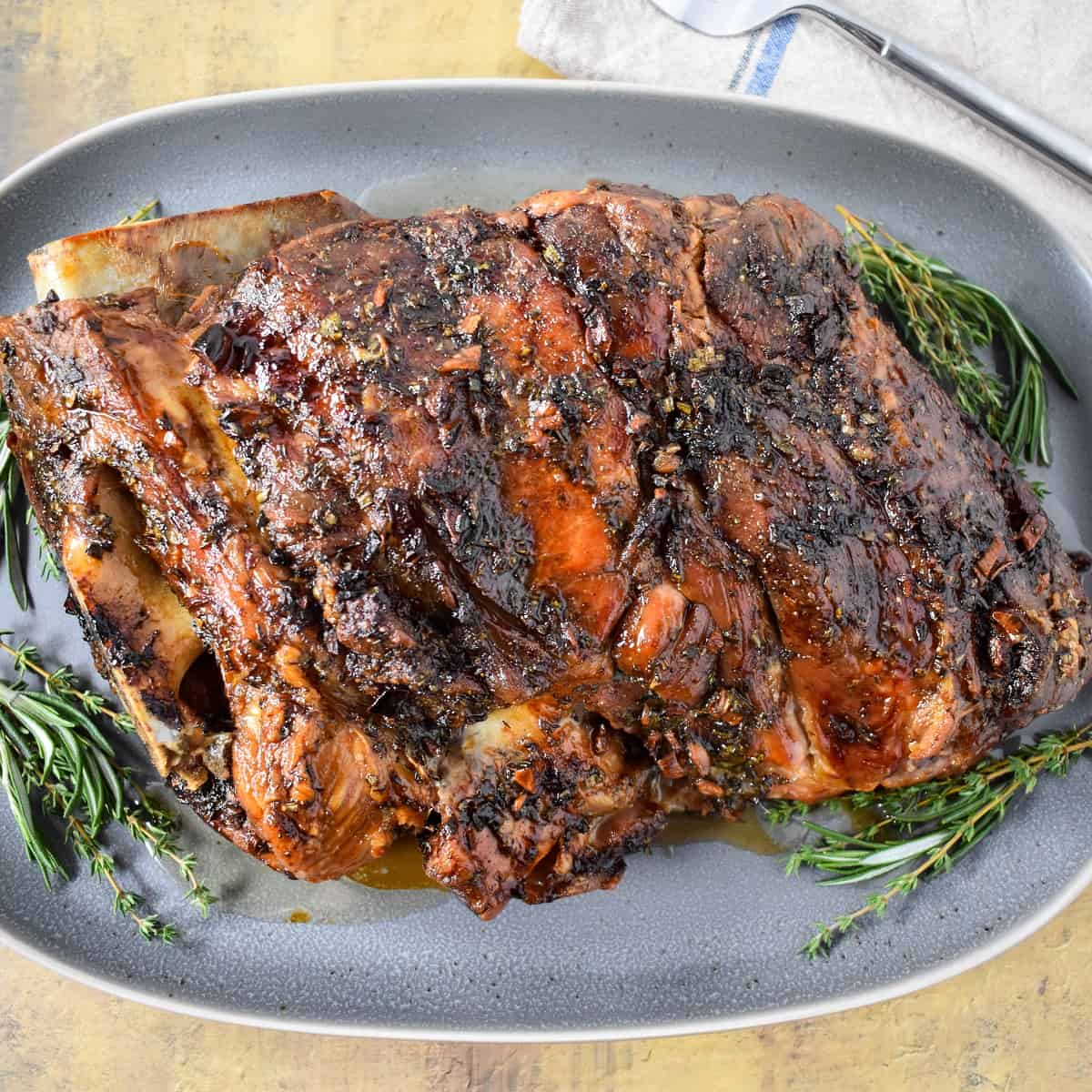
Weight and Bone-In vs. Boneless
The weight of your Boston Butt is the primary factor influencing cooking time. Larger cuts naturally require more time for the heat to penetrate to the core and for the collagen to fully convert. As a general rule of thumb, when cooking at a consistent low temperature (e.g., 250°F / 121°C), you can estimate approximately 1.5 to 2 hours per pound. So, a 7-pound Boston Butt might take 10.5 to 14 hours, while a 10-pound cut could take 15 to 20 hours.
The presence of a bone also plays a role. Bone-in butts often take slightly longer to cook than boneless cuts of the same weight, as the bone itself can slightly impede heat transfer. However, many argue that the bone adds significant flavor and moisture, making the extra time worthwhile. Furthermore, a properly cooked bone-in Boston Butt will have the bone wiggle free with almost no resistance, serving as another excellent indicator of doneness.
Cooking Method and Temperature
The method and temperature you choose will significantly impact the total cooking time:
- Smoker (225°F – 275°F / 107°C – 135°C): This is the traditional method, yielding the deepest smoke flavor and a pronounced bark. Cooking times are typically longer due to the lower temperatures, ranging from 1.5 to 2 hours per pound. Expect a 7-10 pound butt to take anywhere from 10 to 20 hours, sometimes longer depending on the stall and ambient conditions.
- Oven (250°F – 300°F / 121°C – 149°C): A more accessible option for many, an oven can produce excellent pulled pork, though it won’t have the smoky flavor unless a liquid smoke or smoked paprika rub is used. At 275°F (135°C), expect a similar 1.5 to 2 hours per pound. At 300°F (149°C), times might shorten slightly to 1.25 to 1.75 hours per pound.
- Slow Cooker / Crock-Pot (Low Setting): This method is incredibly convenient for hands-off cooking, especially for smaller butts (e.g., 3-5 pounds). On the “low” setting, a Boston Butt can take 6 to 10 hours, or 3-5 hours on “high.” While efficient, this method generally produces a less developed bark and a slightly different texture compared to smoking or oven roasting. It’s an excellent choice for a quick, comforting meal in an apartment or hotel kitchenette.
The “Done When It’s Done” Philosophy and Resting Time
Ultimately, flexibility is key. Have a good meat thermometer and use it frequently towards the end of the cook. The pork is truly “done” when it reaches the target internal temperature of 195°F-205°F (90°C-96°C) and, more importantly, when it’s fork-tender – meaning a fork or probe can be inserted and twisted with minimal resistance.
Once it reaches this point, the cooking isn’t quite over. A crucial, often overlooked step is the resting period. After removing the Boston Butt from the heat, wrap it tightly in foil (or butcher paper if you’re a purist) and let it rest for at least 1 to 2 hours at room temperature, or even longer in a cooler. This resting period allows the muscle fibers to relax and reabsorb the juices that have been pushed to the center during cooking, resulting in an even moister and more flavorful pulled pork. Skipping this step can lead to dry meat, even if it was cooked perfectly to temperature. Factor this into your overall planning, especially if you’re serving dinner at a specific time during your travels or at a special event.
Embracing the Boston Butt Experience: From Vacation Rentals to Culinary Tours
The journey of cooking a Boston Butt can be a highlight in itself, a testament to slow living and the rewards of patience. For those who incorporate culinary pursuits into their travel experiences, or for anyone seeking to deepen their appreciation for regional food, the Boston Butt offers a rich tapestry of flavors and traditions.
Cooking Your Own in a Vacation Rental or Villa
Imagine renting a charming villa in the South Carolina lowcountry or a cozy apartment with a well-appointed kitchen in Texas. These types of accommodation often provide an excellent opportunity to immerse yourself in local culture by attempting to cook regional dishes yourself. Sourcing a fresh Boston Butt from a local butcher, experimenting with regional rubs, and patiently slow-roasting it yourself can be an incredibly rewarding experience. It offers a different dimension to travel – one that goes beyond simply dining out, allowing for a deeper connection with the destination’s culinary heritage. This approach fits perfectly with a lifestyle that values experiential learning and hands-on engagement with new cultures.
Many modern hotels and resorts, particularly those offering suites or extended-stay options, come equipped with kitchenettes or full kitchens, empowering guests to explore their culinary interests while away from home. While a traditional smoker might be out of reach, an oven or slow cooker can still yield fantastic results, allowing you to enjoy homemade pulled pork after a day of exploring local attractions or landmarks.
Seeking Out the Best BBQ on Your Travels
For those who prefer to leave the cooking to the experts, embarking on a food tourism adventure to find the best pulled pork is an equally valid and delicious pursuit. Many destinations are famed for their BBQ, drawing visitors from all corners of the world. Cities like Kansas City, Memphis, and the small towns scattered across North Carolina are veritable pilgrimages for BBQ aficionados. Researching local eateries, reading reviews, and perhaps even joining a guided culinary tour can lead you to hidden gems and legendary smokehouses. This form of tourism offers insights into the heart of a community, revealing its history, values, and passions through its most iconic dishes. It’s an essential part of understanding the vibrant tapestry of American cuisine.

The Perfect Pairing: Sides and Sauces to Complete Your Meal
No pulled pork experience is complete without its traditional accompaniments. The beauty of BBQ often lies in the balance of flavors and textures provided by classic sides. Creamy coleslaw offers a refreshing counterpoint to the rich pork, while cornbread provides a hearty, slightly sweet complement. Baked beans, mac and cheese, and collard greens are other staples that vary by region, further showcasing the diversity of local culture.
And then there are the sauces. As mentioned, the type of sauce used is often a dead giveaway of the region you’re in. Whether you prefer the vinegary tang of Eastern North Carolina, the mustardy zest of South Carolina, the sweet and smoky profiles of Kansas City, or the spicy kick found in parts of Texas, the sauce elevates the pulled pork experience, tying it directly to its geographical origins. Trying different sauces, either homemade or from local BBQ joints, adds another layer to your culinary exploration.
In conclusion, understanding “how long to cook a Boston Butt” is not just about a timer; it’s about embracing a process, appreciating a cut of meat steeped in history, and engaging with a significant piece of American culinary heritage. Whether you’re carefully tending to a smoker in your backyard, experimenting in a vacation rental kitchen, or savoring a plate from a legendary BBQ joint on your travels, the result is a rewarding, flavorful experience that transcends the plate and connects you to local culture and the joy of shared food. So, next time you plan a trip or simply crave a taste of the South, remember the Boston Butt – a true testament to the power of low and slow.
LifeOutOfTheBox is a participant in the Amazon Services LLC Associates Program, an affiliate advertising program designed to provide a means for sites to earn advertising fees by advertising and linking to Amazon.com. Amazon, the Amazon logo, AmazonSupply, and the AmazonSupply logo are trademarks of Amazon.com, Inc. or its affiliates. As an Amazon Associate we earn affiliate commissions from qualifying purchases.