
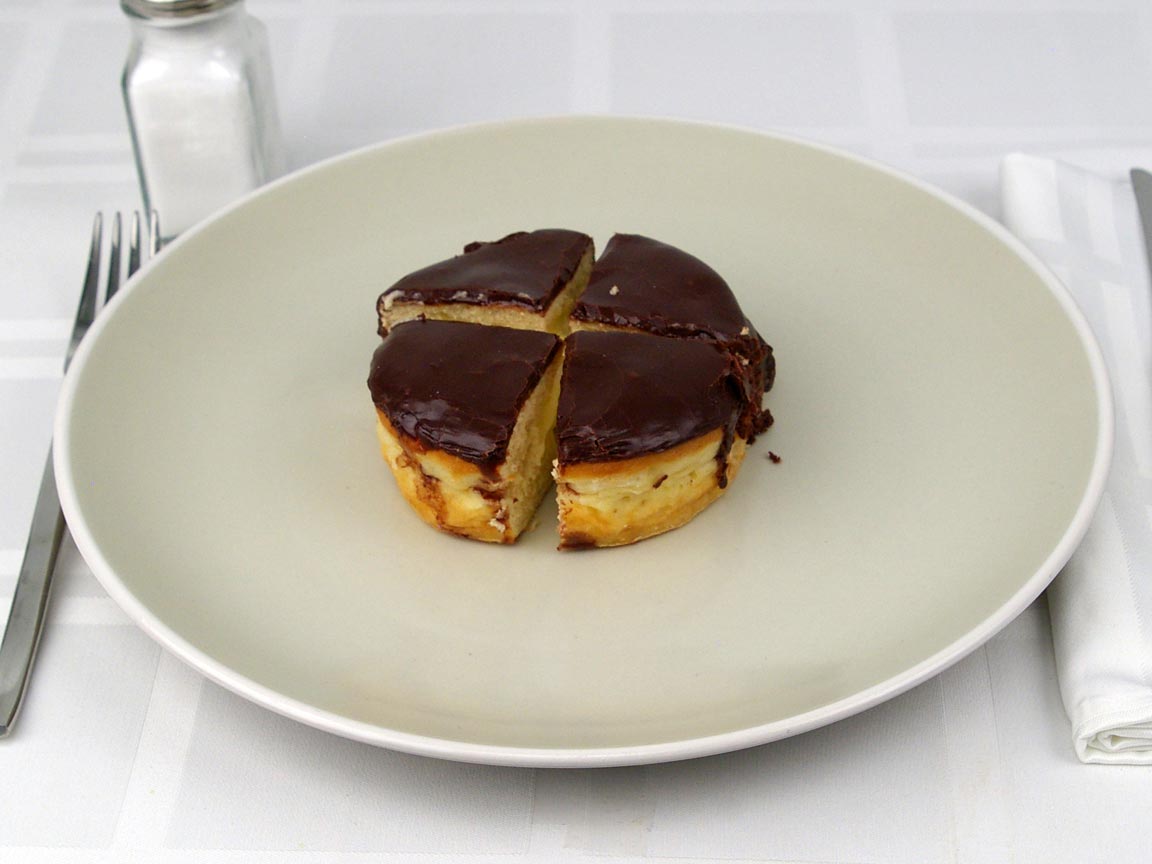
The mere mention of a Boston Cream Donut evokes a sense of indulgent delight. This iconic pastry, a staple of American bakeries, is a symphony of soft, pillowy yeast dough, rich vanilla custard filling, and a glossy chocolate ganache topping. It’s a treat that transcends a simple snack; it’s a cultural symbol, a piece of culinary history, and for many travelers, a must-try experience when visiting Boston, Massachusetts. But as with many of life’s delicious pleasures, a common question arises: “How many calories are in a Boston Cream Donut?”
While precise calorie counts can vary significantly based on size, ingredients, and preparation methods (whether it’s a gourmet version from a high-end patisserie or a mass-produced offering from a chain), a typical Boston Cream Donut from a standard bakery or chain can range anywhere from 300 to 450 calories. This includes substantial amounts of sugar, fat, and carbohydrates. For instance, a medium-sized Boston Cream Donut might contain around 350 calories, 15-20 grams of fat, 45-55 grams of carbohydrates, and 25-35 grams of sugar. These figures highlight that while undeniably delicious, the Boston Cream Donut is indeed a calorie-dense treat best enjoyed in moderation.

However, understanding the nutritional profile is only one facet of appreciating this beloved dessert. For those who embrace the “Life Out of the Box” philosophy, a Boston Cream Donut is more than just calories; it’s an experience, a connection to a destination’s culture, and an opportunity to explore a city through its flavors. This article will delve into the rich history of this pastry, explore how to enjoy it mindfully while traveling, and guide you through the vibrant culinary and travel landscape of Boston itself.
The Sweet Legacy: A Culinary Journey Through Boston’s History
The Boston Cream Donut didn’t just appear out of nowhere; it has a storied past deeply intertwined with the city of Boston. Its origins trace back to the mid-19th century at the renowned Omni Parker House in Boston, a landmark hotel that opened in 1855 and is considered the longest continuously operating hotel in the United States.
The Birthplace of a Classic: Omni Parker House
Initially, the pastry was known as the “Parker House Chocolate Cream Pie.” Legend has it that the hotel’s chef, in a moment of culinary innovation, decided to fill a sponge cake with cream and top it with chocolate frosting, creating what we now recognize as the Boston Cream Pie. It wasn’t until much later, with the popularization of fried dough, that the concept was adapted into donut form. The pie itself became the official dessert of Massachusetts in 1996, a testament to its enduring local significance.
The Omni Parker House isn’t just famous for its culinary contributions; it’s a historical gem. Presidents, literary figures like Charles Dickens and Ralph Waldo Emerson, and political giants have all walked its hallowed halls. Staying at the Omni Parker House offers more than just accommodation; it’s an immersive experience into Boston’s past, blending historical elegance with modern amenities. Guests can still savor the original Boston Cream Pie in the hotel’s restaurant, making it a pilgrimage for food historians and dessert enthusiasts alike. Exploring such a landmark hotel is a quintessential part of any travel itinerary focused on local culture and history.
Exploring Boston: A City of Culinary Delights and Historic Trails
Boston is a city that beautifully marries its rich historical tapestry with a vibrant, modern culinary scene. For travelers, it presents a perfect blend of educational exploration and gastronomic adventure. The Boston Cream Donut serves as a sweet ambassador, inviting visitors to discover the broader food landscape of this captivating New England metropolis.
Beyond the Donut: Boston’s Diverse Food Scene
While the Boston Cream Donut holds a special place, Boston’s food scene is incredibly diverse. The historic North End, for instance, is a haven for Italian food lovers, boasting an array of authentic trattorias, bakeries, and cafes. Here, you’ll find other legendary pastries like cannolis and sfogliatelles at places like Mike’s Pastry and Modern Pastry, where the competition for the best dessert is fierce and delicious. These establishments offer a fascinating glimpse into the city’s immigrant history and its lasting impact on local cuisine.
Beyond Italian fare, Boston is renowned for its fresh seafood. Clam chowder, lobster rolls, and oysters are ubiquitous and essential to the Bostonian dining experience. Consider visiting Legal Sea Foods for classic seafood dishes or exploring the bustling Boston Public Market for locally sourced produce, artisanal cheeses, and gourmet treats. Food tours are an excellent way to sample a variety of these local delicacies, often guided by experts who share insights into the city’s culinary traditions and hidden gems. These tours offer a comprehensive experience, allowing travelers to taste history and culture simultaneously.
Iconic Landmarks and Fueling Your Journey
A trip to Boston is incomplete without exploring its iconic landmarks. The Freedom Trail, a 2.5-mile red-lined path through downtown Boston, connects 16 historically significant sites, including the Massachusetts State House, Park Street Church, Granary Burying Ground, Faneuil Hall, the Old North Church, and the USS Constitution. Walking the Freedom Trail is a fantastic way to immerse yourself in American history and provides a great opportunity to burn off some of those donut calories.
Other notable landmarks include Beacon Hill with its charming gas-lit streets and federal-style rowhouses, the beautiful Boston Common and Public Garden, and the prestigious campuses of Harvard University and MIT just across the Charles River in Cambridge. Each of these sites offers unique attractions and opportunities for exploration. For art enthusiasts, the Museum of Fine Arts and the Isabella Stewart Gardner Museum provide world-class collections. Meanwhile, sports fans might consider catching a game at historic Fenway Park, home of the Boston Red Sox.
When planning your itinerary, consider the proximity of these landmarks to culinary hotspots. For example, after exploring Faneuil Hall and Quincy Market, you’re only a short stroll from the North End for a sweet treat or a hearty Italian meal. This strategic planning allows travelers to maximize their cultural and gastronomic experiences, ensuring that every step of their journey is both enriching and delicious.
Balancing Indulgence and Wellness on Your Travels
Travel is often synonymous with indulgence, and rightfully so. Sampling local delicacies like the Boston Cream Donut is a fundamental part of experiencing a new culture. However, maintaining a sense of balance between treating yourself and adhering to a healthy lifestyle is a common consideration for many travelers, especially those who appreciate the “Lifestyle” aspect of “Life Out of the Box.”
Mindful Eating Strategies Abroad
The key to enjoying calorie-dense treats without guilt lies in mindful eating and moderation. Instead of having a whole Boston Cream Donut every day, consider sharing one with a travel companion, or opting for a smaller version if available. Savor each bite, paying attention to the textures, flavors, and aromas. This approach not only enhances the enjoyment but also helps prevent overconsumption.
Furthermore, integrate healthier choices throughout your day. Start your morning with a nutritious breakfast, choose lighter options for lunch, and ensure you’re consuming plenty of fruits and vegetables. Boston’s numerous cafes and healthy eateries, especially around areas like Back Bay or the Seaport District, offer a plethora of options for fresh, wholesome meals. Look for local markets, like the Boston Public Market, where you can pick up healthy snacks.
Hydration is also crucial. Drinking plenty of water can help manage appetite and keep you feeling energized for your explorations. Remember, travel is an marathon, not a sprint, and sustainable enjoyment means paying attention to your body’s needs.
Active Exploration and Wellness Accommodation Options
One of the best ways to counterbalance culinary indulgences is through active exploration. Boston is an incredibly walkable city, and navigating its historic streets on foot is not only an enriching experience but also an excellent form of exercise. Walking the Freedom Trail, strolling through Boston Common, or even power-walking from your hotel to a museum can add up to significant physical activity.
For those seeking more structured wellness, many hotels and accommodations in Boston offer excellent fitness facilities, including well-equipped gyms, swimming pools, and even wellness programs. Hotels like the Hyatt Regency Boston, The Ritz-Carlton, Boston, or the [Four Seasons Hotel Boston](https://lifeoutofthebox.com/four- Seasons-hotel-boston) often provide state-of-the-art fitness centers, often with views overlooking the city or Boston Common. Some resorts or luxury hotels might even offer spa services, yoga classes, or guided fitness activities, allowing guests to maintain their routines or even enhance their wellness journey while away from home.
Consider staying in hotels that prioritize guest well-being. For example, many modern urban hotels are now equipped with amenities like Peloton bikes in rooms, healthy in-room dining menus, or partnerships with local fitness studios. Researching these options before booking your accommodation can significantly contribute to a balanced and enjoyable trip.
Beyond hotels, Boston offers numerous opportunities for outdoor activities. Rent a kayak or paddleboat on the Charles River Esplanade, go for a run along the waterfront, or cycle through the city’s dedicated bike paths. In warmer months, enjoying the city’s green spaces and coastal areas provides a refreshing break and a chance to stay active. Even simply navigating Logan International Airport can involve a fair bit of walking, preparing you for the explorations ahead!
Finding Authentic Boston Flavors: Where to Stay and Indulge
To truly appreciate the Boston Cream Donut and other local flavors, knowing where to find the best versions is essential. This ties directly into selecting the right accommodation and planning your itinerary around culinary experiences.
Top Bakeries and Patisseries for Your Donut Fix
While the Omni Parker House is the historical home of the Boston Cream Pie, several bakeries in Boston are celebrated for their take on the donut version. Union Square Donuts, with multiple locations, is highly acclaimed for its inventive and high-quality donuts, including an excellent Boston Cream variety. Their commitment to artisanal ingredients and creative flavors makes them a must-visit for any donut enthusiast.
Other notable spots include smaller, local bakeries throughout the city, particularly in neighborhoods like the North End or South End, where family recipes and traditional baking methods are often preserved. Exploring these independent establishments not only yields delicious treats but also supports local businesses and provides a more authentic cultural experience. Don’t be afraid to ask locals for their favorite spots; often, the best recommendations come from those who live and breathe the city’s culinary scene.

Recommended Accommodation for Foodies
Choosing your accommodation strategically can significantly enhance your culinary journey. For those focused on food, staying in neighborhoods known for their dining options is paramount.
- North End: While not abundant with large hotels, boutique accommodations or charming Airbnb rentals in the North End put you steps away from incredible Italian restaurants and bakeries. The immersion in this historic district is unparalleled.
- Downtown Crossing / Financial District: This central area offers excellent access to the Omni Parker House and is a short walk to the North End and Faneuil Hall. Hotels like the Hyatt Regency Boston or the Bostonian Boston provide convenient bases for both culinary and historical explorations.
- Back Bay: Known for its elegant brownstones, high-end shopping on Newbury Street, and sophisticated dining, Back Bay is home to luxury hotels such as The Fairmont Copley Plaza, Mandarin Oriental, Boston, and Four Seasons Hotel Boston. These offer not only exquisite dining experiences within their premises but also proximity to some of Boston’s finest restaurants and cafes.
- Seaport District: This modern, rapidly developing area boasts a contemporary vibe with trendy restaurants, bars, and excellent seafood establishments. Hotels like the Omni Boston Hotel at the Seaport or the Envoy Hotel, Autograph Collection offer stylish accommodations with easy access to a dynamic dining scene.
For those planning longer stays or seeking a more immersive local experience, considering an apartment rental through platforms like Airbnb or VRBO can provide access to local kitchens, allowing you to experiment with New England ingredients yourself. This “Accommodation” choice can be a significant part of the “Lifestyle” aspect of travel, offering a taste of local living.
In conclusion, while the question “How many calories are in a Boston Cream Donut?” provides a practical starting point, the true essence of this beloved pastry lies in its ability to connect us to the heart of Boston. It’s an invitation to explore a city rich in history, culture, and unforgettable flavors. By balancing mindful indulgence with active exploration and strategic accommodation choices, travelers can fully embrace the unique lifestyle and experiences that Boston offers, proving that sometimes, the sweetest memories are worth every single calorie.
LifeOutOfTheBox is a participant in the Amazon Services LLC Associates Program, an affiliate advertising program designed to provide a means for sites to earn advertising fees by advertising and linking to Amazon.com. Amazon, the Amazon logo, AmazonSupply, and the AmazonSupply logo are trademarks of Amazon.com, Inc. or its affiliates. As an Amazon Associate we earn affiliate commissions from qualifying purchases.