
In the vibrant tapestry of global travel, some of the most memorable experiences are woven not through grand architectural marvels or breathtaking natural wonders, but through the simple, profound pleasure of food. Culinary exploration offers a unique lens through which to understand local cultures, traditions, and the very heartbeat of a destination. For those with a taste for authentic American cuisine and a desire to delve into the heart of Southern hospitality, mastering the art of preparing a Boston Butt is an indispensable skill.
This isn’t merely a recipe; it’s an invitation to embark on a gastronomic journey, a slow-food philosophy that connects you to generations of pitmasters and backyard chefs who understand the magic of transforming a humble cut of pork into a succulent, melt-in-your-mouth masterpiece known as pulled pork. Whether you’re planning a family gathering, hosting friends, or simply seeking a deeply satisfying culinary project, preparing a Boston Butt offers a rich, rewarding experience that extends far beyond the plate, inviting a lifestyle of mindful enjoyment and shared pleasure.
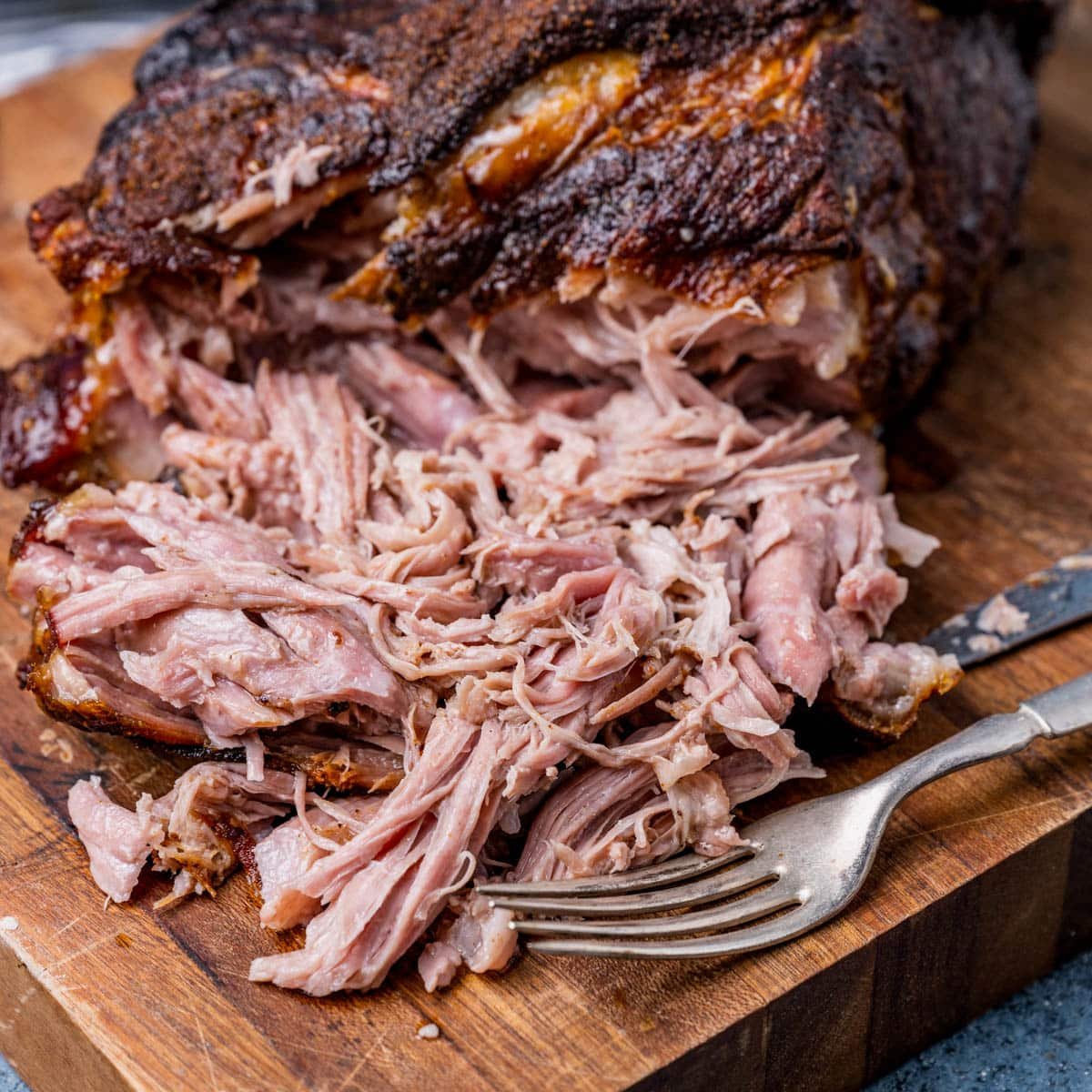
The Culinary Journey: Understanding the Boston Butt
The journey to creating exceptional pulled pork begins with appreciating its foundation: the Boston Butt. While its name might evoke images of the historic city of Boston, its culinary significance lies predominantly in the rich BBQ traditions of the American South. Understanding this cut is the first step in unlocking its incredible potential for flavor and tenderness, making it a cornerstone of food tourism and a must-try for any traveler seeking authentic regional tastes.
A Cut with a Story: Tracing Its Roots
The “Boston Butt” is actually a misnomer for what is anatomically the upper part of the pork shoulder, specifically the shoulder blade section. Its curious name is said to have originated in pre-Civil War New England, where butchers would pack less prized cuts of pork into barrels called “butts” for storage and transport. The shoulder portion, when packed this way, became known as the “Boston Butt.” Despite its New England origins, it found its true destiny in the slow-cooking traditions of the South, becoming synonymous with classic Southern BBQ.
This historical tidbit adds a layer of depth to the cooking experience. It’s not just about meat; it’s about a piece of history, a cut that traveled and transformed, embodying the spirit of adaptation and regional identity. When you prepare a Boston Butt, you’re engaging with a legacy that speaks of resilience, community, and the enduring power of good food to bring people together. It’s a tangible link to a bygone era, served up on your plate.
Why This Cut is a Traveler’s Delight
For the culinary traveler, the Boston Butt represents an opportunity to truly immerse oneself in the flavors of a destination without even leaving home. It’s a celebration of low and slow cooking, a method that respects the meat and allows time to work its magic. This particular cut is generously marbled with fat and connective tissue, which, through extended cooking at low temperatures, breaks down into gelatin, infusing the meat with moisture and unparalleled tenderness. This transformation is what makes it ideal for pulled pork – meat so tender it can be effortlessly shredded with a fork, ready to soak up savory sauces and create a symphony of flavors.
Beyond its culinary attributes, the Boston Butt is inherently tied to a lifestyle of gathering and celebration. It’s the centerpiece of backyard barbecues, family reunions, and community festivals across the American South. Recreating this dish at home isn’t just about feeding your family; it’s about channeling the warmth of Southern hospitality, creating an experience that evokes the laid-back charm of a roadside BBQ joint in Memphis or a bustling culinary festival in Austin. It’s a way to bring a piece of your travel experiences home, sharing the joy and deliciousness with loved ones.
Embarking on the Flavor Expedition: Essential Preparation
Preparing a Boston Butt is less about rigid adherence to a recipe and more about understanding principles and intuition – much like navigating an unfamiliar city. The initial steps of selection, seasoning, and trimming are crucial for setting the stage for a truly remarkable meal. These preparatory phases are where you begin to infuse your personal touch and set the trajectory for a flavor expedition that will delight the senses.
Sourcing Your Culinary Canvas: What to Look For
Just as a traveler seeks out the best local markets, selecting the right Boston Butt is paramount. Look for a bone-in pork shoulder, typically weighing between 7 to 10 pounds. The bone acts as a natural thermometer and imparts additional flavor during the long cook. The meat should be a vibrant reddish-pink, with a good amount of marbling – streaks of fat intertwined within the muscle. This intramuscular fat is key to keeping the meat moist and tender during the extended cooking process. A thick layer of fat cap on one side is also desirable, as it will render down, basting the meat and adding richness.
When choosing your cut, consider it your culinary canvas. A high-quality piece of meat from a reputable butcher or grocery store will provide the best foundation for your BBQ masterpiece. For those living outside traditional BBQ regions, seeking out heritage breed pork or local farm-raised options can elevate the experience even further, connecting you to sustainable practices and artisanal producers.
Crafting the Perfect Rub: A Taste of the South
The dry rub is the soul of pulled pork, a fragrant blend of spices that penetrates the meat, creating a flavorful crust (the “bark”) and infusing every fiber with aromatic goodness. This is where regional variations truly shine, allowing you to tailor your Boston Butt to reflect the diverse BBQ landscapes of the American South.
- Carolina Style: Often leans towards a simpler blend of salt, pepper, and a touch of cayenne or paprika, allowing the pork flavor and accompanying vinegar-based sauces to dominate.
- Kansas City Style: Tends to be sweeter and spicier, incorporating brown sugar, paprika, chili powder, and garlic powder, creating a rich, caramelized bark.
- Texas Style: Frequently focuses on a robust, savory blend of coarse salt and black pepper, sometimes with a hint of garlic or onion powder, letting the smoke and beefy flavor shine (though less common for pork, it influences some rubs).
Experimenting with different rubs is like exploring distinct culinary traditions. You can craft your own signature blend, or start with a base of paprika, brown sugar, salt, black pepper, garlic powder, onion powder, and a touch of cayenne for heat. Liberally apply the rub to all surfaces of the pork shoulder, massaging it in to ensure maximum flavor penetration. For best results, allow the rubbed butt to rest, uncovered, in the refrigerator for at least 8 hours, or ideally overnight. This “dry brining” process helps the rub adhere and enhances the meat’s ability to retain moisture.
The Art of the Initial Trim: Setting the Stage
Before applying your rub, a quick trim of the Boston Butt is often beneficial. While some fat is essential for moisture and flavor, excessively thick areas of the fat cap can prevent the rub and smoke from reaching the meat, and may not fully render during cooking, resulting in rubbery texture. Use a sharp knife to trim the fat cap down to about 1/4 to 1/2 inch thickness. Also, remove any silver skin or tough membrane that might be present, as these can also prevent the rub from adhering and become chewy after cooking.
This trimming process is akin to preparing your luggage before a big trip – streamlining and optimizing for a smooth journey. It ensures that every part of your Boston Butt is ready to absorb flavor and transform into tender perfection, paving the way for a truly memorable meal.
The Slow Travel Method: Smoking and Roasting
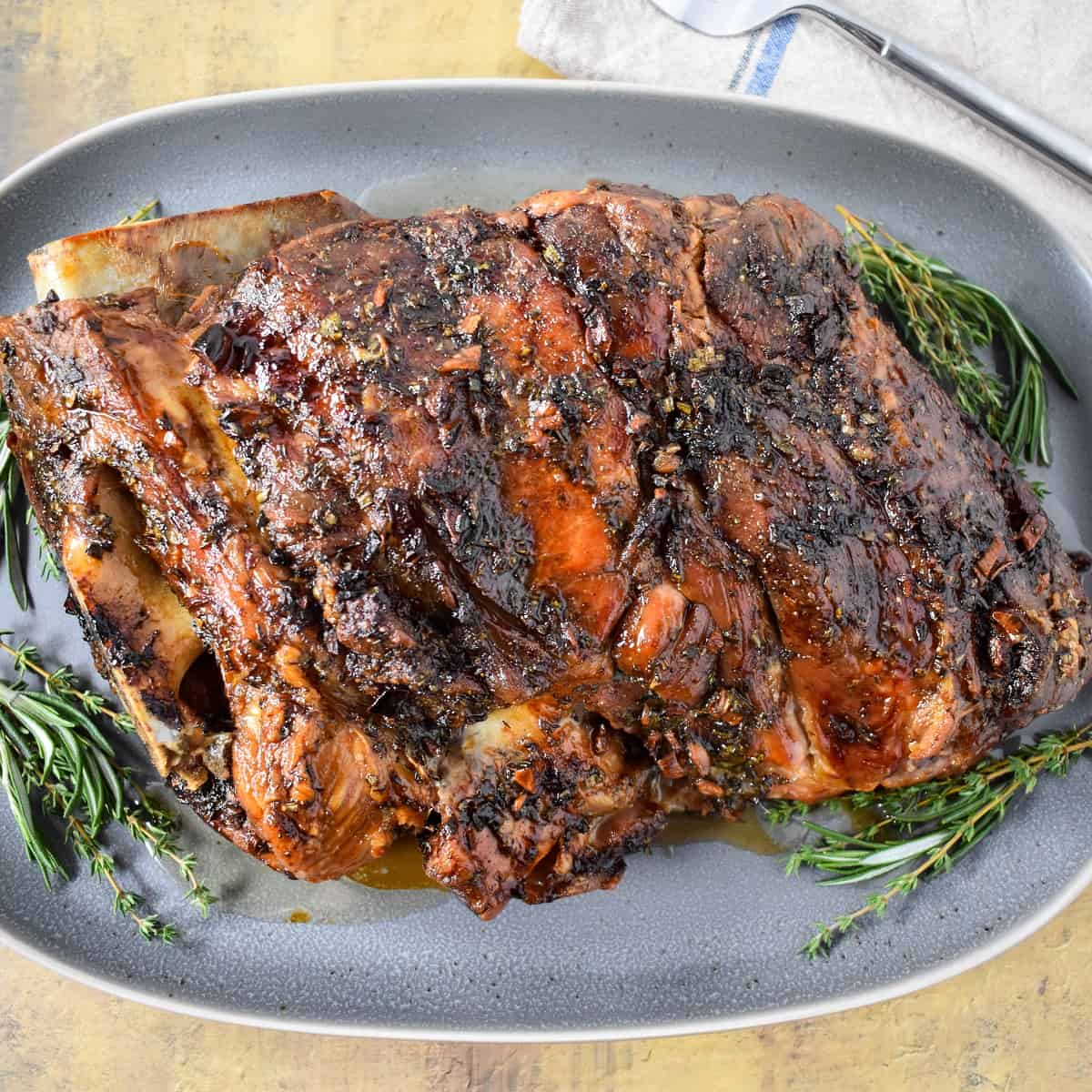
The heart of preparing a Boston Butt lies in the patient, extended cooking process. This is the “slow travel” aspect of your culinary adventure, where time is an ingredient, and anticipation builds with every passing hour. Whether you choose to smoke it for an authentic BBQ experience or roast it in an oven, the commitment to low and slow temperatures is non-negotiable for achieving that coveted tender, shreddable texture.
The Journey of Smoke: Embracing Low & Slow
Smoking is the preferred method for many BBQ aficionados, as it imparts an incomparable depth of flavor. This journey typically spans 8 to 16 hours, depending on the size of the butt and the consistency of your smoker’s temperature, typically maintained between 225°F (107°C) and 275°F (135°C). The type of wood you choose also influences the flavor profile, adding another layer to your culinary expedition.
- Hickory: A classic choice in the South, providing a strong, smoky bacon-like flavor.
- Oak: Popular in Texas, offering a medium-strong, earthy smoke that pairs well with pork.
- Apple or Cherry: Milder, fruitier smoke, often preferred for a subtly sweet and aromatic result.
Place your rubbed Boston Butt directly on the smoker grate. Maintain consistent temperature, adding wood chunks or chips as needed to produce a clean, thin blue smoke. Avoid thick white smoke, which can lead to a bitter flavor. This process demands patience and attention, but the reward — a deeply smoky, incredibly tender pork shoulder with a beautiful, dark “bark” — is immensely satisfying, much like reaching a remote, breathtaking destination after a long journey.
Oven Roasting for the Urban Explorer
For those without a smoker, or living in an apartment where outdoor smoking isn’t feasible, a conventional oven can still produce excellent pulled pork. While it won’t have the smoky depth, it will still yield a succulent, fall-apart tender result. Preheat your oven to a low temperature, typically 275°F (135°C). Place the rubbed Boston Butt in a large roasting pan, fat-side up. You can add a small amount of liquid, like apple juice or chicken broth, to the bottom of the pan to help maintain moisture.
Cover the pan tightly with foil to create a moist, steamy environment, effectively braising the pork. Cook for approximately 8-12 hours, or until the internal temperature reaches the desired range. While it lacks the traditional smoke ring, this method is accessible and reliable, making it perfect for the urban explorer seeking to bring the flavors of the American South into their kitchen.
The Stall and the Wrap: Navigating the Culinary Terrain
During the long cooking process, you’ll encounter a phenomenon known as “the stall.” This is when the internal temperature of the pork, after steadily rising, suddenly plateaus for several hours, sometimes even dropping slightly. This occurs due to evaporative cooling as moisture from the meat escapes and cools the surface. It’s a common, and often frustrating, part of the low-and-slow journey.
To push through the stall and accelerate the cooking, many pitmasters employ the “Texas Crutch.” This involves wrapping the pork tightly in butcher paper or aluminum foil once the internal temperature reaches around 150-165°F (65-74°C). The wrap traps moisture and heat, allowing the temperature to climb more quickly. It also helps to preserve moisture and tenderize the bark. After wrapping, return the butt to the smoker or oven and continue cooking until it reaches an internal temperature of 195-205°F (90-96°C). This final temperature range ensures the connective tissues have completely broken down, resulting in maximum tenderness.
The Grand Finale: Shredding and Serving Your Masterpiece
After hours of patient cooking, the final stages of preparing your Boston Butt are perhaps the most rewarding. This is the grand finale, where all your efforts culminate in a dish that is not only delicious but also a testament to your culinary journey. The process of resting, shredding, and serving transforms the cooked pork into an unforgettable feast, deeply rooted in the traditions of Southern hospitality.
The Moment of Truth: Rest, Pull, and Revel
Once your Boston Butt reaches its target internal temperature, the journey isn’t quite over. Just like weary travelers need to rest after a long trip, your pork needs time to relax. Remove it from the smoker or oven and, if it was unwrapped, wrap it loosely in foil or butcher paper. Place it in a cooler (without ice) or a warm oven (turned off) and let it rest for at least 1-2 hours, or even up to 4 hours. This resting period allows the muscle fibers to relax and reabsorb the juices, ensuring a moist and flavorful result. Skipping this crucial step can lead to dry pork, despite hours of careful cooking.
After resting, it’s time for the moment of truth: pulling the pork. The meat should be incredibly tender, easily shredding apart with a twist of the bone or a pair of meat claws (or even just two forks). Discard any large pieces of unrendered fat or connective tissue. As you pull, you’ll be left with piles of succulent, steam-rising pork, ready to be seasoned to perfection. This act of pulling is satisfyingly tactile, a primal connection to the food you’ve lovingly prepared.
Regional Pairings: Completing Your Culinary Tour
Pulled pork is versatile, but truly shines when paired with traditional BBQ sauces that reflect the diverse regional styles of the American South. Completing your culinary tour involves choosing the right accompaniment to enhance your masterpiece.
- Carolina Vinegar Sauce: Often found in the Carolinas, this tangy, thin sauce, typically made with vinegar, red pepper flakes, and a touch of sugar, cuts through the richness of the pork beautifully.
- Kansas City Sweet Sauce: A thicker, sweeter, and more robust tomato-based sauce with molasses, brown sugar, and various spices, embodying the rich flavors of Kansas City BBQ.
- Texas Style: Often features simpler sauces, sometimes thin and savory, focusing on chili powder, cumin, and a hint of beef broth, or no sauce at all, letting the smoked meat speak for itself.
Serve your pulled pork on soft buns or as a main dish alongside classic BBQ sides: creamy coleslaw, tangy potato salad, sweet cornbread, and baked beans. These pairings are more than just side dishes; they are integral parts of the Southern BBQ experience, each contributing to a harmonious and deeply satisfying meal.
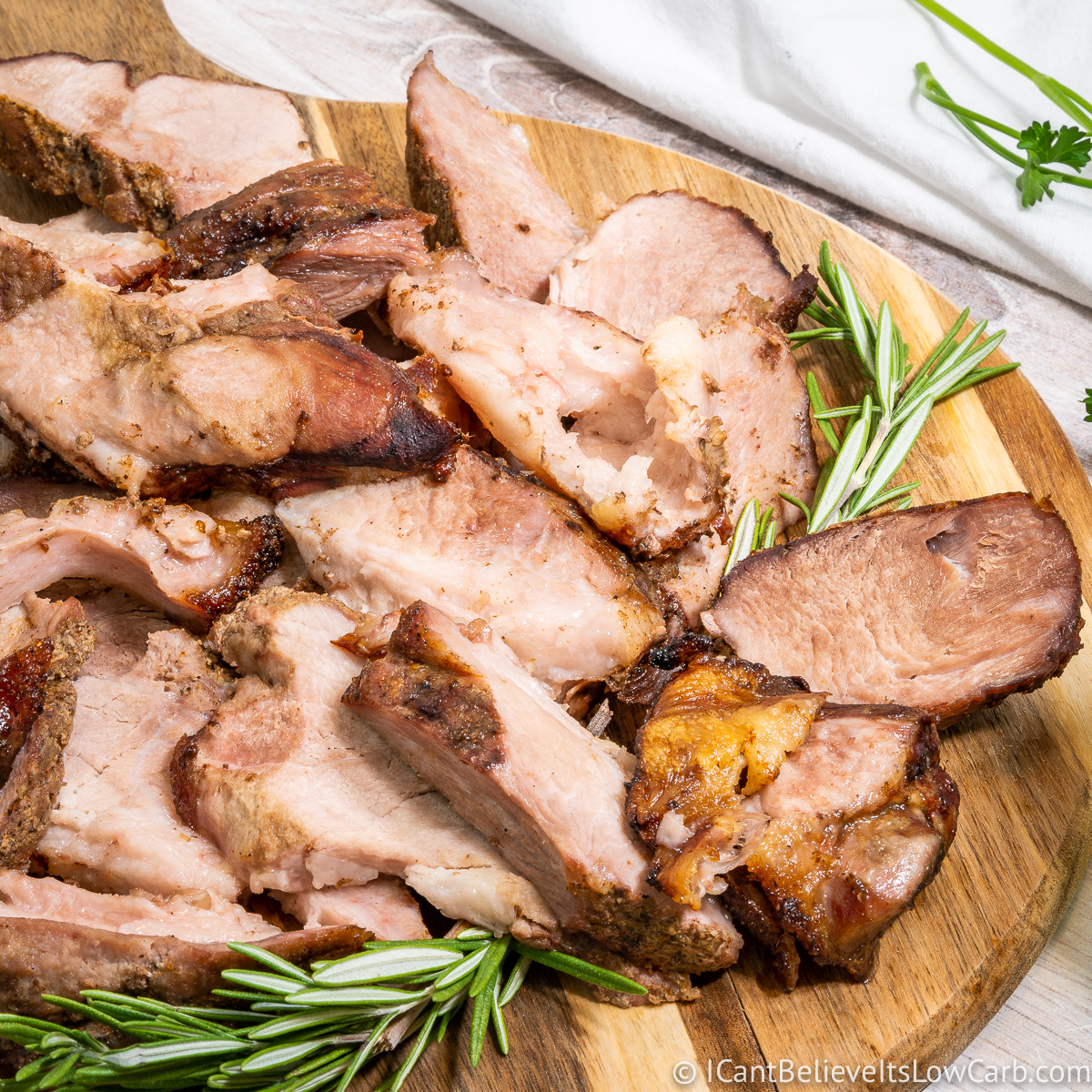
Bringing the Southern Feast Home: Lifestyle and Gatherings
Preparing a Boston Butt and sharing it with others is more than just cooking; it’s an embodiment of a cherished lifestyle. It’s about creating an atmosphere of warmth, abundance, and casual elegance that defines Southern hospitality. This dish is perfect for family trips, outdoor gatherings, game days, or simply a relaxed weekend feast. The process, while long, is often enjoyed as part of the event itself, with the smoker becoming a focal point of conversation and camaraderie.
By mastering the art of the Boston Butt, you bring a piece of culinary travel and local culture directly into your home. You’re not just serving food; you’re serving an experience, a story, and a connection to a rich American tradition. It’s an exercise in patience, a celebration of flavor, and a powerful way to gather people and create lasting memories.
In conclusion, preparing a Boston Butt is truly a journey – from understanding its origins and selecting the perfect cut, to patiently coaxing out its incredible flavors through low and slow cooking, and finally, savoring it with loved ones. It’s a profound culinary experience that resonates with the spirit of travel, exploration, and the enjoyment of life’s simple, delicious pleasures. So, embark on this delicious adventure, and let the aroma of authentic American BBQ fill your home, transporting you to the heart of the South, one tender shred at a time.
LifeOutOfTheBox is a participant in the Amazon Services LLC Associates Program, an affiliate advertising program designed to provide a means for sites to earn advertising fees by advertising and linking to Amazon.com. Amazon, the Amazon logo, AmazonSupply, and the AmazonSupply logo are trademarks of Amazon.com, Inc. or its affiliates. As an Amazon Associate we earn affiliate commissions from qualifying purchases.