
The question of whether Boston University is a public or private institution is a common one, often pondered by prospective students, their families, and even visitors simply exploring the vibrant city of Boston. In a landscape dotted with numerous esteemed colleges and universities, understanding this distinction is crucial, not just for academic considerations but also for appreciating its unique place in the urban fabric and its implications for tourism, accommodation, and the overall lifestyle it fosters.
The definitive answer is that Boston University is a private research university. This status profoundly shapes its operational structure, funding, academic offerings, and its interaction with the city of Boston. For anyone looking to travel to, visit, or even consider long-term stays in the area, understanding this foundational characteristic provides valuable context. It influences everything from tuition costs and endowment management to the very atmosphere of its campus, nestled along the picturesque Charles River in the heart of one of America’s most historic cities.

Unveiling Boston University’s True Identity
The core of Boston University’s identity lies in its private, non-profit status. This is a fundamental characteristic that distinguishes it from state-funded institutions and impacts virtually every aspect of its existence, from its academic mission to its financial model.
The Definitive Answer: A Private Powerhouse
As a private institution, Boston University does not receive primary funding from the state of Massachusetts or the federal government of the United States in the same way public universities do. Instead, its financial health relies heavily on tuition fees, significant endowments, philanthropic donations from alumni and supporters, research grants, and other private revenue streams. This financial independence grants the university a greater degree of autonomy in its governance, curriculum development, admissions policies, and strategic planning.
For students, this often translates into higher tuition fees compared to in-state public universities, though significant financial aid and scholarships are typically available to make it accessible to a diverse student body. The private model also allows for greater flexibility in maintaining lower student-to-faculty ratios, investing in cutting-edge research facilities, and fostering specialized programs that might not be feasible under public funding constraints. It cultivates an environment where academic freedom and innovation are paramount, attracting world-renowned faculty and ambitious students from across the globe. This focus on distinct academic excellence and robust resources contributes to the university’s global reputation, a key draw for international students and scholars, further solidifying Boston’s standing as a premier educational destination.
A Legacy of Independence and Excellence
The history of Boston University is rooted in private initiative. Founded in 1839 as the Newbury Biblical Institute in Newbury, Vermont, it moved to Boston in 1867 and was chartered as Boston University in 1869. From its inception, it was established as an independent institution, driven by a mission to provide comprehensive education without state control. This independence allowed it to be a pioneer in many respects, including being one of the first universities in the United States to admit women and to offer graduate-level education to women.
Over its long and distinguished history, this private status has enabled Boston University to evolve into one of the largest private universities in the nation, boasting a sprawling urban campus and a diverse array of undergraduate and graduate programs across its 17 schools and colleges. Its commitment to research, global engagement, and community service has been consistently supported by its independent governance, fostering a culture of academic rigor and societal impact that defines its brand of excellence. For visitors and potential long-term residents, this historical context highlights the deep roots and enduring influence of the university within the city, making it a significant landmark and cultural hub.
Boston University’s Place in the Heart of Boston
Boston University’s campus isn’t just in Boston; it’s woven into the very fabric of the city. Its urban location offers a unique blend of traditional university life with the unparalleled advantages of a major metropolitan area, creating a vibrant ecosystem for students, faculty, alumni, and countless visitors.
Campus Life and Urban Integration
Stretching for over a mile along Commonwealth Avenue and bordering the scenic Charles River, the Boston University campus is a seamless extension of the city itself. Unlike many secluded college campuses, BU’s architecture and activity flow directly into the surrounding neighborhoods, making it an integral part of Boston’s dynamic landscape. Students, faculty, and visitors alike benefit from immediate access to the city’s extensive public transportation system, the MBTA (colloquially known as the “T”), which runs directly through the campus. This accessibility opens up endless possibilities for exploring Boston and its myriad attractions, blending academic pursuits with rich cultural and recreational experiences.
The campus itself is a destination, boasting impressive academic buildings, state-of-the-art research facilities, bustling student centers, and historic residence halls. The John Hancock Student Village, for instance, is a hub of activity, featuring athletic facilities and performance venues. Walking through campus offers glimpses of student life, architectural diversity, and the ever-present energy of a world-class institution. For those interested in urban planning, architecture, or simply a stroll along the Charles River Esplanade, the campus area provides a fascinating experience that ties into the broader themes of travel and exploration. Local eateries, cafes, and shops catering to the student population also add to the lively atmosphere, offering a taste of local culture and cuisine for tourists and campus visitors.
Experiencing Boston: Beyond the Classroom
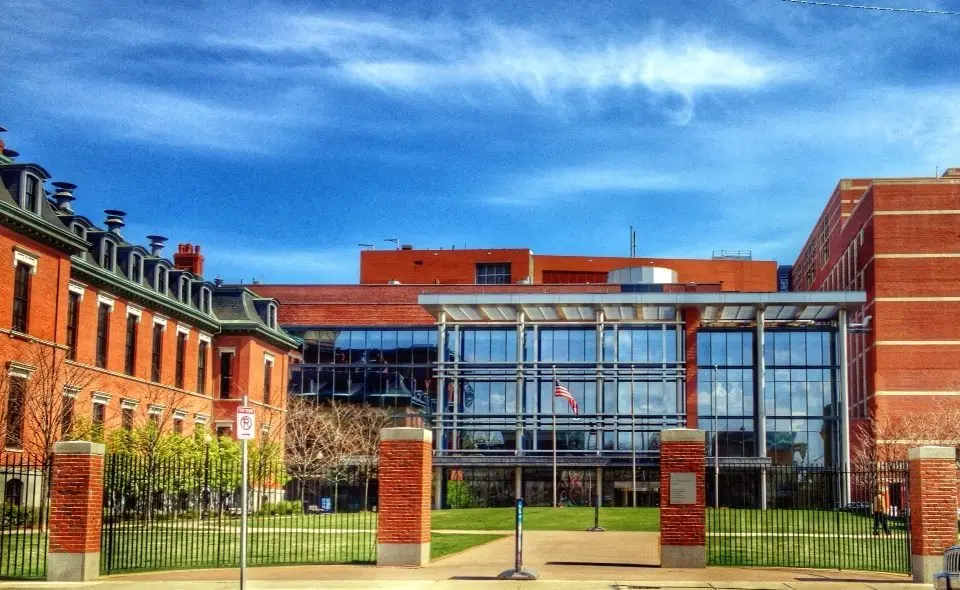
The strategic location of Boston University means that students and visitors are merely steps or a short MBTA ride away from some of Boston’s most iconic landmarks and attractions. This integration offers an unparalleled lifestyle, whether you’re a long-term resident or a tourist enjoying a weekend getaway.
Sports enthusiasts can easily catch a Boston Red Sox game at historic Fenway Park, which is practically in BU’s backyard. Art lovers can immerse themselves in masterpieces at the renowned Museum of Fine Arts or explore contemporary exhibits at the Isabella Stewart Gardner Museum, both a short distance from campus. History buffs have a treasure trove of sites within easy reach. A journey along the Freedom Trail offers a walking tour through pivotal moments of American history, connecting sites like the Old North Church, Paul Revere House, and Faneuil Hall Marketplace.
For those seeking leisure and natural beauty, the sprawling green spaces of Boston Common and the adjacent Public Garden provide serene escapes in the heart of the city. The elegant streets of Beacon Hill and the upscale boutiques of Newbury Street in Back Bay offer distinct experiences for shopping, dining, and architectural appreciation. The vibrant culinary scene, from traditional New England seafood to international gourmet, ensures that every palate is catered to. Visiting Boston University isn’t just about seeing a campus; it’s an invitation to experience the rich tapestry of history, culture, and modern urban life that Boston so famously offers. This makes a trip to BU a compelling addition to any Boston travel itinerary, whether for prospective students or general tourists.
Planning Your Visit to Boston University and Beyond
For anyone considering a trip to Boston University – be it for an admissions tour, an alumni event, a conference, or simply to explore the campus as part of a broader Boston itinerary – planning your accommodation and travel logistics is key to maximizing your experience. The city offers an extensive range of options suitable for every preference and budget, seamlessly aligning with the various themes of travel, hotels, and accommodation.
Accommodation Options for Every Lifestyle
Given Boston University’s central location, visitors have a wealth of accommodation choices. Whether you’re seeking luxury, boutique charm, or budget-friendly convenience, Boston caters to all.
For those desiring proximity to campus and an upscale experience, hotels in the Kenmore Square and Fenway areas are ideal. The Hotel Commonwealth, often celebrated for its elegant rooms and prime location just steps from Fenway Park and a short walk to BU, offers a refined stay. Its luxury amenities and exceptional service make it perfect for those on a business trip or a family looking for a premium experience. Further into Back Bay and Copley Square, esteemed establishments such as the Fairmont Copley Plaza or the Boston Marriott Copley Place provide sophisticated settings, often with stunning city views and easy access to shopping on Newbury Street and cultural attractions. These hotels cater to a luxury lifestyle, providing an indulgent base from which to explore the city.
If your travel style leans towards history and classic elegance, the iconic Omni Parker House near Boston Common offers a journey back in time, boasting a rich heritage and central location perfect for exploring the Freedom Trail and Beacon Hill. For a more contemporary and perhaps budget-conscious approach, numerous reputable mid-range hotels and boutique options can be found throughout downtown Boston and the waterfront districts. Additionally, the rise of serviced apartments and vacation rentals provides excellent alternatives for longer stays, families, or groups, offering kitchen facilities and a more home-like environment. Reviews and comparison websites are invaluable tools for finding the perfect accommodation that balances amenities, location, and price, ensuring your visit is comfortable and convenient, regardless of whether you’re a luxury traveler or on a budget.
Navigating Boston: Travel Tips and Experiences
Getting to and around Boston is remarkably straightforward. Logan International Airport (BOS) serves as the primary gateway, offering numerous transportation links to the city center, including water taxis, shuttle buses, and direct MBTA connections. Once in the city, the MBTA subway, bus, and commuter rail system is your best friend for navigating beyond walking distance. The Green Line of the MBTA runs directly along Commonwealth Avenue, with multiple stops right on the Boston University campus, making it incredibly easy to access from almost anywhere in Boston.
Walking is also a quintessential Boston experience, particularly for exploring neighborhoods like Beacon Hill, Back Bay, and the historic waterfront. The city is highly walkable, and many of its major attractions are clustered, allowing for leisurely exploration on foot. Beyond major landmarks, delving into local culture means exploring diverse neighborhoods like the North End for authentic Italian cuisine or the Seaport District for modern dining and waterfront views. Consider purchasing a multi-day MBTA pass if you plan extensive travel, or utilize ride-sharing services for convenience, particularly during off-peak hours. Whether you’re planning a family trip to explore historical sites, a business stay for a conference, or a solo adventure through the city’s vibrant arts scene, Boston offers an accessible and enriching travel experience that perfectly complements a visit to Boston University.

The Private Advantage: What It Means for Your Journey
The private status of Boston University is not merely an administrative detail; it translates into a distinct set of advantages and characteristics that shape both the academic experience for its students and the overall impression for visitors. This “private advantage” significantly influences the institution’s offerings, its global outlook, and its impact on the urban environment of Boston.
One of the most significant aspects of being a private university is the greater control over resources and strategic direction. Boston University can often invest more heavily in specialized programs, state-of-the-art facilities, and faculty recruitment without being directly tied to state budgetary cycles. This translates into a diverse array of academic programs that might not be available at public institutions, ranging from highly focused research centers to innovative interdisciplinary studies. For prospective students, this means a wider choice of cutting-edge fields and access to world-class experts, which can be a decisive factor in their educational journey and future career path.
The private model also typically supports a more robust global presence. Boston University boasts a strong international reach, with extensive study abroad programs and a highly diverse international student body. This global perspective enriches the campus environment, fostering a dynamic and inclusive community. For visitors, this means encountering a vibrant multicultural hub, where different languages and traditions converge, adding another layer to the already rich cultural tapestry of Boston. Alumni networks, often meticulously cultivated by private universities, are also incredibly powerful. Boston University’s global alumni base provides invaluable connections for graduates entering the workforce and can be a source of mentorship and professional opportunities, representing a significant return on the investment in a private education.
Furthermore, the private status allows for a more personalized educational experience. While Boston University is large, its structure often enables smaller class sizes in certain departments and more individualized attention from faculty, which can be a key differentiator for students seeking a close-knit academic environment within a large university setting. This commitment to student success and academic excellence, unburdened by some of the political and financial constraints faced by public institutions, allows BU to maintain a reputation for producing highly capable graduates ready to make significant contributions to society. For those considering the investment in a prestigious private education, these elements collectively contribute to a lifestyle of intellectual growth, unparalleled opportunity, and global connectivity.
In conclusion, understanding that Boston University is a private institution is foundational to appreciating its unique character and contributions. It is a powerhouse of academic innovation, supported by a model that prioritizes excellence, global engagement, and a distinct educational experience. Its integration into the historical and cultural richness of Boston further amplifies its appeal, making it not just an academic institution but a significant landmark and a vibrant center of activity. Whether you’re drawn by its academic reputation, planning a visit to its urban campus, or simply exploring the many facets of Boston, the private nature of Boston University underpins much of what makes it a world-renowned destination for learning, tourism, and a truly dynamic urban lifestyle.
LifeOutOfTheBox is a participant in the Amazon Services LLC Associates Program, an affiliate advertising program designed to provide a means for sites to earn advertising fees by advertising and linking to Amazon.com. Amazon, the Amazon logo, AmazonSupply, and the AmazonSupply logo are trademarks of Amazon.com, Inc. or its affiliates. As an Amazon Associate we earn affiliate commissions from qualifying purchases.