
Understanding the Boston climate is paramount for any traveler planning a trip to this historic and vibrant New England city. While a simple thermometer reading might give you a number, the “temperature” of Boston truly encompasses the full spectrum of its seasonal changes, impacting everything from your packing list and daily activities to the availability of accommodations and the overall atmosphere of the city. From crisp autumn days perfect for exploring historic landmarks to balmy summer evenings ideal for waterside dining, Boston offers a distinct experience in every season. For those interested in travel, tourism, and finding the perfect accommodation, knowing what to expect from the weather can make all the difference in crafting an unforgettable Boston adventure.

Beyond just the mercury, the temperature in Boston dictates the rhythm of local life and visitor experiences. It influences whether you’ll be strolling along the Freedom Trail in a light jacket or bundled in layers, whether you’ll be seeking refuge in air-conditioned museums or cozying up by a fireplace in a boutique hotel. This guide delves into the nuances of Boston’s yearly climate, offering insights into what each season brings, how to best prepare, and what activities, attractions, and lifestyle experiences await you.
Seasonal Shifts: Experiencing Boston’s Diverse Climate
Boston is renowned for its four distinct seasons, each painting the city in a unique hue and offering a different set of opportunities for visitors. From the blossoming beauty of spring to the snowy charm of winter, understanding these seasonal shifts is key to a well-planned trip.
Spring’s Awakening: Mild Breezes and Blossoming Beauty (March – May)
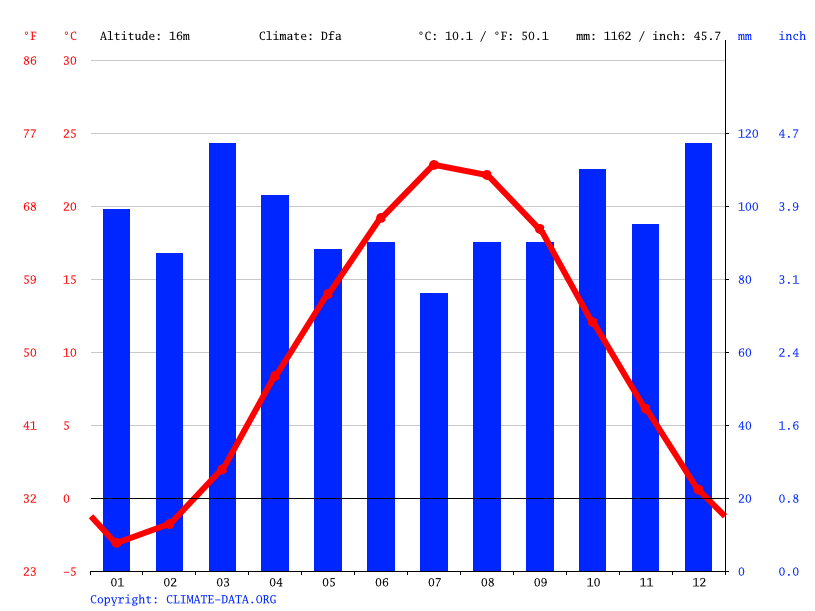
As winter’s chill begins to recede, Boston slowly awakens to spring. March can still feel quite cold, with average temperatures ranging from 30°F to 45°F (-1°C to 7°C), often bringing late-season snow flurries or icy rains. However, by April and May, the city transforms. Average temperatures climb to a comfortable 45°F to 60°F (7°C to 16°C), with many days reaching into the low 70s°F (20s°C). The air is crisp, and the iconic Public Garden and Boston Common burst into vibrant bloom, making it a picturesque time for leisurely walks.
What to Expect:
- Weather: Expect variability. Early spring can be chilly and damp, while late spring offers pleasant, sunny days. Rain is common throughout the season.
- Activities: This is an excellent time for outdoor exploration without the summer crowds. Walk the entire Freedom Trail, enjoy boat tours on the Charles River (which usually start in April), or catch a Red Sox game at Fenway Park as the season kicks off. Museums like the Museum of Fine Arts and the Isabella Stewart Gardner Museum offer perfect indoor alternatives on rainy days.
- Packing: Layers are essential. Bring a waterproof jacket, sweaters, long-sleeved shirts, and comfortable walking shoes. A scarf can be useful for cooler mornings and evenings.
- Accommodation: Spring sees a moderate increase in tourism, especially around events like the Boston Marathon in April. Hotels and accommodation rates might see slight upticks but are generally more favorable than peak summer. Many boutique hotels in areas like Beacon Hill offer cozy charm for this shoulder season.
Summer’s Embrace: Warmth, Vibrancy, and Outdoor Living (June – August)
Summer in Boston is a lively and bustling affair. Temperatures typically range from 65°F to 85°F (18°C to 29°C), with occasional heatwaves pushing into the 90s°F (30s°C), often accompanied by humidity. This is when the city truly comes alive with outdoor festivals, al fresco dining, and vibrant street life.
What to Expect:
- Weather: Generally warm to hot and often humid. Thunderstorms can occur, but typically pass quickly, giving way to clear skies. Long daylight hours are a bonus.
- Activities: Take advantage of the pleasant evenings with waterfront dining in the Seaport District, catch an outdoor concert, or explore the New England Aquarium. Day trips to nearby coastal towns or Cape Cod are popular. Kayaking or paddleboarding on the Charles River offers a unique perspective of the city skyline. Don’t miss exploring the historic ships like the USS Constitution.
- Packing: Lightweight clothing, shorts, t-shirts, and breathable fabrics are a must. A light jacket or cardigan for cooler evenings, comfortable sandals or walking shoes, and definitely a hat, sunglasses, and sunscreen.
- Accommodation: Summer is peak tourism season. Expect higher hotel rates and crowded attractions. Booking your accommodation well in advance, especially for popular suites or resorts with pools, is highly recommended. Many hotels offer special summer packages or rooftop bars to enjoy the warm evenings.
Autumn’s Spectacle: Crisp Air and Fiery Foliage (September – November)
Many consider autumn the most magical time to visit Boston. The intense summer heat gives way to wonderfully crisp air, with temperatures ranging from 45°F to 65°F (7°C to 18°C). September still offers mild, sunny days, while October ushers in peak foliage season, making Massachusetts a breathtaking wonderland of reds, oranges, and yellows. November sees temperatures drop, signaling the approach of winter, but often provides clear, brisk days.
What to Expect:
- Weather: Generally pleasant and dry, especially in September and October. Expect sunny days and cooler evenings. Frosts can begin in late October/early November.
- Activities: This is prime time for scenic drives through New England to witness the stunning fall foliage. Within the city, stroll through the Public Garden or along the Esplanade. The Head of the Charles Regatta in October is a major international rowing event. Explore historical sites like the Paul Revere House and the Old North Church. Day trips to Salem for Halloween festivities are also very popular.
- Packing: Layers are key once again. Sweaters, light jackets, long-sleeved shirts, and comfortable walking boots are ideal. A heavier coat might be needed by late October/November.
- Accommodation: Autumn is another popular tourism season, especially for foliage viewing and university events (given Boston’s numerous institutions like Harvard University and MIT). Booking in advance is advisable, particularly for October. Many hotels in Back Bay or Copley Square offer excellent access to urban and scenic attractions.
Winter’s Chill: Snowy Landscapes and Cozy Comforts (December – February)
Boston in winter is a postcard-perfect scene, often blanketed in snow, creating a charming, festive atmosphere. Temperatures typically range from 20°F to 40°F (-6°C to 4°C), with colder snaps dropping below freezing. While chilly, the city offers a unique array of experiences for those who embrace the cold.

What to Expect:
- Weather: Cold, often windy, and snowy. Snowfall can range from light dustings to significant blizzards. Clear, crisp, sunny days are also common.
- Activities: Ice skating on the Boston Common Frog Pond is a classic winter activity. Explore indoor attractions like the Museum of Science, the Boston Tea Party Ships & Museum, or Faneuil Hall Marketplace for holiday shopping and dining. Enjoy the festive decorations and cozy up in a historic pub in Beacon Hill. Cultural events, theater performances, and delicious comfort food like New England clam chowder or lobster rolls are highlights. The city also hosts Christmas in Boston events and First Night Boston for New Year’s Eve.
- Packing: Bundle up! A heavy winter coat, waterproof boots, hat, gloves, and scarf are essential. Layers of warm clothing (thermal underwear, sweaters) will keep you comfortable.
- Accommodation: Winter, outside of the holiday season, is typically the low season for tourism, meaning more favorable hotel rates and fewer crowds. Many hotels offer cozy amenities like fireplaces, heated indoor pools, and inviting lounges. This can be an excellent time for budget travel or enjoying a luxury travel experience at a reduced cost.
Preparing for Your Boston Visit: Beyond the Forecast
While understanding Boston’s seasonal temperatures is crucial, there are additional factors and considerations that can significantly enhance your travel experience, ensuring you’re comfortable and well-prepared for whatever the Massachusetts weather throws your way.
The Nuances of Boston’s Microclimates and Urban Environment
Boston is a coastal city, and its proximity to the Atlantic Ocean can create unique microclimates. The ocean has a moderating effect, making coastal areas slightly milder in winter and cooler in summer compared to inland regions. However, this also means sea breezes can make even a mild day feel colder, especially near the harbor or along the Charles River.
Furthermore, the “urban heat island” effect can make the city center feel a few degrees warmer than surrounding suburban areas, particularly at night. Conversely, the narrow streets of historic neighborhoods like Beacon Hill or the tall buildings of the Financial District can create wind tunnels that amplify the perceived cold or generate surprising gusts. Always check local forecasts, paying attention to “feels like” temperatures that account for wind chill.
Smart Packing and Layering Strategies
Regardless of the season, a smart layering strategy is your best friend when visiting Boston. The weather can change quickly, from sunny skies to sudden rain showers, or from a cool morning to a warm afternoon.
- Spring/Autumn: Start with a base layer (t-shirt), add a mid-layer (sweater or fleece), and top with a waterproof and wind-resistant jacket. A scarf and a light hat can provide extra comfort.
- Summer: Even on hot days, carry a light cardigan or long-sleeved shirt for air-conditioned indoor spaces or cooler evenings, especially if you’re dining outdoors or enjoying a harbor cruise.
- Winter: Essential base layers (thermals), insulating mid-layers (wool sweaters, down vests), and a heavy, waterproof, and windproof outer coat. Don’t skimp on warm, waterproof boots, thick socks, gloves, and a warm hat.
Comfortable walking shoes are non-negotiable year-round, as exploring Boston’s historic streets and extensive neighborhoods often involves a lot of walking.
Maximizing Your Stay with Seasonal Activities and Accommodation Choices
Your ideal Boston experience is deeply intertwined with the season you choose to visit.
- Outdoor Enthusiasts: Spring, summer, and early autumn are perfect for exploring the Freedom Trail, Public Garden, and various neighborhoods like North End or Back Bay. Seek out accommodations with easy access to public transport or bike rentals, or consider apartments for longer stays.
- Culture Seekers: Boston’s wealth of museums, historical sites, theaters, and universities like Harvard University and MIT make it a fantastic destination year-round. Winter can be particularly appealing for indoor cultural pursuits, offering fewer crowds. Look for hotels offering packages that include attraction tickets.
- Foodies: Each season brings its own culinary delights. Summer is perfect for fresh New England seafood and outdoor patios. Autumn offers hearty harvest dishes. Winter encourages cozy meals in historic taverns, often accompanied by local brews like Sam Adams beer. Explore different districts like Newbury Street for high-end dining or the North End for Italian cuisine.
- Family Trips: Summer offers many kid-friendly activities like the New England Aquarium and Boston Children’s Museum. However, spring and fall also provide pleasant weather without the intense heat or crowds, making it easier for families to navigate. Consider resorts or apartments with amenities catering to children.
Conclusion: Embracing Boston’s Ever-Changing Temperature
The “temperature” in Boston is far more than a simple reading on a weather app; it’s an invitation to experience a city that truly transforms throughout the year. Whether you’re drawn to the vibrant energy of a summer afternoon, the breathtaking beauty of autumn foliage, the crisp freshness of spring, or the cozy charm of a snow-dusted winter, Boston promises a unique and memorable journey.
By understanding the city’s distinct seasonal changes, packing appropriately, and tailoring your activities and accommodation choices to the time of year, you can ensure a comfortable and enriching travel experience. From exploring historic landmarks to indulging in local cuisine, Boston’s dynamic climate is an integral part of its allure, offering a fresh perspective with every visit. Embrace the diversity, and you’ll discover why this New England gem captivates hearts in every temperature.
LifeOutOfTheBox is a participant in the Amazon Services LLC Associates Program, an affiliate advertising program designed to provide a means for sites to earn advertising fees by advertising and linking to Amazon.com. Amazon, the Amazon logo, AmazonSupply, and the AmazonSupply logo are trademarks of Amazon.com, Inc. or its affiliates. As an Amazon Associate we earn affiliate commissions from qualifying purchases.