
The allure of the Boston Marathon is legendary, drawing runners, spectators, and media from across the globe to the vibrant city of Boston each April. More than just a race, it’s a testament to human endurance, a symbol of community resilience, and a deeply ingrained tradition for the Commonwealth of Massachusetts. For those planning to witness this iconic event, whether as a participant or an enthusiastic spectator, understanding the precise timing and intricate schedule is paramount to ensuring a seamless and unforgettable experience. This guide delves into the marathon’s detailed timetable, offering crucial insights for travel, accommodation, and making the most of your visit to this historic American city.

Understanding the Boston Marathon Schedule
The Boston Marathon is meticulously planned, with various start times catering to different categories of athletes. This staggered approach ensures safety, fair competition, and optimal flow along the challenging 26.2-mile course.
A Legacy of Patriot’s Day
The Boston Marathon is traditionally held on Patriot’s Day, a Massachusetts state holiday observed on the third Monday of April. This holiday commemorates the battles of Lexington and Concord, marking the start of the American Revolutionary War. The intertwining of this significant historical date with the marathon creates a unique atmosphere, where patriotism, athletic prowess, and community spirit converge. For visitors, it’s an opportunity to experience a holiday unique to New England, often accompanied by local festivities and a palpable sense of historical pride.
The choice of Patriot’s Day for the marathon dates back to its inception in 1897, making it the world’s oldest annual marathon. This long-standing tradition means that if you’re planning your trip, you can reliably expect the race to fall on this specific Monday in April, typically avoiding major conflicts with other international events and providing a fixed anchor for travel arrangements.
Detailed Start Times for Various Waves
The race typically kicks off in the morning, with elite athletes and wheelchair divisions starting earliest. This allows for dedicated coverage and recognition of these highly competitive categories before the larger field of amateur runners begins their journey. The Boston Athletic Association (also known as the BAA), the organizers of the event, release the exact schedule closer to race day, but the general structure remains consistent year after year.
Here’s a typical breakdown of the start times from Hopkinton Common, the starting line for all runners:
- Professional Wheelchair Division (Men & Women): Usually around 9:00 AM – 9:05 AM EDT. These athletes showcase incredible strength and determination, often completing the course in record times.
- Handcycle & Duo-Cycle Participants: Typically follow the wheelchair division, around 9:30 AM EDT.
- Professional Men: The elite male runners usually begin around 9:37 AM EDT. This wave is incredibly fast-paced, offering a thrilling start to the day’s events.
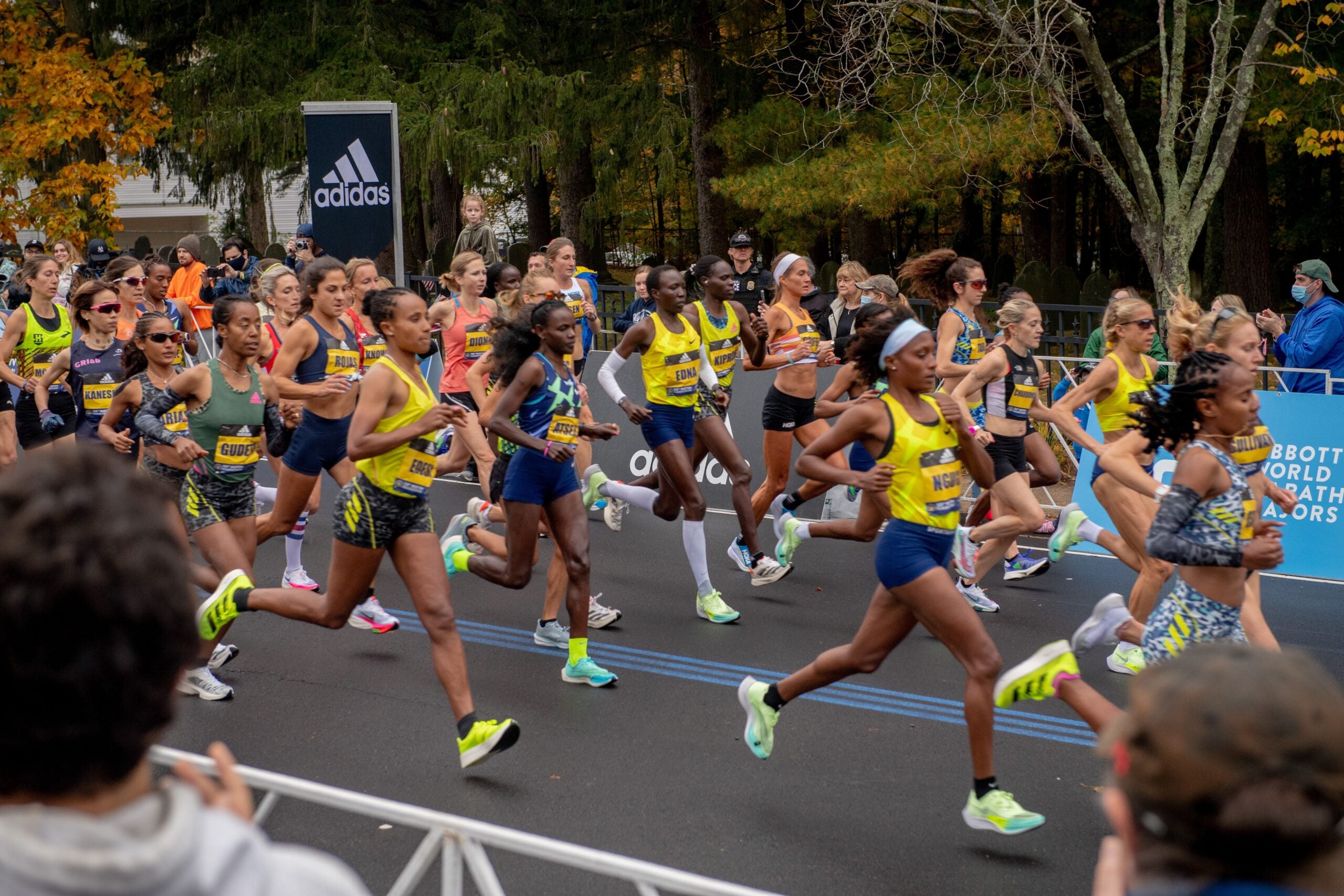
- Professional Women: The elite female runners follow shortly after, around 9:47 AM EDT. Witnessing these world-class athletes compete is a highlight for many.
- Wave 1 (Qualifying Runners): Around 10:00 AM EDT. This is the first of several waves for the mass participation field, comprising runners who have met the stringent qualifying standards.
- Wave 2 (Qualifying Runners): Around 10:25 AM EDT.
- Wave 3 (Qualifying Runners): Around 10:50 AM EDT.
- Wave 4 (Qualifying Runners): Around 11:15 AM EDT. This final wave allows for a steady flow of runners throughout the day, spreading out the crowds along the course and at the finish line in Copley Square.
It’s crucial for participants to arrive at the athlete village in Hopkinton well in advance of their assigned wave start time, typically several hours beforehand, to allow for shuttle transport, bag drop, and pre-race preparations. Spectators, on the other hand, should factor in travel time, potential road closures, and the need to secure a good viewing spot along the route.
Key Spectator Information and Course Overview
For spectators, experiencing the Boston Marathon live is an electrifying event. The course spans 26.2 miles, winding through eight Massachusetts cities and towns: Hopkinton, Ashland, Framingham, Natick, Wellesley, Newton, Brookline, and finally culminating in Boston itself.
Some of the most iconic viewing spots include:
- Wellesley Scream Tunnel: Located around mile 12, this section is famous for the enthusiastic cheers and signs from Wellesley College students, offering a significant boost to runners midway through the race.
- Heartbreak Hill: Part of the Newton Hills between miles 16 and 21, Heartbreak Hill is the last major incline, known for testing runners’ resolve. It’s a fantastic spot to witness incredible displays of mental and physical fortitude.
- Coolidge Corner (Brookline): Around mile 23, this bustling area provides a vibrant atmosphere as runners push towards the finish.
- Copley Square (Boston): The official finish line, located near the Boston Public Library and Fairmont Copley Plaza. Arriving early is essential to secure a prime spot here, as it gets incredibly crowded.
To make the most of your spectator experience, consider these tips:
- Arrive Early: Especially for popular spots, early arrival is key to securing a good vantage point.
- Check MBTA Schedules: Public transportation is the best way to navigate Boston on race day due to extensive road closures. Plan your routes in advance.
- Dress in Layers: April weather in Boston can be unpredictable, ranging from chilly to warm.
- Bring Supplies: Water, snacks, and portable chairs can enhance your comfort during long waits.
- Be Patient: Large crowds are part of the experience, so patience and a positive attitude will serve you well.
Planning Your Boston Marathon Experience: Travel and Accommodation
Attending the Boston Marathon is more than just a day trip; it’s an immersive experience that requires careful planning, especially regarding travel and accommodation. Given the event’s popularity, Boston sees a massive influx of visitors, making early booking an absolute necessity.
Securing Your Stay: Hotels and More
The demand for accommodation around marathon weekend is exceptionally high, leading to increased prices and limited availability. To ensure you have a comfortable and convenient place to stay, we cannot stress enough the importance of booking your hotels, resorts, or apartments well in advance—often six to twelve months prior to the race date.
Consider various types of accommodation to suit your preferences and budget:
- Luxury Hotels: For those seeking unparalleled comfort and amenities, Boston offers world-class options. The Four Seasons Boston, with its prime location near the Public Garden, or the historic Fairmont Copley Plaza, directly at the finish line, provide exquisite experiences. These establishments often cater to runners with special services like early breakfast or late checkout.
- Mid-range Hotels: Properties like the Hyatt Regency Boston or Boston Marriott Copley Place offer excellent value, comfortable rooms, and convenient access to public transport and event locations.
- Boutique Hotels: For a more personalized and unique stay, explore boutique hotels in charming neighborhoods like Back Bay or the South End.
- Budget-friendly Options: While scarcer during marathon weekend, hostels or hotels slightly further afield (e.g., in Cambridge or along the MBTA commuter rail lines) can offer more affordable rates.
- Vacation Rentals: Apartments or house rentals through platforms like Airbnb can be a great option for families or groups, providing more space and a local experience.
Key Neighborhoods for Accommodation:

- Back Bay: Arguably the most coveted area, as it encompasses the finish line, Copley Square, and is within walking distance of many attractions and the Boston Marathon Expo.
- Downtown Boston: Close to historic sites and offering excellent public transportation connections.
- Seaport District: A newer, vibrant area with modern hotels and a burgeoning dining scene, easily accessible via the Silver Line MBTA.
- Cambridge: Just across the Charles River, Cambridge provides a slightly quieter alternative with easy subway access to Boston.
When booking, consider specific amenities that might be important, especially for runners, such as on-site dining, access to a fitness center or pool, and flexible check-in/check-out policies. Many hotels offer special marathon packages, so it’s worth inquiring directly.
Navigating Boston: Transportation Tips
On Patriot’s Day, traffic in and around Boston can be exceptionally challenging due to extensive road closures along the marathon route. Driving is highly discouraged.
- The MBTA (“The T”): Boston’s public transportation system is your best friend. The subway (Red, Orange, Blue, and Green Lines) and bus network provide comprehensive coverage. Familiarize yourself with the system map and plan your routes in advance, especially to reach viewing spots or the Hynes Convention Center for the expo.
- Walking: Boston is a remarkably walkable city, particularly in its central neighborhoods. Many attractions are within comfortable walking distance of each other.
- Ride-sharing/Taxis: While available, these services will be subject to significant surge pricing and delays on race day due to road closures. They are best avoided for travel along or near the marathon route.
- Parking: If you must drive into the city, consider parking garages outside the immediate downtown area and using the MBTA for the final leg of your journey. Be prepared for high parking fees.
Plan to arrive at your desired viewing location hours before the runners are expected. Check the MBTA website for specific service changes and advisories leading up to and on race day.
Beyond the Race: Exploring Boston’s Rich Heritage
While the Boston Marathon is the main draw, extending your trip allows you to fully immerse yourself in Boston’s captivating blend of history, culture, and vibrant city life. The city offers an array of experiences that cater to every interest, from historical buffs to art enthusiasts and foodies.
Iconic Landmarks and Attractions
Boston is a city steeped in American history, offering countless landmarks that tell the story of the nation’s birth.
- Freedom Trail: A 2.5-mile walking path that connects 16 historically significant sites. Highlights include the Paul Revere House, Faneuil Hall, and the Old North Church. It’s an essential experience for understanding Boston’s role in the American Revolution.
- Boston Common and Public Garden: America’s oldest park and the adjacent Public Garden offer serene green spaces perfect for a leisurely stroll, a swan boat ride, or simply enjoying the urban oasis.
- Museums: Boston boasts a world-class museum scene. The Museum of Fine Arts houses an encyclopedic collection spanning cultures and eras, while the Isabella Stewart Gardner Museum, a Venetian-palace-inspired marvel, is famous for its art collection and the enduring mystery of its 1990 art heist. The New England Aquarium is a fantastic family-friendly attraction.
- Harvard University and MIT: Take a short MBTA ride across the Charles River to Cambridge to explore the prestigious campuses of Harvard University and MIT.
- Fenway Park: If you’re visiting in April, catch a Boston Red Sox game at America’s oldest major league ballpark, often right around Patriot’s Day.
Culinary Delights and Local Culture
Boston’s food scene is as diverse as its history, offering everything from classic New England fare to innovative international cuisine.
- Seafood Specialties: You can’t visit Boston without indulging in its legendary seafood. Savor a bowl of creamy clam chowder, a succulent lobster roll, or fresh oysters from the local waters.
- North End: Boston’s oldest residential neighborhood is also its vibrant “Little Italy,” packed with authentic Italian restaurants, bakeries (don’t miss Mike’s Pastry or Modern Pastry for cannolis!), and charming narrow streets.
- Seaport District: This rapidly developing area offers trendy restaurants, rooftop bars, and stunning waterfront views.
- Local Treats: Be sure to try a Boston cream pie, the official dessert of Massachusetts.
- Irish Pubs: Reflecting the city’s strong Irish heritage, Boston is home to numerous cozy Irish pubs where you can enjoy a pint and hearty pub fare.
Lifestyle and Marathon Weekend Experiences
The Boston Marathon weekend isn’t just about the race; it’s a celebration of athleticism, community, and the unique spirit of Boston. Understanding the broader context of events can help you tailor your trip to your lifestyle preferences.
Pre-Race Festivities and Expo
For runners, the Boston Marathon Expo at the Hynes Convention Center is a mandatory stop for packet pick-up. But it’s also a vibrant destination for everyone, filled with official merchandise, fitness product vendors, expert speakers, and a palpable sense of excitement. It’s an excellent opportunity to soak in the atmosphere, gather souvenirs, and even meet some running legends. The expo typically runs from Friday to Saturday before Monday’s race.
Beyond the expo, the entire city buzzes with pre-race energy. Many restaurants and businesses offer special deals or menus for runners and their families. Local running clubs often organize shake-out runs, and charity events are common, allowing visitors to engage with the running community even if they aren’t participating in the marathon itself.
Making the Most of Your Trip
Whether you’re traveling solo, with family, or on a business trip that coincides with the marathon, you can optimize your visit to Boston.
- For Families: Beyond the race, Boston offers many family-friendly attractions like the New England Aquarium, the Boston Children’s Museum, and the Museum of Science. Consider staying in a hotel with a pool or in an apartment rental for more space.
- For Solo Travelers: Boston’s walkable nature and excellent public transport make it ideal for solo exploration. Join walking tours, mingle at Irish pubs, or simply enjoy the freedom of setting your own pace.
- For Luxury Travel Enthusiasts: Indulge in high-end shopping on Newbury Street, dine at Michelin-starred restaurants, or enjoy a spa treatment at one of Boston’s luxury hotels.
- For Budget-Conscious Travelers: Utilize the MBTA, seek out free attractions like the Freedom Trail, and explore diverse culinary options beyond upscale dining. Consider staying slightly outside the city center.
Consider extending your trip for a few days before or after the marathon to avoid the busiest travel days and to allow ample time to explore. A longer stay also opens up possibilities for day trips to other New England gems, such as the picturesque coastal towns of Cape Cod or the historical sites of Plymouth.
In conclusion, the Boston Marathon is a monumental event, meticulously organized with a schedule designed to accommodate thousands. Knowing the start times is just the beginning; a truly rewarding experience involves comprehensive planning around travel, accommodation, and embracing the broader cultural and historical tapestry of Boston. By leveraging this guide, you can confidently navigate race weekend and create lasting memories in one of America’s most beloved cities.
LifeOutOfTheBox is a participant in the Amazon Services LLC Associates Program, an affiliate advertising program designed to provide a means for sites to earn advertising fees by advertising and linking to Amazon.com. Amazon, the Amazon logo, AmazonSupply, and the AmazonSupply logo are trademarks of Amazon.com, Inc. or its affiliates. As an Amazon Associate we earn affiliate commissions from qualifying purchases.