
The question “Who Died At Boston Marathon?” immediately brings to mind the tragic events of April 15, 2013. On that day, the spirit of celebration and athletic endeavor that defines the world’s oldest annual marathon was shattered by an act of terror. While the primary focus of such a question is, understandably, on the devastating loss of life, understanding this moment in history also illuminates the incredible resilience of a city, the enduring legacy of a beloved event, and the profound human connections forged in times of crisis.
Beyond the immediate grief, the story of the Boston Marathon bombings has become intertwined with the broader narrative of Boston itself – a city rich in history, culture, and an unwavering sense of community. For travelers, participants, and spectators alike, the marathon is not just a race; it’s an experience that encapsulates the vibrant lifestyle and deep-rooted traditions of New England. This article will address the solemn question directly, pay tribute to the victims, and then explore how this defining moment has shaped the travel experience, tourism, and appreciation of the iconic landmarks and culture of Boston.
Remembering the Victims and Honoring Resilience
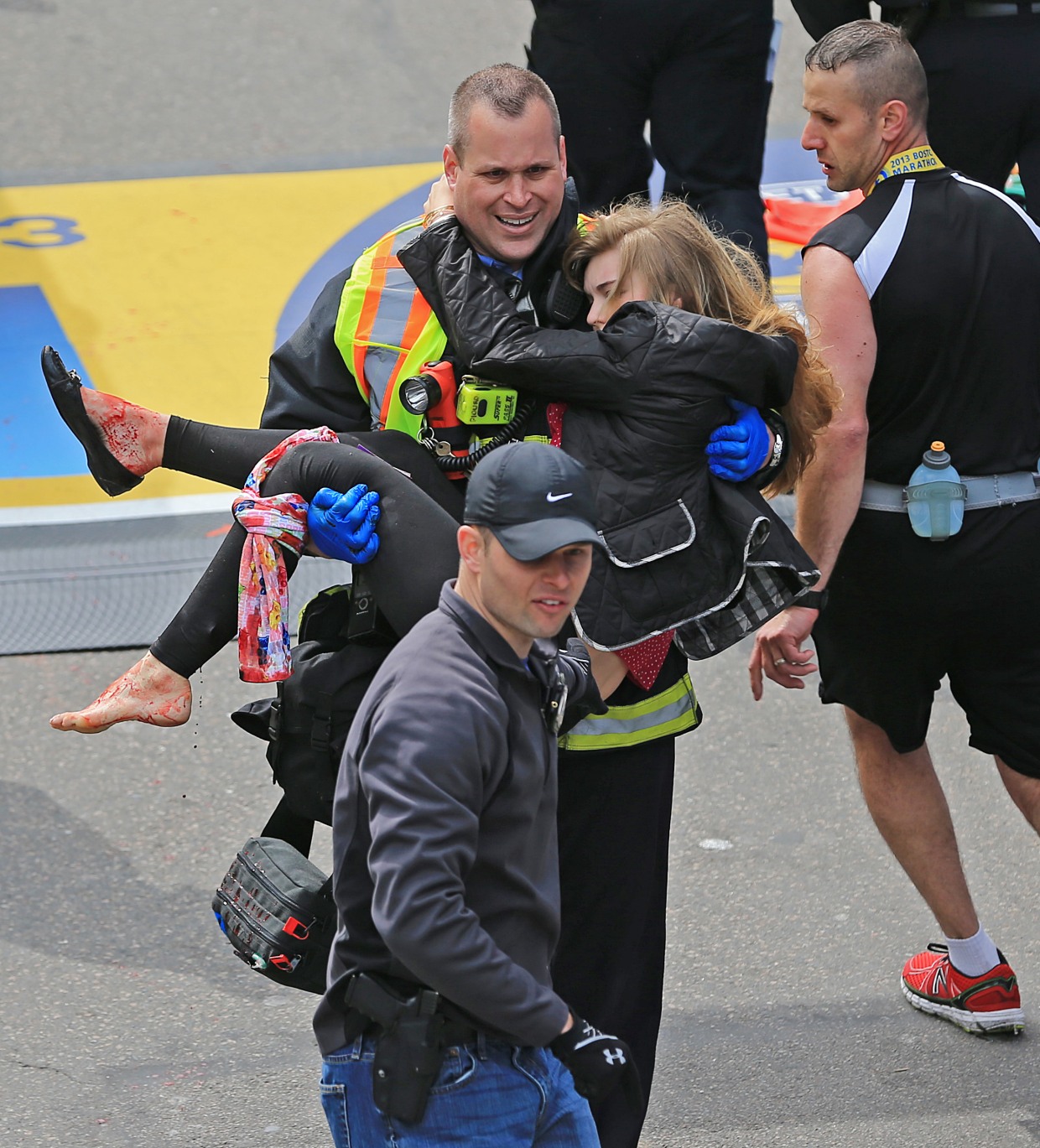
The horrific events of 2013 at the finish line of the Boston Marathon left an indelible mark on the city and the nation. Two homemade bombs detonated near the finish line on Boylston Street, claiming innocent lives and injuring hundreds more. The question “Who Died At Boston Marathon?” is a poignant reminder of those who were present to witness or participate in a symbol of human achievement and instead became victims of senseless violence.
The Names We Will Never Forget
Three individuals tragically lost their lives directly at the scene of the bombings:
- Krystle Campbell: A 29-year-old restaurant manager from Medford, Massachusetts, Krystle was at the finish line with a friend, cheering on runners. Her vibrant spirit and kindness are remembered by all who knew her.
- Lingzi Lu: A 23-year-old graduate student from China, Lingzi was studying at Boston University and had come to watch the race with friends. She was a bright and promising scholar, full of dreams for her future.
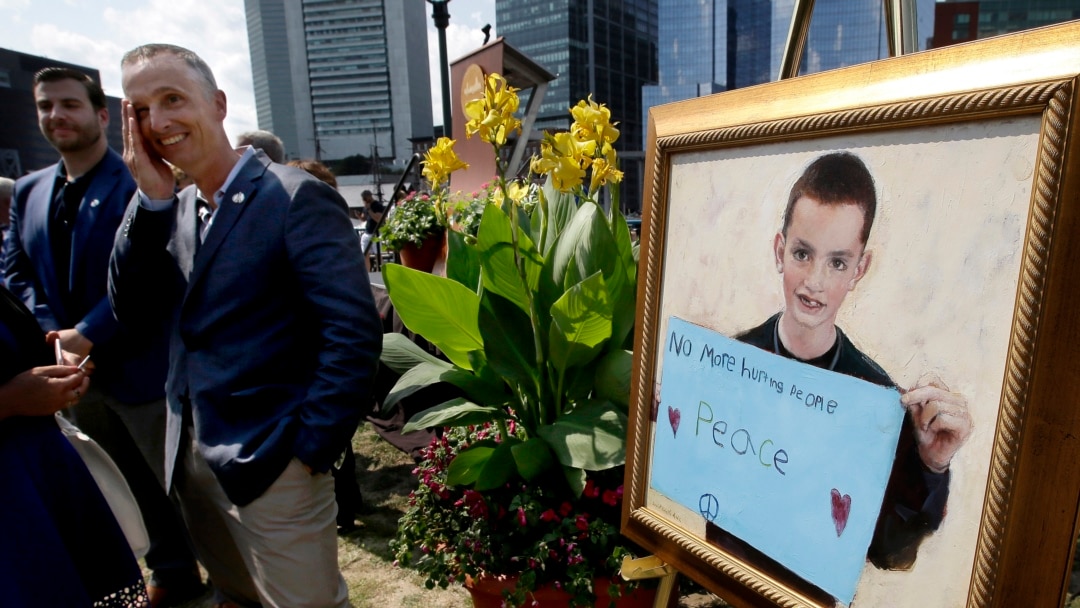
- Martin Richard: An 8-year-old boy from Dorchester, Massachusetts, Martin was among the crowd with his family, enjoying the festive atmosphere. His message of “No more hurting people. Peace.” became a powerful symbol in the aftermath, inspiring countless acts of kindness and advocacy.
In the days following the attack, another life was tragically lost in the pursuit of justice. Sean Collier, a 27-year-old police officer at the Massachusetts Institute of Technology (MIT), was ambushed and killed by the perpetrators of the bombing in Cambridge. His sacrifice is also mourned as part of the tragedy’s broader impact.
These individuals represent the innocent lives cut short, and their memory serves as a solemn reminder of the fragility of peace and the importance of community. The city of Boston and the global running community continue to honor them through various tributes and ongoing acts of remembrance.
The Spirit of Boston Strong
In the immediate aftermath of the bombings, the phrase “Boston Strong” emerged as a rallying cry, symbolizing the unwavering resilience and unity of the city and its people. This spirit transcended local boundaries, drawing support and admiration from around the globe. It was a testament to how a community can come together in the face of adversity, proving that acts of hatred cannot extinguish the human spirit.
For visitors and locals alike, this spirit is palpable. It’s seen in the annual marathon, which has returned stronger than ever, attracting participants and spectators from every corner of the world. It’s visible in the careful planning and security measures that ensure the safety of all attendees, allowing everyone to focus on the joy of the event. “Boston Strong” isn’t just a slogan; it’s a living legacy that permeates the city’s approach to major events, tourism, and community life, making Boston a place that feels both historically significant and incredibly welcoming.
Experiencing Boston Beyond the Marathon: A City of History and Charm
While the Boston Marathon is a major draw, Boston offers an incredible array of attractions and experiences that appeal to every type of traveler. From its pivotal role in American history to its vibrant modern culture, the city provides a captivating blend of the past and present. Understanding Boston’s enduring appeal helps to contextualize the significance of events like the marathon and the reasons why so many choose to visit, year after year.
Navigating Historic Landmarks and Cultural Hubs
Boston is a treasure trove of historical landmarks. The Freedom Trail, a 2.5-mile red-lined path, guides visitors to 16 historically significant sites, including the Massachusetts State House, Paul Revere House, and Faneuil Hall Marketplace. Walking the Freedom Trail offers an immersive journey through the birth of the United States, making it an essential experience for history buffs and casual tourists alike.
Beyond the Freedom Trail, visitors can explore the serene beauty of Boston Common and the adjacent Boston Public Garden, America’s oldest park and first botanical garden, respectively. The Beacon Hill neighborhood, with its picturesque cobblestone streets and gas lamps, offers a glimpse into historic Bostonian elegance.
For those interested in culture and arts, Boston boasts world-class museums such as the Museum of Fine Arts and the eccentric yet charming Isabella Stewart Gardner Museum. The New England Aquarium provides an exciting experience for families, showcasing marine life from the nearby Atlantic Ocean and beyond. Sports enthusiasts will find pilgrimage to Fenway Park, home of the Boston Red Sox, an unforgettable highlight, regardless of the season.
Just across the Charles River, the intellectual hubs of Cambridge beckon, offering opportunities to stroll through the prestigious campuses of Harvard University and the aforementioned MIT. These institutions not only contribute to Boston’s global reputation but also provide vibrant student life, innovative research, and cultural events that enrich the entire region.
Where to Stay: Accommodations for Every Traveler

With millions of visitors annually, especially around events like the Boston Marathon, Boston’s accommodation scene is diverse and robust. From luxury hotels to boutique inns and budget-friendly hostels, there’s an option for every preference and price point.
For those seeking luxury and prime location, especially near the marathon finish line, the Back Bay area offers exquisite choices. Hotels like The Fairmont Copley Plaza and The Lenox Hotel provide historic elegance and impeccable service. The Marriott Copley Place, connected to the Prudential Center, offers convenience and modern amenities, often with stunning views of the city. The Mandarin Oriental, Boston, known for its opulent suites and world-class spa, offers an unparalleled indulgent experience.
Downtown Boston also provides excellent options, blending historical charm with contemporary comfort. The Omni Parker House, America’s longest continuously operating hotel, offers a piece of history along with its refined accommodations. More modern choices like the Hyatt Regency Boston or the DoubleTree by Hilton Boston – Downtown cater to business travelers and families with a focus on convenience and comfort.
Budget-conscious travelers can find welcoming stays in areas slightly outside the immediate city center or at reputable hostels. The Hostel International Boston, for example, provides a clean, social, and affordable option in a central location, perfect for solo travelers or groups looking to maximize their exploration budget. Additionally, short-term apartment rentals are increasingly popular, offering a more localized experience and amenities like kitchens, ideal for longer stays or family trips. Regardless of your choice, booking well in advance, especially during peak seasons or major events like the marathon, is highly recommended to secure the best rates and locations.
The Boston Marathon: A Global Event and Its Enduring Legacy
The Boston Marathon is far more than just a race; it’s a cultural phenomenon, a significant part of Boston’s identity, and a global beacon of athletic achievement and community spirit. Its enduring legacy, particularly post-2013, highlights the power of sport to heal, unite, and inspire.
Planning Your Visit: Travel and Tourism Tips
Attending the Boston Marathon, whether as a runner or a spectator, is an unforgettable experience. However, careful planning is key to fully enjoying the event and the city.
Travel to Boston: Boston Logan International Airport serves as the main gateway, offering flights from across the United States and international destinations. Once in Boston, the MBTA, often referred to as “the T,” provides an efficient public transportation system of subways, buses, and commuter rail. During marathon week, traffic can be heavy, and specific road closures are in effect, making public transport the preferred mode of getting around.
Spectating: Finding a good spot along the 26.2-mile course requires strategy. Popular spots include the Scream Tunnel at Wellesley College, the Newton Hills (Heartbreak Hill), and, of course, the finish line on Boylston Street. Arrive early, especially at the finish line area near Copley Square, as crowds can be dense. Be mindful of security checkpoints and prohibited items. Many spectators opt to watch from areas accessible by the T, such as Brookline or Kenmore Square, offering great views without the intense crowds of the immediate finish area.
Runner Experience: For participants, the race offers a unique blend of challenge and exhilaration. From the starting line in Hopkinton to the iconic finish, the course is lined with cheering crowds. The prerace expo at the Hynes Convention Center is a must-visit for packet pickup and an immersive experience with vendors and motivational speakers. The atmosphere is electric, fueled by the camaraderie of thousands of runners and the unwavering support of millions of spectators.
Embracing the Local Lifestyle and Culinary Scene
A visit to Boston is incomplete without delving into its rich culinary scene and distinct local lifestyle. After a day of exploring landmarks or cheering on runners, indulging in Boston’s gastronomic delights is a rewarding experience.
Seafood, naturally, is a highlight. Enjoy classic New England clam chowder, fresh lobster rolls, and oysters at renowned establishments like Legal Sea Foods or the historic Union Oyster House, America’s oldest restaurant. The North End, Boston’s oldest residential community, is a haven for Italian food lovers, offering authentic pasta dishes, pizza, and, of course, the legendary rivalry between Mike’s Pastry and Modern Pastry for the best cannolis.
Boston’s lifestyle balances its historic roots with a progressive, modern outlook. There’s a strong emphasis on education, innovation, and community engagement. Beyond the dining, explore local breweries, catch a show in the Theatre District, or simply enjoy a walk along the Charles River Esplanade. The city truly offers a diverse range of activities that cater to varied interests, making it a vibrant destination at any time of year.
A Journey of Remembrance and Renewal
The question “Who Died At Boston Marathon?” carries immense weight, prompting reflection on loss, courage, and the enduring human spirit. While the tragedy of 2013 is a somber chapter, it has also forged an unbreakable bond within the community and strengthened the marathon’s place as a symbol of hope and perseverance. Visiting Boston today means engaging with this powerful narrative, appreciating the city’s ability to remember its past while confidently embracing its future.
The Boston Marathon Memorial and Places of Reflection
In tribute to the victims and survivors, permanent memorials have been established, serving as places of quiet reflection and remembrance. The Boston Marathon Memorial at Copley Square, near the exact locations of the bombings, features two granite and bronze memorials, honoring Krystle Campbell, Lingzi Lu, and Martin Richard. These memorials are designed to be integrated into the bustling urban environment, allowing visitors and residents to pause and remember amidst their daily lives. The Martin Richard Park in South Boston, an inclusive play space, also stands as a living legacy to Martin’s call for peace and community.
Visiting these sites is an integral part of understanding Boston’s contemporary history and the profound impact of the events of 2013. They are not merely monuments to grief but also testaments to the strength and unity that emerged from adversity. They remind us that travel can often be more than sightseeing; it can be a journey of understanding, empathy, and connection to shared human experiences.
In conclusion, while the question “Who Died At Boston Marathon?” addresses a specific, painful memory, it opens the door to a broader appreciation of Boston as a destination. The city’s response to tragedy, its vibrant culture, rich history, and the enduring spirit of the marathon itself offer a compelling narrative for any traveler. From its world-class accommodations and iconic landmarks to its delicious food and welcoming lifestyle, Boston stands as a testament to resilience, a city that cherishes its past while continuously moving forward, inviting the world to share in its journey.
LifeOutOfTheBox is a participant in the Amazon Services LLC Associates Program, an affiliate advertising program designed to provide a means for sites to earn advertising fees by advertising and linking to Amazon.com. Amazon, the Amazon logo, AmazonSupply, and the AmazonSupply logo are trademarks of Amazon.com, Inc. or its affiliates. As an Amazon Associate we earn affiliate commissions from qualifying purchases.