
The morning of April 15, 2013, dawned bright and clear in Boston, Massachusetts. It was Patriot’s Day, a beloved state holiday, and the city was alive with the annual Boston Marathon, one of the world’s most iconic road races. Thousands of runners, many pushing their physical limits, were nearing the finish line on Boylston Street, cheered on by an exuberant crowd of spectators. Families, friends, and tourists lined the streets, reveling in the celebratory atmosphere that defined this annual spring tradition. The vibrant energy, the collective sense of achievement, and the camaraderie were palpable, drawing people from all corners of the globe to experience the unique spirit of Boston.

However, just moments after 2:49 PM, the joyous scene was shattered by two explosions near the finish line. The blasts, mere seconds apart, plunged the festive atmosphere into chaos, turning celebration into tragedy. In an instant, the cheers transformed into screams, and the thrill of competition gave way to a desperate struggle for survival. The attack left an indelible mark on the city and its people, resulting in hundreds of injuries and, most tragically, the loss of four lives. While the world remembers the horrific act, it is crucial to remember the individuals whose lives were cut short, and the heroes who emerged in the aftermath. Their stories are a testament to the profound human cost of such violence and a reminder of the resilience of the human spirit.
Remembering the Victims: Lives Lost on Patriot’s Day
The Boston Marathon bombing claimed the lives of three spectators on Boylston Street and, in the days that followed, a police officer whose sacrifice was directly linked to the subsequent manhunt. Each individual’s story is a poignant reminder of the innocence lost and the vibrant futures that were stolen. Their presence at the marathon, whether as a dedicated fan, a supportive friend, or an international student embracing new experiences, highlights how ordinary moments can be irrevocably altered by extraordinary acts of malice.
Martin Richard: A Young Fan’s Dream Cut Short
Martin Richard was an 8-year-old boy from the Dorchester neighborhood of Boston. He was at the marathon with his family, cheering on the runners, a common Boston tradition that many families embrace. His mother, Denise, and his younger sister, Jane, were also severely injured in the blast, with Jane losing a leg. Martin embodied the joyful innocence of the day, a child experiencing the excitement of a major public event. His death sent shockwaves through the community, particularly resonating with families who saw their own children in his bright, smiling face.
A photograph of Martin holding a handmade sign that read “No More Hurting People. Peace” became an iconic symbol of the tragedy and a powerful call for peace in the aftermath. His legacy has since been honored through the creation of the Martin Richard Foundation, which promotes peace, justice, and community engagement, inspiring countless individuals to live out his message. The foundation’s work connects directly to the spirit of civic responsibility and community that is a hallmark of Boston, often involving local events and initiatives that highlight positive aspects of lifestyle and community engagement, even for visitors looking to contribute to local causes.
Krystle Campbell: A Spirit of Generosity and Love
Krystle Campbell, 29, from Medford, Massachusetts, was at the finish line with her friend, Karen Rand, to watch Karen’s boyfriend complete the race. Known for her infectious laugh and generous spirit, Krystle worked as a restaurant manager, a profession that often connects deeply with the local culture and tourism scene. Her friends and family remember her as a loyal and warm-hearted individual who always put others first. She was excitedly anticipating a future filled with travel and adventure, characteristic of the ‘lifestyle’ aspirations many young people hold.
Her vibrant life was abruptly cut short, leaving behind a void for her loved ones and the community that cherished her. The impact of her loss was felt not only in her immediate circles but also among the restaurant and hospitality industries in Boston, which are vital to the city’s appeal as a travel destination. Krystle’s story underscores the fact that victims of such events are not just statistics but individuals with rich lives, dreams, and connections, integral to the fabric of the cities they call home.
Lingzi Lu: An International Student’s Tragic End
Lingzi Lu, 23, was a graduate student from Shenyang, China, attending Boston University. She was at the marathon with friends, enjoying a quintessential American experience during her studies abroad. Lingzi represented the vibrant international student community that enriches Boston’s cultural landscape, contributing to its diverse demographics and global appeal. Her journey to Boston was one of ambition and cultural exploration, a testament to the city’s reputation as a world-class educational and cultural hub. She had just shared a meal near the finish line, savoring the local flavors that are a significant part of Boston’s tourism appeal, before the explosion claimed her life.
Her death highlighted the global reach of the tragedy, resonating with families and students across continents. Lingzi was a bright, promising student with a passion for mathematics and an eagerness to embrace new experiences, embodying the spirit of international travel and academic pursuit. Her loss reminded the world of the fragility of life and the universal desire for peace and safety, regardless of one’s origin.
Officer Sean Collier: A Defender’s Sacrifice
In the chaotic aftermath of the bombing, the perpetrators, Dzhokhar and Tamerlan Tsarnaev, remained at large. On the evening of April 18, 2013, three days after the marathon, their violent spree continued. Officer Sean Collier, 27, a police officer with the Massachusetts Institute of Technology (MIT) Police Department, was ambushed and killed by the Tsarnaev brothers in his patrol car on the MIT campus in Cambridge. His heroic sacrifice occurred as he was diligently serving and protecting the community, embodying the dedication of law enforcement officers who work tirelessly to ensure the safety of residents and visitors alike.
Officer Collier was a beloved figure at MIT, known for his friendly demeanor and commitment to his work. His death underscored the bravery of first responders and the dangers they face daily. His memory is honored through various initiatives, including the Sean Collier Memorial at MIT, a poignant landmark that reflects the campus’s profound respect for his service and sacrifice. Visitors to MIT and Cambridge often encounter this memorial, which serves as a solemn reminder of his bravery amidst the vibrant academic and technological environment.
The Indelible Mark on Boston’s Spirit and Landmarks
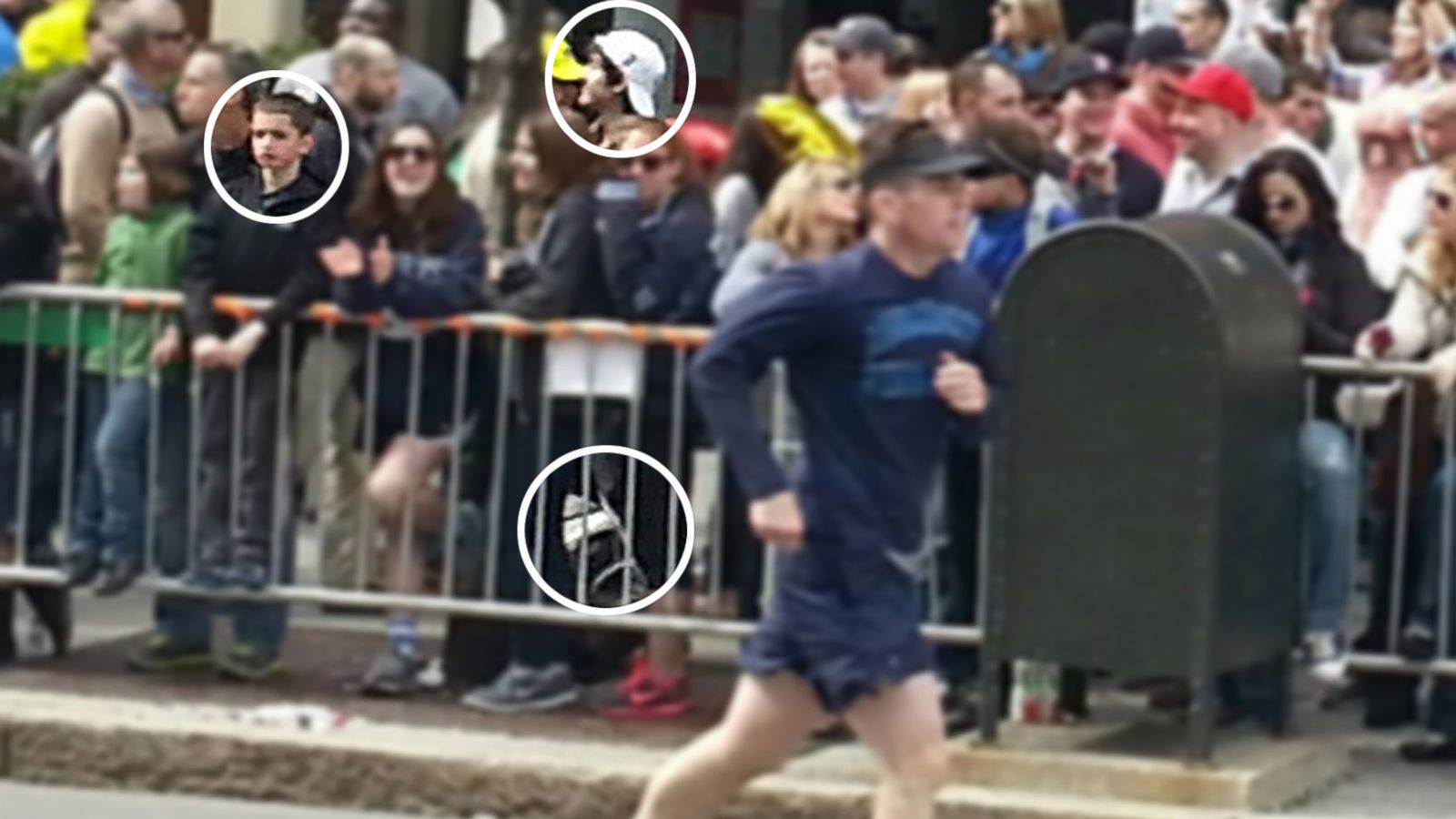
The Boston Marathon bombing left an indelible mark not only on the hearts of individuals but also on the collective spirit and physical landscape of Boston. A city rich in history, defined by its iconic landmarks and vibrant neighborhoods, suddenly faced a moment of profound vulnerability. Yet, from this tragedy emerged an extraordinary display of resilience, unity, and unwavering determination, encapsulated by the phrase “Boston Strong.” This resilience became a defining characteristic, shaping how the city is perceived by residents and tourists alike.
The marathon finish line on Boylston Street, once solely a symbol of athletic triumph, was transformed into a site of remembrance and reflection. For many visitors, a trip to Boston now includes a solemn moment near this spot, a recognition of the lives lost and the city’s powerful response. The historical buildings and vibrant street life along Boylston Street – from luxury hotels offering prime views to renowned restaurants – carry a new layer of significance. They stand as enduring testaments to the city’s ability to heal and rebuild, reinforcing the idea that even amidst tragedy, a destination’s inherent charm and allure can persist. The nearby Copley Square, home to architectural marvels like the Boston Public Library and Trinity Church, took on an additional role as a gathering point for vigils and expressions of solidarity, weaving this somber narrative into its storied past.
Boston’s Recovery: A Testament to Community and Resilience
The aftermath of the Boston Marathon bombing showcased a city that refused to be defined by violence. Instead, Boston’s recovery became a powerful narrative of human connection, compassion, and an unwavering commitment to moving forward while honoring the past. This collective healing process has become as much a part of Boston’s identity as its historical landmarks or its thriving cultural scene.
The Immediate Aftermath and Community Response
In the moments following the explosions, the response from ordinary citizens, first responders, and medical professionals was nothing short of heroic. Marathon runners, having just completed miles of grueling effort, continued running to local hospitals to donate blood. Spectators provided immediate aid, tearing cloth into makeshift bandages and offering comfort to the injured. The medical community, centered around world-class institutions like Massachusetts General Hospital and Brigham and Women’s Hospital, sprang into action, saving countless lives with remarkable efficiency and expertise. This incredible display of courage and selflessness exemplified the core values of Boston and its people, demonstrating a unified spirit that transcended individual differences. The support for victims and their families, channeled through initiatives like The One Fund Boston, quickly amassed millions of dollars, highlighting a global outpouring of empathy.
The city’s resilience was further demonstrated by the swift reopening of businesses along Boylston Street and throughout the affected areas. This speedy return to normalcy, while challenging, sent a clear message that Boston would not be intimidated. For travelers and tourists, witnessing this resilience adds another dimension to their experience, offering a profound insight into the character of the city beyond its famous attractions.
Honoring the Memory: Memorials and Ongoing Legacies
To ensure that the victims are never forgotten, permanent memorials have been established, serving as important landmarks for reflection. The official Boston Marathon Memorial, situated near the finish line on Boylston Street, consists of bronze spires and individual stones honoring Martin Richard, Krystle Campbell, and Lingzi Lu. These serene spaces provide a place for contemplation, where visitors can pay their respects and learn about the lives that were tragically cut short. Similarly, the Sean Collier Memorial at MIT stands as a powerful architectural tribute to a fallen hero.
Beyond physical structures, the legacies of the victims live on through foundations and scholarships established in their names, promoting peace, education, and community service. These initiatives embody a proactive approach to healing, transforming grief into positive action, and continuing to shape the lifestyle and values of the Boston community. The continued running of the Boston Marathon itself, each year on Patriot’s Day, has become an annual affirmation of strength and unity, drawing even larger crowds and inspiring greater participation from around the world. It’s an event that not only celebrates athletic achievement but also the enduring spirit of a city that rises above adversity.
The Role of Travel and Tourism in Healing
Travel and tourism play a subtle yet significant role in a city’s healing process after such events. When visitors choose to come to Boston, they contribute to its economic vitality, supporting local businesses, hotels, and cultural institutions. More profoundly, they engage with the city’s story, witnessing its resilience firsthand and acknowledging its ongoing journey of remembrance and renewal. A stay in a Boston hotel, whether a historic property in Beacon Hill or a modern suite near the Financial District, means being part of a vibrant urban experience that continues to thrive.
Exploring Boston’s landmarks—from the historical narrative of the Freedom Trail and the bustling markets of Faneuil Hall to the intellectual corridors of Harvard and MIT—is an act of solidarity. By immersing themselves in the local culture, enjoying the city’s renowned cuisine in the North End or catching a game at Fenway Park, tourists participate in the ongoing narrative of a city that lives fully. This engagement ensures that while the tragedy is remembered, it does not define the entirety of the Boston experience. Instead, it adds a layer of depth and understanding to a city that is rich in both history and an indomitable spirit.
Experiencing Boston: A City of Enduring Charm
Despite the somber chapter etched into its recent history, Boston remains an extraordinarily charming and dynamic destination, consistently ranking among the top travel choices in the United States. Its enduring appeal lies in a unique blend of revolutionary history, world-class educational institutions, a thriving arts scene, and picturesque urban landscapes that make it a compelling choice for any traveler seeking a rich and rewarding experience.
For those planning a visit, Boston offers a diverse array of attractions and activities. History buffs can walk the Freedom Trail, a 2.5-mile path that leads to 16 historically significant sites, including the Old North Church, the Paul Revere House, and the site of the Boston Massacre. Strolling through Boston Common and the Public Garden offers a serene escape, especially beautiful during spring and autumn. The charming streets of Beacon Hill with their gas lamps and Federal-style row houses, are perfect for an afternoon wander, evoking a sense of stepping back in time.
The city’s cultural offerings are equally impressive, from the vast collections at the Museum of Fine Arts to the thought-provoking contemporary works at the Isabella Stewart Gardner Museum. The performing arts thrive here, with numerous theaters showcasing Broadway productions and local talent. For culinary enthusiasts, Boston is a paradise, particularly the North End with its authentic Italian restaurants and bakeries, or the bustling seafood markets and renowned dining establishments throughout the city. The vibrant energy of Newbury Street offers high-end shopping and delightful cafes, contributing to Boston’s dynamic lifestyle scene.
Accommodation options in Boston cater to every preference and budget, from luxurious boutique hotels in Back Bay, offering elegant suites and top-tier amenities, to comfortable, family-friendly resorts near the Charles River or convenient apartments for longer stays. Many hotels provide excellent access to public transportation, making it easy to explore all that Boston and the wider New England region have to offer. Whether seeking a lavish getaway, a budget-conscious adventure, or a comfortable family trip, Boston delivers a comprehensive range of choices, ensuring a memorable visit.
The story of the Boston Marathon bombing and its victims is a somber reminder of human vulnerability, but it is also a powerful testament to the strength and unity of a community. Visiting Boston today means engaging with this complex narrative, appreciating the city’s enduring beauty, and recognizing the unwavering spirit of “Boston Strong.” It is a city that continues to embrace life, celebrate its heritage, and welcome travelers from across the globe, offering an experience that is both historically rich and vibrantly modern.
LifeOutOfTheBox is a participant in the Amazon Services LLC Associates Program, an affiliate advertising program designed to provide a means for sites to earn advertising fees by advertising and linking to Amazon.com. Amazon, the Amazon logo, AmazonSupply, and the AmazonSupply logo are trademarks of Amazon.com, Inc. or its affiliates. As an Amazon Associate we earn affiliate commissions from qualifying purchases.