
The globe is a tapestry of flavors, a boundless culinary journey for any enthusiastic traveler. Food often serves as the most direct gateway to understanding a destination’s culture, whether it’s through bustling markets or quaint cafes. Among the many global dishes that have captured hearts worldwide, sushi stands out as a symbol of Japanese culinary artistry. Yet, within the expansive realm of sushi, one particular roll has achieved unparalleled global fame, especially in Western countries: the California Roll.
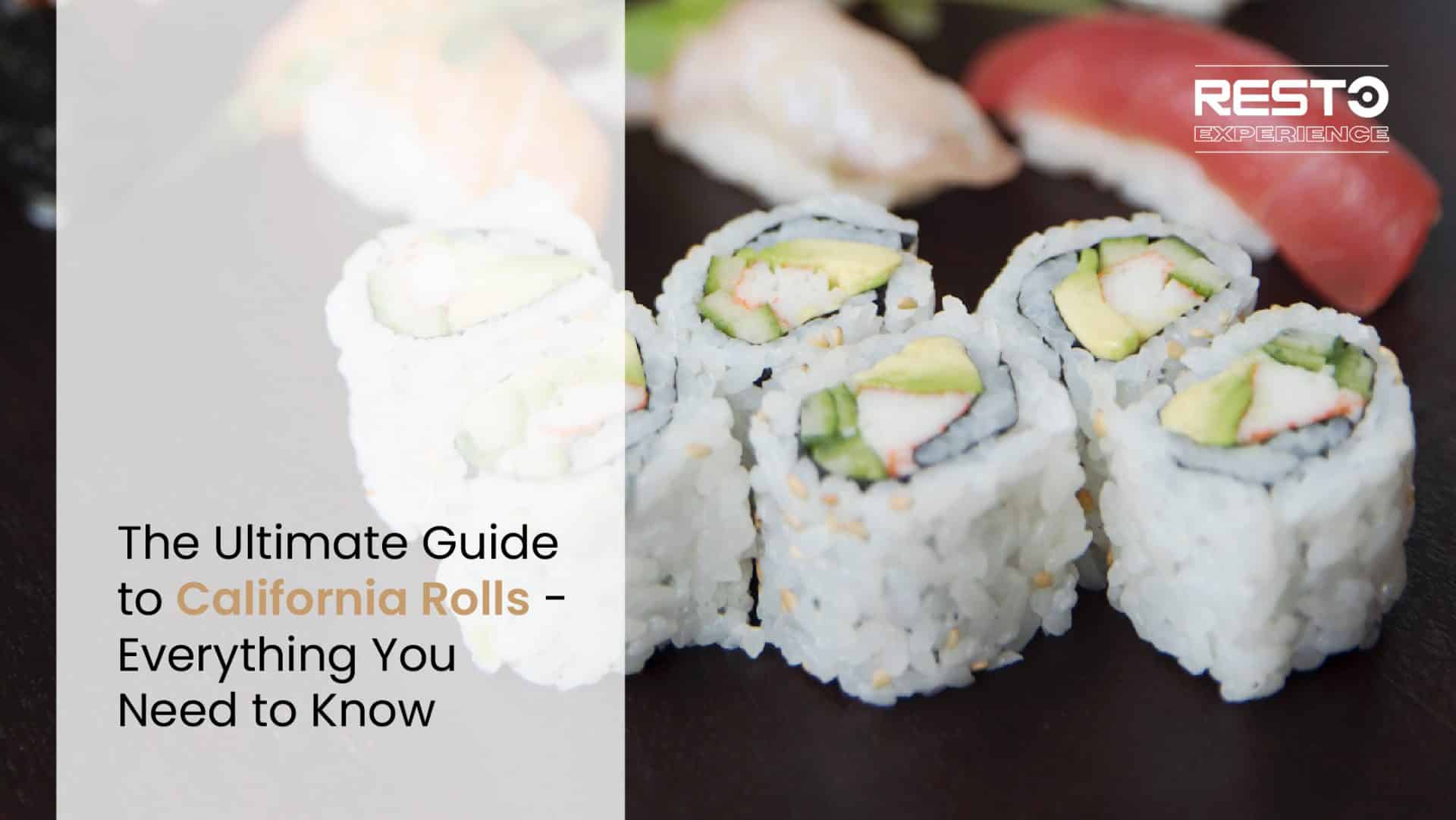
Originating not in Japan but in the United States – specifically, Los Angeles – the California Roll was conceived to introduce sushi to a broader audience often hesitant about consuming raw fish and visible seaweed. It innovatively substituted raw tuna with cooked crab (or surimi), concealed the nori (seaweed) on the inside, and incorporated familiar ingredients like avocado and cucumber. This innovative approach quickly propelled it to icon status, making it a staple on menus from high-end resorts to casual eateries globally.
As travelers and food enthusiasts increasingly prioritize wellness and informed dining choices, a critical question emerges: Are California Rolls actually good for you? This article delves into the nutritional profile of this ubiquitous sushi staple, offering insights to empower healthier decisions. Whether you’re dining at a luxurious hotel in Tokyo, exploring the vibrant food scene in New York City, or simply at your local sushi spot, understanding your food is integral to responsible tourism and maintaining a balanced lifestyle.
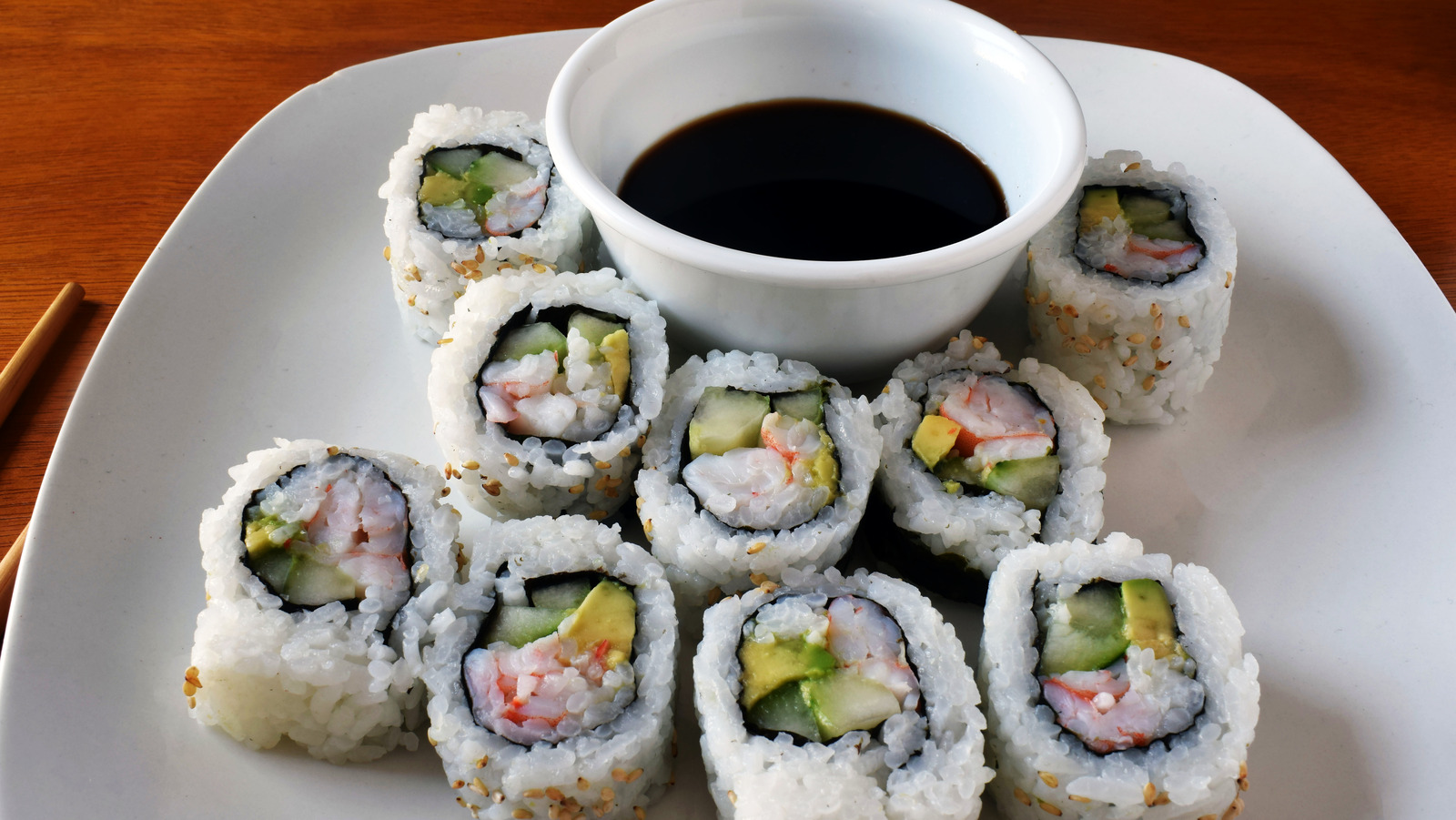
Unpacking the Ingredients: What’s in a California Roll?
To truly assess the health merits of a California Roll, we must first break down its fundamental components. Each ingredient contributes to its overall flavor, texture, and, crucially, its nutritional value. Knowing what you’re consuming is the first step towards informed choices, especially when navigating diverse culinary landscapes during your travels.
The Core Components
A standard California Roll is built upon several key ingredients:
- Sushi Rice: The foundational element, typically short-grain white rice seasoned with rice vinegar, sugar, and salt. While it provides energy, it’s primarily a source of refined carbohydrates, which can lead to quick spikes in blood sugar. For those mindful of carb intake, especially during a business trip or long-term stay, this is an important consideration.
- Crab Stick (Surimi): The “crab” in a California Roll is almost always surimi, a processed seafood product made from various white fish (like pollock). It offers some protein but often contains added starches, sugar, artificial flavors, and sodium, diminishing its nutritional value compared to real crab meat.
- Avocado: Arguably the healthiest component, avocado is rich in monounsaturated fats, known for heart-healthy benefits. It also provides dietary fiber, potassium, and vitamins (C, E, K, B-6). Its creamy texture adds satiety, beneficial for managing hunger during busy sightseeing.
- Cucumber: Mostly water, cucumber is very low in calories, contributing minor amounts of vitamins K and C. Its primary role is to add a refreshing crunch and balance flavors without significant nutritional bulk.
- Nori (Seaweed): This edible dried seaweed sheet is surprisingly nutrient-dense, packed with iodine, calcium, magnesium, iron, and vitamins A, C, and E. It also contains unique antioxidant compounds.
Sauces, Toppings, and Beyond
Many California Rolls come with additional enhancements that significantly impact their health quotient:
- Mayonnaise: Often added, either mixed with crab stick or drizzled on top. Mayonnaise is high in fat and calories; commercial versions can contain unhealthy oils. This can quickly turn a moderately healthy roll into a caloric bomb.
- Sesame Seeds: Toasted sesame seeds are a common garnish, providing a nutty flavor. They offer healthy fats, protein, fiber, and minerals like calcium, iron, and zinc. In moderation, they are a healthy addition.
- Tobiko or Masago (Fish Roe): These tiny, brightly colored fish eggs add color and a briny flavor but are also quite high in cholesterol and sodium.
- Soy Sauce: A ubiquitous accompaniment, soy sauce is notoriously high in sodium. While it adds umami, excessive dipping can quickly push your sodium intake well beyond daily recommendations, a concern for cardiovascular health, especially when dining out frequently.
Nutritional Breakdown: A Closer Look at Health Benefits and Concerns
With a clear understanding of the components, we can now evaluate the California Roll’s nutritional landscape, weighing its virtues against its potential drawbacks. This is crucial for anyone planning their diet, whether on a wellness retreat or simply trying to eat mindfully during their adventures.
The Good: Vitamins, Minerals, and Healthy Fats
Despite some misconceptions, the California Roll does offer several nutritional positives:
- Healthy Fats: Thanks to avocado, you get a good dose of monounsaturated fats, beneficial for heart health, lowering bad cholesterol, and aiding nutrient absorption. This is an advantage over many fast-food options encountered when traveling.
- Vitamins and Minerals: Nori provides iodine, calcium, iron, and vitamins A, C, and E. Cucumber adds hydration and trace minerals. Even surimi offers some lean protein and phosphorus.
- Fiber: The combination of avocado, cucumber, and nori contributes dietary fiber, important for digestive health, blood sugar regulation, and promoting fullness. This helps travelers seeking satisfying yet balanced meals.
- Protein: While surimi is processed, it still offers protein, vital for muscle repair and satiety. For a quick meal, it contributes to daily protein needs.
The Not-So-Good: Sodium, Refined Carbs, and Hidden Calories
However, the California Roll also comes with certain nutritional caveats:
- High Sodium Content: This is a major concern. Between the surimi, seasoned rice, fish roe, and soy sauce, sodium levels can quickly skyrocket. High sodium intake is linked to increased blood pressure, a risk factor for heart disease.
- Refined Carbohydrates: Sushi rice is a refined carbohydrate. Large portions can lead to rapid increases in blood sugar, followed by a potential crash, leaving you sluggish – not ideal for exploring city landmarks or on an adventure tour.
- Hidden Calories and Fats: Mayonnaise and other creamy sauces significantly increase calorie and unhealthy fat content. The sugar used to season the rice also adds to the caloric load without much nutritional benefit.
- Processed Ingredients: Surimi, being processed, might not be the ideal protein source compared to fresh, whole fish. It often contains additives, preservatives, and less desirable fats.
Portion Control and Preparation Methods
Understanding ingredients is one thing, but how a California Roll is prepared and how much you consume is equally vital. A typical roll ranges from 250 to 350 calories, varying wildly based on rice, avocado, and sauces. Opting for rolls with less rice or asking for sauces on the side can make a significant difference. Considering how many rolls you eat, especially at an “all-you-can-eat” sushi buffet during your accommodation, is paramount for managing caloric and sodium intake.
California Rolls in the Context of Travel and Lifestyle
For the avid traveler, food is more than sustenance; it’s an experience, a cultural immersion, and often a trip highlight. The California Roll, with its accessible flavor profile, fits seamlessly into diverse travel scenarios, from quick airport meals to elegant hotel dining.
Culinary Exploration and Food Tourism
Food tourism is a booming sector. While the California Roll isn’t an authentic Japanese dish in the traditional sense, its popularity has made it a global food icon. It represents a fascinating fusion of cultures – Japanese technique meeting American palates. Exploring how different countries and cities interpret this roll can be an interesting part of your culinary journey. For instance, in Tokyo, you might find refined versions using real crab meat, while in Los Angeles, its birthplace, you could encounter innovative twists reflecting the city’s diverse food scene. This extends to various accommodations, from boutique hotels with sushi chefs to food markets offering grab-and-go options perfect for exploring attractions.
Making Healthy Choices on the Go
When constantly on the move, whether for a business stay or family vacation, making healthy food choices can be challenging. California Rolls can appear to be a ‘safe’ healthy option compared to, say, a burger and fries. However, as we’ve seen, this isn’t always the case without mindful selection. When choosing sushi or other meals at airports or quick-service restaurants, travelers should be aware of portion sizes and ingredients. Opting for rolls with a higher vegetable-to-rice ratio, or selecting simpler options like sashimi (thinly sliced raw fish) or nigiri (fish over a small mound of rice) with fresh fish, can be a better choice. Many modern hotels and resorts now offer healthier dining options, often including custom-made sushi or bowls, aligning with the growing demand for wellness tourism.
Balancing Indulgence and Wellness During Vacations
A key aspect of a fulfilling travel lifestyle is finding the right balance between indulging in local delicacies and maintaining a healthy regimen. There’s no need to entirely forgo the pleasure of a California Roll. The goal is mindful enjoyment. If you’re staying at a luxury hotel with an exquisite sushi bar, savor a roll or two as part of a larger, balanced meal. Pair it with a vibrant seaweed salad or a light miso soup. When planning your itinerary, allocate certain meals for indulgence and others for healthier choices. This approach ensures you fully experience culinary offerings without compromising your long-term health goals.
Expert Tips for Enjoying California Rolls Responsibly
For those who love California Rolls and want to incorporate them into a healthy diet, here are some actionable tips, whether dining locally or exploring restaurants in far-flung cities.
Customizing Your Order
Many sushi establishments are willing to customize orders:
- Go Light on the Rice: Ask for “easy rice” or “nari” to cut down on refined carbohydrates and calories. Some places offer brown rice as an alternative, boosting fiber and nutrients.
- Hold the Mayo: Request your roll without mayonnaise or spicy mayo. If you like the creaminess, ask for a tiny dollop on the side to control the amount, significantly reducing unhealthy fats and calories.
- Opt for Real Crab: If available and within budget, choose rolls made with actual crab meat instead of surimi. Real crab provides more protein and fewer additives, common in higher-end resorts and dedicated sushi restaurants.
- Minimize Soy Sauce: Use soy sauce sparingly, or opt for low-sodium versions. Savor the natural flavors of the roll and use soy sauce as an accent.
Pairing with Healthier Options
Don’t let the California Roll be your entire meal. Complement it with nutrient-dense sides:
- Miso Soup: This fermented soybean paste soup is low in calories and rich in probiotics. It’s a fantastic light starter, often found in almost every Japanese restaurant.
- Seaweed Salad (Wakame Salad): Incredibly low in calories, high in fiber, and packed with minerals. It provides a refreshing contrast and a nutritional boost.
- Sashimi or Nigiri: If comfortable with raw fish, adding sashimi (just fish) or nigiri (fish with a small amount of rice) can introduce high-quality lean protein and omega-3 fatty acids without the added ingredients of rolls. This is appealing when exploring culinary hubs known for fresh seafood.
- Edamame: Steamed soybeans are an excellent source of plant-based protein and fiber. They’re satisfying, healthy, and a perfect appetizer.

Sourcing and Quality
The quality of your California Roll greatly impacts its health quotient, especially when exploring food options in new travel destinations.
- Reputable Establishments: Always choose a sushi restaurant or hotel dining option with a reputation for freshness and good hygiene. This minimizes risks associated with seafood and ensures high-quality ingredients.
- Fresh Ingredients: Look for vibrant, fresh-looking avocado and crisp cucumber. The rice should be perfectly cooked. Freshness affects both taste and nutritional integrity.
- Check the Menu: Many restaurants now provide nutritional information or detailed ingredient lists, immensely helpful for making informed decisions, especially for guests prioritizing wellness during their stay.
Conclusion
So, are California Rolls good for you? The answer, like with most foods, isn’t a simple yes or no. They exist in a nuanced space. With healthy fats from avocado, minerals from nori, and protein from surimi, they certainly offer nutritional value. However, their refined carbohydrates, high sodium, and potential for hidden calories from sauces mean they require mindful consumption.
For the adventurous traveler and conscious lifestyle enthusiast, the California Roll can absolutely be part of a balanced diet. The key lies in awareness: understanding its components, practicing portion control, making smart customizations, and pairing it with healthier alternatives. Whether you’re enjoying the exquisite culinary scene of a luxury resort or grabbing a quick bite during your explorations of local culture and landmarks, making informed decisions about your food enhances your overall travel experience. Embrace the global culinary journey, savor the flavors, but always remember that a little knowledge goes a long way in nurturing both your palate and your well-being.
LifeOutOfTheBox is a participant in the Amazon Services LLC Associates Program, an affiliate advertising program designed to provide a means for sites to earn advertising fees by advertising and linking to Amazon.com. Amazon, the Amazon logo, AmazonSupply, and the AmazonSupply logo are trademarks of Amazon.com, Inc. or its affiliates. As an Amazon Associate we earn affiliate commissions from qualifying purchases.