
California, a state synonymous with innovation, glamour, and diverse landscapes, often evokes images of sun-drenched beaches, iconic landmarks, and Hollywood dreams. For travelers and lifestyle enthusiasts seeking a different kind of excitement, the question often arises: are casinos legal in the Golden State? The answer is a resounding yes, though the landscape of gaming in California is uniquely complex, steeped in history, and deeply intertwined with the sovereign rights of its Native American tribes. Far from the neon-lit Strip of Las Vegas, California offers a distinctive array of gaming experiences, ranging from expansive tribal resorts with world-class amenities to more localized cardrooms and traditional pari-mutuel wagering. This guide delves into the legality, history, and vibrant reality of casinos in California, providing insights for those looking to explore this facet of the state’s travel and lifestyle scene.
The journey to legalized gaming in California is a testament to persistent advocacy, complex legal battles, and the profound impact of self-determination for federally recognized tribes. Today, these establishments are not merely places for gambling; many have evolved into comprehensive tourism destinations, offering luxurious hotels, gourmet dining, live entertainment, and spa services, making them vital contributors to the state’s economy and tourism industry. Understanding the nuances of California’s gaming laws is crucial for anyone planning a visit, offering a window into the rich cultural and economic tapestry woven by these unique enterprises.
The Historical Path to Legalized Gaming in California
The story of gaming in California is long and winding, reflecting the state’s dynamic social and political evolution. Unlike states where commercial casinos were established early, California’s approach has always been more cautious and, eventually, deeply respectful of tribal sovereignty.
Early Forms of Gambling and Prohibition
Gambling has been a part of human societies for millennia, and California was no exception. During the Gold Rush era of the mid-19th century, various forms of gambling, from card games to lotteries, flourished in boomtowns like San Francisco and Sacramento. These activities were largely unregulated and often accompanied by social issues. As the state matured, public sentiment shifted, leading to increasing calls for regulation and, ultimately, prohibition. By the early 20th century, most forms of gambling were outlawed, a trend mirrored across much of the United States. This era saw the rise of underground operations, but for the most part, formal gaming was suppressed.
The subsequent decades brought incremental changes. Pari-mutuel wagering on horse racing, for example, was legalized in the 1930s as a means to generate state revenue during the Great Depression. This move signaled a pragmatic shift, acknowledging that controlled forms of gambling could serve a public benefit. However, traditional casino-style games remained off-limits in the mainstream commercial sector.
The Rise of Tribal Gaming and Key Legislation
The most significant turning point in California’s gaming history began in the late 20th century, driven by the sovereign rights of its Native American tribes. Faced with economic hardship and seeking pathways to self-sufficiency, many tribes began operating bingo halls and card games on their reservations, asserting their inherent governmental powers. These early ventures often sparked legal challenges from the state, which viewed them as unauthorized commercial gambling operations.
A landmark federal decision, California v. Cabazon Band of Mission Indians in 1987, affirmed the right of tribes to operate gaming facilities on their land, provided that the state permitted such gaming for any purpose. This decision paved the way for the Indian Gaming Regulatory Act (IGRA) of 1988, which established a federal framework for tribal gaming. IGRA mandated that states negotiate compacts with tribes for Class III gaming (casino games like slot machines and table games).
In California, this led to protracted negotiations and public campaigns. Ultimately, voters approved Proposition 1A in 2000, amending the state constitution to explicitly authorize the governor to negotiate gaming compacts with Native American tribes for the operation of slot machines and casino games on tribal lands. This marked the definitive legalization of casino-style gaming in California and unleashed an economic boom for many tribes, enabling them to build robust infrastructures, fund essential tribal services, and become major employers and economic engines in their regions.
Cardrooms and Pari-mutuel Wagering
Alongside tribal casinos, California also has a long-standing tradition of cardrooms. These establishments offer non-banked card games, meaning players compete against each other, not against the house. The house typically takes a rake or charges a fee for seating. Cardrooms predate tribal casinos and operate under a different regulatory framework, primarily governed by state and local laws. Popular card games found in these venues include poker, California Games (variations of blackjack and baccarat where players rotate as the bank), and pai gow.
Pari-mutuel wagering on horse racing also remains a legal and cherished form of gambling in California. Historic racetracks like Santa Anita Park in Arcadia and Del Mar Racetrack in Del Mar attract thousands of spectators annually, offering a classic entertainment experience alongside betting opportunities. The California Horse Racing Board oversees this industry, ensuring fairness and integrity. Furthermore, the California State Lottery, established in 1984, provides another legal avenue for gambling, with proceeds benefiting public education.
The Diverse Landscape of Gaming in California Today
Today, California’s gaming industry is a vibrant and multifaceted sector, offering a range of experiences to suit various preferences. From sprawling integrated resorts to focused card clubs, the state caters to a broad audience of gamblers and tourists.
Tribal Casinos: Economic Powerhouses and Cultural Hubs
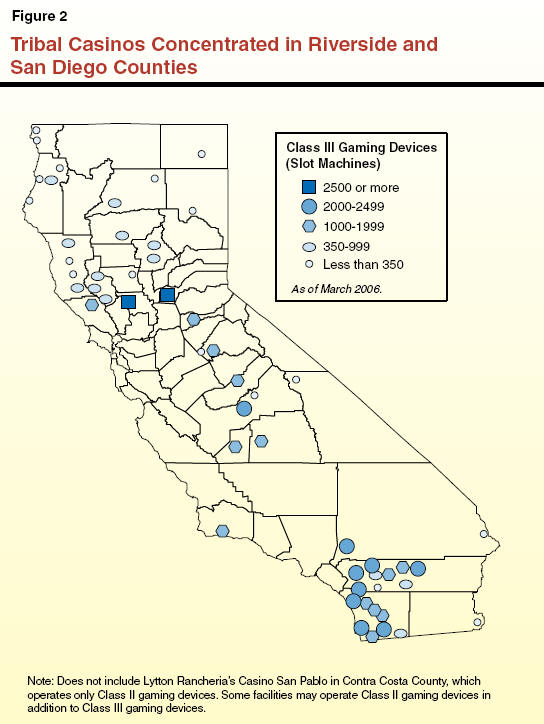
Tribal casinos are the undisputed giants of California’s gaming scene. There are over 60 tribal casinos operating across the state, primarily in southern California and near major metropolitan areas like Los Angeles and San Diego, but also extending to regions like the Palm Springs desert and up to Northern California. These establishments are significant economic drivers for their respective tribes, providing revenue for housing, healthcare, education, and cultural preservation. They are also major employers, offering thousands of jobs to both tribal members and non-members.
Many of these tribal casinos have evolved far beyond simple gaming halls. They are now full-fledged resorts, rivaling some of the best hotels and entertainment venues in the country. Examples include:
- Pechanga Resort Casino in Temecula, operated by the Pechanga Band of Luiseño Indians, which boasts a massive gaming floor, a luxury hotel, a championship golf course, multiple restaurants, a spa, and a concert venue.
- Yaamava’ Resort & Casino at San Manuel in Highland, owned by the San Manuel Band of Mission Indians, known for its extensive gaming options, high-end accommodations, and diverse dining experiences.
- Morongo Casino Resort & Spa near Cabazon, a striking architectural marvel run by the Morongo Band of Mission Indians, offering a luxurious hotel, pool oasis, and a wide array of gaming and entertainment.
- Agua Caliente Resort Casino Spa Rancho Mirage, part of the Agua Caliente Band of Cahuilla Indians properties, offering a sophisticated desert oasis with a hotel, spa, and vibrant gaming floor.
- Barona Resort & Casino, operated by the Barona Band of Mission Indians near Lakeside, known for its friendly atmosphere, excellent golf course, and focus on gaming.
These resorts are key attractions for tourists, providing not just gaming but also a complete lifestyle experience, integrating luxury travel with local culture and diverse activities.
Cardrooms: A Different Kind of Gaming Experience
California’s cardrooms offer a distinct flavor of gaming, focusing primarily on player-banked card games. These venues provide a social and often more intimate gaming environment compared to the large-scale tribal casinos. Some of the most famous cardrooms include:
- The Bicycle Hotel & Casino in Bell Gardens, a legendary poker destination and a comprehensive hotel and entertainment complex.
- Commerce Casino in Commerce, one of the largest cardrooms in the world, renowned for its extensive poker room and other California Games.
- Hollywood Park Casino in Inglewood, offering a modern gaming experience near major Los Angeles attractions.
While they do not offer slot machines or house-banked blackjack, cardrooms provide a thriving hub for card game enthusiasts, hosting major tournaments and catering to a dedicated clientele.
Horse Racing and Lottery: Long-Standing Traditions
Beyond casinos and cardrooms, California maintains its long-standing traditions of horse racing and a state lottery. Live horse racing events at tracks like Santa Anita Park, Del Mar Racetrack, and Golden Gate Fields continue to draw crowds who enjoy the thrill of the race and the social atmosphere. Off-track betting facilities also allow wagering on races from around the world. The California State Lottery offers a variety of games, including scratchers and multi-state draws like Powerball and Mega Millions, contributing significant funds to public education. These forms of gaming represent a more traditional, widely accepted part of California’s leisure and entertainment landscape.
Online Gaming: The Ongoing Debate
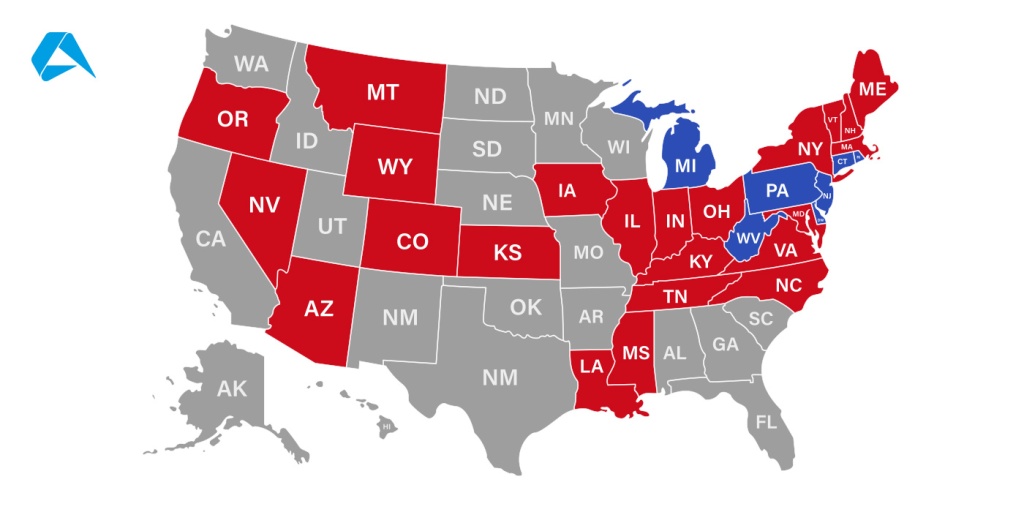
While land-based casinos and cardrooms thrive, the legality of online gaming in California remains a complex and hotly debated topic. Currently, most forms of online casino gambling are not legal within the state. However, the discussion around legalizing and regulating online poker and sports betting has been ongoing for years, involving tribal interests, cardrooms, and professional sports organizations. Daily Fantasy Sports (DFS) operates in a somewhat grey area, generally permitted but without explicit legislation. The future of online gaming in California is likely to involve continued legislative efforts and public referendums as stakeholders seek to tap into this lucrative market while navigating the intricate web of existing gaming interests.
Economic and Social Impact of California’s Gaming Industry
The legalization and growth of gaming in California have had profound economic and social repercussions, transforming communities and contributing significantly to the state’s overall prosperity.
Revenue Generation and Job Creation
Tribal casinos are economic powerhouses. The revenue generated from these operations has allowed tribes to invest in their communities, building schools, healthcare facilities, housing, and infrastructure. This self-sufficiency has dramatically improved the quality of life for tribal members, reversing historical trends of poverty and marginalization. Beyond tribal benefits, casinos are massive job creators, employing tens of thousands of people in various roles, from casino floor staff and hotel management to chefs, entertainers, and maintenance personnel. These jobs often come with competitive wages and benefits, providing stable employment in regions that might otherwise have limited economic opportunities.
Furthermore, tribal casinos contribute to local and state economies through direct payments and indirect spending. Compacts between the state and tribes often include provisions for revenue sharing, with funds allocated to statewide programs or to support non-gaming tribes. The tourism generated by these resorts boosts local businesses, including restaurants, shops, and other attractions, creating a ripple effect throughout the economy. Travel and tourism, a core theme for lifeoutofthebox.com, find a major driver in these destinations.
Challenges and Regulatory Oversight
Despite the numerous benefits, the gaming industry also faces challenges. Issues such as problem gambling require robust responsible gaming programs and support services, which California casinos actively promote. The regulatory environment is also complex, involving federal, state, and tribal authorities. The California Gambling Control Commission and the Bureau of Gambling Control oversee cardrooms and ensure compliance with state laws, while tribal gaming is primarily regulated by tribal gaming commissions in accordance with compacts and IGRA. Maintaining integrity and preventing illicit activities is a continuous effort, vital for public trust and the industry’s sustained success.
Tourism and Lifestyle Integration
For travelers, California’s casinos offer a compelling blend of gaming, luxury accommodation, and diverse lifestyle experiences. Many of these resorts are strategically located near other attractions, making them ideal bases for exploring wine country, desert landscapes, or coastal towns. The integration of high-end hotels, spas, golf courses, and entertainment venues means that visitors can enjoy a full vacation experience without needing to leave the resort, or they can easily venture out to discover nearby landmarks and cultural sites. This aligns perfectly with the “Hotels,” “Tourism,” “Accommodation,” and “Lifestyle” themes of this platform, presenting casinos as holistic travel destinations rather than just gambling halls.
Planning Your Casino Visit: Tips and Top Destinations
If you’re considering experiencing California’s legal gaming scene, here are some tips and notable destinations to help you plan your trip.
Choosing the Right Casino Experience
With a variety of options, selecting the right casino depends on your preferences:
- For a full resort experience: Look to major tribal casinos like Pechanga Resort Casino, Yaamava’ Resort & Casino at San Manuel, Morongo Casino Resort & Spa, or Thunder Valley Casino Resort near Sacramento. These offer extensive gaming, luxury hotels, diverse dining, and entertainment, perfect for a longer stay or a complete getaway.
- For card game enthusiasts: Head to renowned cardrooms like The Bicycle Hotel & Casino or Commerce Casino in the Los Angeles area, which specialize in poker and other player-banked games.
- For traditional sports betting and atmosphere: Visit a live horse racing track such as Santa Anita Park or Del Mar Racetrack for an exciting day out.
Remember to check the minimum age for gambling, which is generally 21 for casinos and cardrooms, though it can be 18 for horse racing or lottery.
Responsible Gaming Practices
While the thrill of gaming is undeniable, it’s crucial to practice responsible gaming. Set a budget before you go and stick to it. Understand the odds of the games you play, and remember that gambling should always be seen as entertainment, not a guaranteed way to make money. Most casinos offer resources for responsible gaming, including self-exclusion programs and helplines, reflecting their commitment to community well-being.

Notable Casino Resorts and Attractions
Beyond the ones previously mentioned, California is home to many other exceptional casino resorts that merge gaming with travel and lifestyle experiences:
- Sycuan Casino Resort: Located near San Diego, this resort by the Sycuan Band of the Kumeyaay Nation offers a luxurious hotel, pool, spa, and a championship golf course alongside a vibrant casino floor.
- Graton Resort & Casino: Situated in Rohnert Park in Sonoma County, it provides a sophisticated gaming and entertainment experience close to California’s famous wine country, perfect for combining a casino visit with a wine tasting tour.
- Harrah’s Resort Southern California: Operated by the Rincon Band of Luiseño Indians near Valley Center, it’s known for its lazy river, luxurious spa, and diverse dining options.
- Pala Casino Spa Resort: Another prominent destination in Northern San Diego County, offering a comprehensive resort experience including a hotel, spa, and a wide range of gaming.
- Fantasy Springs Resort Casino: Near Palm Springs, this resort offers a popular entertainment venue, bowling alley, and golf course in addition to its gaming floor.
Whether you’re looking for high-stakes action, a relaxing spa getaway, a gourmet dining experience, or a chance to explore California’s stunning natural beauty, the state’s casinos and gaming establishments offer a compelling dimension to any travel itinerary.
In conclusion, casinos are unequivocally legal in California, predominantly through the robust network of tribal gaming resorts. These establishments are not just places to gamble; they are integral parts of the state’s tourism and lifestyle offerings, providing luxurious accommodations, diverse entertainment, and significant economic contributions. From their challenging origins to their current status as thriving economic and cultural centers, California’s casinos represent a unique and exciting facet of the Golden State. For travelers interested in exploring beyond the usual tourist trails, these vibrant resorts offer a fascinating glimpse into Native American sovereignty, economic development, and world-class entertainment. So, the next time you plan a trip to California, consider including a visit to one of its many exceptional casino resorts for an unforgettable experience that blends excitement with luxury and local culture.
LifeOutOfTheBox is a participant in the Amazon Services LLC Associates Program, an affiliate advertising program designed to provide a means for sites to earn advertising fees by advertising and linking to Amazon.com. Amazon, the Amazon logo, AmazonSupply, and the AmazonSupply logo are trademarks of Amazon.com, Inc. or its affiliates. As an Amazon Associate we earn affiliate commissions from qualifying purchases.