
The image of California dramatically sliding into the vast Pacific Ocean is a powerful, albeit inaccurate, piece of pop culture mythology. Fueled by disaster movies and a fundamental misunderstanding of geology, this captivating scenario often sparks concern and curiosity among travelers and residents alike. While California is undoubtedly a geologically active region, constantly shaped by the Earth’s powerful forces, the reality is far less sensational than a sudden plunge into the abyss. Instead, the Golden State offers a dynamic landscape of unparalleled beauty, resilient communities, and an exciting array of travel experiences, all defined by its unique tectonic setting.
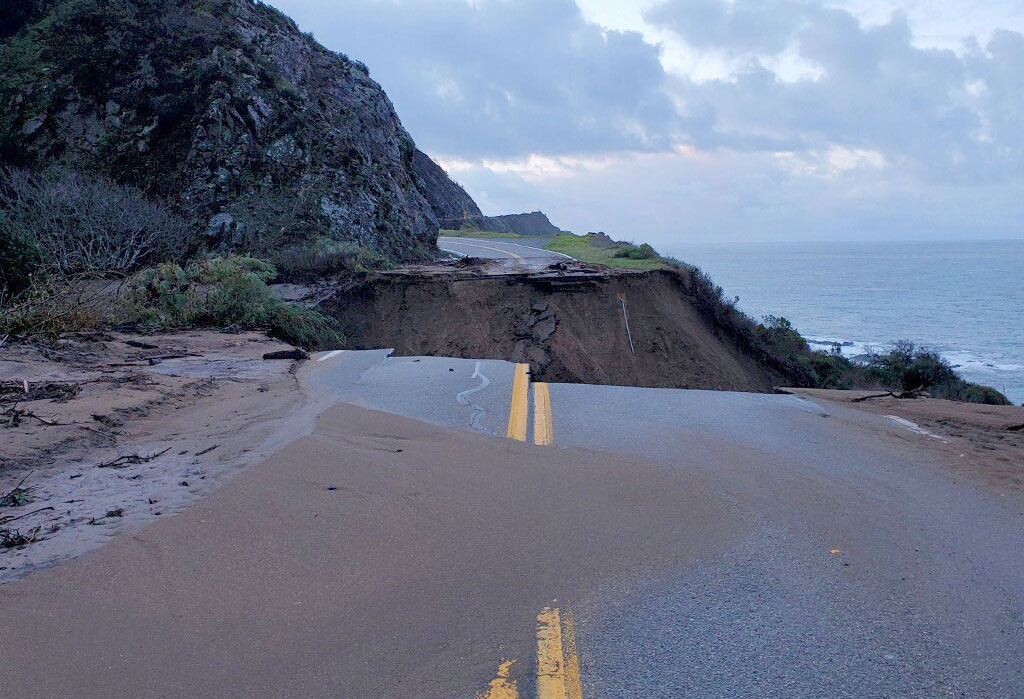
For those planning to explore its iconic landmarks, vibrant cities, and serene natural wonders, understanding the true geological story is key. It reveals not a pending disaster, but rather the fascinating processes that have created California’s diverse topography, from towering mountains to sun-drenched beaches and arid deserts. This article will delve into the science behind the myth, explore how California’s geology enriches its allure as a premier travel destination, and provide insights into enjoying its unique lifestyle and diverse accommodations.
The Geological Reality: A Dance of Tectonic Plates
To address the question directly: No, California cannot fall into the ocean. The misconception arises from its location along a major plate boundary, but the movement here is primarily lateral, not subduction (where one plate slides under another). Understanding this distinction is crucial to grasping California’s geological fate.
The San Andreas Fault and Beyond
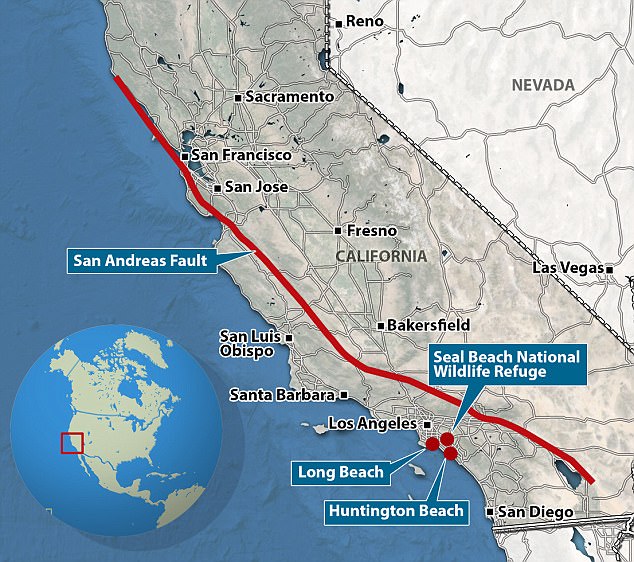
California sits atop the boundary between two colossal tectonic plates: the Pacific Plate and the North American Plate. These plates are not colliding head-on, nor is one diving beneath the other in most of California. Instead, they are grinding past each other in a horizontal motion. This type of boundary is known as a transform fault, with the most famous example being the legendary San Andreas Fault.
The San Andreas Fault stretches for approximately 800 miles through California, from the Salton Sea in the south to Cape Mendocino in the north. The Pacific Plate, which includes parts of Southern California (like Los Angeles and San Diego and the coastline west of the fault line), is moving northwestward relative to the North American Plate, which encompasses the rest of the continental United States. This slow, relentless movement is roughly at the same rate your fingernails grow – about 2 inches (5 centimeters) per year.
Over millions of years, this lateral motion will indeed shift parts of California significantly northward. For example, in about 15 million years, what is currently Los Angeles could be adjacent to what is now San Francisco. But this is a gradual process of continental drift, not a sudden catastrophic collapse. The land doesn’t “fall in”; it slides horizontally.
While the primary motion is horizontal, there are other, smaller fault systems and regional variations. For instance, in Northern California, particularly off the coast of Cape Mendocino, there is indeed a complex triple junction of plates, including a segment of subduction (the Gorda Plate diving under the North American Plate). However, this is localized and does not imply the entire state is destined to disappear. California’s active geology is part of the Pacific Ring of Fire, a horseshoe-shaped belt around the Pacific Ocean known for its intense seismic and volcanic activity, giving rise to some of the world’s most spectacular natural wonders.
Seismic Activity and Preparedness
The friction between the moving plates along the San Andreas Fault and its many subsidiary faults is what causes earthquakes. These seismic events are a natural and unavoidable part of living in California. While large earthquakes, often referred to as “the Big One,” are a known risk, California has developed some of the most advanced earthquake preparedness and building codes in the world.
Modern buildings, especially in major urban centers like San Francisco, Los Angeles, and San Diego, are constructed with seismic resilience in mind. They incorporate features like flexible foundations, sheer walls, and base isolators designed to absorb seismic energy and prevent collapse. Older structures often undergo retrofitting to meet current safety standards. Public infrastructure, including bridges, freeways, and utility lines, is regularly inspected and upgraded for earthquake resistance.
Government agencies like the U.S. Geological Survey (USGS) and academic institutions such as Caltech and the University of California, Berkeley constantly monitor seismic activity, conduct research, and provide public education on earthquake safety. Residents and businesses are well-versed in “Drop, Cover, and Hold On” protocols, and emergency services are highly trained for disaster response. For travelers, this means that while earthquakes are a reality, the risk of serious harm due to structural failure in modern accommodation or public spaces is significantly mitigated. Awareness and basic preparedness, such as knowing emergency exits and staying calm, are always advisable when visiting any seismically active region.
California’s Enduring Allure: Travel Amidst Geological Wonders
Far from being a deterrent, California’s active geology is precisely what has forged its incredible diversity and dramatic beauty, making it one of the most sought-after travel destinations globally. The state’s tectonic movements have sculpted iconic landscapes that attract millions of tourists each year.
Iconic Landmarks and Natural Beauty
The geological forces at play have given birth to some of the most breathtaking natural attractions in the United States.
- Yosemite National Park: Carved by glaciers during the Ice Ages, themselves influenced by the uplift of the Sierra Nevada Mountains – a process driven by plate tectonics – Yosemite boasts magnificent granite cliffs like El Capitan and Half Dome, pristine alpine meadows, and spectacular waterfalls. It’s a testament to the power of Earth’s processes.
- Death Valley National Park: One of the hottest and driest places on Earth, Death Valley is a basin formed by extensional faulting, where the Earth’s crust is being pulled apart, creating dramatic grabens and horsts. Its otherworldly landscapes, salt flats, and colorful badlands are a stark contrast to Yosemite.
- Big Sur: Along the central coast, Big Sur is where the Santa Lucia Mountains plunge dramatically into the Pacific Ocean. This rugged, scenic stretch of Highway 1 is a result of ongoing uplift and erosion, showcasing the constant geological dance at the plate boundary.
- Redwood National and State Parks: In Northern California, the world’s tallest trees thrive in a unique climate shaped by coastal fog and a specific geological setting. While not directly fault-related, the mountains and valleys that allow these giants to flourish are products of broader tectonic forces.
- Joshua Tree National Park: Located where the Mojave Desert meets the Colorado Desert, Joshua Tree is renowned for its surreal rock formations – giant monzogranite boulders smoothed by wind and water, part of an ancient geological history.
Beyond these natural wonders, California’s human-made landmarks also attract global attention. The iconic Golden Gate Bridge in San Francisco, a marvel of engineering, stands majestically over its bay, designed to withstand seismic events. The Hollywood Sign overlooks Los Angeles, symbolizing the entertainment capital, while Disneyland Park in Anaheim and Universal Studios Hollywood offer immersive experiences. The vibrant Santa Monica Pier provides classic coastal fun, and the historic Alcatraz Island in San Francisco Bay tells tales of a bygone era. These attractions, coupled with the state’s diverse geography, make for an endlessly fascinating travel destination.
Navigating California’s Diverse Destinations
California offers an unparalleled variety of destinations, each with its own unique charm and appeal, reflecting its vast geographical and cultural expanse.
- Los Angeles: The sprawling metropolis is a hub for entertainment, fashion, and art. Visitors can explore the glitz and glamour of Hollywood, the upscale shops of Beverly Hills, or the diverse neighborhoods offering world-class cuisine. Its proximity to beaches and mountains means endless activities for all types of travelers.
- San Francisco: Famous for its hilly terrain, cable cars, and Victorian architecture, San Francisco is a city of distinct character. From the historic Fisherman’s Wharf to the bohemian vibes of Haight-Ashbury, it offers a rich cultural experience.
- San Diego: Known for its beautiful beaches, warm climate, and vibrant downtown Gaslamp Quarter, San Diego provides a relaxed, coastal lifestyle with plenty of outdoor activities and delicious Mexican-inspired food.
- Napa Valley & Sonoma County: California’s renowned Wine Country offers picturesque vineyards, gourmet dining, and luxurious resorts. It’s a perfect retreat for those seeking a sophisticated escape and culinary experiences.
- Lake Tahoe: Straddling the border with Nevada, Lake Tahoe is a stunning freshwater lake surrounded by the Sierra Nevada Mountains. It’s a year-round destination for skiing, hiking, boating, and enjoying spectacular scenery.
- Santa Barbara: Often called the “American Riviera,” Santa Barbara boasts Spanish colonial architecture, pristine beaches, and a relaxed, upscale atmosphere.
- Palm Springs: A desert oasis known for its mid-century modern architecture, golf courses, and vibrant arts scene, Palm Springs offers a luxurious retreat in the Coachella Valley.
Whether you’re exploring the geological wonders of its national parks, seeking urban adventures, or relaxing on its beautiful coastlines, California offers an endless tapestry of experiences for every type of traveler.
Experiencing California: Accommodation and Lifestyle Insights
Traveling through California is an immersive experience, and where you stay plays a significant role. From luxurious resorts in wine country to boutique hotels in bustling cities, and charming villas along the coast, California’s accommodation options are as diverse as its landscapes.
Hotels and Accommodation in a Seismic Zone
When it comes to accommodation in California, safety is a paramount concern for developers and guests alike. Modern hotels and resorts across the state are designed and built to withstand significant seismic activity, incorporating advanced engineering and strict building codes.
- Seismic Design: New structures often feature innovative designs, such as flexible frames, shear walls, and even base isolation systems that decouple the building from the ground’s movement during an earthquake. This ensures that guests in high-rise hotels in cities like Los Angeles or San Francisco can feel secure.
- Retrofitting: Many older, iconic hotels have undergone extensive seismic retrofitting, reinforcing their foundations and structures to meet contemporary safety standards. This ensures that even historic boutique hotels or grand resorts offer a safe haven.
- Emergency Preparedness: Hotels in California typically have comprehensive emergency plans, including trained staff, clear evacuation routes, and emergency supplies. Guests usually find information on earthquake safety procedures readily available in their rooms.
Whether you’re booking a luxurious suite at a Hyatt or Marriott property in Downtown Los Angeles, a charming Airbnb in Carmel-by-the-Sea, or a rustic cabin near Yosemite, you can expect a high standard of safety. The focus on robust construction and preparedness is an integral part of California’s tourism infrastructure, ensuring that visitors can enjoy their stay without undue worry. Many unique accommodations also embrace their surroundings, from eco-lodges in Mendocino to opulent villas in Palm Springs, all built with the state’s geological realities in mind.

The Californian Lifestyle: Living with the Earth’s Movements
The Californian lifestyle is unique, characterized by an embrace of the outdoors, innovation, and a pragmatic acceptance of the Earth’s dynamic nature. While the thought of earthquakes might concern outsiders, for most Californians, it’s simply a part of life.
- Resilience and Preparedness: Rather than living in fear, Californians integrate earthquake preparedness into their daily routines. Homes often have emergency kits, and drills are common in schools and workplaces. This proactive approach fosters a sense of resilience.
- Outdoor Living: The state’s stunning natural landscapes encourage an active, outdoor-centric lifestyle. Surfing in Malibu, hiking in the Santa Monica Mountains, skiing in Tahoe, or exploring the remote beauty of Channel Islands National Park – these activities are deeply ingrained in the culture. The beautiful weather, even influenced by geological features, makes this possible year-round.
- Innovation and Culture: California is a global leader in innovation, from Silicon Valley‘s tech giants to Hollywood’s creative industries. This spirit of forward-thinking also applies to how the state approaches its geological challenges, continually investing in research and advanced engineering to ensure safety and sustainability. The vibrant culture thrives amidst this dynamic backdrop, influencing everything from architecture to local food scenes.
- Appreciation of Nature: Living in such a geologically active region also fosters a profound appreciation for the power and beauty of nature. The dramatic coastlines, towering mountain ranges, and expansive deserts are a constant reminder of the planet’s majesty, shaping an adventurous and environmentally conscious populace.
For travelers, embracing the Californian lifestyle means engaging with this unique blend of natural wonder, technological advancement, and a pragmatic approach to living with seismic activity. It’s about enjoying the vibrant cities, exploring the diverse landscapes, and appreciating the resilience and pioneering spirit of its people.
The captivating myth of California falling into the ocean, while entertaining, obscures a far more interesting truth. California is not sinking; it’s sliding. It’s a land in constant, dynamic motion, where the slow, inexorable forces of plate tectonics have sculpted a landscape of extraordinary beauty and diversity. This geological activity, rather than posing an insurmountable threat, has shaped the state’s iconic landmarks, influenced its resilient lifestyle, and underpinned its status as a world-class travel destination.
From the seismic-resistant hotels that welcome tourists to the robust infrastructure that supports its bustling cities, California has learned to live with and thrive amidst its geological reality. So, when you plan your next trip to the Golden State, rest assured that you’re not visiting a land on the brink of collapse, but rather a vibrant, dynamic place that perfectly embodies the Earth’s enduring power and capacity for breathtaking transformation. It’s a place where adventure awaits, safety is prioritized, and the wonder of nature is always on full display.
LifeOutOfTheBox is a participant in the Amazon Services LLC Associates Program, an affiliate advertising program designed to provide a means for sites to earn advertising fees by advertising and linking to Amazon.com. Amazon, the Amazon logo, AmazonSupply, and the AmazonSupply logo are trademarks of Amazon.com, Inc. or its affiliates. As an Amazon Associate we earn affiliate commissions from qualifying purchases.