
California, a land celebrated for its breathtaking landscapes, vibrant cities, and a lifestyle intimately connected to the water, offers an unparalleled playground for boating enthusiasts. From the serene alpine lakes of the Sierra Nevada to the bustling marinas of its extensive coastline, the Golden State beckons adventurers to explore its aquatic wonders. Whether you dream of cruising the tranquil waters of Lake Tahoe, navigating the iconic San Francisco Bay beneath the Golden Gate Bridge, or enjoying the sun-drenched beaches of Southern California, the allure of life on the water is undeniable.
However, before you cast off into the horizon, a crucial question arises for both residents and visitors alike: Do you need a boating license in California? The answer, while seemingly straightforward, involves understanding specific regulations, age requirements, and a commitment to safety that ensures enjoyable and responsible recreation for everyone. This comprehensive guide will navigate you through California’s boating license requirements, delve into essential safety practices, and highlight some of the state’s most captivating boating destinations, ensuring your aquatic adventures are both thrilling and compliant.
Navigating California’s Waters: Understanding Boating Regulations
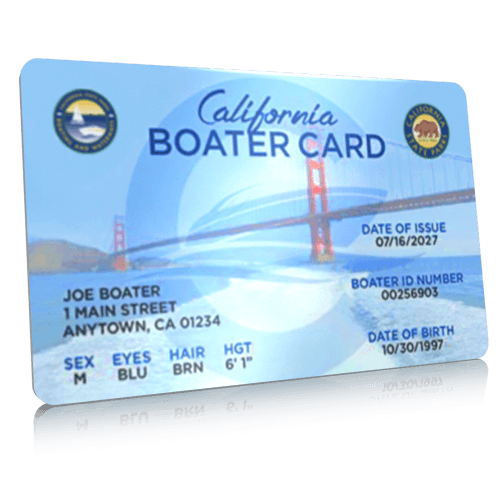
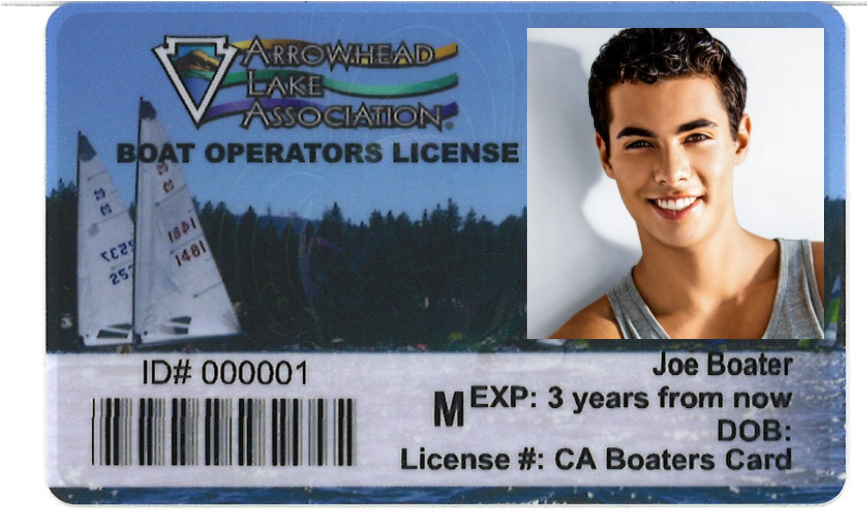
The dream of gliding across California’s pristine waters is a powerful draw, but understanding the legal framework governing recreational boating is the first step toward a seamless experience. Unlike a driver’s license for an automobile, California doesn’t issue a traditional “boating license.” Instead, the state mandates the acquisition of a California Boater Card, also known as the California Vessel Operator Card (CVOC), for individuals operating motorized recreational vessels on state waterways. This card serves as proof that you have successfully completed an approved boating safety course and possess the fundamental knowledge to operate a boat safely and responsibly.
The phased-in implementation of this requirement means that not everyone needs the card immediately, but the trend points toward universal compliance. As a leading travel and lifestyle resource, we emphasize that acquiring this card is not merely a legal obligation but a testament to your commitment to safety – a cornerstone of any memorable travel experience.
The California Boater Card: Who Needs It and When?
The requirement for the California Boater Card is being phased in by age, meaning younger operators were the first to require it, with the mandate expanding to older age groups over time. This approach allows the boating community to gradually adapt to the new regulations. As of January 1, 2023, all operators of motorized vessels 35 years of age and younger are required to carry the card. By January 1, 2025, all operators of motorized vessels, regardless of age, will need to possess a valid California Boater Card.
This phased implementation underscores the importance the state places on boating safety education for all generations of mariners. If you fall within the currently mandated age group, or if you plan to operate a boat in California after 2025, securing your card is paramount. It’s also crucial to remember that this requirement applies to any vessel propelled by machinery, including personal watercraft (PWCs) like jet skis, which are popular for thrill-seekers in many California coastal towns and lakes.
The Path to Certification: Boating Safety Education
Obtaining your California Boater Card is a straightforward process designed to equip you with essential knowledge. The primary requirement is the successful completion of a boating safety course approved by the California Division of Boating and Waterways (DBW) and accepted by the National Association of State Boating Law Administrators (NASBLA). These courses cover a wide range of critical topics, including:
- Navigation Rules: Understanding the “rules of the road” on water, including right-of-way, aids to navigation (buoys, markers), and safe passing procedures.
- Boating Safety Equipment: Knowing what safety gear is required on board (life jackets, fire extinguishers, sound-producing devices) and how to use it effectively.
- Emergency Procedures: How to handle common emergencies such as man overboard, capsizing, fire, or running aground.
- Environmental Awareness: Responsible boating practices to protect California’s diverse marine and freshwater ecosystems.
- Vessel Operation: Basic maneuvering, docking, anchoring, and understanding your boat’s capabilities and limitations.
- Legal Requirements: Familiarity with state and federal boating laws, including speed limits, waste disposal, and reporting accidents.
These courses are widely available both online and in person, offering flexibility to suit various lifestyles and schedules. For travelers planning a boating excursion, completing an online course before your trip can be a convenient way to ensure compliance and enhance your overall experience. The certification process is designed not to be a hurdle, but rather a valuable educational journey that enriches your understanding and appreciation of water recreation.
Important Exemptions and Special Considerations
While the California Boater Card is becoming increasingly widespread, there are a few important exemptions and considerations to note, particularly for visitors:
- Out-of-State Visitors: If you are visiting California and possess a valid boating license or certificate from your home state or country that is approved by NASBLA, you are generally exempt from needing a California Boater Card for up to 60 days. This reciprocal agreement acknowledges equivalent safety education.
- Vessel Rental: Often, when renting a motorized vessel from a livery or marina, individuals who do not possess a California Boater Card may be permitted to operate the vessel after receiving a thorough orientation and safety briefing from the rental company. These companies are typically responsible for ensuring their renters understand basic safety rules and local regulations. However, it’s always wise to confirm this policy with the specific rental agency.
- Non-Motorized Vessels: The requirement for the California Boater Card applies specifically to motorized vessels. If you’re planning to enjoy kayaking, canoeing, paddleboarding, or sailing a non-motorized sailboat, a card is not required, though strong swimming skills and general water safety awareness are always recommended.
- Documented Vessels: Operators of commercial vessels or vessels specifically documented with the United States Coast Guard (USCG) for specific purposes (e.g., fishing charters with licensed captains) may fall under different federal licensing requirements, and thus are generally exempt from the state’s recreational boater card.
Understanding these nuances is key, especially if you’re planning a vacation that involves a mix of boating activities or are visiting from outside California. Always double-check the most current regulations with the California Division of Boating and Waterways or a reputable local marina.
Beyond the Card: Essential Boating Safety and Etiquette
While possessing the California Boater Card is a legal benchmark, it represents only the foundation of safe and responsible boating. True enjoyment on the water stems from a holistic approach to safety, respect for fellow mariners, and a commitment to preserving California’s stunning natural environments. For anyone seeking to embrace the lifeoutofthebox.com ethos of enriching experiences, prioritizing safety elevates a simple boat trip into an unforgettable adventure.
Prioritizing Safety on the Water
Safety should always be the captain’s top priority. Even with a boater card, vigilance and preparedness are paramount. Here are critical aspects to consider:
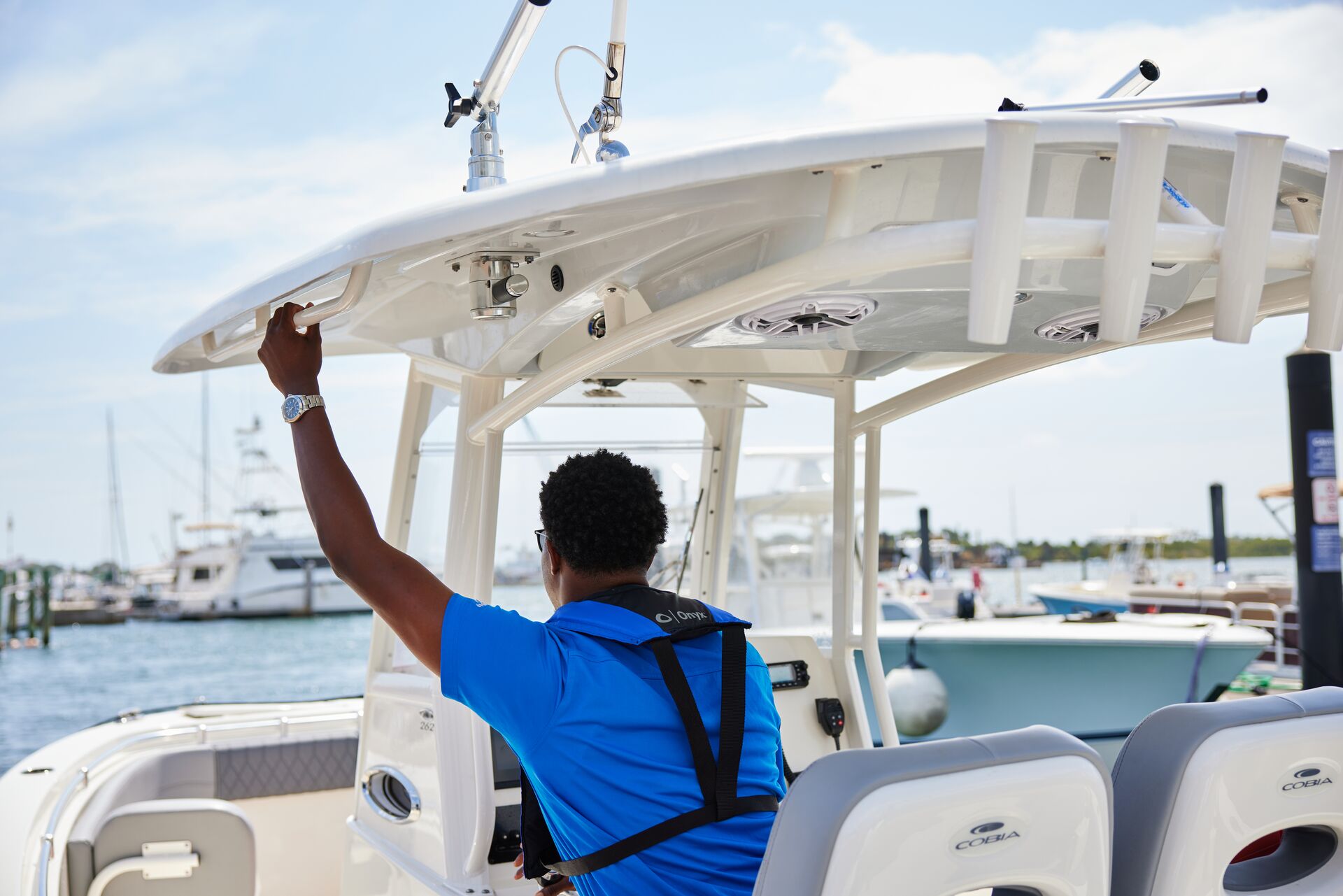
- Life Jackets for All: The law requires readily accessible, USCG-approved life jackets for every person on board. Children under 13 must wear a life jacket at all times on a moving vessel. Make sure they fit properly, especially for younger passengers.
- Weather Watch: California’s weather can change rapidly, particularly in coastal areas or large lakes. Always check the marine forecast before heading out and be prepared to alter your plans if conditions deteriorate.
- Designate an Assistant: Ensure at least one other person on board knows how to operate the vessel, drop anchor, use the radio, and handle basic emergencies.
- No Drinking and Boating: Operating a boat under the influence of alcohol or drugs is illegal and incredibly dangerous. California has strict BUI (Boating Under the Influence) laws, and the consequences are severe.
- File a Float Plan: Inform a responsible person on shore about your itinerary, including where you’re going, who’s with you, and when you expect to return. This simple step can be life-saving if you encounter an unexpected problem.
- Vessel Maintenance: Before each outing, perform a quick check of your boat’s engine, fuel level, battery, and safety equipment. Prevention is always better than cure.
- Know Your Limits: Don’t attempt maneuvers beyond your skill level or venture into conditions that challenge your vessel’s capabilities.
By adhering to these safety principles, you not only protect yourself and your passengers but also contribute to a safer environment for everyone sharing the waterways.
Respecting California’s Marine Environments
California’s natural beauty is its crown jewel, and boaters have a crucial role in preserving it. The state’s diverse aquatic ecosystems, from its rich kelp forests to its vital freshwater habitats, are home to an incredible array of wildlife. Responsible boating practices are essential for minimizing your environmental footprint:
- No Wake Zones: Observe “no wake” speed limits in marinas, near shore, and in designated areas to prevent erosion, protect wildlife, and ensure the safety of swimmers and smaller craft.
- Proper Waste Disposal: Never discharge sewage, trash, or pollutants into the water. Utilize shore-side pump-out facilities and dispose of garbage properly. “Pack it in, pack it out” applies equally to boating.
- Protect Wildlife: Maintain a respectful distance from marine mammals, seabirds, and other wildlife. Never harass or feed them. Be aware of designated marine protected areas where certain activities might be restricted.
- Prevent Invasive Species: Clean, drain, and dry your boat, trailer, and gear thoroughly after each use, especially when moving between different bodies of water. This helps prevent the spread of harmful aquatic invasive species.
- Anchor Responsibly: Choose anchoring spots that won’t damage sensitive habitats like seagrass beds or coral reefs. Use mooring buoys when available.
Embracing these practices means contributing to the sustainability of California’s aquatic playgrounds for future generations of travelers and adventurers.
Exploring California’s Premier Boating Destinations
California’s vast and varied geography offers an endless array of boating opportunities, catering to every type of water enthusiast. From tranquil lakes nestled in towering mountains to expansive bays dotted with iconic landmarks, and a stunning coastline perfect for ocean adventures, the state is a boater’s paradise. Integrating these experiences into your travel plans creates truly memorable journeys, connecting you with the heart of California’s natural splendor.
Northern California’s Aquatic Wonders
Northern California presents a striking contrast of majestic mountains and sprawling deltas, each offering unique boating experiences.
- Lake Tahoe: Straddling the border of California and Nevada, Lake Tahoe is perhaps the most iconic alpine lake in North America. Its crystal-clear, deep blue waters are ideal for powerboating, waterskiing, wakeboarding, and sailing, all set against a backdrop of snow-capped peaks and lush pine forests. Numerous marinas around South Lake Tahoe and North Lake Tahoe offer rentals and services. The surrounding towns also provide luxurious accommodations, from resorts to cozy cabins, perfect for a relaxing retreat after a day on the water.
- San Francisco Bay: For those seeking an urban boating adventure, San Francisco Bay offers unparalleled views of the Golden Gate Bridge, Alcatraz Island, and the San Francisco skyline. Sailing is particularly popular here, with strong winds making for exhilarating experiences. Powerboating allows for exploration of various coves and charming waterfront towns like Sausalito and Tiburon. Navigating the bay requires skill and awareness of strong currents and dense marine traffic, but the reward is truly spectacular.
- Sacramento-San Joaquin River Delta: East of the San Francisco Bay lies a vast network of navigable rivers and sloughs, forming one of the largest river deltas in the world. The Sacramento-San Joaquin River Delta is a hidden gem for boaters, offering thousands of miles of waterways perfect for leisurely cruising, fishing, and discovering quaint riverside communities. It’s a tranquil escape, offering a different pace of boating compared to the open ocean or busy lakes.
Coastal Charms and Southern California Adventures
The California coastline, stretching for hundreds of miles, is a world-renowned destination for ocean lovers, and Southern California particularly shines with its vibrant beach cities and island getaways.
- Newport Beach and Marina del Rey: These iconic coastal cities are epitomes of the Southern California boating lifestyle. Newport Beach boasts one of the largest recreational harbors on the West Coast, teeming with luxury yachts, sailboats, and rental options for every type of watercraft. From harbor cruises to deep-sea fishing charters, the possibilities are endless. Similarly, Marina del Rey, near Los Angeles, is a bustling hub for sailing, paddleboarding, and yachting, offering easy access to the open ocean for whale watching or coastal cruising.
- San Diego: With its near-perfect weather and expansive bay, San Diego is a prime destination for boating. San Diego Bay provides calm waters for sailing, powerboating, and even kayak tours, offering stunning views of the city skyline, the Coronado Bridge, and naval ships. Beyond the bay, the open Pacific beckons for sportfishing, surfing, and trips to nearby Coronado Island or Catalina Island.
- Catalina Island: A short boat trip from the Southern California mainland, Catalina Island is a true island paradise, famous for its crystal-clear waters, snorkeling, diving, and charming towns like Avalon. Many boaters enjoy anchoring in secluded coves around the island, offering a unique blend of adventure and relaxation. Getting there by private boat is a quintessential Southern California experience, but knowing your charts and weather conditions is vital for the crossing.
- Santa Barbara and Monterey Bay: Further north along the coast, Santa Barbara boasts a beautiful harbor and access to the Channel Islands National Park, a protected archipelago often called “the Galapagos of North America.” Monterey Bay, on the central coast, is renowned for its incredible marine life, including whales, dolphins, and sea otters, making it a fantastic spot for wildlife viewing by boat.
Each of these destinations, whether for a day trip or an extended vacation, offers unique attractions and experiences that blend seamlessly with the boating lifestyle.
Boating as a Lifestyle: Rentals, Charters, and Unforgettable Experiences
For many, boating in California isn’t just an occasional activity; it’s a way of life. From luxury yacht owners exploring the Pacific to families enjoying weekend excursions on a rented pontoon, the water offers a distinct flavor of adventure and relaxation. For tourists and those without their own vessel, California’s robust tourism infrastructure provides numerous accessible ways to experience this lifestyle.
Renting a Boat in California: What You Need to Know
If you don’t own a boat but wish to explore California’s waterways, renting is an excellent option. Marinas and rental companies across the state offer a wide variety of vessels, from small fishing boats and kayaks to pontoon boats, powerboats, and even luxurious yachts.
- Requirements for Renters: While rental companies are generally responsible for ensuring their customers receive adequate safety briefings, they may still inquire about your boating experience or require a temporary waiver if you don’t possess a California Boater Card. It’s crucial to be honest about your experience level and listen attentively to all instructions provided. Some rental agencies might offer short introductory courses or require a demonstration of basic operating skills.
- Types of Rentals: Consider the type of experience you’re seeking. A small powerboat or pontoon is perfect for a family day on a lake, while a larger yacht might be rented for a special event or a luxurious coastal cruise. Personal watercraft (jet skis) are popular for high-energy fun.
- Booking in Advance: Especially during peak season or holidays, popular rental spots fill up quickly. Booking your boat well in advance, particularly in destinations like Lake Tahoe, Newport Beach, or San Diego, is highly recommended.
- Insurance and Safety Briefings: Always understand what insurance is included with your rental and consider additional coverage if available. Pay close attention to the safety briefing, where you’ll learn about the specific vessel’s features, emergency equipment, and local rules.
Renting a boat offers the freedom of the water without the responsibilities of ownership, making it an ideal choice for many travelers looking for unique experiences.
Embracing the Californian Boating Lifestyle
Boating in California extends beyond mere recreation; it’s an integral part of the state’s vibrant lifestyle. Imagine tying up your boat at a waterfront restaurant in Sausalito, enjoying fresh seafood with the San Francisco Bay as your backdrop. Or perhaps a leisurely cruise through Marina del Rey, admiring the impressive array of yachts and the lively atmosphere.
This lifestyle caters to diverse tastes:
- Luxury Experiences: Chartering a yacht for a week-long cruise to Catalina Island or along the Santa Barbara coast, complete with a professional crew, gourmet dining, and opulent amenities, exemplifies luxury travel at its finest. Many high-end hotels and resorts in coastal areas can arrange such experiences for their guests.
- Family Fun: Pontoon boats on calmer lakes or gentle river deltas provide safe and spacious platforms for families to swim, fish, and picnic. Many lakeside resorts offer dedicated family-friendly boating packages.
- Adventure and Sport: From deep-sea fishing charters off San Diego to watersports like wakeboarding and surfing on speedboats, the adrenaline-fueled side of boating is incredibly popular.
- Wellness and Retreats: Sailing can be a profoundly meditative experience, offering a chance to disconnect and reconnect with nature. Many retreats near coastal or lakeside areas incorporate sailing or paddling into their wellness programs.
Whether you’re a seasoned sailor, a casual pleasure boater, or a curious traveler, California’s waters offer a captivating blend of beauty, adventure, and community. The regulations, while important, are designed to enhance this experience, ensuring that every moment spent on the water is safe, respectful, and unforgettable.
Conclusion
The question “Do You Need A Boating License In California?” is met with a clear answer: yes, eventually all operators of motorized vessels will require the California Boater Card. This phased-in requirement underscores California’s commitment to boating safety education, ensuring that those who navigate its incredible waterways do so with the knowledge and responsibility required for safe passage.
For travelers and residents alike, understanding these regulations is not just about compliance; it’s about unlocking a richer, safer, and more enjoyable experience on the water. Beyond the card, a commitment to general boating safety, environmental stewardship, and respectful etiquette ensures that California’s stunning lakes, rivers, and coastal waters remain pristine and accessible for generations to come.
From the majestic expanse of Lake Tahoe to the vibrant energy of Newport Beach and San Diego, California offers an aquatic paradise unlike any other. Whether you choose to obtain your boater card, rent a vessel for a day, or embark on a luxurious charter, the opportunities for adventure and relaxation are boundless. So, prepare yourself with the necessary knowledge, embrace the spirit of responsible exploration, and set sail for unforgettable memories on California’s breathtaking waters. Your next great lifeoutofthebox.com adventure awaits!