
The question “Does it snow in San Francisco, California?” is a common one, often conjuring images of postcard-perfect winter scenes. For many, the idea of a major American city experiencing snowfall is a romantic notion, evoking coziness and festive cheer. However, for those familiar with the Golden City, the answer is a resounding “rarely, and almost never in a way that truly counts.” While California is a state of incredible climatic diversity, boasting everything from desert heat to towering snowy peaks, San Francisco itself occupies a unique meteorological niche.
Nestled on the northern tip of a peninsula, surrounded by the Pacific Ocean and San Francisco Bay, the city’s weather is primarily dictated by its marine influence. This geographical positioning results in a climate that is famously mild, with consistently cool temperatures and a distinct lack of extreme heat or biting cold. It’s a city renowned for its iconic fog, brisk breezes, and microclimates that can see one neighborhood bathed in sunshine while another is shrouded in mist. The concept of significant snowfall simply doesn’t align with these prevalent atmospheric conditions.
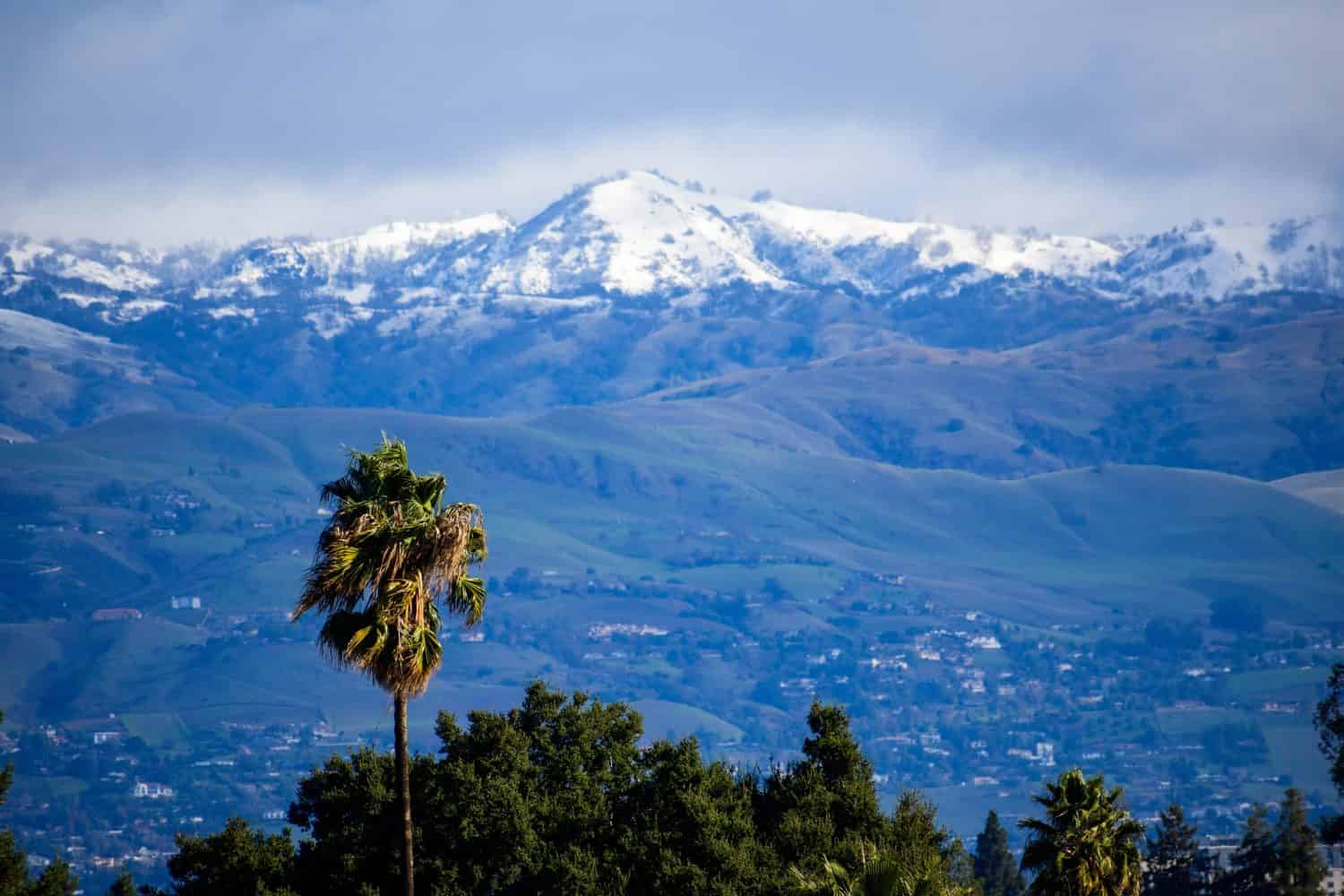
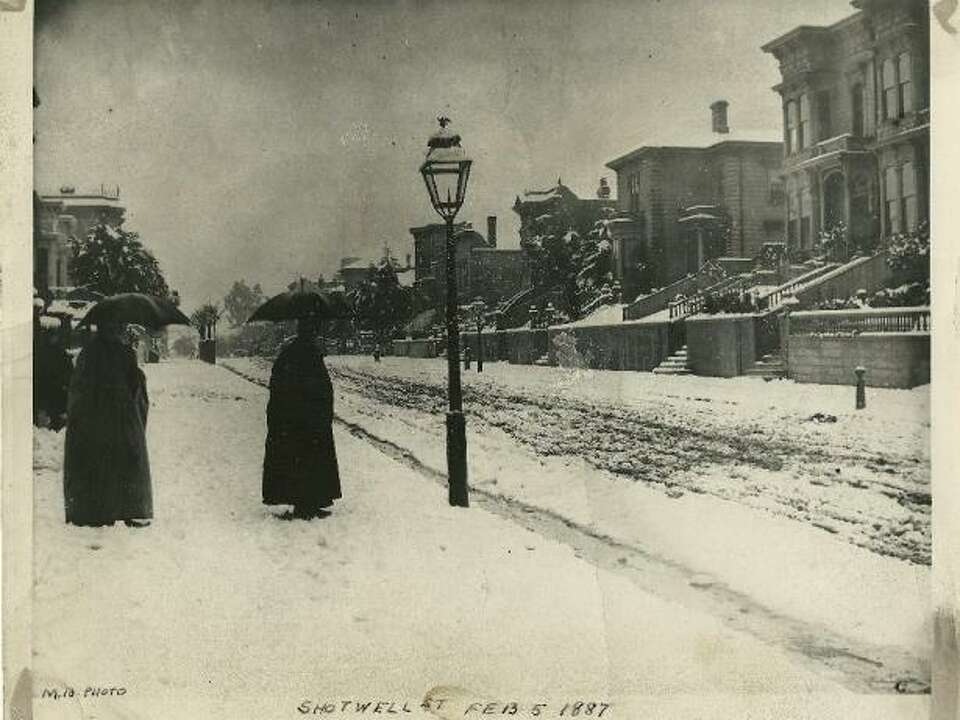
While historical records do show a handful of fleeting instances of snow flurries over the past century – mostly light dustings that quickly melted and rarely accumulated – these events are aberrations rather than typical occurrences. The last notable snowfall that actually stuck to the ground in San Francisco was in February 1976, and even then, it was a modest covering. Since then, there have been a few scattered reports of snowflakes, but nothing substantial enough to disrupt daily life, build a snowman, or even justify a winter coat for more than a few minutes. So, if you’re planning a trip to San Francisco hoping for a snowy wonderland, you’ll likely be disappointed. However, what the city lacks in snow, it more than makes up for in unique weather patterns and an abundance of year-round attractions and experiences that draw millions of visitors annually.
San Francisco’s Unique Microclimates and Weather Patterns
Understanding the weather in San Francisco is key to appreciating its charm and planning a successful visit. The city is famous for its “microclimates,” distinct weather zones that can vary significantly within just a few miles. This phenomenon is largely due to the interaction of the cool marine air from the Pacific Ocean with the city’s hills and diverse topography.
The Iconic Fog: San Francisco’s Natural Air Conditioning
The most defining feature of San Francisco’s climate is its fog. Often personified as “Karl the Fog,” this dense marine layer rolls in frequently, especially during the summer months, providing a natural air conditioning system that keeps temperatures mild. The fog forms over the colder waters of the Pacific Ocean and is then pushed inland by high-pressure systems. As it encounters the city’s hills, it often hangs low, blanketing iconic landmarks like the Golden Gate Bridge and creating dramatic, ethereal scenes.
While the fog can sometimes obscure views, it’s also an integral part of the San Francisco experience. It keeps the summer temperatures surprisingly cool, often prompting visitors to layer up even in July and August. In fact, mark Twain famously (though perhaps apocryphally) quipped that “The coldest winter I ever spent was a summer in San Francisco.” This humid, cool air prevents the temperatures from dropping low enough for snow and also moderates any potential heat waves.
Temperature and Seasons: A Mild Year-Round Climate
San Francisco enjoys a Mediterranean climate with mild, wet winters and dry, cool summers. The average daily temperature fluctuates minimally throughout the year, typically ranging from the mid-50s to the low 70s Fahrenheit (13-22°C). This consistency is a stark contrast to cities with distinct four seasons and extreme temperature swings.
- Summer (June-August): Surprisingly cool and often foggy, especially in the mornings and evenings. Perfect for outdoor activities without oppressive heat.
- Autumn (September-November): Often considered the best time to visit, with less fog, warmer temperatures, and clear skies. Indian summer brings delightful weather.
- Winter (December-February): Mild and wet, with most of the city’s annual rainfall occurring during these months. Temperatures rarely drop below 40°F (4°C).
- Spring (March-May): Generally pleasant with a mix of sun and occasional showers, gradually warming up as summer approaches.
The lack of extremely cold temperatures is the primary reason for the absence of snow. For snow to form and accumulate at sea level, temperatures typically need to be at or below freezing (32°F or 0°C) for an extended period, which simply does not happen in San Francisco. Even the coldest winter nights rarely dip below 40°F (4°C), a temperature far too warm for snowflakes to survive their descent.
Beyond Snow: Embracing San Francisco’s Year-Round Appeal
Since snow isn’t a factor, travelers to San Francisco can focus on what the city truly offers: a vibrant blend of history, culture, culinary innovation, and breathtaking natural beauty. The temperate climate makes it an ideal destination for exploration at any time of year.
Top Attractions and Landmarks: Iconic Sights Awaiting Discovery

San Francisco is a treasure trove of world-famous landmarks and attractions that cater to every interest. A visit wouldn’t be complete without experiencing some of these iconic sites:
- The Golden Gate Bridge: This engineering marvel is perhaps the city’s most recognizable symbol. Walk or bike across for unparalleled views of the bay, city skyline, and Pacific Ocean.
- Alcatraz Island: Take a ferry to “The Rock” and explore the infamous former prison. The audio tour provides a chilling and fascinating glimpse into its past.
- Fisherman’s Wharf & Pier 39: A bustling hub of activity, offering fresh seafood, souvenir shops, street performers, and the famous sea lions basking in the sun.
- Lombard Street: Known as the “most crooked street in the world,” navigating its eight hairpin turns is a fun photo opportunity.
- Union Square: The city’s premier shopping district, home to major department stores, luxury boutiques, and vibrant public spaces.
- Chinatown: The oldest Chinatown in North America and one of the largest outside Asia, it’s a sensory delight of bustling markets, authentic restaurants, and unique cultural experiences.
- Golden Gate Park: Larger than New York’s Central Park, this urban oasis features museums like the California Academy of Sciences and the de Young Museum, gardens, lakes, and plenty of space for recreation.
- Coit Tower: Perched atop Telegraph Hill, it offers 360-degree panoramic views of the city and bay.
- San Francisco Cable Cars: A historic mode of transportation and a quintessential San Francisco experience. Be sure to ride one, perhaps up and down Hyde Street.
- Palace of Fine Arts: A stunning architectural landmark originally built for the 1915 Panama-Pacific Exposition, perfect for a peaceful stroll and photography.
- Exploratorium: A world-renowned science museum located on Pier 15, offering interactive exhibits for all ages.
- San Francisco Museum of Modern Art (SFMOMA): A must-visit for art enthusiasts, showcasing extensive collections of modern and contemporary art.
- Presidio of San Francisco: A former military post turned national park, offering stunning views, hiking trails, and open green spaces near the Golden Gate Bridge.
Culinary Delights and Local Culture: A Feast for the Senses
San Francisco’s reputation as a culinary powerhouse is well-deserved. From Michelin-starred restaurants to diverse ethnic eateries, the city offers an incredible array of food experiences.
- Seafood: Given its coastal location, fresh seafood is a staple. Indulge in clam chowder in a sourdough bread bowl at Fisherman’s Wharf or enjoy fine dining with bay views.
- Mission District Burritos: Explore the vibrant Mission District for some of the best burritos and Mexican food outside of Mexico. The neighborhood is also known for its colorful murals and lively atmosphere.
- Ferry Building Marketplace: A foodie paradise featuring artisan food vendors, restaurants, and local produce.
- Diverse Neighborhoods: Beyond food, each neighborhood has its own distinct personality. Explore the historic charm of North Beach (the city’s Little Italy), the bohemian spirit of Haight-Ashbury, or the vibrant nightlife in SoMa (South of Market).
- Wine Country Day Trips: The world-renowned wine regions of Napa Valley and Sonoma County are just a short drive away, offering excellent opportunities for wine tasting tours.
Outdoor Activities and Experiences: Adventures in the Urban Landscape
The mild weather encourages outdoor exploration.
- Hiking and Biking: Explore trails in the Golden Gate National Recreation Area, bike across the Golden Gate Bridge to Sausalito, or discover the hidden gems within Golden Gate Park.
- Ferry Rides: Enjoy breathtaking views of the city skyline, Alcatraz Island, and the Golden Gate Bridge from the water.
- Cultural Events: From music festivals to art fairs and parades, there’s always something happening in San Francisco. Check local listings for events during your visit.
- Giants Baseball or Warriors Basketball: Catch a game at Oracle Park for a scenic baseball experience or the Chase Center for world-class basketball.
- Muir Woods National Monument: A short drive north of the city, immerse yourself in a majestic forest of ancient redwood trees.
Planning Your San Francisco Getaway: Accommodation and Travel Tips
When planning your trip to San Francisco, focus on maximizing your experience of its unique culture and attractions, rather than worrying about snowfall.
Finding the Perfect Stay: Accommodation for Every Traveler
San Francisco offers a diverse range of accommodation options to suit every budget and travel style, from luxurious hotels to cozy boutique hotels and family-friendly apartments.
- Union Square: Ideal for first-time visitors and those seeking a central location with easy access to shopping, theaters, and public transport. Here you’ll find a wide selection of luxury hotels and well-known chains.
- Fisherman’s Wharf: Great for families and those who want to be close to major tourist attractions and the waterfront. Many hotels here offer bay views.
- SoMa (South of Market): A modern district with trendy hotels, art galleries, and proximity to the San Francisco Museum of Modern Art and Oracle Park.
- Marina District: Offers beautiful views, proximity to the Golden Gate Bridge, and a lively atmosphere with many restaurants and cafes. Often features charming boutique hotels and guesthouses.
- Nob Hill: For a more opulent experience, Nob Hill boasts some of the city’s most iconic and historic luxury hotels, offering stunning views from its elevated position.
When booking, consider what kind of experience you’re looking for. From spacious suites with city views to charming vacation apartments that offer a local feel, San Francisco’s accommodation scene is diverse. Always read reviews and compare prices to find the best fit for your trip.
Navigating the City and Packing Essentials
- Transportation: San Francisco is a very walkable city, but its famous hills can be challenging. The city’s public transportation system (Muni buses, streetcars, and BART trains) is extensive. Of course, riding a historic San Francisco Cable Cars is a must-do experience. Ride-sharing services are also readily available.
- Packing Advice: Layers are crucial. Even on a seemingly warm day, the fog can roll in quickly, and temperatures can drop. Always carry a light jacket or sweater, even in summer. Comfortable walking shoes are also a must for exploring the city’s many attractions on foot. Don’t forget sunscreen, as the California sun can be strong even on cloudy days.
Best Time to Visit: Enjoying San Francisco’s Mild Climate
While San Francisco is a fantastic destination year-round, the “best” time to visit often depends on your priorities.
- Late Spring (April-May) and Early Fall (September-October): These months typically offer the most pleasant weather, with less fog, warmer temperatures, and fewer crowds than the peak summer season. This period is ideal for sightseeing, outdoor activities, and enjoying the city’s vibrant street life.
- Summer (June-August): Expect cooler temperatures and frequent fog, making it perfect for escaping the heat of other destinations, but always be prepared with layers.
- Winter (November-March): While wetter, the mild temperatures mean you can still explore comfortably, often with fewer tourists. This is also a good time for indoor attractions like museums and enjoying cozy meals.
In conclusion, the enchanting allure of San Francisco lies not in snowy landscapes but in its perpetually mild climate, its iconic fog, and its unparalleled urban charm. From the breathtaking views of the Golden Gate Bridge to the bustling energy of Fisherman’s Wharf and the cultural richness of its diverse neighborhoods, San Francisco promises an unforgettable experience regardless of the season. So, pack your layers, comfortable shoes, and an adventurous spirit, and get ready to explore one of the world’s most captivating cities – just don’t expect to see any snow.
LifeOutOfTheBox is a participant in the Amazon Services LLC Associates Program, an affiliate advertising program designed to provide a means for sites to earn advertising fees by advertising and linking to Amazon.com. Amazon, the Amazon logo, AmazonSupply, and the AmazonSupply logo are trademarks of Amazon.com, Inc. or its affiliates. As an Amazon Associate we earn affiliate commissions from qualifying purchases.