
The image of raging wildfires in California has, unfortunately, become an increasingly common sight in global news headlines. For prospective travelers planning a dream vacation to the Golden State, these reports can understandably raise serious concerns. The question “How bad are the California fires?” is often top of mind, prompting worries about safety, air quality, access to attractions, and the overall enjoyment of a trip. However, understanding the reality behind the headlines is crucial for making informed travel decisions. While the threat of wildfires is a serious and growing concern, California is a vast and incredibly diverse state, meaning that the impact is rarely uniform. Most often, specific regions are affected, while large swaths of the state, including many popular tourist destinations, remain untouched and perfectly safe for visitors. This article delves into the nuances of California’s fire season, offering insights into its actual impact on travel, tourism, and lifestyle, helping you plan your visit with confidence and clarity.

Understanding the Scope: The Nuance of California’s Wildfire Season
To truly grasp the “badness” of California fires, it’s essential to move beyond the sensational headlines and understand the geographical and temporal dynamics at play. Wildfires in California are a complex natural phenomenon, often exacerbated by climate change, drought, and historical land management practices. However, the state’s sheer size and varied topography mean that fire activity is almost never statewide.
Beyond the Headlines: A Look at Fire Season Dynamics
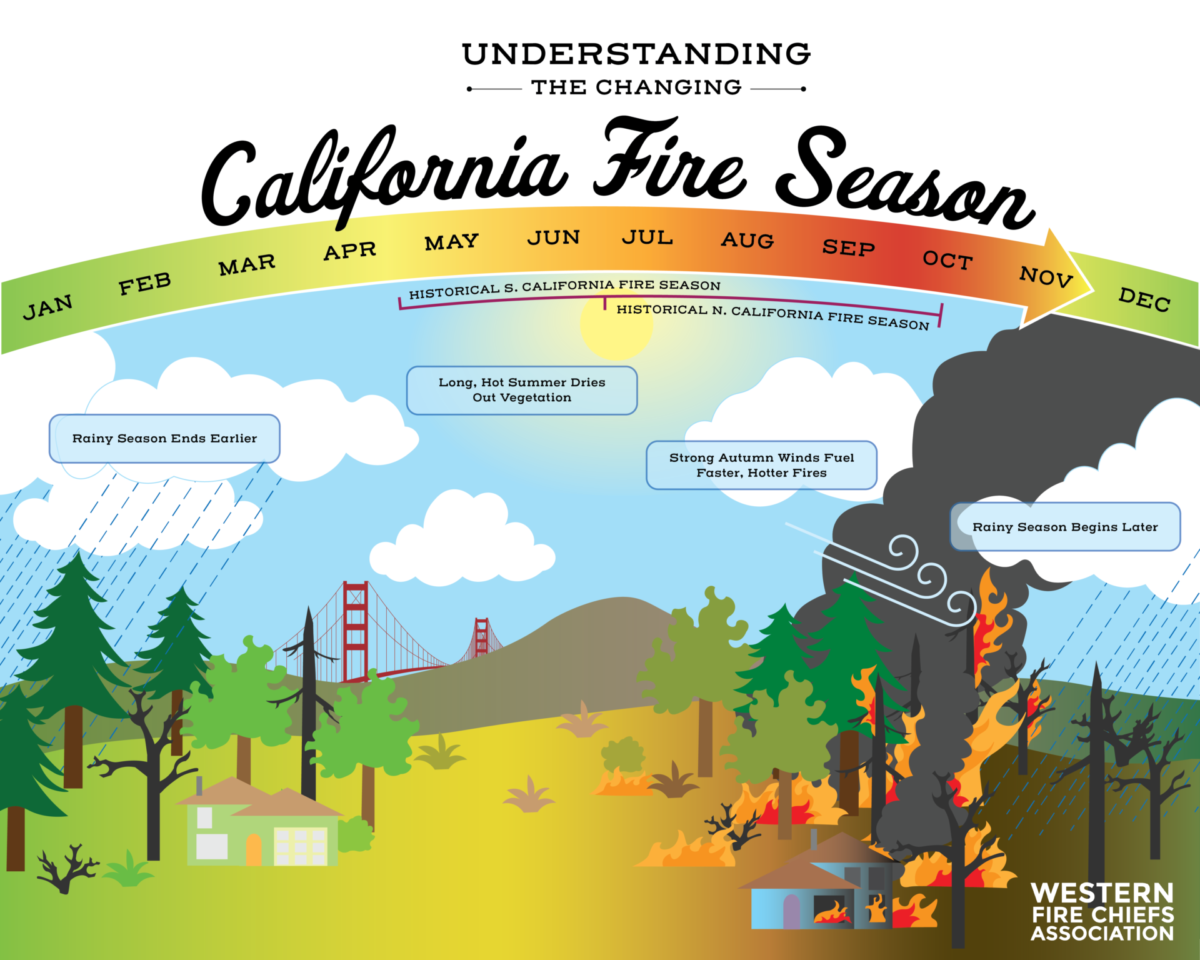
California’s fire season typically runs from late spring through fall, peaking in late summer and early autumn. This is when conditions like dry vegetation, high temperatures, and strong winds (such as the Santa Ana winds in Southern California and Diablo winds in Northern California) create an environment ripe for wildfires. It’s important to remember that wildfires have always been a part of California’s ecosystem, playing a role in natural regeneration for certain plant species. The concern now is the increased frequency, intensity, and destructiveness of these events.
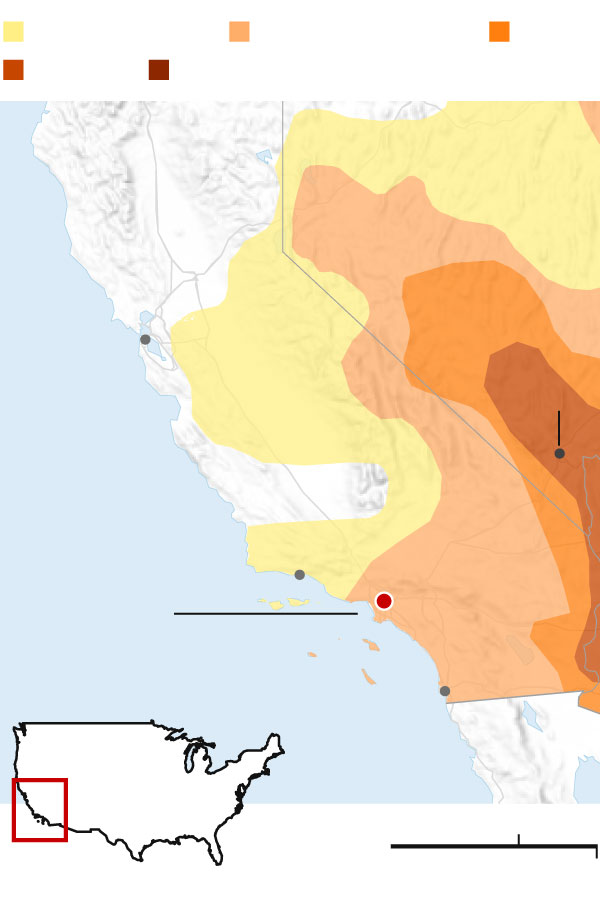
However, a fire in one part of the state does not mean the entire state is ablaze. Think of it like a hurricane season on the East Coast of America; a storm hitting Florida doesn’t mean New York is affected. Similarly, a fire burning near Lake Tahoe might have absolutely no impact on a trip to San Diego or Los Angeles, which are hundreds of miles away. The media often reports on “the California fires” as a singular entity, but in reality, there are often multiple, distinct incidents, each with its own localized impact.
Geographical Nuances: Where Fires Hit Hardest (and Where They Don’t)
Wildfires tend to concentrate in specific types of terrain: forested areas, chaparral, and grasslands, particularly in wildland-urban interface zones. This means mountain ranges, national forests, and rural communities adjacent to these areas are generally more susceptible. Places like the Sierra Nevada foothills, parts of Napa Valley and Sonoma County wine country, and the mountain communities of Southern California are often at higher risk.
Conversely, many of California’s most popular urban centers and coastal destinations are rarely directly threatened by fire. Major cities such as San Francisco, Los Angeles, San Diego, Santa Barbara, Monterey, and Carmel-by-the-Sea are typically far removed from active fire zones. While these areas might occasionally experience smoky skies if winds carry smoke from distant fires, the risk to life, property, or the ability to enjoy attractions is usually minimal. Coastal regions, with their higher humidity and often different vegetation types, also tend to be less prone to large-scale, destructive wildfires. Therefore, a trip focused on city exploration, beach relaxation, or coastal drives along the Pacific Coast Highway is often a safe bet, even during peak fire season.
Navigating Your California Travel Plans: Risks, Resilience, and Resources
For travelers, the primary concerns during fire season revolve around personal safety, potential disruptions to itineraries, and overall comfort. Thankfully, with proper planning and access to reliable information, these risks can often be mitigated, allowing for an enjoyable and safe visit to California.
Protecting Your Journey: Air Quality and Health Considerations
One of the most widespread impacts of wildfires, even for areas not directly threatened by flames, is compromised air quality due to smoke. Smoke plumes can travel hundreds of miles, leading to hazy skies and elevated levels of fine particulate matter. For most healthy individuals, a few days of moderate smoke might cause irritation (e.g., coughing, sore throat), but for those with respiratory conditions (like asthma) or heart disease, it can pose a more serious health risk.
Before and during your trip, it’s crucial to monitor air quality reports. Websites like AirNow.gov provide real-time Air Quality Index (AQI) data, allowing travelers to check conditions in their specific destination. If air quality is poor, indoor activities become preferable to outdoor ones. Many hotels, especially newer or luxury establishments, have advanced air filtration systems that can significantly improve indoor air quality. When planning, consider packing N95 masks, especially if you have sensitivities or plan to be outdoors during periods of elevated smoke. While smoke can be a nuisance, it is typically transient, clearing once winds shift or fires are contained.
Accommodation Choices: Safety, Availability, and Insurance
When booking accommodations during fire season, consider the location carefully. Resorts and hotels in established urban or coastal areas are typically very safe. If you’re planning to stay in more rural or mountainous regions, particularly those known to be fire-prone, it’s wise to choose accommodations with good access roads and inquire about their emergency preparedness plans.
In the rare event that a fire directly threatens your booked accommodation, hotels and rental companies usually have robust evacuation protocols in place. It’s also advisable to look into travel insurance that covers natural disasters. While standard travel insurance often excludes acts of nature, some “cancel for any reason” (CFAR) policies might offer protection, though they are usually more expensive and cover a percentage of non-refundable costs. Always read the policy details carefully. During fire season, availability of accommodations can fluctuate. In areas directly affected or near evacuation zones, rooms might be scarce, while in unaffected regions, there might even be special deals to attract visitors. Major online travel agencies and hotel booking platforms usually provide updated information on cancellations or advisories.
Transportation and Access: Road Closures and Re-routing
Wildfires can lead to temporary road closures, particularly on scenic routes passing through national forests or mountainous areas. The Pacific Coast Highway (Highway 1), for instance, has seen closures due to fire or mudslides (which can follow fires) in sections like Big Sur. Similarly, access roads to Yosemite National Park or Lake Tahoe can occasionally be impacted.
Before embarking on a long drive, especially through potentially vulnerable areas, check the California Department of Transportation (Caltrans) website or app for real-time road conditions. Navigation apps like Google Maps or Waze also typically update quickly with road closures and offer alternative routes. While inconvenient, these closures are temporary and implemented for safety. California’s extensive highway network usually provides alternative ways to reach most destinations, though they might add extra travel time. Airports in major cities like Los Angeles International Airport (LAX), San Francisco International Airport (SFO), and San Diego International Airport (SAN) are very rarely directly affected by fires, though flight delays can occur due to smoke impacting visibility.
Iconic Landmarks and Natural Wonders: Preservation and Recovery
California is home to some of the world’s most breathtaking natural landscapes and iconic man-made attractions. The impact of fires on these treasured sites is a significant concern for both residents and tourists.
National Parks and State Forests: Assessing the Damage and Reopening
Some of California’s most beloved natural landmarks, particularly those within national parks and state forests, have been directly impacted by wildfires. Yosemite National Park, Sequoia National Park, and Redwood National Park have all faced threats or actual damage from fires over recent years. Sequoia National Park, for example, saw extraordinary efforts to protect its giant sequoia groves.
When fires occur, park services prioritize public safety, leading to temporary closures of specific areas, trails, or even entire parks. However, these closures are almost always temporary. After a fire, parks work diligently on recovery efforts, assessing damage, clearing hazardous trees, and rebuilding infrastructure. Visitors interested in these areas should always check the official park websites for the most up-to-date information on closures, reopenings, and fire restrictions. Often, even if a part of a large park like Yosemite National Park is affected, other sections remain open. Death Valley National Park, Joshua Tree National Park, Pinnacles National Park, and Lassen Volcanic National Park are other examples of diverse natural landscapes that may experience varying degrees of fire risk, with specific areas like the Tahoe National Forest, Eldorado National Forest, Plumas National Forest, Angeles National Forest, and Cleveland National Forest being more consistently prone to fire activity.
Coastal Gems and Urban Hubs: Often Unaffected or Swiftly Recovering
In stark contrast, many of California’s other major attractions and popular destinations are rarely, if ever, directly threatened by wildfires. Cities like San Francisco (home to the Golden Gate Bridge and Alcatraz Island), Los Angeles (with Hollywood, Disneyland, Universal Studios Hollywood, Santa Monica Pier, Venice Beach, and the Getty Center), and San Diego (featuring Balboa Park and world-class beaches) are generally very safe. Other coastal delights such as Santa Barbara, Monterey, Carmel-by-the-Sea, and Santa Cruz offer stunning scenery and vibrant cultures, often far from the direct path of wildfires. Even inland desert destinations like Palm Springs are generally distinct in their fire risk, primarily due to their unique ecosystem.
Historical landmarks like Hearst Castle are typically in areas with lower fire risk or have robust protection measures in place. While smoky air might occasionally reduce visibility or impact outdoor experiences like visiting the Griffith Observatory in Los Angeles or enjoying a picnic in Golden Gate Park in San Francisco, the risk to the structures themselves or the overall visitor experience in these areas is often minimal and quickly recovers once conditions improve.
Supporting Local Tourism and Embracing Sustainable Travel Post-Fires
While the immediate impact of wildfires can be devastating, local communities in California demonstrate incredible resilience. For travelers, understanding how to support these communities and adapt travel plans can make a significant positive difference.
The Role of Responsible Tourism in Rebuilding Communities
When a community is impacted by wildfires, the economic fallout can be prolonged, especially for businesses dependent on tourism. Restaurants, small shops, local tour operators, and hotels suffer when visitors stay away. Therefore, one of the most impactful ways travelers can help is by returning to these areas once they are deemed safe and open for business. Choosing to spend your tourist dollars in a recovering region directly contributes to its economic revitalization, helping local residents and businesses get back on their feet.
Before visiting a recently affected area, it’s advisable to check with local tourism boards or official community websites for guidance on what is open and how to respectfully engage with the recovery process. This might involve opting for locally owned establishments, participating in volunteer efforts if appropriate, or simply being patient and understanding of any lingering impacts. Responsible tourism means being mindful of the environment and the local community, and during recovery, this mindfulness is even more critical.
Finding Fire-Safe Destinations: A Guide for Travelers
Given the variable nature of California wildfires, travelers can strategically plan their itineraries to minimize risk and maximize enjoyment.
- Coastal Escapes: Focus on coastal cities and towns from San Diego up to Mendocino. These areas generally have lower fire risk and often clearer air. Explore charming towns, enjoy beaches, and indulge in fresh seafood.
- Major Metropolises: San Francisco, Los Angeles, San Jose, Oakland, and Sacramento offer endless cultural attractions, dining, and entertainment, usually far from fire zones.
- Desert Adventures (with caution): Destinations like Palm Springs and areas around Death Valley National Park or Joshua Tree National Park have unique desert ecosystems with different fire dynamics. While some desert areas can experience fires, they are generally less common and widespread than in forested regions. Always check conditions before heading into remote desert areas.
- Seasonal Timing: Consider visiting California during the spring (March-May) or late fall/winter (November-February). Fire risk is typically lower during these cooler, wetter months, offering opportunities to explore even mountainous regions with less concern.
Lifestyle Adaptations: From Adventure to Wellness Travel Amidst Fire Season
The conversation around California fires and travel often leads to a reevaluation of travel styles and preferences. While some adventurous outdoor activities might require more careful planning, other forms of travel remain largely unaffected, or even present new opportunities.
Seasonal Travel Shifts: When to Visit for Optimal Experiences
Traditionally, summer and early fall have been prime tourist seasons in California. However, with the increasing intensity of fire season during these months, travelers are increasingly considering shifting their plans. Spring offers lush landscapes, blooming wildflowers, and mild temperatures, perfect for exploring wine country, coastal trails, and urban gardens. Winter in California can be surprisingly diverse: skiing in the Sierra Nevada, surfing in Malibu, or enjoying the mild desert warmth of Palm Springs. These shoulder seasons often mean fewer crowds, lower prices, and significantly reduced wildfire risk, offering a more serene and often more rewarding travel experience.
Embracing Alternative Experiences: Beyond Burn Scars
Even when certain natural areas are temporarily closed or recovering, California offers an unparalleled wealth of alternative experiences. If a planned hike in a national forest is inaccessible, consider a city-based cultural immersion, a culinary tour in San Francisco or Los Angeles, or a wellness retreat on the coast. Theme parks like Disneyland and Six Flags Magic Mountain operate year-round, as do most museums, galleries, and performance venues across the state.
The fires, while challenging, have also highlighted the immense resilience and creativity of Californians. Many regions are developing new attractions and experiences that are less susceptible to fire risk, from indoor adventure parks to expanded gastronomic trails in unaffected areas. This encourages travelers to explore different facets of the state, perhaps discovering hidden gems they might otherwise have overlooked.
In conclusion, while the question “How bad are the California fires?” demands a serious and nuanced answer, the overarching message for travelers is one of informed optimism. California remains a magnificent and diverse destination. By staying informed, choosing destinations wisely, adapting travel times, and embracing flexibility, visitors can still enjoy extraordinary and safe experiences, all while contributing positively to the state’s remarkable resilience. The fires are a reality, but they do not define the entirety of this vibrant, expansive state, nor do they diminish its enduring appeal to travelers worldwide.
LifeOutOfTheBox is a participant in the Amazon Services LLC Associates Program, an affiliate advertising program designed to provide a means for sites to earn advertising fees by advertising and linking to Amazon.com. Amazon, the Amazon logo, AmazonSupply, and the AmazonSupply logo are trademarks of Amazon.com, Inc. or its affiliates. As an Amazon Associate we earn affiliate commissions from qualifying purchases.