
The allure of the Hawaiian Islands, with their pristine beaches, volcanic landscapes, and vibrant culture, has captivated travelers for centuries. For many residing on the West Coast of the United States, particularly in California, Hawaii represents the ultimate tropical escape – a relatively accessible paradise across the vast Pacific Ocean. But the question that often arises when dreaming of this idyllic getaway is: “How far is California to Hawaii?” While a simple numerical answer exists, understanding the journey involves more than just miles; it encompasses the travel experience, the logistics, and the breathtaking transition from mainland to island time.
The Nautical and Aerial Miles: Getting Your Bearings
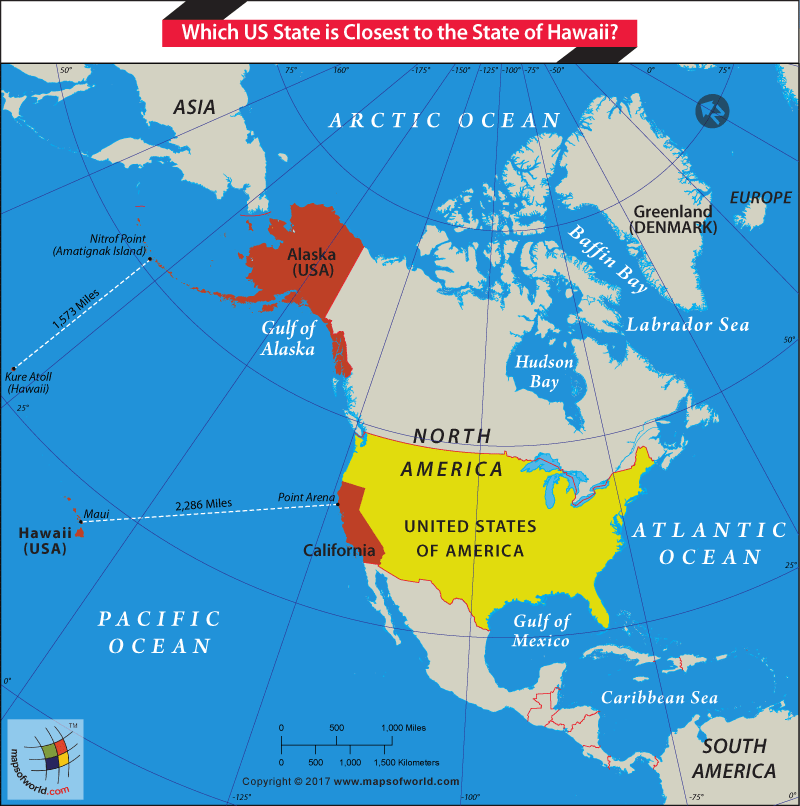
At its core, the distance between California and Hawaii is substantial, placing Hawaii as the most isolated population center on Earth. The exact mileage varies slightly depending on your specific departure point in California and your arrival island in Hawaii, but a general average can be established.
The shortest distance from the mainland United States to Hawaii is from the coast of California to the island of Kauai. From Los Angeles, California to Honolulu, Oahu – two of the most popular travel hubs – the distance is approximately 2,500 miles (4,023 kilometers). This significant expanse of water dictates both the primary modes of travel and the time investment required for such a journey.
By Air: The Fastest Route Across the Pacific
For the vast majority of travelers, flying is the preferred and most practical method to bridge the distance between California and Hawaii. The journey by air is remarkably efficient, transforming what once was a weeks-long sea voyage into a matter of hours.
Direct flights from major California airports typically land at Daniel K. Inouye International Airport in Honolulu, Oahu, or other key Hawaiian airports such as Kahului Airport on Maui, Lihue Airport on Kauai, or Kona International Airport on the Big Island. The flight duration from popular departure cities like Los Angeles or San Francisco to Honolulu is typically around 5 to 6 hours. Flights originating further north, from Oakland or Sacramento, might add a little extra time, usually capping out at about 6.5 hours for a direct route.
Several airlines offer frequent direct services, including Hawaiian Airlines, United Airlines, Delta Air Lines, Alaska Airlines, and Southwest Airlines. The prevalence of these routes makes Hawaii an accessible destination for a wide range of travelers, from those seeking a luxurious escape to budget-conscious families. Booking in advance, especially during peak travel seasons like holidays or summer, is always recommended to secure the best fares and preferred flight times. Travel guides and online booking platforms provide comprehensive comparison tools, allowing you to weigh factors like direct flights versus those with layovers, or premium economy versus standard seating, to tailor your journey to your personal travel style and budget.
By Sea: A Journey of Discovery
While flying is undeniably faster, some travelers prefer the leisurely pace and unique experience of a sea voyage. Cruises from California to Hawaii offer an alternative way to traverse the Pacific Ocean, turning the journey itself into a significant part of the vacation. These voyages typically depart from major California ports such as Los Angeles (specifically the Port of Long Beach or Port of Los Angeles) or San Francisco.
A typical cruise from California to Hawaii will span approximately 5 to 7 days for the ocean crossing alone, with the entire itinerary often lasting between 10 to 18 days, including stops at multiple Hawaiian islands. Cruise lines like Princess Cruises, Norwegian Cruise Line, Holland America Line, and Carnival Cruise Line regularly offer these itineraries.
The experience of a cruise is vastly different from flying. Passengers enjoy a wide array of amenities onboard, including fine dining, entertainment, swimming pools, spas, and various activities, all while sailing towards their tropical destination. For those who relish the journey as much as the destination, and who prefer to unpack once and wake up in a new port each day, a Hawaiian cruise offers a comprehensive and relaxing way to experience the vastness of the Pacific and the beauty of the islands. It’s a perfect option for those interested in a more luxurious travel experience, offering comfort and convenience throughout the trip.
Planning Your Trans-Pacific Adventure: What to Expect
Embarking on a journey from California to Hawaii requires more than just knowing the distance; it demands thoughtful planning to ensure a seamless and memorable trip. From selecting your departure city to understanding what awaits you on the islands, every detail contributes to the overall experience.
Choosing Your Departure Point: California’s Golden Gate
California offers several convenient gateways for your Hawaiian adventure. The primary airports for flights to Hawaii include:
- Los Angeles International Airport (LAX): As one of the busiest airports in the world, LAX offers the most frequent and diverse flight options to all major Hawaiian islands. Its central location in Southern California makes it accessible for millions. While in Los Angeles, visitors can explore iconic attractions like the Hollywood Sign, Griffith Observatory, or enjoy the vibrant culture of its diverse neighborhoods.
- San Francisco International Airport (SFO): Serving Northern California and the Bay Area, SFO also provides numerous direct flights. Travelers departing from San Francisco can take advantage of its unique charm, perhaps visiting the Golden Gate Bridge or exploring Alcatraz Island before their flight.
- San Diego International Airport (SAN): For those in the southernmost part of California, SAN offers a convenient, albeit sometimes less frequent, selection of direct flights. San Diego itself is a popular tourist destination, known for its beautiful beaches and family-friendly attractions like Balboa Park.
- Oakland International Airport (OAK): Another viable option for Bay Area residents, OAK often provides competitive fares and a less congested experience compared to SFO.
For cruise departures, Los Angeles and San Francisco are the main ports. Considering which city best suits your pre-travel plans, whether it’s for convenience or to explore additional attractions, can greatly enhance your overall journey.
Arriving in Paradise: Hawaii’s Welcoming Shores
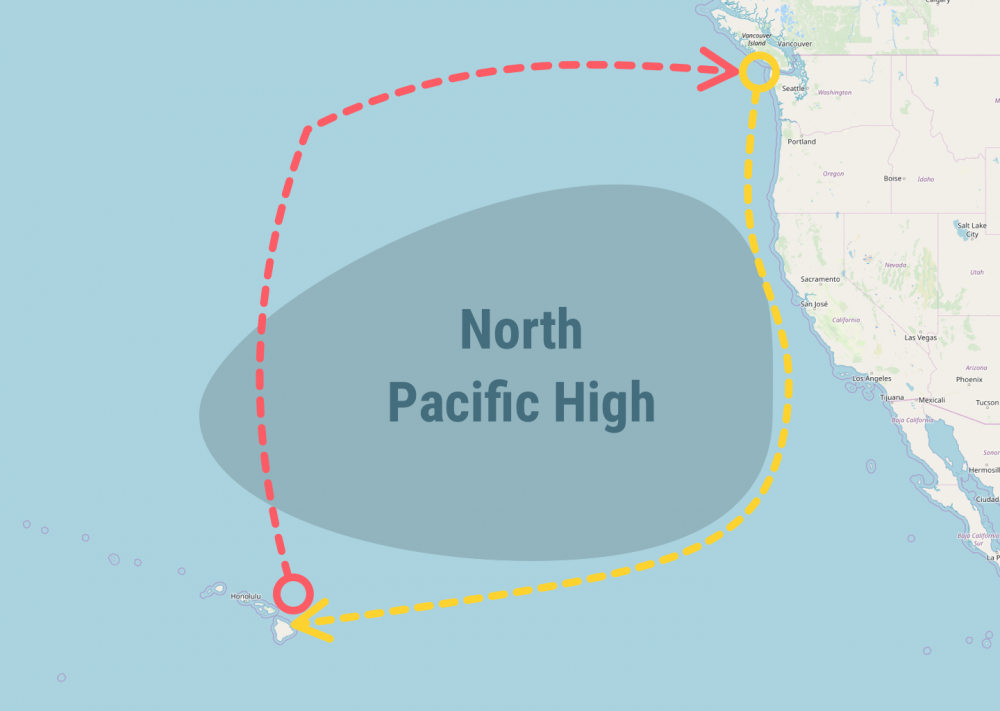
Upon arrival, Hawaii greets visitors with its distinct island culture, known as the “Aloha Spirit.” The time difference between California and Hawaii is significant, typically 2 to 3 hours behind California depending on Daylight Saving Time (which Hawaii does not observe). This time difference often makes the eastbound return journey feel shorter due to favorable winds and time zone changes.
The primary gateway to the islands is Daniel K. Inouye International Airport (HNL) in Honolulu, Oahu. From there, inter-island flights are readily available to reach other destinations like Maui, the Big Island, or Kauai. These short hops, usually 30-45 minutes, are part of the quintessential Hawaiian travel experience. Many travelers choose to combine a stay on Oahu with another island for a more diverse experience, often facilitated by affordable and frequent inter-island flights from Hawaiian Airlines or Mokulele Airlines.
Beyond the Distance: What to Explore in Hawaii
While knowing “how far” is important, the true essence of a California to Hawaii journey lies in the incredible experiences awaiting you. Hawaii is a mosaic of unique islands, each offering distinct attractions and a particular lifestyle, catering to different types of travelers.
Island Hopping: Discovering Hawaii’s Diverse Charms
The Hawaiian archipelago boasts eight main islands, with four being the most popular for tourism: Oahu, Maui, the Big Island (also known as Hawaii Island), and Kauai.
-
Oahu: The Gathering Place
Oahu is home to the bustling capital city of Honolulu and the world-famous Waikiki Beach. Here, you can learn to surf, hike to the summit of Diamond Head for panoramic views, or pay respects at Pearl Harbor. For those seeking a vibrant urban experience blended with stunning natural beauty, Oahu offers a wealth of activities, from high-end shopping to exploring the historic Iolani Palace. The North Shore is a mecca for surfers, and the Polynesian Cultural Center provides an immersive look into Pacific island cultures. -
Maui: The Valley Isle
Known for its romantic appeal and luxurious resorts, Maui offers a blend of relaxation and adventure. Witness a spectacular sunrise from the peak of Haleakala National Park, drive the scenic Road to Hana with its countless waterfalls and lush landscapes, or go whale watching during the winter months. Maui is also famed for its world-class beaches like Ka’anapali and its charming historic town of Lahaina. -
Hawaii Island (The Big Island): The Orchid Isle
The Big Island is distinct for its dramatic volcanic terrain and diverse microclimates. Hawaii Volcanoes National Park allows visitors to witness active volcanic landscapes, while the snow-capped summit of Mauna Kea offers incredible stargazing opportunities. From black sand beaches to lush rainforests and coffee plantations in Kona, the Big Island provides an expansive and varied experience for nature lovers and adventurers. -
Kauai: The Garden Isle
Often considered the most naturally beautiful of the islands, Kauai is characterized by its dramatic cliffs, emerald valleys, and pristine beaches. The majestic Na Pali Coast, accessible by boat or helicopter, is a breathtaking sight, as is the vast canyonland of Waimea Canyon, often called the “Grand Canyon of the Pacific.” Kauai is ideal for hikers, kayakers, and those seeking a more serene, nature-focused retreat.
Each island also offers unique local culture and culinary experiences. From traditional Luaus and fresh poke bowls to farm-to-table dining, the food scene is as diverse as the landscape. Exploring local markets, sampling tropical fruits, and trying regional delicacies are integral parts of the Hawaiian tourism experience.
Accommodation and Lifestyle: Finding Your Hawaiian Haven
Hawaii caters to a wide spectrum of accommodation preferences and travel lifestyles. Whether you’re planning a luxury getaway, a budget-friendly family trip, or a business stay with leisure, there’s a perfect spot.
- Luxury Travel: The islands are dotted with world-class resorts and boutique hotels, offering unparalleled amenities such as private villas, infinity pools, gourmet dining, and spa services. Famous establishments include the Four Seasons Resort Maui at Wailea, The Ritz-Carlton, Kapalua on Maui, or the Grand Hyatt Kauai Resort & Spa. These resorts often provide exclusive experiences, from private surf lessons to guided cultural tours, perfect for discerning travelers.
- Budget Travel: For those mindful of costs, there are numerous options including vacation rentals, smaller hotels, guesthouses, and even hostels in more urban areas. Camping in designated state parks is also an option for adventurous and budget-conscious travelers, particularly on the Big Island and Kauai. Booking well in advance, especially outside of peak seasons, can lead to significant savings.
- Family Trips: Many resorts, like Aulani, A Disney Resort & Spa on Oahu or the Turtle Bay Resort on the North Shore, are designed with families in mind, offering kids’ clubs, multiple pools, and family-friendly activities. Vacation rentals, from apartments to larger villas, are also popular for families seeking more space and the convenience of a kitchen.
- Long-Term Stays: For those looking to immerse themselves in the island lifestyle for an extended period, serviced apartments and long-term villa rentals are available. These options often provide a home-away-from-home feel, complete with kitchens and laundry facilities, ideal for digital nomads or those on sabbaticals.
Utilizing online booking platforms and review sites to compare prices and amenities across various accommodations is crucial for finding the best fit for your travel style and budget.
Making the Most of Your Journey: Tips for a Seamless Trip
Understanding the distance is merely the first step. To ensure your trip from California to Hawaii is everything you dream of, a few practical tips can make all the difference.
Essential Travel Preparations
- Book in Advance: Flights, especially direct ones, and popular accommodations can fill up quickly, particularly during high season. Booking several months ahead will give you more choices and better prices.
- Travel Insurance: Given the investment in a trans-Pacific journey, travel insurance is highly recommended to cover unforeseen circumstances like flight cancellations, medical emergencies, or lost luggage.
- Pack Smart: Hawaii is a tropical destination, so light clothing, swimwear, reef-safe sunscreen, and insect repellent are essential. Comfortable walking shoes are a must for exploring, and a light jacket for cooler evenings or higher elevations (like Haleakala or Mauna Kea).
- Rent a Car: While public transportation exists on some islands, a rental car offers the most flexibility to explore at your own pace, especially on Maui, the Big Island, and Kauai. Book your car well in advance, particularly if traveling during peak times.
- Stay Hydrated & Acclimatize: The Hawaiian sun is strong. Drink plenty of water and allow yourself a day or two to adjust to the time zone difference and warmer climate.

Embracing the Spirit of Aloha
Beyond the logistics, the most important aspect of traveling to Hawaii is to embrace its unique culture and respect its natural beauty. Learn a few Hawaiian phrases (like Aloha for hello/goodbye/love and Mahalo for thank you), be mindful of local customs, and practice responsible tourism. Support local businesses, protect the fragile marine ecosystems by using reef-safe products, and leave no trace behind in its pristine natural landscapes.
The journey from California to Hawaii, while covering approximately 2,500 miles, is more than just a measurement of distance. It’s a passage from the familiar to the extraordinary, an opportunity to immerse oneself in a culture rich with tradition, and a chance to witness some of the world’s most spectacular natural wonders. With careful planning and an open heart, this trans-Pacific adventure promises memories that will last a lifetime.
LifeOutOfTheBox is a participant in the Amazon Services LLC Associates Program, an affiliate advertising program designed to provide a means for sites to earn advertising fees by advertising and linking to Amazon.com. Amazon, the Amazon logo, AmazonSupply, and the AmazonSupply logo are trademarks of Amazon.com, Inc. or its affiliates. As an Amazon Associate we earn affiliate commissions from qualifying purchases.