
The allure of Las Vegas, Nevada, with its dazzling lights, world-class entertainment, and vibrant nightlife, often beckons travelers from its western neighbor, California. Conversely, the diverse landscapes and iconic attractions of California draw countless visitors from Las Vegas. While these two prominent states share a border, the exact distance and travel time between Las Vegas and various California destinations can vary significantly, prompting many to ask: “How far is Las Vegas to California?”
This comprehensive guide will delve into the geographical relationship between Las Vegas and California, provide detailed distance and travel time estimates for major cities, explore the best transportation options, highlight scenic routes and must-see attractions along the way, and offer essential tips for planning your perfect bi-state adventure. Whether you’re embarking on a spontaneous road trip, a luxurious escape, or a family vacation, understanding the journey is the first step to an unforgettable experience.

The Geographic Relationship: Nevada and California’s Border Proximity
Many first-time travelers, perhaps misled by the sheer number of Californians visiting Las Vegas, sometimes mistakenly assume the city is located within California. This is a common misconception that deserves clarification.
Where Exactly Does Nevada Meet California?
Nevada and California share an extensive border, primarily running north-south through vast desert landscapes and majestic mountain ranges. The southernmost tip of Nevada’s border is relatively close to the populated areas of Southern California. For instance, the town of Primm, Nevada, a popular stop just outside Las Vegas known for its casinos and outlet mall, sits right on the state line, making it a literal gateway to California. Further north, the border carves through the Mojave Desert and eventually encompasses the stunning Lake Tahoe region, which straddles both states, offering year-round recreation.
Is Las Vegas Actually in California? Debunking a Common Misconception
To reiterate, Las Vegas is definitively located in the state of Nevada, specifically in Clark County, Nevada. It is not within California’s borders. However, its proximity to Southern California makes it feel like an extension for many Californians seeking a quick getaway. The closest major California city to Las Vegas is Los Angeles, making the Las Vegas to Los Angeles route one of the most traveled corridors in the western United States.
Calculating the Distance: Las Vegas to Key California Cities
Understanding the actual mileage and estimated travel times is crucial for planning your trip effectively, whether you’re driving, flying, or considering other modes of transport.
The Quickest Routes: Driving from Las Vegas to Los Angeles
The most popular and direct route from Las Vegas to Los Angeles is via Interstate 15 (I-15). This major highway is the lifeline connecting the two metropolitan areas, stretching approximately 270 to 280 miles (435 to 450 kilometers), depending on your specific start and end points within each city.
Under ideal driving conditions, without significant traffic or stops, the journey typically takes around 4 to 5 hours. However, “ideal conditions” can be a rare luxury, especially on weekends or holidays. The route passes through the vast expanse of the Mojave Desert, offering stark yet beautiful desert scenery. Key towns you’ll pass through or near include Baker, Barstow, and Victorville in California, which serve as convenient stops for fuel, food, and rest.
Exploring Other Major Californian Hubs: San Francisco, San Diego, and More
While Los Angeles is the most immediate destination, many travelers from Las Vegas venture further into California. Here’s a breakdown of distances and times to other major California cities:
- Las Vegas to San Diego: Approximately 330 miles (530 kilometers). The drive takes about 5 to 6 hours via I-15 South. This route will take you through parts of Riverside County before reaching the coastal city of San Diego, known for its beautiful beaches, vibrant culture, and attractions like Balboa Park and the San Diego Zoo.
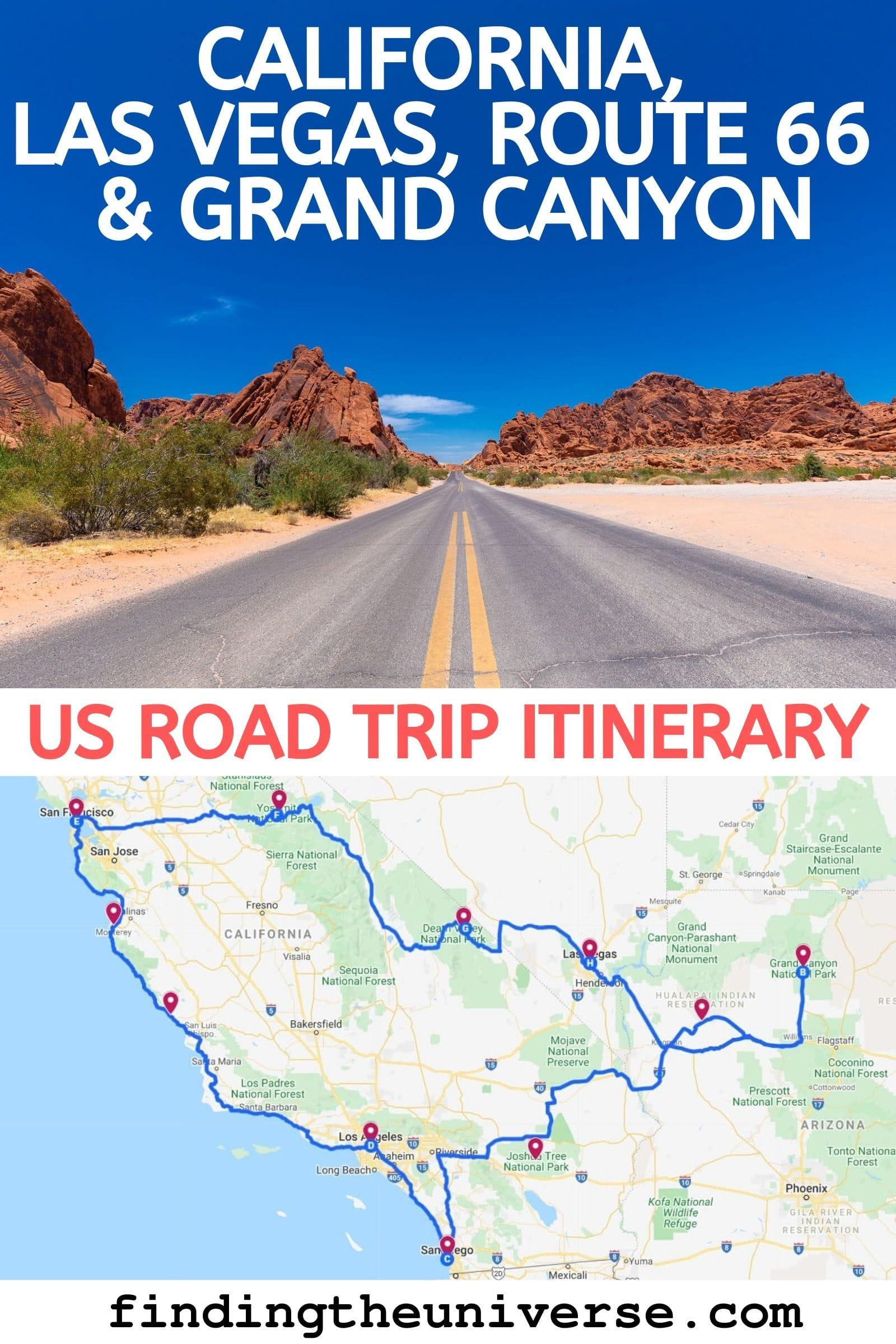
- Las Vegas to San Francisco: This is a much longer journey, spanning roughly 560 to 600 miles (900 to 965 kilometers). The driving time can range from 9 to 10 hours without significant stops. The most common route involves taking I-15 North briefly, then transitioning to US Route 95 or California State Route 58 towards Bakersfield, and then I-5 North or California State Route 99 through the Central Valley to reach the Bay Area. Alternatively, a more scenic but longer route can take you through the Sierra Nevada mountains via US Route 395.
- Las Vegas to Palm Springs: Roughly 270 miles (435 kilometers), taking about 4.5 to 5.5 hours. This desert oasis is easily accessible via I-15 South and I-10 East, offering a different kind of California experience with its mid-century modern architecture, golf courses, and the Palm Springs Aerial Tramway.
- Las Vegas to Sacramento: Approximately 510 miles (820 kilometers), translating to about 8 to 9 hours of driving. Similar to San Francisco, this involves crossing the Mojave Desert and traversing the Central Valley via I-5 North or California State Route 99 to reach California’s capital.
Factors Influencing Travel Time
The estimated driving times are just that – estimates. Several factors can significantly impact your actual travel duration:
- Traffic: This is the most significant variable. The busiest times on I-15 are typically Sunday afternoons and evenings when Californians are returning home from Las Vegas, and Friday afternoons for those heading into the city. Weekday rush hours in and around Los Angeles and San Diego can also add considerable delays. Using real-time navigation apps like Google Maps or Waze is highly recommended.
- Time of Day/Week/Year: Traveling early morning on a weekday will generally be faster than a peak holiday weekend. Summer months and major holidays (e.g., Memorial Day, Labor Day, Thanksgiving) will almost certainly involve heavier traffic.
- Construction: Roadwork can cause unexpected lane closures and slowdowns.
- Weather Conditions: While the Mojave Desert is often sunny, high winds, dust storms, or even rare desert downpours can affect visibility and driving conditions. In winter, mountain passes on longer routes (e.g., to San Francisco via the Sierra Nevada) can experience snow and ice.
- Stops: Fueling up, grabbing a meal, or making a rest stop will naturally add to your total travel time. It’s important to factor these in, especially for longer journeys.
Beyond the Miles: Planning Your Journey from Las Vegas to California
Traveling between Las Vegas and California is more than just covering distance; it’s an opportunity for adventure. Choosing the right mode of transport and planning your stops can transform the journey itself into a highlight of your trip.
Transportation Options: Road Trip, Flight, or Rail?
- Driving (Road Trip): This is by far the most popular option due to its flexibility and the relatively short distance to Southern California. A road trip allows you to explore at your own pace, stop at roadside attractions, and carry more luggage. It’s often the most cost-effective for groups or families. Remember to ensure your vehicle is in good condition, especially if you’re venturing into the desert or mountains, and keep an eye on fuel levels.
- Flying: For those pressed for time, flying is the quickest way to travel between Las Vegas and major California cities. Direct flights from Harry Reid International Airport (LAS) in Las Vegas to Los Angeles International Airport (LAX), San Francisco International Airport (SFO), or San Diego International Airport (SAN) are frequent and relatively short, often less than 1.5 hours in the air. However, factoring in airport security, boarding, and travel to/from airports, the total door-to-door time might not be drastically different from driving for shorter distances, especially to Los Angeles. For San Francisco or Sacramento, flying becomes a much more time-efficient choice.
- Bus Services: Several bus companies operate routes between Las Vegas and various California cities, offering a budget-friendly alternative. While slower than driving or flying, it allows you to relax and avoid the stress of navigating traffic.
- Train (Amtrak): While there isn’t a direct Amtrak route from Las Vegas to Los Angeles or San Francisco that competes with driving or flying in terms of speed, indirect routes via bus connections or longer train journeys are available, offering a unique, leisurely travel experience. This option is typically favored by those prioritizing comfort and scenery over speed.
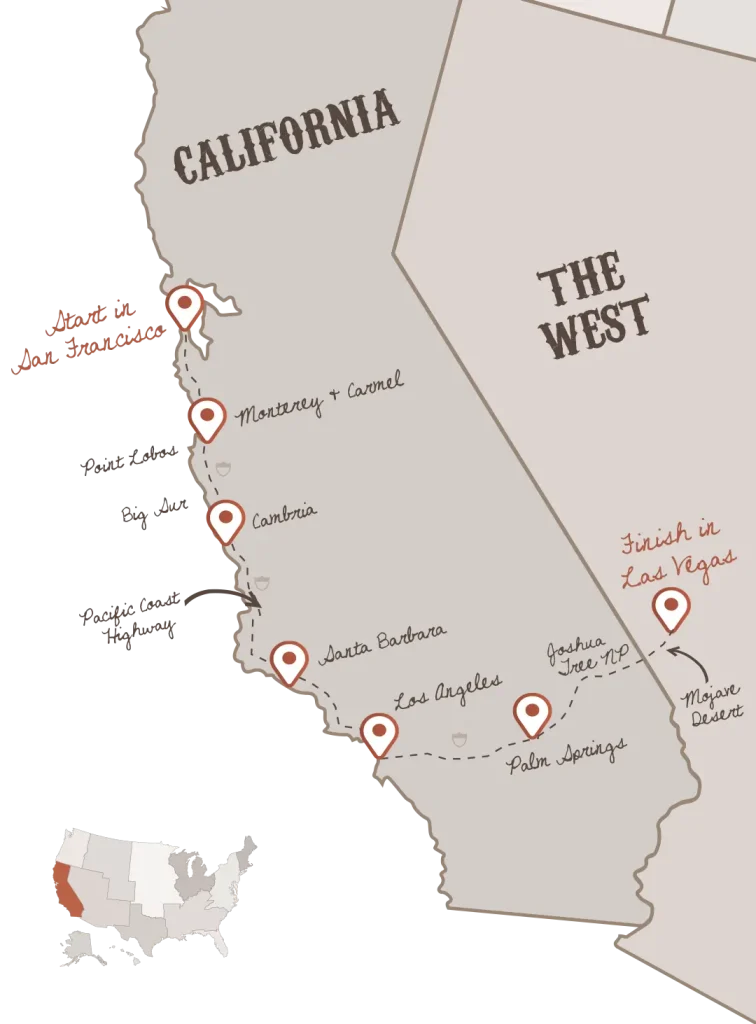
Scenic Drives and Pit Stops: Enhancing the Road Trip Experience
For those opting for a road trip, the journey doesn’t have to be just about getting from point A to point B. The desert routes and mountain roads offer opportunities for memorable stops:
- Hoover Dam: Just a short drive east of Las Vegas, the colossal Hoover Dam is an engineering marvel and a significant landmark. It’s a fantastic detour to marvel at its scale and learn about its history.
- Mojave National Preserve: This vast preserve, located largely in California along I-15, offers stunning desert landscapes, unique Joshua tree forests, volcanic cinder cones, and sand dunes. It’s a perfect spot for a quick hike or a scenic drive if you have extra time.
- Seven Magic Mountains: South of Las Vegas, this art installation features brightly colored, stacked boulder towers against the desert backdrop, offering a fantastic photo opportunity.
- Lake Mead National Recreation Area: This area, encompassing Lake Mead (created by the Hoover Dam), offers opportunities for boating, fishing, and hiking, making for a refreshing stop if you’re heading east before turning west into California.
- Death Valley National Park: For a truly immersive desert experience, a detour to Death Valley National Park is highly recommended, especially during cooler months. Known for its extreme temperatures, vast salt flats (like Badwater Basin), and colorful badlands, it’s a dramatic natural wonder that often falls within the general travel corridor, particularly if taking California State Route 190 or California State Route 178 routes from the north or south.
- Red Rock Canyon National Conservation Area: A quick drive west of Las Vegas, this area offers stunning red rock formations, hiking trails, and a scenic loop drive, perfect for a morning excursion before hitting the road.
What to Expect: Climate, Terrain, and Travel Considerations
The journey from Las Vegas to California will primarily traverse the Mojave Desert. This means:
- Climate: Expect hot, dry conditions for much of the year, especially from late spring through early autumn. Summers can see temperatures well over 100°F (38°C). Winter months are generally mild and pleasant, with cooler temperatures. Always carry plenty of water, especially if you plan to explore off the main highway.
- Terrain: The landscape is largely arid and stark, with scrub brush, Joshua trees, and distant mountain ranges. While beautiful, services can be sparse between major towns, so plan fuel stops accordingly.
- Driving Conditions: Roads are generally well-maintained. However, strong crosswinds can occur in open desert areas. Keep an eye out for wildlife, particularly at dusk and dawn.
Exploring California from Las Vegas: Top Destinations and Experiences
Once you arrive in California, a world of diverse attractions awaits. From the bustling cities of Southern California to the serene national parks and coastal wonders, there’s something for every type of traveler.
Iconic Southern California Adventures
- Los Angeles: The “City of Angels” offers endless entertainment. Explore Hollywood Boulevard, search for your favorite stars on the Hollywood Walk of Fame, snap a photo with the Hollywood Sign, or catch a show at the Dolby Theatre. Visit Universal Studios Hollywood for thrilling rides and movie magic. For a taste of luxury, stroll through Beverly Hills or enjoy the beaches of Santa Monica and its famous Santa Monica Pier.
- Anaheim: Home to the enchanting Disneyland Resort, featuring Disneyland Park and Disney California Adventure Park. It’s a must-visit for families and Disney enthusiasts.
- San Diego: Known for its relaxed coastal vibe, San Diego boasts pristine beaches, the world-renowned San Diego Zoo in Balboa Park, and the historic Gaslamp Quarter.
- Coastal Drives: Take a scenic drive along the Pacific Coast Highway (Highway 1), venturing south to charming towns like Laguna Beach or north towards Santa Barbara for breathtaking ocean views and picturesque communities.
Northern California’s Charms: From Wine Country to Coastal Wonders
For those willing to undertake the longer journey, Northern California offers a dramatically different experience.
- San Francisco: This iconic city is famous for the Golden Gate Bridge, Alcatraz Island, Fisherman’s Wharf, and the winding Lombard Street. Explore vibrant neighborhoods, ride a cable car, and soak in the city’s unique charm.
- Napa Valley and Sonoma Valley: Just north of San Francisco, these world-renowned wine regions offer exquisite vineyard tours, tastings, and gourmet dining experiences amidst rolling hills and picturesque landscapes.
- Yosemite National Park: A true natural marvel, Yosemite is home to giant sequoia groves, towering granite cliffs like El Capitan and Half Dome, and magnificent waterfalls. It’s a hiker’s paradise and a spiritual retreat.
- Redwood National Park: Further north, these ancient forests are home to the tallest trees on Earth, offering awe-inspiring walks and a profound connection to nature.
Desert Gateway: National Parks and Natural Beauty
Even within the desert regions bordering Nevada, California offers stunning natural attractions.
- Joshua Tree National Park: Located where the Mojave and Colorado Deserts meet, this park is famous for its namesake twisted trees, unique rock formations, and incredible stargazing opportunities. It’s a popular destination for hiking, rock climbing, and camping.
- Sequoia National Park and Kings Canyon National Park: These adjacent parks in the Sierra Nevada mountains boast some of the world’s largest trees, including the General Sherman Tree, along with deep canyons and alpine wilderness.
Making the Most of Your Trip: Accommodation and Lifestyle Tips
Regardless of your chosen destination in California, planning your accommodation and considering your travel style will enhance your overall experience.
Choosing Your Stay: Hotels, Resorts, and Unique Accommodations
California offers an incredible range of accommodation options to suit every preference and budget, from luxurious resorts to quaint boutique hotels and practical vacation rentals.
- Luxury Resorts: For an opulent experience, consider properties like the Beverly Wilshire, A Four Seasons Hotel in Beverly Hills or The Ritz-Carlton, Laguna Niguel on the coast. These resorts often feature stunning architecture, world-class dining, lavish spas, and exceptional service, providing a sanctuary of comfort and indulgence after a day of exploration.
- Boutique Hotels: In cities like San Francisco or charming coastal towns, boutique hotels offer unique character, personalized service, and a local flair, often reflecting the specific culture and history of their surroundings.
- Vacation Rentals: For families, groups, or those seeking a home-away-from-home experience, services like Airbnb and VRBO provide access to apartments, villas, and houses, which can be particularly cost-effective for longer stays or when you desire kitchen facilities.
- Budget-Friendly Options: Throughout California, you’ll find numerous motels and chain hotels that offer clean, comfortable stays without breaking the bank. It’s always advisable to book well in advance, especially during peak travel seasons, and to compare prices across different booking platforms to secure the best deals.
Lifestyle Choices: Luxury, Budget, and Family Travel
Your travel style will heavily influence your journey from Las Vegas to California and your activities upon arrival.
- Luxury Travel: If you’re accustomed to the high-end experiences of Las Vegas’ The Strip, California can match that with fine dining, designer shopping in Beverly Hills, vineyard tours in Napa Valley, and stays at exclusive resorts. Consider hiring a luxury car for the road trip to continue the indulgent experience.
- Budget Travel: Traveling between these two states can also be done economically. Opt for driving with friends to split fuel costs, stay in budget motels or campgrounds (especially near national parks), pack your own snacks and drinks, and seek out free attractions like beaches, parks, and scenic overlooks.
- Family Trips: Both Las Vegas (beyond the casinos, think family-friendly shows and attractions like the Fremont Street Experience) and California are fantastic for families. Destinations like Disneyland Resort, Universal Studios Hollywood, San Diego Zoo, and various national parks offer engaging activities for all ages. Planning your itinerary with kid-friendly stops and ample rest breaks is key to a smooth family adventure.
In conclusion, the question “How far is Las Vegas to California?” opens up a world of travel possibilities. While Las Vegas is firmly rooted in Nevada, its close proximity to California’s diverse offerings makes it a perfect launchpad for exploring the Golden State. Whether you’re seeking the vibrant energy of Los Angeles, the coastal charm of San Diego, the iconic sights of San Francisco, or the natural splendor of its national parks, the journey is an adventure in itself. By understanding the distances, considering your transportation options, and planning for enjoyable stops, you can craft a memorable and seamless trip that bridges the exciting gap between these two dynamic American regions.
LifeOutOfTheBox is a participant in the Amazon Services LLC Associates Program, an affiliate advertising program designed to provide a means for sites to earn advertising fees by advertising and linking to Amazon.com. Amazon, the Amazon logo, AmazonSupply, and the AmazonSupply logo are trademarks of Amazon.com, Inc. or its affiliates. As an Amazon Associate we earn affiliate commissions from qualifying purchases.