
The seemingly simple question, “What time is it now in Chicago?” holds far more significance for a traveler than a quick glance at a clock. For those planning a visit to the bustling metropolis in Illinois, nestled in the heart of the United States, understanding the local time isn’t just about punctuality; it’s about optimizing every precious moment of your journey. From coordinating flight arrivals and hotel check-ins to strategically planning visits to iconic landmarks and reserving tables at Michelin-starred restaurants, mastering Chicago’s clock is the key to unlocking an unforgettable experience.
This guide delves beyond a mere time display, offering insights into Chicago’s time zone, how it impacts your travel itinerary, and crucial considerations for making the most of your stay. Whether you’re a first-time visitor or a seasoned explorer, grasping the rhythm of the city’s clock will transform your trip from good to extraordinary, ensuring you capture every sunrise over Lake Michigan and every vibrant moment of its legendary nightlife.

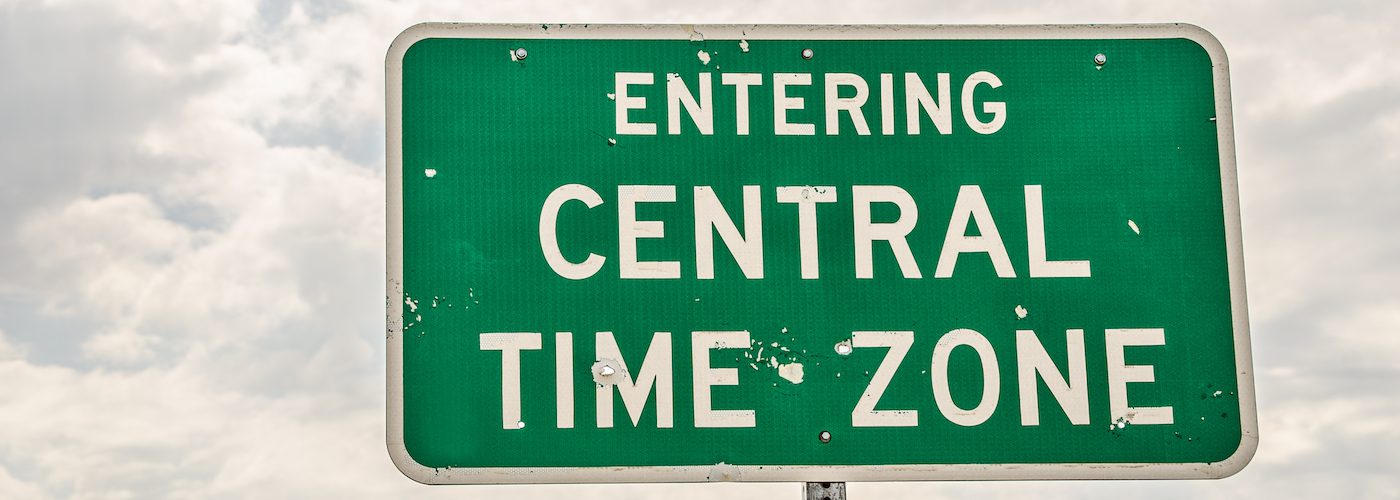
Understanding Chicago’s Time Zone: Central Standard Time (CST)
At its core, knowing the current time in Chicago means understanding its place within the global timekeeping system. The city operates on Central Standard Time (CST) for much of the year, which is six hours behind Coordinated Universal Time (UTC) or Greenwich Mean Time (GMT), often denoted as UTC-6 or GMT-6. This fundamental piece of information is the bedrock for all your travel planning.
The Importance of Knowing the Local Time
For travelers arriving from different time zones, the immediate impact of Chicago’s clock is often felt through jet lag. Knowing the precise time upon arrival helps in mentally adjusting and planning activities that ease the transition. More practically, it dictates crucial aspects of your trip:
- Flight Schedules: All arrival and departure times for O’Hare International Airport (ORD) and Midway International Airport (MDW) are based on local Chicago time. Miscalculating this can lead to missed connections or unexpected delays.
- Hotel Check-in/Check-out: Most hotels, resorts, and apartments adhere to strict check-in times (typically 3:00 PM or 4:00 PM local time) and check-out times (usually 11:00 AM or 12:00 PM local time). Understanding these ensures a smooth arrival and departure from your accommodation.
- Appointments and Tours: Whether it’s a reservation for an architectural river cruise, a timed entry ticket to the Art Institute of Chicago, or a business meeting, everything operates on the local clock.
Daylight Saving Time: A Biannual Adjustment
Complicating matters slightly is the observance of Daylight Saving Time (DST) in Chicago. Like most of the United States, Chicago springs forward by one hour on the second Sunday in March and falls back on the first Sunday in November. During this period, the city switches from Central Standard Time (CST) to Central Daylight Time (CDT), moving to UTC-5 or GMT-5.
This shift means an extra hour of daylight in the evenings during the warmer months, which is fantastic for sightseeing and outdoor activities. However, it requires an additional layer of awareness for travelers, especially those planning trips around the transition dates. Always double-check whether your travel dates fall within CST or CDT to avoid any timing mishaps. Many online travel tools and even a quick search for “current time in Chicago” will automatically account for DST, but it’s always good practice to be aware of this biannual change.
Maximizing Your Chicago Itinerary: Time-Sensitive Planning
Once you’re attuned to Chicago’s time, the real fun of planning begins. The city is a vibrant tapestry of experiences, and knowing the best times to engage with different attractions, dining spots, and cultural events can significantly enhance your visit. Strategic timing allows you to avoid crowds, capture the best light for photos, and immerse yourself fully in the city’s unique atmosphere.
Morning Adventures: Kicking Off Your Day
The early hours in Chicago offer a serene start to a day of exploration. This is the perfect time for those who wish to experience popular landmarks without the bustling crowds.
- Sunrise over Lake Michigan: For an truly breathtaking start, head to the lakefront path or a spot like the Adler Planetarium for spectacular sunrise views. The city skyline bathed in golden light is an iconic photo opportunity.
- Millennium Park and Grant Park: Arriving shortly after sunrise or when the parks open (typically 6:00 AM) allows you to capture stunning photos of Cloud Gate (affectionately known as “The Bean”) and the Crown Fountain with minimal interference. These spaces are incredibly peaceful in the early morning.
- Museums and Galleries: Many of Chicago’s world-class museums, such as the Art Institute of Chicago, Field Museum, or Shedd Aquarium, open their doors between 9:00 AM and 10:00 AM. Being among the first visitors allows for a more tranquil viewing experience, especially at popular exhibits.
- Breakfast and Brunch: Explore Chicago’s diverse culinary scene with a hearty breakfast. From cozy cafes in Lincoln Park to trendy brunch spots in Wicker Park or Logan Square, many establishments open early, often offering a more relaxed atmosphere before the lunch rush.
Afternoon Exploration: Iconic Landmarks and Cultural Immersion
The afternoon is prime time for hitting major attractions, shopping, and diving deeper into Chicago’s rich culture and history.
- Architectural Marvels: A Chicago Architecture Center River Cruise is a must-do, with tours running frequently throughout the day. The afternoon light often provides excellent visibility for appreciating the city’s stunning skyline from the water.
- Observation Decks: Ascend to the Skydeck Chicago at the Willis Tower or 360 Chicago at the 875 North Michigan Avenue building (formerly John Hancock Center) for unparalleled panoramic views. Late afternoon can be ideal, transitioning from daylight vistas to early evening glows.
- Magnificent Mile Shopping: Spend your afternoon browsing high-end boutiques and flagship stores along Michigan Avenue’s Magnificent Mile. Many shops are open until 7:00 PM or 8:00 PM.
- Navy Pier: This vibrant hub offers a Ferris wheel, boat tours, and family-friendly attractions, making it a great afternoon destination, especially if you plan to stay for dinner and evening entertainment.
Evening Delights: Dining, Entertainment, and Nightlife
As the sun sets, Chicago transforms into a beacon of culinary excellence and entertainment. The evening hours are when the city truly comes alive, offering something for every taste.
- Dining Experiences: Chicago is a gastronomic paradise, from deep-dish pizza at Lou Malnati’s or Giordano’s to world-class fine dining in the Fulton Market District or Gold Coast. Many popular restaurants require reservations, sometimes weeks in advance, particularly for peak dining hours (7:00 PM – 9:00 PM).
- Theater and Performing Arts: Chicago’s theater scene is legendary. Catch a Broadway in Chicago production in The Loop, enjoy a classical concert by the Chicago Symphony Orchestra, or experience cutting-edge performances at renowned institutions like the Steppenwolf Theatre Company or Goodman Theatre. Showtimes typically start between 7:00 PM and 8:00 PM.
- Live Music and Blues clubs: Immerse yourself in Chicago’s rich musical heritage by visiting a blues club. Venues often feature multiple sets throughout the evening, with the music continuing well past midnight.
- Rooftop Bars: Enjoy cocktails and stunning skyline views from one of Chicago’s many rooftop bars, a perfect way to wind down or kick off a night out.
Practical Considerations for Travelers
Beyond simply knowing the time, a successful trip to Chicago involves integrating that knowledge into practical travel logistics. From navigating the city to ensuring comfortable accommodation, time plays a pivotal role.
Navigating Check-in and Check-out Times
Booking your accommodation means adhering to the established check-in and check-out times. Standard hotel check-in is typically mid-afternoon, allowing staff to prepare rooms. If your flight arrives early, inquire about early check-in availability or luggage storage options. Many hotels, resorts, and vacation apartments are accommodating, especially if you communicate your needs in advance. Similarly, for late departures, a late check-out can often be arranged for an additional fee, or you can utilize the hotel’s baggage hold service to maximize your last day exploring.
Choosing the right accommodation that offers flexibility can significantly reduce travel stress. Whether it’s a luxury suite downtown, a charming boutique hotel in River North, or a family-friendly apartment rental, always confirm their specific policies regarding arrival and departure times.
Beating the Crowds: Strategic Timing for Popular Attractions
Chicago’s most beloved attractions can draw significant crowds, especially during peak season (summer) and on weekends. Smart timing can vastly improve your experience.
- Early Mornings: As mentioned, arriving at Millennium Park, the Art Institute of Chicago, or the Shedd Aquarium right when they open is often the best strategy to avoid queues and enjoy a more intimate visit.
- Weekdays: Whenever possible, schedule visits to major museums and observatories on weekdays rather than weekends, when local residents also flock to these spots.
- Late Afternoons: Towards the end of the day, an hour or two before closing, crowds at some attractions can thin out. This can be a good time for a quick visit, though you might feel rushed.
- Off-Season Travel: Visiting Chicago during the shoulder seasons (spring or fall) often means fewer crowds and pleasant weather, making for a more relaxed experience.
Transportation and Rush Hour
Chicago’s transportation network, including the extensive CTA (trains and buses), can get very busy during traditional rush hour periods.
- Morning Rush: Generally from 7:00 AM to 9:00 AM.
- Evening Rush: Typically from 4:00 PM to 6:00 PM.
If you’re relying on public transport or ride-sharing services, try to plan your movements outside these peak times to avoid delays and crowded conditions. This is particularly important when traveling to and from O’Hare International Airport or Midway International Airport, where traffic on expressways can significantly impact travel times.
Dining Experiences: Reservations and Peak Hours
Chicago’s culinary landscape is a major draw, but popular eateries operate on their own time.
- Reservations are Key: For any restaurant you have your heart set on, especially Michelin-starred restaurants or popular neighborhood spots, make reservations well in advance. Dinner service typically begins around 5:00 PM or 6:00 PM, with peak times between 7:00 PM and 9:00 PM.
- Lunch Rush: Downtown areas and popular tourist districts experience a lunch rush between 12:00 PM and 1:30 PM. Consider dining earlier or later, or opt for casual grab-and-go options during this period.
- Happy Hour: Many bars and restaurants offer happy hour specials, usually between 4:00 PM and 6:00 PM. This is a great way to sample drinks and appetizers at a better price before dinner.
Beyond the Clock: Embracing Chicago’s Rhythms
While precise timing is essential for logistics, truly experiencing Chicago also means embracing its seasonal rhythms and the timeless beauty it offers throughout the day.
Seasonal Timings: Festivals and Events
Chicago’s calendar is packed with events that often influence the best time to visit and how you schedule your days.
- Summer (June-August): The city bursts with outdoor festivals, concerts in Grant Park, and activities along Navy Pier and the Riverwalk. While vibrant, this is also peak tourist season, meaning higher prices and larger crowds.
- Fall (September-November): Offers crisp weather, beautiful foliage, and fewer crowds, making it an ideal time for architectural tours and museum visits.
- Winter (December-February): Transforms Chicago into a winter wonderland, complete with ice skating rinks, holiday lights, and the famous Christkindlmarket. While cold, the festive atmosphere is unique.
- Spring (March-May): Brings blooming flowers, warming temperatures, and the return of outdoor activities, often with moderate crowds before the summer rush.
Checking the local event calendar before your trip can help you align your visit with specific interests, whether it’s a major sporting event at Wrigley Field for the Chicago Cubs or Guaranteed Rate Field for the [Chicago White Sox], or a cultural festival in one of Chicago’s diverse neighborhoods.
The Unforgettable Sunrise and Sunset Views
Regardless of the time of year, Chicago offers stunning bookends to your day: sunrise and sunset.
- Sunrise: As mentioned, the eastern edge of the city, particularly along Lake Michigan or from North Avenue Beach, provides spectacular views as the sun ascends over the lake, casting a golden glow on the skyline.
- Sunset: For equally mesmerizing views, head to an observation deck like Skydeck Chicago or 360 Chicago, or find a west-facing rooftop bar. Watching the city lights flicker on as the sky transitions from vibrant hues to deep twilight is an experience not to be missed. The Museum Campus also offers fantastic westward views of the skyline bathed in evening light.
Knowing the exact local sunrise and sunset times for your travel dates (easily found with a quick online search) can help you plan these magical moments, ensuring your camera is ready to capture the beauty.
In conclusion, “What time is it now in Chicago?” is a question that opens the door to a world of strategic planning and enriched travel experiences. By understanding Chicago’s time zone, accounting for Daylight Saving Time, and thoughtfully scheduling your activities, accommodation, and transportation, you can maximize every minute of your visit. Embrace the rhythms of this magnificent city, and you’ll find that timing truly is everything when it comes to creating unforgettable memories in Chicago.
LifeOutOfTheBox is a participant in the Amazon Services LLC Associates Program, an affiliate advertising program designed to provide a means for sites to earn advertising fees by advertising and linking to Amazon.com. Amazon, the Amazon logo, AmazonSupply, and the AmazonSupply logo are trademarks of Amazon.com, Inc. or its affiliates. As an Amazon Associate we earn affiliate commissions from qualifying purchases.