
Southern California is a region renowned for its vibrant cities, stunning coastlines, and endless sunshine. Two of its brightest gems, Los Angeles and San Diego, draw millions of visitors annually, each offering a distinct flavor of the Golden State. A frequent question for travelers planning an itinerary through this captivating part of the United States is just how far these two major metropolitan areas are from each other, and more importantly, how best to traverse the distance.
The journey between Los Angeles and San Diego is more than just a commute; it’s an integral part of the Southern California experience. Whether you’re a first-time visitor eager to explore both urban landscapes, a local looking for a weekend escape, or a business traveler needing efficient transit, understanding the distance and transportation options is key to a seamless trip. This comprehensive guide will delve into the geographical proximity, various modes of transport, and valuable tips to enhance your journey, ensuring you maximize your adventure between these iconic California cities. From scenic drives along the coast to comfortable train rides and efficient air travel, we’ll cover everything you need to know to bridge the gap between the sprawling entertainment capital and the laid-back beach city.
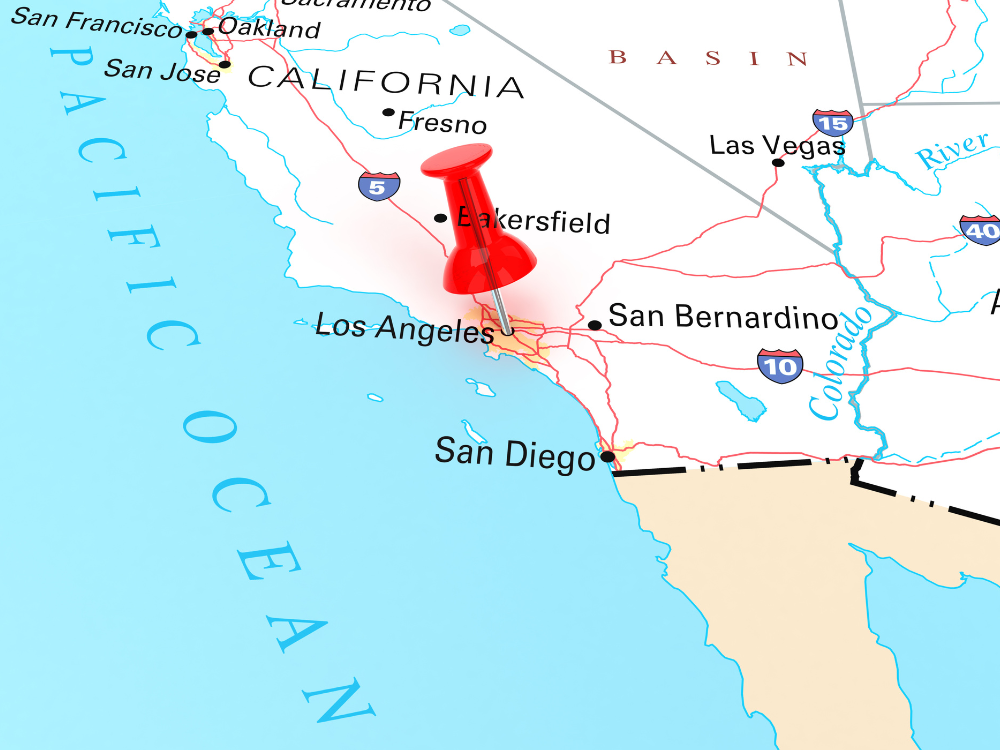
The Distance Between Two Southern California Jewels
At first glance, the two major cities of Southern California might seem like worlds apart, given their distinct cultures and atmospheres. However, geographically, they are comfortably close, making multi-city itineraries highly feasible and popular among tourists and residents alike.
Geographical Proximity and Key Routes
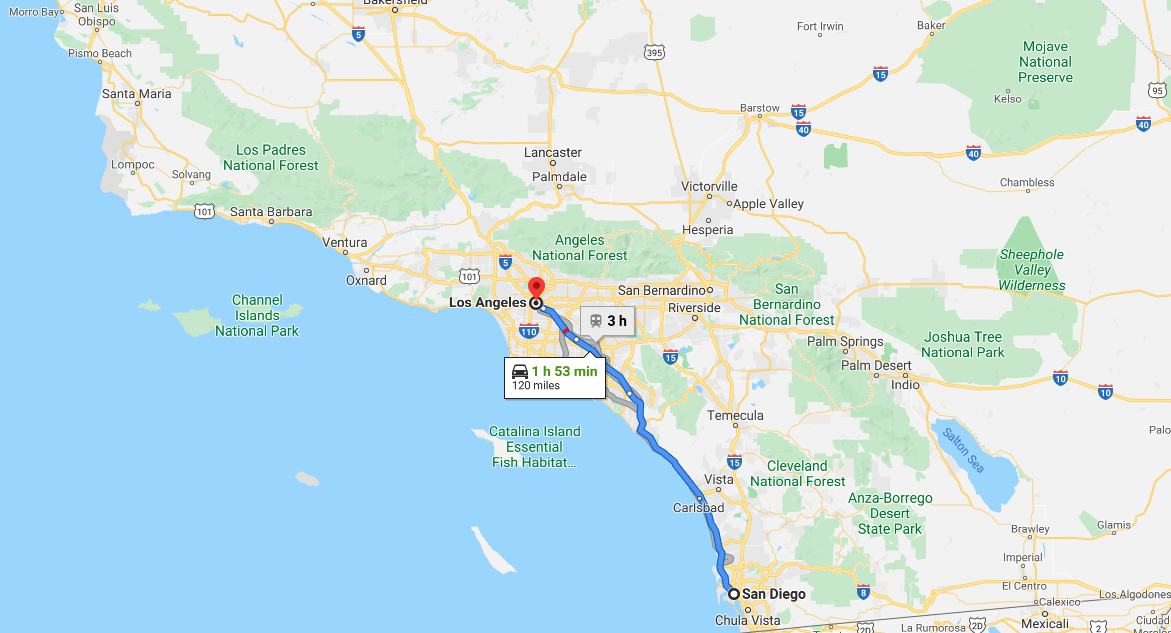
The distance between Los Angeles and San Diego can vary slightly depending on your exact starting point and destination within each sprawling metropolis, as well as the specific route you choose. Generally, the straight-line distance, often referred to as “as the crow flies,” is approximately 110-120 miles (177-193 kilometers). However, for practical travel purposes, we’re more concerned with the driving distance.
By road, the most direct and frequently used route is via Interstate 5 (the I-5). This major north-south artery runs along the Pacific Coast, offering occasional glimpses of the ocean, especially as it passes through Orange County and northern San Diego County. The typical driving distance along the I-5 averages around 120-130 miles (193-209 kilometers).
While I-5 is the most common path, an alternative, albeit slightly longer, route for some travelers might involve parts of Interstate 15 (the I-15) for those starting or ending in the eastern parts of either city. This inland route can sometimes be faster if coastal traffic is particularly heavy, but it generally adds a few more miles to the journey, typically bringing the total to around 135-145 miles (217-233 kilometers).
The average travel time by car, under ideal traffic conditions, ranges from 1 hour 45 minutes to 2 hours 30 minutes. However, it’s crucial to factor in Southern California’s notorious traffic. During peak commute hours (typically 6-9 AM and 3-7 PM on weekdays, and often throughout much of the day on weekends, especially during holiday periods), this travel time can easily swell to 3-4 hours, or even more in extreme cases. Planning your drive to avoid these windows is highly recommended to ensure a smoother and quicker journey.
Navigating the Journey: Transportation Options
Traveling between Los Angeles and San Diego offers a variety of transportation choices, each with its own set of advantages and disadvantages concerning cost, comfort, speed, and scenic appeal. Your ideal choice will depend heavily on your budget, schedule, and personal preferences for travel experiences.
Driving: The Classic Southern California Road Trip
Driving remains the most popular way to travel between these two cities, largely due to the flexibility it offers. Having your own vehicle or a rental car allows you to set your own pace, depart and arrive exactly when you want, and make spontaneous stops along the way.
Pros of Driving:
- Flexibility: Unmatched freedom to explore, take detours, and carry luggage without restrictions.
- Scenic Stops: The I-5 corridor, particularly through Orange County, is dotted with charming beach towns like San Clemente, Laguna Beach, and Encinitas. These make for excellent pit stops for a meal, a walk on the beach, or simply to stretch your legs.
- Cost-Effective for Groups: For families or groups of friends, sharing fuel and toll costs can make driving more economical than individual train or bus tickets.
Cons of Driving:
- Traffic: As mentioned, traffic is the biggest deterrent. Congestion can significantly extend travel times and elevate stress levels.
- Parking: Finding and paying for parking in both Los Angeles and San Diego, especially around popular attractions or downtown areas, can be challenging and expensive.
- Fuel Costs: Gas prices in California are typically higher than the national average.
Tips for Drivers:
- Timing is Everything: Aim to travel mid-morning (after 9 AM) or late evening (after 7 PM) on weekdays. On weekends, early mornings are usually best.
- Navigation Apps: Utilize real-time traffic apps like Google Maps or Waze to monitor conditions and identify potential alternate routes or slowdowns.
- Car Rentals: If you’re flying into LAX (Los Angeles International Airport) or SAN (San Diego International Airport), numerous car rental agencies are available. Booking in advance, especially during peak season, is advisable. Consider options like Enterprise, Hertz, Avis, or Budget.
Public Transportation: Amtrak Pacific Surfliner
For those who prefer to relax and enjoy the scenery without the stress of driving, the Amtrak Pacific Surfliner train service is an excellent choice. It offers a comfortable and remarkably scenic journey along the California coast.
Pros of the Pacific Surfliner:
- Scenic Views: A significant portion of the route runs right along the Pacific Ocean, offering breathtaking coastal vistas, particularly between Orange County and San Diego.
- Comfort: Trains offer spacious seating, Wi-Fi, power outlets, a cafe car, and restrooms. It’s a great opportunity to catch up on work, read, or simply unwind.
- Convenience: Stations are often centrally located. In Los Angeles, trains depart from the historic Union Station. In San Diego, the arrival point is the charming Santa Fe Depot in the downtown area, close to the Gaslamp Quarter and various hotels.
- No Traffic Worries: Travel time is consistent, typically around 2 hours 45 minutes to 3 hours, regardless of road traffic.
Cons of the Pacific Surfliner:
- Less Flexible Schedule: You’re bound by train schedules, which might not align perfectly with your itinerary.
- Cost: Tickets can be more expensive than bus travel, especially if not booked in advance. Prices typically range from $35-$60 for a one-way adult fare.
Bus Services: Greyhound and FlixBus
For budget-conscious travelers, intercity bus services like Greyhound and FlixBus offer an economical way to travel between Los Angeles and San Diego.
Pros of Bus Travel:
- Affordability: Generally the cheapest option, with tickets sometimes available for as low as $15-$25 for a one-way trip.
- Frequent Departures: Both services offer multiple departures throughout the day.
Cons of Bus Travel:
- Longer Travel Time: Buses are subject to the same traffic conditions as cars, so travel times can be highly variable, ranging from 2.5 to 4+ hours.
- Comfort: While modern buses are generally comfortable, they don’t offer the same spaciousness as trains.
- Station Locations: Bus terminals might not always be as conveniently located as train stations, potentially requiring additional public transport or ride-shares to reach your final destination.
Flying: The Quickest but Often Least Practical
While technically the fastest way to cover the distance, flying between Los Angeles and San Diego is rarely practical due to the relatively short distance.
Pros of Flying:
- Short Flight Time: The actual flight is typically only 30-45 minutes.
Cons of Flying:
- Total Travel Time: When you factor in transit to and from airports, security checks, boarding, and baggage claim, the total travel time often far exceeds that of driving or taking the train.
- Cost: Airfares are generally higher, especially for such a short hop.
- Airport Convenience: The main airports are LAX in Los Angeles and SAN in San Diego. For those in Orange County, John Wayne Airport (SNA) can also serve as an option, but flights between these hubs are infrequent and costly for the distance.
Unless you have very specific travel constraints or are connecting to a longer flight, flying is generally not recommended for the Los Angeles to San Diego route.
Making the Most of Your Stay: Accommodation and Experiences
Once you’ve successfully navigated the journey between these Southern California powerhouses, it’s time to immerse yourself in their unique offerings. Both Los Angeles and San Diego boast an incredible array of accommodations, attractions, and cultural experiences to suit every taste and budget.
Where to Stay in Los Angeles
Los Angeles, a sprawling metropolis, offers a diverse range of neighborhoods, each with its own character and accommodation options. Choosing where to stay often depends on your primary interests and whether you’re seeking luxury, value, or proximity to specific attractions.
Luxury Stays: For an opulent experience, consider the iconic Beverly Wilshire, A Four Seasons Hotel in Beverly Hills, renowned for its timeless elegance and prime location near designer boutiques. Another excellent choice is The Peninsula Beverly Hills, offering unparalleled service and a tranquil atmosphere amidst the city’s hustle.
Mid-Range Options: Hotel Erwin in Venice Beach provides a chic, bohemian vibe with stunning rooftop views of the Pacific Ocean, perfect for those wanting a quintessential L.A. beach experience. In Hollywood, Mama Shelter Los Angeles offers stylish, quirky rooms and a lively atmosphere, just steps away from the Hollywood Walk of Fame.
Budget-Friendly: Numerous hostels and more affordable hotels can be found in areas like Downtown L.A. or Koreatown, offering good value for travelers focused on exploring the city’s landmarks such as the Griffith Observatory or the vibrant pier scene at Santa Monica and its famous Santa Monica Pier.
Exploring San Diego’s Charm
San Diego presents a more laid-back, yet equally engaging, atmosphere. Its distinct neighborhoods, from the historic Gaslamp Quarter to the coastal elegance of La Jolla, offer a variety of lodging and activities.
Luxury Stays: The legendary Hotel del Coronado, often called “The Del,” on Coronado Island is an iconic Victorian beachfront resort that promises a truly memorable stay. For urban luxury, The US Grant, a Luxury Collection Hotel in downtown San Diego offers historic grandeur and modern sophistication.
Mid-Range Options: In the heart of the Gaslamp Quarter, Andaz San Diego provides a boutique experience with a popular rooftop bar, perfect for those looking to be amidst the nightlife. The Omni San Diego Hotel offers comfortable rooms and excellent amenities, with a convenient skybridge connection to Petco Park.
Budget-Friendly: Hostels and more economical hotels are plentiful in areas surrounding the Gaslamp Quarter and near major attractions, providing easy access to cultural hubs like Balboa Park (home to the San Diego Zoo), the maritime history at the USS Midway Museum, and the scenic beauty of La Jolla Cove.
Maximizing Your Southern California Adventure
Beyond just the distance and transportation, enhancing your Southern California adventure means thoughtful planning, embracing local culture, and making informed decisions to create a truly unforgettable experience.
Planning Your Itinerary
When bridging the gap between Los Angeles and San Diego, consider whether you’re embarking on a day trip or planning a multi-day stay in each city. For day trips, focus on one or two key attractions in your destination city. For instance, if heading to San Diego for a day, you might concentrate on Balboa Park and the Gaslamp Quarter. If staying longer, you can delve deeper into diverse neighborhoods and attractions like Disneyland (located in Anaheim, between LA and San Diego) or the beautiful beaches of Orange County.
The best time to visit Southern California largely depends on your priorities. Spring (April-May) and Fall (September-October) offer pleasant weather with fewer crowds, making them ideal for sightseeing and outdoor activities. Summers (June-August) are vibrant with festivals and beachgoers, but also bring higher temperatures and peak tourist crowds. Winters (November-March) are generally mild, perfect for exploring without the intense heat, though there can be occasional rain.
Local Culture and Culinary Delights
Each city offers a distinct cultural and culinary landscape that is worth exploring. Los Angeles is a global melting pot, reflected in its diverse food scene, from high-end Michelin-starred restaurants to incredible street food and food trucks representing cuisines from around the world. It’s the epicenter of entertainment, art, and fashion, offering a fast-paced, glamorous lifestyle.
San Diego, by contrast, boasts a more relaxed, beach-centric vibe. It’s famous for its burgeoning craft beer scene, with numerous breweries and taprooms. Its proximity to Mexico also means an incredible array of authentic Mexican cuisine, from taco shops to upscale Mexican dining experiences. The city’s culture blends outdoor adventure, naval history, and a casual coastal elegance, making it feel like a perpetual vacation destination.

Tips for a Seamless Journey
- Book Accommodations and Activities in Advance: Especially during peak seasons, popular hotels and attractions can sell out quickly. Early booking often secures better rates and availability.
- Utilize Public Transportation within Cities: Both Los Angeles (Metro system) and San Diego (MTS system, including trolleys) have public transportation networks that can help you navigate locally, especially if you opt not to drive. Ride-sharing services like Uber and Lyft are also readily available.
- Stay Hydrated and Sun Protected: Southern California sun can be intense. Always carry water, wear sunscreen, and consider a hat and sunglasses, even on cloudy days.
- Check Event Calendars: Before your trip, look up local events, festivals, or concerts in both cities. You might stumble upon unique experiences that enhance your visit.
In conclusion, the distance between Los Angeles and San Diego is an easily navigable one, making a combined trip to these Southern California treasures a highly rewarding experience. Whether you choose the independence of a road trip, the scenic comfort of the Amtrak Pacific Surfliner, or the budget-friendliness of a bus, both cities offer a wealth of attractions, dining, and cultural insights. By planning ahead and considering your travel style, you’re set for an unforgettable adventure across the diverse and captivating landscape of Southern California.
LifeOutOfTheBox is a participant in the Amazon Services LLC Associates Program, an affiliate advertising program designed to provide a means for sites to earn advertising fees by advertising and linking to Amazon.com. Amazon, the Amazon logo, AmazonSupply, and the AmazonSupply logo are trademarks of Amazon.com, Inc. or its affiliates. As an Amazon Associate we earn affiliate commissions from qualifying purchases.