
Understanding the duration of unemployment benefits in California is a critical piece of information for individuals navigating a period of joblessness. This guide aims to provide a comprehensive overview of the factors influencing the length of these benefits, offering clarity and practical insights for those relying on this crucial support system. While the primary focus of this article is on the duration of benefits, it is important to note that the landscape of employment and financial support can be complex and may intersect with other aspects of life, such as planning for extended stays or budgeting for travel during transitional periods. However, our scope here remains strictly on the mechanics and timelines of unemployment compensation in the Golden State.
Understanding the Standard Benefit Period
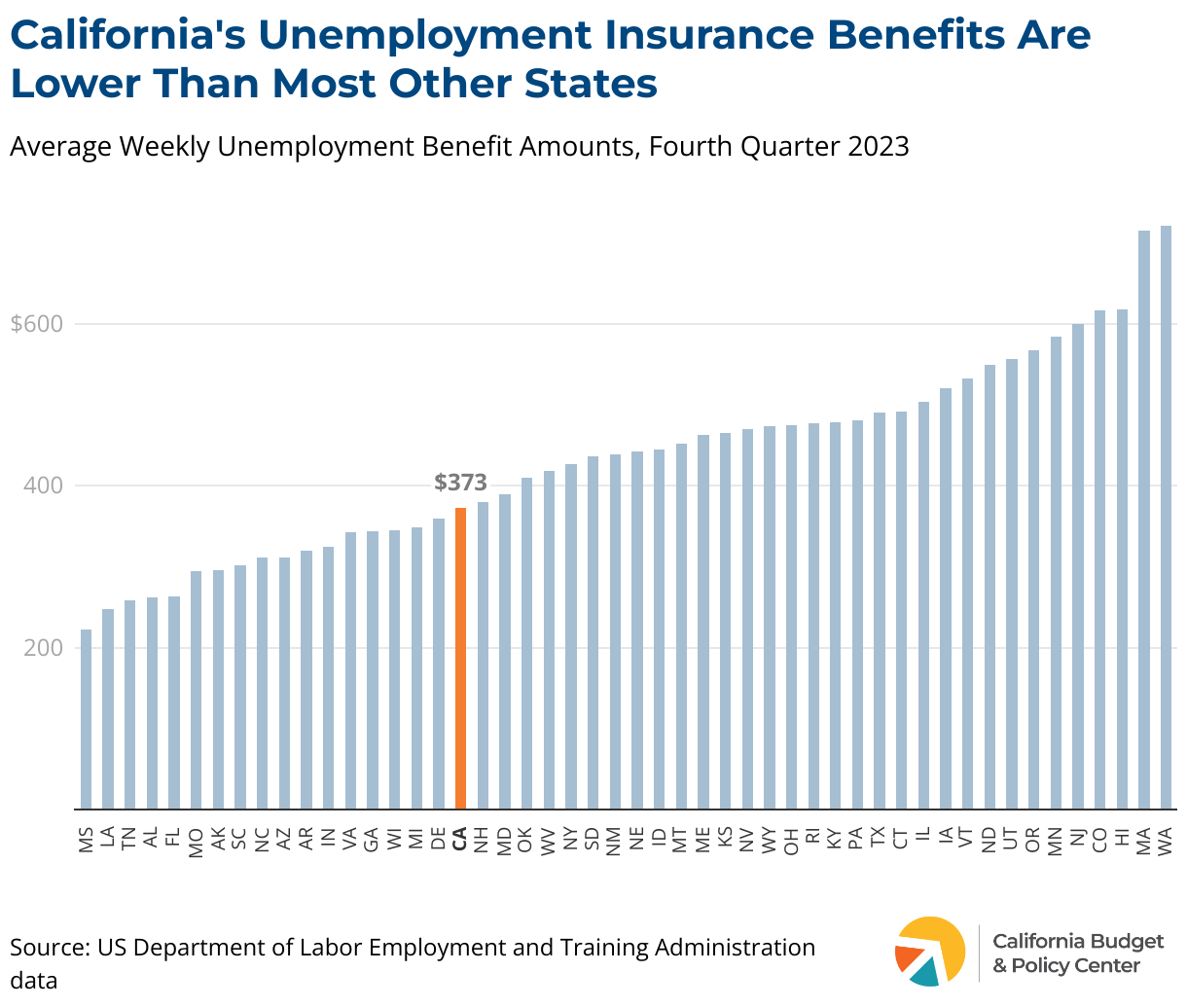
The foundational duration of unemployment benefits in California is determined by a standard period, designed to offer a safety net while individuals seek new employment. This period is not static and can be influenced by various legislative changes and economic conditions.
The Initial Claim and Weekly Benefit Amount
When you file an initial claim for unemployment insurance (UI) benefits with the California Employment Development Department (EDD), your eligibility is assessed based on your past earnings. The EDD calculates your Weekly Benefit Amount (WBA) and the maximum benefit amount (MBA) you can receive. The MBA is the total amount you can receive over the duration of your claim. This MBA is typically based on your wages earned during a specific “base period” – usually the first four of the last five completed calendar quarters before you filed your claim.
The 26-Week Standard Duration
For most eligible claimants, the standard duration of unemployment benefits in California is 26 weeks. This means that you can potentially receive benefits for up to 26 weeks, provided you continue to meet all eligibility requirements. These requirements include being unemployed through no fault of your own, being able and available for work, and actively seeking suitable employment. The 26-week period begins from the date your claim becomes effective. It’s crucial to understand that the 26 weeks are not necessarily consecutive. You must certify for benefits each week you are unemployed, and failure to do so can result in a loss of benefits.
Factors Affecting the 26-Week Period
While 26 weeks is the standard, there are circumstances that can alter this timeframe. These can include:
- Exhaustion of Benefits: If you find new employment and earn wages above a certain threshold, you may become ineligible for benefits, effectively ending your claim before the 26 weeks are up. Conversely, if you consistently meet the eligibility criteria, you will receive benefits until you exhaust your MBA or the 26 weeks expire, whichever comes first.
- Extended Benefits Programs: In times of high unemployment, the federal and state governments may implement Extended Benefits (EB) programs. These programs can provide additional weeks of unemployment compensation beyond the standard 26 weeks. The availability and duration of EB are tied to specific economic indicators and legislative actions. When these programs are active, they can significantly extend the period an individual can receive benefits, offering a crucial lifeline during prolonged economic downturns.
- Partial Unemployment: If you are working part-time and earning less than your WBA, you may still be eligible for partial unemployment benefits. This means your benefit payments will be reduced based on your earnings, but you can continue to receive benefits for a longer period, as long as you have a remaining balance in your MBA and meet other eligibility requirements.
Navigating Extensions and Special Programs
The standard 26-week benefit period is the baseline, but California, like other states, has provisions for extending unemployment benefits, particularly during periods of significant economic hardship. These extensions are often tied to federal legislation and specific unemployment rate thresholds.
Federal Extensions and Their Impact
Historically, federal programs like the Pandemic Emergency Unemployment Compensation (PEUC) program have provided additional weeks of benefits. These programs are enacted by Congress during national emergencies or severe recessions. When such programs are active, they can significantly extend the total duration an individual can receive unemployment insurance. For example, during the COVID-19 pandemic, the PEUC program, among others, extended benefits for many Californians beyond the initial 26 weeks. The specifics of these federal extensions, including their start and end dates, as well as the number of additional weeks provided, are subject to congressional action and are not permanent features of the unemployment system. It is imperative for claimants to stay informed about potential federal extensions through the EDD’s official communications.
Pandemic Unemployment Assistance (PUA) and Other Specific Programs
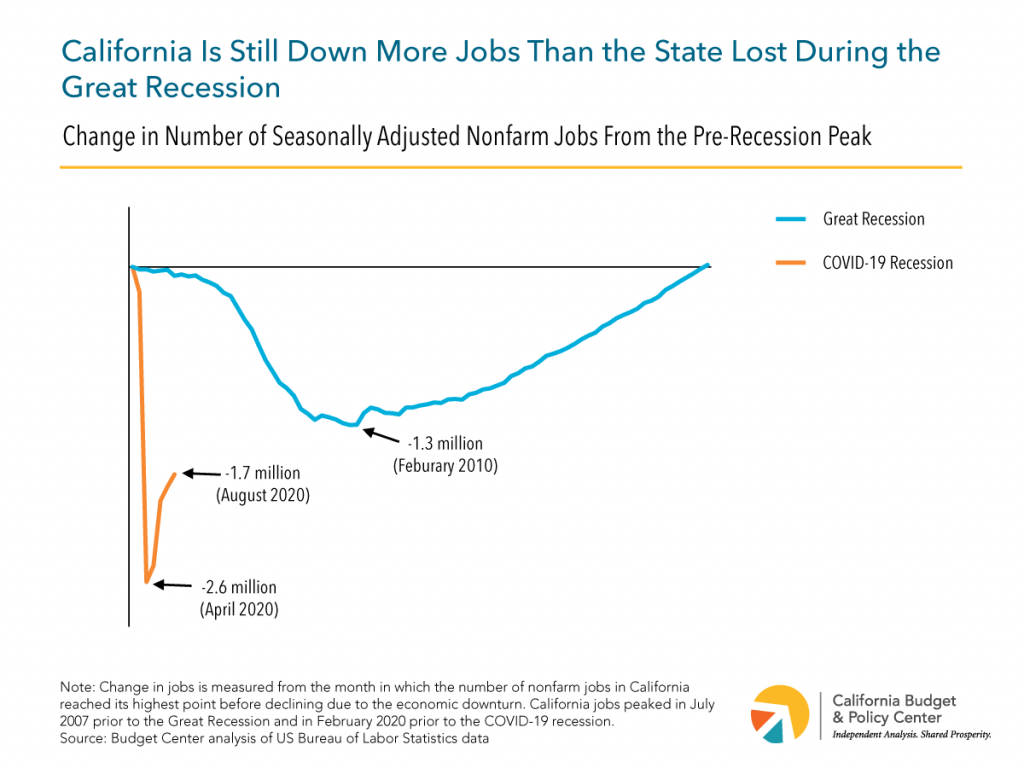
Beyond traditional UI and federal extensions, California has also administered specific programs like the Pandemic Unemployment Assistance (PUA). PUA was designed to provide benefits to individuals who were not typically eligible for regular unemployment benefits, such as self-employed individuals, independent contractors, and gig workers. These programs often had their own unique duration limits and eligibility criteria, which could differ from the standard 26-week period. While many of these pandemic-specific programs have concluded, understanding their existence highlights the dynamic nature of unemployment assistance and the potential for specialized support during extraordinary economic circumstances.
Maintaining Eligibility for Continued Benefits
Simply reaching the end of the standard benefit period does not automatically mean your claim is over if extensions are available. However, throughout the entire duration of your benefits, whether standard or extended, maintaining eligibility is paramount. Failure to meet ongoing requirements can lead to the suspension or termination of your benefits, regardless of how many weeks you have left.
Actively Seeking Work
One of the most critical ongoing requirements for receiving unemployment benefits is actively seeking suitable employment. This means making a diligent effort to find a new job. The EDD may ask you to provide proof of your job search activities, such as a log of employers you’ve contacted, interviews you’ve attended, and applications you’ve submitted. What constitutes “suitable employment” can also be a factor. Generally, it refers to work that is within your general occupation, skill set, and experience level, and that pays a wage comparable to what you earned previously, with some flexibility for what is available in the current job market.
Being Able and Available for Work
You must be physically able to work and available for work each week you certify for benefits. This means you cannot be incapacitated by illness or injury, nor can you be unavailable due to caring for a family member, attending a full-time educational program without EDD approval, or being incarcerated. If you are on vacation or traveling, even within California, you may be deemed unavailable for work and thus ineligible for benefits during that period. This is a critical point for individuals who might consider extended trips or leisure activities while collecting unemployment; such actions can jeopardize their benefits.
Reporting Earnings Accurately
Any earnings you receive while collecting unemployment, even from temporary or part-time work, must be reported to the EDD. This includes wages from any employment, whether you were an employee or an independent contractor, and any other income such as severance pay or pension payments, depending on their nature and timing. Failure to report earnings accurately can result in penalties, overpayments, and even disqualification from future benefits. The EDD uses these reported earnings to adjust your weekly benefit payment. If your earnings are low enough, you may still be eligible for partial benefits.
Maximizing Your Benefits and Future Planning
While the duration of unemployment benefits provides a crucial financial cushion, it is essential to approach this period with a strategic mindset. Understanding how to maximize your current benefits and plan for the future can make a significant difference in your transition back to employment.
Understanding Your Claim Balance and Expiration
Keep a close eye on your remaining benefit balance. The EDD provides tools and statements that detail how much you have left to draw and the total duration your claim is valid. Your claim typically remains open for one year from the date you first filed it. Even if you exhaust your MBA before the one-year mark, your claim remains open. This means that if you experience another period of unemployment within that year and have a qualifying work history in the interim, you might be able to reopen your existing claim or file a new one more easily. Knowing your MBA and the expiration date of your claim helps you manage your expectations and plan your job search accordingly.
Resources for Job Seekers
The EDD offers a wealth of resources to assist you in your job search. These include access to job listings, career counseling services, workshops on resume writing and interview skills, and information on training programs. Utilizing these services can not only help you find employment more efficiently but also enhance your skills and marketability for future career opportunities. Many of these services are accessible online, and some may even be relevant for individuals planning longer-term stays or seeking opportunities in different regions, though the direct focus here remains on benefit duration.
Financial Planning During Unemployment
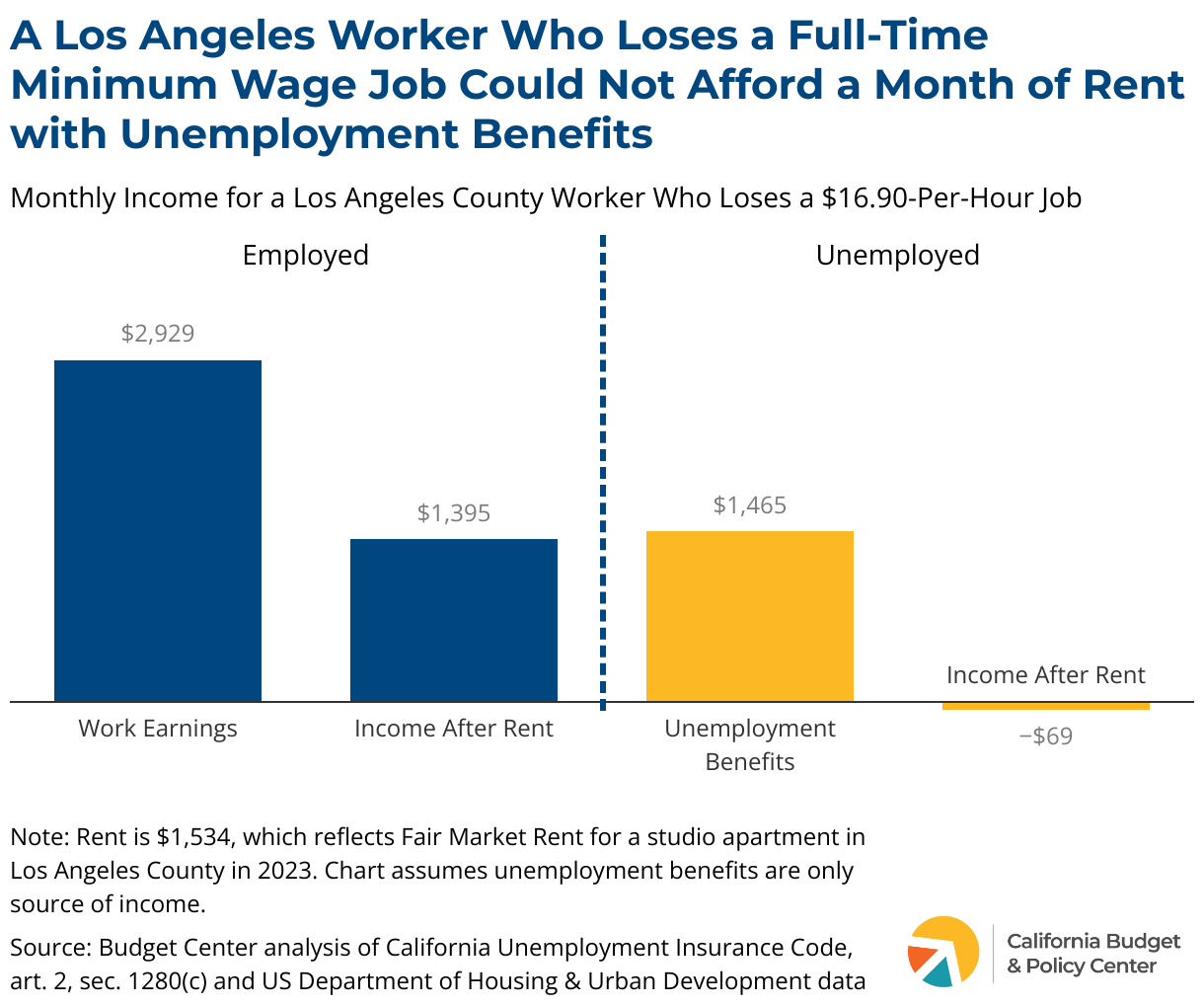
Unemployment benefits are intended to be a temporary solution. Therefore, it’s vital to create a budget and manage your finances prudently during this period. This might involve cutting non-essential expenses and prioritizing needs. Understanding the potential duration of your benefits – whether it’s the standard 26 weeks or an extended period – is crucial for effective financial planning. This foresight can help prevent financial strain and allow you to focus more effectively on your job search without the added stress of immediate financial emergencies. For those considering extended periods away from their usual place of residence during this time, understanding benefit limitations is even more critical for responsible financial management.
LifeOutOfTheBox is a participant in the Amazon Services LLC Associates Program, an affiliate advertising program designed to provide a means for sites to earn advertising fees by advertising and linking to Amazon.com. Amazon, the Amazon logo, AmazonSupply, and the AmazonSupply logo are trademarks of Amazon.com, Inc. or its affiliates. As an Amazon Associate we earn affiliate commissions from qualifying purchases.