
Embarking on a road trip to California, the Golden State, is an quintessential North American adventure, promising diverse landscapes, iconic landmarks, and unforgettable experiences. However, one of the most common questions travelers ask is, “How long does it really take to drive to California?” The answer, as with many grand journeys, isn’t a simple number. It’s a fascinating blend of distance, personal pace, chosen routes, and the desire to explore the myriad attractions that lie between your starting point and the sunny West Coast.
Driving across the United States to reach California is more than just covering miles; it’s an opportunity to immerse yourself in the local culture, savor regional cuisines, and witness breathtaking natural beauty and historical sites. Whether you’re planning a swift dash or a leisurely exploration, understanding the variables involved in such a cross-country endeavor is key to a successful and enjoyable trip. From selecting the perfect accommodation along your route to preparing your vehicle for the long haul, every detail contributes to the overall duration and quality of your journey.

Factors Influencing Your Drive Time to California
The duration of your drive to California is highly elastic, influenced by several critical factors. Recognizing these elements will allow you to tailor your trip to your preferences, whether you prioritize speed, sightseeing, or a balance of both.
Starting Point and Route Selection
The most significant determinant of your drive time is your point of origin. A drive from New York City on the East Coast to Los Angeles will naturally take much longer than a trip from Denver, Colorado. The distance across the United States ranges roughly from 2,500 to 3,000 miles, depending on the specific start and end cities.
- East Coast (e.g., New York City, Miami): Expect a journey of 5 to 7 driving days. This typically covers 2,800 to 3,200 miles.
- Midwest (e.g., Chicago, Dallas): A trip from the Midwest might take 3 to 5 driving days, spanning 1,800 to 2,500 miles.
- Mountain West (e.g., Denver, Salt Lake City): These closer states could mean a drive of 1 to 3 days, covering 700 to 1,500 miles.
Your choice of route also plays a role. Opting for major interstates like Interstate 80, Interstate 70, or Interstate 40 generally offers the most direct and fastest path. However, choosing scenic byways or historic routes, such as portions of the legendary Route 66, will inevitably add time but promise a richer travel experience.
Driving Pace and Daily Mileage
Most experts recommend limiting daily driving to 8-10 hours to avoid fatigue and ensure safety. This translates to covering approximately 400-600 miles per day, depending on speed limits, traffic, and the frequency of stops. A solo driver will generally need more rest and breaks than a team of two or more who can share driving duties.
- Solo Driver: A solo traveler adhering to 8-10 hours of driving per day should factor in at least one overnight stop for every 400-500 miles.
- Multiple Drivers: With two or more drivers, you might extend your daily mileage, potentially reducing the total number of driving days. However, it’s crucial not to compromise safety for speed.
Remember to factor in time for fuel stops, meals, stretching, and unexpected delays. These small breaks accumulate, and a well-rested driver is a safer driver.
Stops, Sightseeing, and Side Trips
For many, the joy of a road trip lies in the journey itself, not just the destination. Incorporating tourism into your drive can significantly extend the overall duration, but it also elevates the experience from a mere commute to an unforgettable adventure.
- Major Landmarks: Iconic landmarks such as the Grand Canyon National Park, the bright lights of Las Vegas, or the majestic Rocky Mountains are popular detours. Spending a day or even half a day at such attractions can easily add an extra day or more to your total trip duration.
- National Parks: The United States boasts an incredible network of National Parks perfect for exploration. Destinations like Zion National Park or Bryce Canyon National Park in Utah, or Petrified Forest National Park in Arizona, require dedicated time, potentially adding multiple days to your journey.
- Cities and Local Culture: Taking time to explore smaller cities like Sedona or Moab, or stopping for unique local culinary experiences, enriches the trip but extends its length.
The choice between a “point A to point B” drive and a “journey of discovery” significantly impacts your estimated arrival in California.
Time of Year and Weather Conditions
The season in which you undertake your drive can have a profound impact on travel time and safety.
- Winter: Driving in winter, especially across northern routes or through mountainous regions, can lead to hazardous conditions like snow, ice, and road closures. Routes like Interstate 80 across the northern United States or passes in the Rocky Mountains can become impassable, forcing detours or significant delays.
- Summer: While generally offering better weather, summer travel can mean extreme heat in desert areas (e.g., Nevada, Arizona), potentially affecting vehicle performance and driver comfort. Additionally, summer is peak tourist season, leading to more traffic and higher hotel prices.
- Spring/Fall: These shoulder seasons often present ideal driving conditions with mild temperatures and fewer crowds, making them excellent choices for a cross-country drive.
Always check weather forecasts along your entire route, especially if driving during transitional seasons, and be prepared to adjust your plans.
Planning Your California Road Trip: Routes and Accommodation
Thoughtful planning is the cornerstone of any great road trip. Beyond just the driving time, consider where you’ll rest, what you’ll see, and how you’ll manage your lifestyle on the road.
Popular Starting Regions and Estimated Times
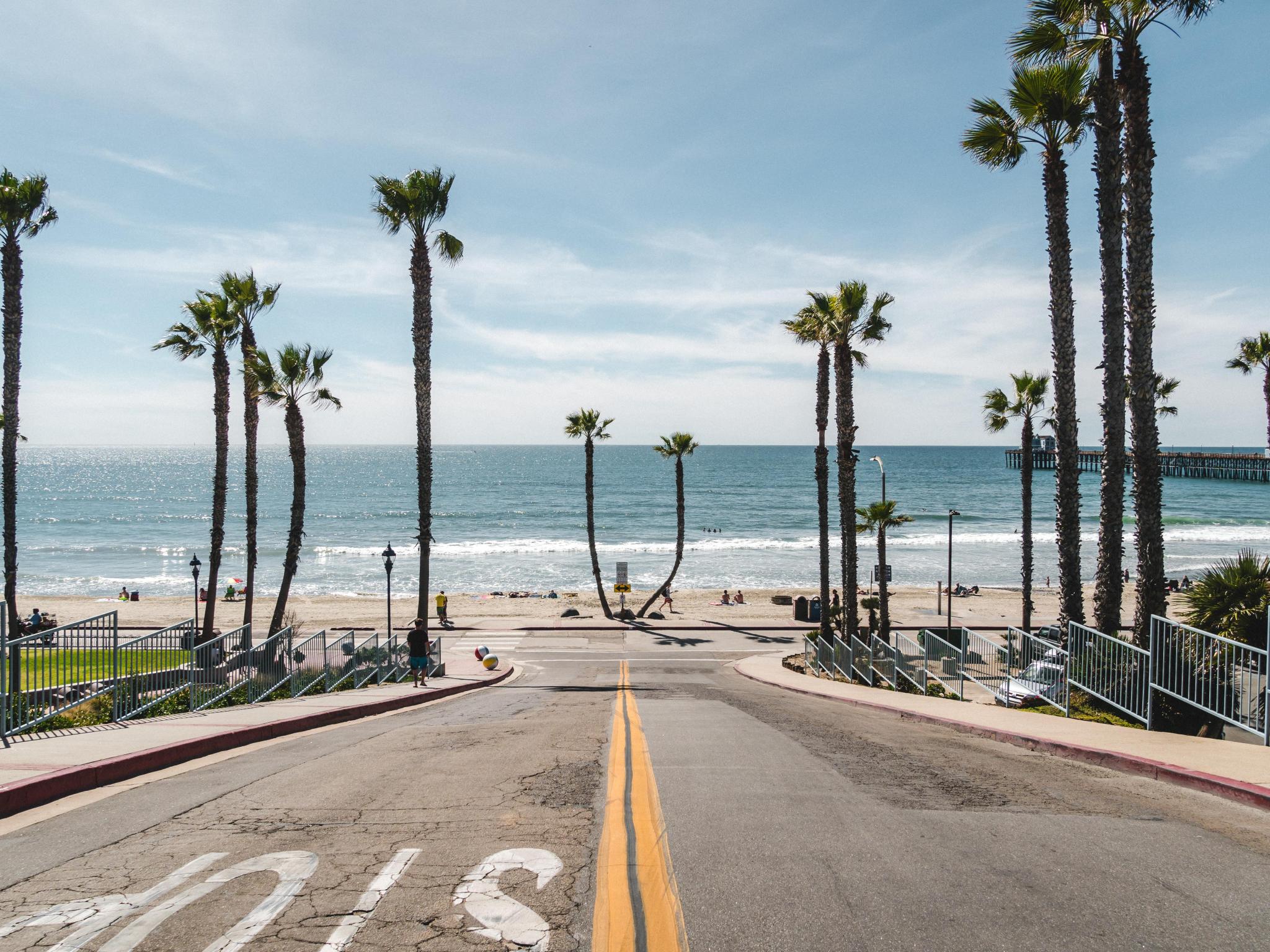
To provide a more concrete idea, here are estimated driving times to California from various major regions, assuming 8-10 hours of driving per day with minimal sightseeing stops:
- From the Northeast (e.g., New York City, Boston): A drive to Los Angeles is approximately 2,800-3,000 miles. This typically requires 5-6 days of dedicated driving.
- From the Southeast (e.g., Miami, Atlanta): Traveling from Florida can be around 2,500-3,000 miles, translating to 5-6 days of driving.
- From the Midwest (e.g., Chicago, St. Louis): The journey from the heartland is roughly 1,800-2,200 miles, usually taking 3-4 days.
- From the South Central (e.g., Houston, Dallas): A drive from Texas is about 1,400-1,600 miles, which is manageable in 2-3 days.
- From the Mountain States (e.g., Denver, Salt Lake City): Closer proximity means a drive of 700-1,000 miles, typically completed in 1-2 days.
These estimates are for driving only. Adding sightseeing, relaxing stops, or unexpected delays will naturally extend these timelines.
Iconic Routes and What to See
Many travelers opt for routes that offer a blend of efficiency and scenic beauty.
- Southern Route (I-40): This popular corridor, often associated with historic Route 66, takes you through Oklahoma, Texas, New Mexico, and Arizona before reaching California. Highlights include the Petrified Forest National Park, a detour to the Grand Canyon National Park, and the unique desert landscapes around Sedona.
- Central Route (I-70 to I-15): Beginning in the Midwest, Interstate 70 winds through the Rocky Mountains of Colorado before connecting to Interstate 15 in Utah, leading directly to Las Vegas and then California. This route offers access to stunning national parks like Arches National Park near Moab, Zion National Park, and Bryce Canyon National Park.
- Northern Route (I-80): Spanning from New York City to San Francisco, Interstate 80 crosses vast farmlands, the Rocky Mountains, and the plains. While potentially facing more extreme weather in winter, it offers a direct path for those heading to Northern California and passes near attractions like Lake Tahoe.
Accommodation Along the Way
Finding comfortable and convenient hotels or other forms of accommodation is vital for a pleasant road trip.
- Types of Lodging: Your budget and lifestyle will dictate your choices. Options range from affordable budget motels found in nearly every town to comfortable mid-range hotels with amenities like pools and complimentary breakfast, or even more luxurious resorts for those seeking a premium experience. For families or longer stays, apartments or villas might be preferred.
- Booking Tips:
- Plan Ahead: Especially during peak seasons or near popular destinations like National Parks or major cities, booking your overnight stays in advance is highly recommended to secure the best rates and availability.
- Flexibility: While planning is good, allow for some spontaneity. If you discover an unexpected attraction or need an extra rest day, be prepared to adjust your bookings.
- Amenities: Consider amenities important to you, such as pet-friendly options, electric vehicle charging, or on-site dining, which can enhance your overall experience. Reviews and comparisons on accommodation websites can be invaluable here.
Preparing for Your Journey: A Lifestyle Perspective
A successful road trip is as much about preparation as it is about the drive itself. Thinking about your travel lifestyle and practical needs will ensure a smoother ride.
Vehicle Preparation and Essentials
Your vehicle is your most important companion on this journey.
- Maintenance Check: Before you go, ensure your car is in top condition. Check tires (including the spare), oil, fluid levels, brakes, and lights.
- Emergency Kit: Pack an emergency kit that includes jumper cables, a flashlight, basic tools, a first-aid kit, and roadside assistance information.
- Navigation: While smartphones are ubiquitous, a dedicated GPS device or physical maps can be a lifesaver in areas with spotty cell service.
- Comfort and Entertainment: Long drives require comfort. Pack pillows, blankets, snacks, water, and entertainment for passengers (books, tablets, games). A good playlist is essential!
Budgeting for Your Road Trip
Road trips can be an economical way to travel, but costs can add up quickly without proper budgeting.
- Fuel: This will be your largest variable expense. Research gas prices along your route using apps.
- Accommodation: Factor in nightly rates for hotels or campgrounds. Budget travel can involve camping or staying in more basic motels, while luxury travel might include boutique hotels or resorts.
- Food: Plan for meals and snacks. Packing your own food can significantly reduce costs. Explore local eateries for authentic culinary experiences.
- Activities and Tolls: Set aside a budget for attractions (National Park entrance fees, museum tickets) and potential highway tolls.
Embracing the Road Trip Experience
Ultimately, the drive to California is an experience to be savored.
- Mindset: Adopt a flexible and adventurous mindset. The unexpected turns and spontaneous detours often become the most cherished memories.
- Flexibility: While it’s good to have a general itinerary, be open to changing plans based on weather, local recommendations, or simply how you feel.
- Travel Style: Whether it’s a family trip, a solo adventure, or a business stay with a detour, tailor the pace and activities to suit everyone involved. Enjoy the silence, the music, the conversations, and the ever-changing scenery.

Arriving in California: Your Golden State Adventure Begins
After days on the road, the moment you cross into California is exhilarating. The exact time it takes is personal, ranging from a brisk two-day dash from a neighboring state to a week-long odyssey from the East Coast filled with countless discoveries.
Once you arrive, a world of iconic destinations awaits. Head to the bustling beaches of Santa Monica and the glamour of Hollywood in Los Angeles, explore the culinary delights and cultural vibrancy of San Francisco with its majestic Golden Gate Bridge, or discover the relaxed coastal charm of San Diego. Further inland, the serene vineyards of Napa Valley or the towering giants of Yosemite National Park, Sequoia National Park, Joshua Tree National Park and the extreme landscapes of Death Valley National Park offer different kinds of magic. Theme park enthusiasts can explore Disneyland Resort, Universal Studios Hollywood, Knott’s Berry Farm, or SeaWorld San Diego. For relaxation, consider the desert oasis of Palm Springs or the dramatic coastline of Big Sur.
The true answer to “How long does it take to drive to California?” is this: it takes exactly as long as you want it to take. With careful planning, an adventurous spirit, and an eye for the many wonders along the way, your drive will be as much a part of your California experience as the destination itself. So, pack your bags, tune up your vehicle, and prepare for an unforgettable cross-country journey.
LifeOutOfTheBox is a participant in the Amazon Services LLC Associates Program, an affiliate advertising program designed to provide a means for sites to earn advertising fees by advertising and linking to Amazon.com. Amazon, the Amazon logo, AmazonSupply, and the AmazonSupply logo are trademarks of Amazon.com, Inc. or its affiliates. As an Amazon Associate we earn affiliate commissions from qualifying purchases.