
Embarking on a journey across the continental United States from the bustling east coast metropolis of New York to the sun-kissed shores and vibrant landscapes of California is an exciting prospect for any traveler. Whether you’re chasing the golden light of Hollywood, exploring the iconic hills of San Francisco, or discovering the laid-back charm of San Diego, the question of “how long will it take to fly?” is often the first logistical hurdle. While the direct answer can be as straightforward as a few hours, the true experience of this transcontinental voyage encompasses much more than just the time spent airborne. From the intricate dance of airport operations to the nuances of selecting your perfect California adventure, understanding the journey allows for a seamless and enjoyable transition between two incredibly distinct American cultures. This comprehensive guide will not only pinpoint typical flight durations but also delve into the factors influencing travel time, offer insights into choosing your west coast destination, and provide invaluable tips for making the most of your trip, aligning with the diverse interests of travelers seeking enriching experiences, comfortable accommodations, and memorable lifestyle pursuits.
Factors Influencing Your Transcontinental Flight Duration
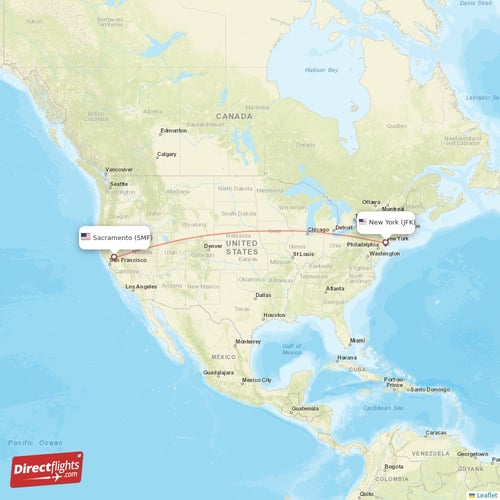
The perceived simplicity of a point-to-point flight often belies a complex interplay of variables that can significantly affect the actual time you spend in the air and overall travel time. When flying from New York to California, several key factors come into play, each contributing to the final duration of your journey.
Non-Stop vs. Connecting Flights
The most significant differentiator in flight duration is undoubtedly whether you opt for a direct, non-stop flight or one that involves layovers.
- Non-Stop Flights: These are the quickest option, as they involve continuous travel from your departure airport (e.g., JFK, LaGuardia, or Newark Liberty International Airport) directly to your arrival destination (e.g., LAX, SFO, or San Diego International Airport). They bypass the need for plane changes, additional boarding processes, and potential delays associated with connecting flights. For a journey from New York to a major California city, a non-stop flight typically ranges from 5.5 to 6.5 hours. This is the preferred choice for business travelers, those on a tight schedule, or anyone simply looking to minimize travel time.
- Connecting Flights: While often more budget-friendly, connecting flights naturally extend your travel time. These flights involve at least one stop, usually in a hub city like Chicago, Dallas, or Denver. The total duration for a connecting flight can vary wildly, from 8 to 12 hours or more, depending on the number of layovers, the length of each layover, and the efficiency of the connecting airports. While longer, they can offer flexibility in terms of departure times and airlines, and sometimes provide an opportunity to stretch your legs or grab a meal outside the airport lounge.
Departure and Arrival Airports
The specific airports you choose on both ends of your journey can also have a subtle, yet noticeable, impact on flight duration and overall travel convenience. New York boasts three major airports, each with different flight paths and air traffic patterns:
- John F. Kennedy International Airport (JFK): A major international hub, often with direct routes to most California cities.
- Newark Liberty International Airport (EWR): Located in New Jersey but serving the New York metropolitan area, it also offers extensive transcontinental flights.
- LaGuardia Airport (LGA): Primarily focuses on domestic flights and often requires connecting flights for west coast destinations, though some direct options exist.
Similarly, California offers numerous large airports:
- Los Angeles International Airport (LAX): The primary gateway to Southern California, offering the most frequent non-stop services.
- San Francisco International Airport (SFO): The main airport for Northern California.
- San Diego International Airport (SAN): Serves the southernmost part of the state.
- Other major airports like Oakland International Airport (OAK), San Jose International Airport (SJC), and Sacramento International Airport (SMF) also have connections, though often with fewer non-stop options from New York.
The combination of these airports can influence total travel time due to varying air traffic control patterns, gate availability, and taxiing times, which can add precious minutes to your journey.
Aircraft Type and Atmospheric Conditions
Modern aircraft, designed for long-haul flights, can achieve impressive cruising speeds. However, factors like the specific aircraft model (e.g., Boeing 737, Airbus A320, Boeing 787 Dreamliner, or Airbus A330) and its operational efficiency can slightly affect block time. More significantly, prevailing atmospheric conditions play a crucial role. Flights traveling from west to east typically benefit from the jet stream, a fast-flowing, narrow air current, which can shave time off the journey. Conversely, flights from east to west, like New York to California, often fly against these headwinds, leading to slightly longer flight times. Turbulent weather, strong winds, or even widespread air traffic control delays across the country can also cause re-routing or holding patterns, extending the time spent in the air.
Typical Flight Durations: New York to California’s Major Cities
Understanding the variables is key, but what are the concrete flight times you can expect when journeying from the East Coast to specific Californian hubs? Here’s a breakdown for the most popular routes:
New York to Los Angeles (LAX)

This is one of the busiest transcontinental routes in the United States.
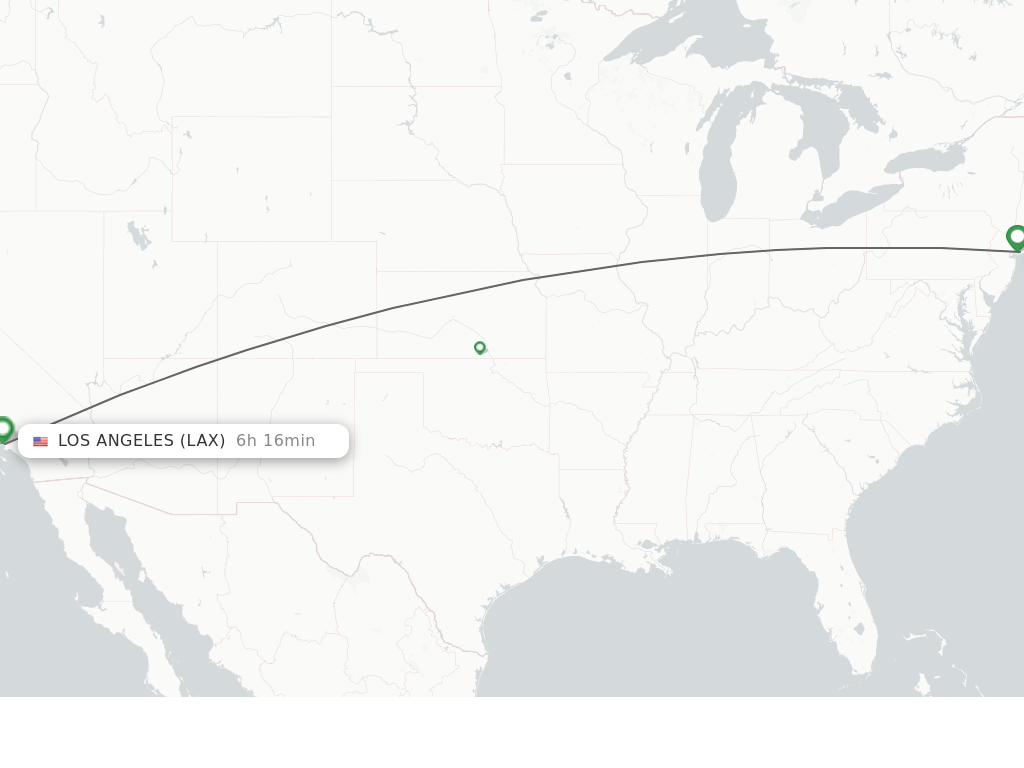
- Non-stop flight: Typically ranges from 5 hours and 30 minutes to 6 hours and 15 minutes.
- Airlines: Major carriers like American Airlines, Delta Air Lines, United Airlines, Alaska Airlines, and JetBlue frequently operate direct flights from JFK and EWR to LAX.
- Experience: This flight takes you directly to the heart of Southern California, offering immediate access to the glamour of Hollywood, the vibrant beaches of Santa Monica, and the cultural richness of Downtown LA.
New York to San Francisco (SFO)
Another popular route connecting the financial and cultural centers of the East and West coasts.
- Non-stop flight: Generally takes between 5 hours and 45 minutes to 6 hours and 30 minutes.
- Airlines: Similar to LAX, airlines such as United Airlines, Delta Air Lines, American Airlines, and Alaska Airlines provide numerous daily non-stop services from JFK and EWR to SFO.
- Experience: Landing in San Francisco places you amidst iconic landmarks like the Golden Gate Bridge, the historic island of Alcatraz, and the bustling Ferry Building Marketplace. It’s also your gateway to the renowned Napa Valley and Sonoma wine regions.
New York to San Diego (SAN)
For those heading to California’s southernmost major city, direct flights are available, though less frequent than to LAX or SFO.
- Non-stop flight: Typically around 6 hours to 6 hours and 45 minutes.
- Airlines: JetBlue, Delta Air Lines, and Alaska Airlines are common carriers for direct services to San Diego.
- Experience: San Diego offers a relaxed coastal vibe, famous for Balboa Park, the San Diego Zoo, and beautiful beaches, making it a perfect family or leisure destination.
While these times represent the flight itself, remember to factor in pre-flight airport procedures (check-in, security, boarding) and post-flight activities (deplaning, baggage claim, ground transportation). A rule of thumb is to allocate at least 2-3 hours before departure for domestic flights and additional time upon arrival for a seamless travel experience.
Beyond the Flight: Crafting Your California Adventure
The flight from New York is merely the prelude to an unforgettable California experience. With such a vast and diverse state awaiting, planning your itinerary, selecting the right accommodation, and embracing the local lifestyle are paramount to maximizing your trip.
Choosing Your California Destination: From Urban Glamour to Natural Wonders
California offers an incredible array of destinations, catering to every type of traveler.
- Southern California:
- Los Angeles: The entertainment capital of the world. Dive into the glitz of Hollywood with the Hollywood Walk of Fame and Universal Studios Hollywood. Explore the artistic treasures at The Getty Center or catch breathtaking views from the Griffith Observatory. For beach lovers, Santa Monica Pier and Venice Beach offer iconic coastal vibes.
- San Diego: Known for its pristine beaches, vibrant neighborhoods like the Gaslamp Quarter, and world-class attractions like Balboa Park and the San Diego Zoo. It’s a fantastic spot for family trips or a relaxed, sun-soaked getaway.
- Orange County: Home to Disneyland Resort in Anaheim, and luxurious coastal cities like Laguna Beach and Newport Beach offering stunning scenery and upscale experiences.
- Northern California:
- San Francisco: A city of iconic landmarks and diverse culture. Marvel at the Golden Gate Bridge, explore the historic Alcatraz Island, ride a cable car through charming neighborhoods, and indulge in world-class dining.
- Wine Country (Napa Valley & Sonoma): Just an hour’s drive north of San Francisco, these regions offer picturesque vineyards, gourmet food experiences, and luxurious resort stays.
- Natural Wonders: Beyond the cities, California boasts unparalleled natural beauty. Yosemite National Park (with its majestic waterfalls and granite cliffs), Sequoia National Park (home to giant sequoia trees), and the stunning Lake Tahoe are all accessible and offer incredible outdoor adventures, from hiking to skiing. The scenic Pacific Coast Highway drive through Big Sur is a classic California experience not to be missed.
Accommodation: Finding Your Perfect Stay
California’s accommodation options are as diverse as its landscapes, catering to every budget and preference.
- Luxury Hotels & Resorts: For those seeking an opulent experience, California is home to some of the world’s most exclusive properties. In Beverly Hills, consider the iconic Beverly Wilshire, A Four Seasons Hotel or the sophisticated Waldorf Astoria Beverly Hills. Along the coast, The Ritz-Carlton, Laguna Niguel offers stunning oceanfront luxury, while Post Ranch Inn in Big Sur provides an unparalleled, secluded romantic escape. In San Francisco, the Fairmont San Francisco or The St. Regis San Francisco offer impeccable service and prime locations.
- Boutique Hotels: For a more intimate and unique stay, boutique hotels are abundant. From the artistic flair of Hotel Vitale, a Joie de Vivre Hotel in San Francisco to the chic designs of The London West Hollywood, these establishments offer personalized service and distinctive character.
- Budget-Friendly Options: Travelers on a tighter budget will find a wide range of options, from well-known hotel chains offering comfort and convenience to charming guesthouses and hostels, particularly outside the major city centers. Many hotels near attractions like Disneyland or major convention centers also offer great value.
- Apartments & Villas (Long-term Stays): For extended trips or family vacations, consider booking an apartment or villa. Platforms like Airbnb or VRBO offer numerous options across California, providing amenities like kitchens and multiple bedrooms, ideal for creating a home-away-from-home experience. This type of accommodation offers a glimpse into local culture and is excellent for those looking to immerse themselves for a longer period.
When booking, consider factors like proximity to attractions, public transportation access, and specific amenities that enhance your travel style, whether it’s a resort with extensive facilities for a family trip or a tranquil suite for a business stay.
Maximizing Your Travel Experience: Tips for a Seamless Journey
Making the most of your New York to California journey goes beyond the flight and accommodation.
- Overcoming Jet Lag: The three-hour time difference can be a challenge. Try to adjust your sleep schedule a few days before your trip by going to bed and waking up earlier. Hydrate well during the flight, avoid excessive alcohol and caffeine, and expose yourself to natural light upon arrival to help reset your internal clock.
- Best Time to Visit: California enjoys a Mediterranean climate in many parts, making it a year-round destination. However, spring (April-May) and fall (September-October) generally offer the most pleasant weather, fewer crowds, and often better rates for hotels and flights, making them ideal for both luxury travel and budget travel. Summer brings more tourists, especially to coastal areas and theme parks, while winter is perfect for skiing in the mountains or enjoying mild weather in Southern California.
- Transportation within California: While flying between California cities is an option, a rental car offers the most flexibility, especially for exploring national parks or driving the Pacific Coast Highway. Major cities like Los Angeles and San Francisco have extensive public transportation networks (metro, buses, cable cars) but are vast, so rideshares are also popular.
- Embrace Local Culture and Food: California’s culinary scene is as diverse as its population. From farm-to-table restaurants to authentic ethnic eateries and innovative food trucks, there’s something for every palate. Don’t miss the fresh seafood, the burgeoning craft beer scene, and the influence of Mexican cuisine, particularly in Southern California. Engage with local events, farmers’ markets, and cultural festivals for an authentic tourism experience.
- Packing Smart: Consider the diverse climates. Pack layers, as coastal areas can be cool even in summer, while inland regions like Palm Springs can be scorching hot. Don’t forget comfortable walking shoes, sun protection, and a reusable water bottle. For active travelers, hiking gear for Yosemite or beachwear for Malibu will be essential.
In conclusion, a flight from New York to California typically clocks in at around 5.5 to 6.5 hours for non-stop journeys, but this is just the beginning of your adventure. By thoughtfully planning your destination, choosing the right accommodation, and embracing the myriad experiences California has to offer, your cross-country trip will be far more than just the time spent in the air—it will be a journey of discovery, relaxation, and lasting memories.
LifeOutOfTheBox is a participant in the Amazon Services LLC Associates Program, an affiliate advertising program designed to provide a means for sites to earn advertising fees by advertising and linking to Amazon.com. Amazon, the Amazon logo, AmazonSupply, and the AmazonSupply logo are trademarks of Amazon.com, Inc. or its affiliates. As an Amazon Associate we earn affiliate commissions from qualifying purchases.