
Embarking on a cross-country journey from the vibrant East Coast metropolis of New York to the sun-drenched shores and diverse landscapes of California on the West Coast is a quintessential United States travel experience. Whether you’re relocating, taking a much-needed vacation, or heading for a business meeting, understanding the logistics of this extensive flight is paramount to a smooth and enjoyable trip. The sheer distance spanning the continental U.S. means this isn’t a quick hop, but rather a significant aerial voyage that connects two of the nation’s most iconic and influential states.
The question “How long is a flight from New York to California?” isn’t always met with a single, simple answer. While a direct, non-stop flight generally falls within a predictable range, several factors can influence the actual duration, making each journey subtly unique. From the specific departure and arrival airports to the type of aircraft, prevailing weather conditions, and even the nuances of air traffic control, every element plays a role in shaping your travel time. Planning ahead and knowing what to expect can transform a long flight into a comfortable and efficient part of your overall travel adventure. This comprehensive guide will delve into these variables, offer insights into major airports, discuss the impact of time zones and jet lag, and provide essential tips for making the most of your transcontinental journey.
Understanding the Transcontinental Flight Duration
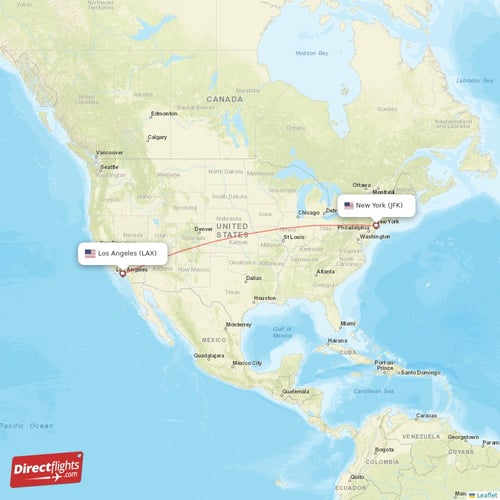
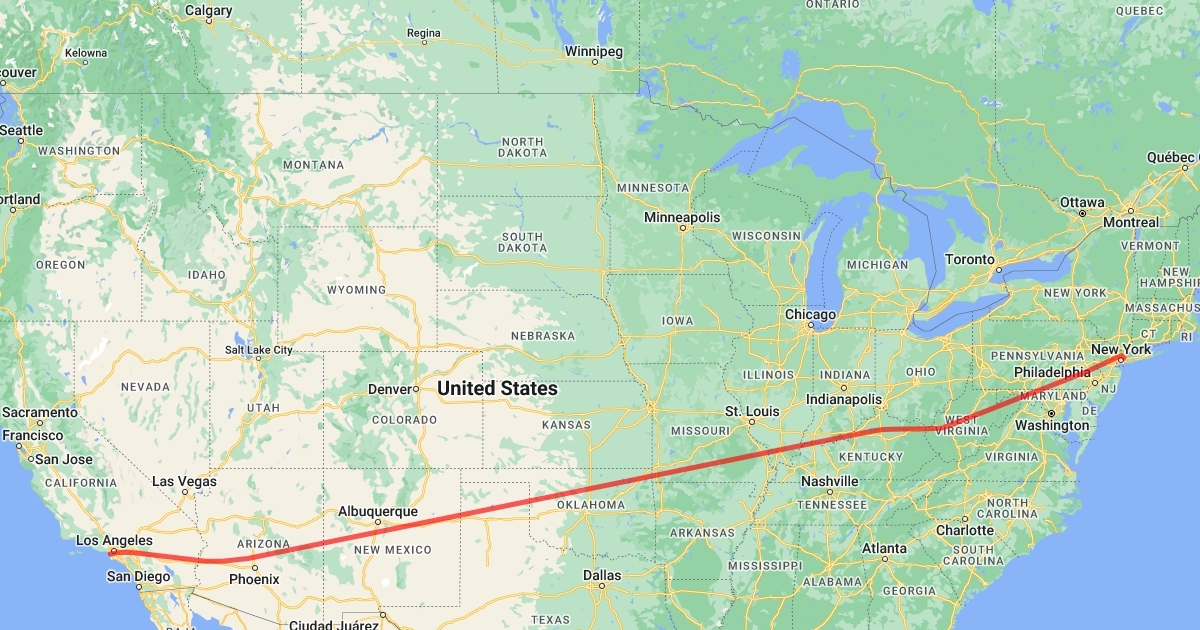
At its core, a direct flight from New York to California typically clocks in between 5.5 to 6.5 hours. This estimate applies to non-stop services connecting major hubs like John F. Kennedy International Airport (JFK) or Newark Liberty International Airport (EWR) on the East Coast to prominent California airports such as Los Angeles International Airport (LAX) or San Francisco International Airport (SFO). The approximate distance covered is around 2,500 miles (4,000 kilometers) as the crow flies, or more accurately, as the plane flies along its designated flight path. This segment of your travel is often the most straightforward and predictable, forming the foundation of your journey time.
However, the 5.5 to 6.5-hour window represents an ideal scenario. It’s crucial for travelers to understand that the “total travel time” from when you leave your home in New York to when you arrive at your accommodation in California will always be significantly longer. This comprehensive duration encompasses everything from getting to the airport, checking in, passing through security, boarding, potential delays, taxiing, deplaning, baggage claim, and finally, ground transportation to your ultimate destination. For a truly realistic estimation, it’s wise to budget at least 8-10 hours door-to-door, sometimes even more if you’re traveling during peak periods or connecting through multiple airports.
Direct vs. Connecting Flights
The choice between a direct and a connecting flight is perhaps the most impactful decision affecting your overall travel time.
- Direct (Non-Stop) Flights: These are the fastest option, as they involve no layovers. You depart from one airport and arrive at your destination without any intermediate stops. While often pricier, the convenience and time-saving aspects are undeniable, particularly for business travelers or those with tight schedules. Major airlines like Delta Air Lines, United Airlines, American Airlines, JetBlue Airways, Alaska Airlines, and Southwest Airlines offer numerous non-stop routes between key New York and California cities.
- Connecting Flights: These involve one or more stops at an intermediate airport, typically in a hub city like Chicago, Dallas, Denver, or Atlanta. While often more affordable, connecting flights significantly extend your travel time. The layover duration can range from a quick 45-minute sprint to your next gate to an extended several-hour wait, potentially adding anywhere from 3 to 8+ hours to your journey. Always factor in ample time for connections, especially if changing terminals or if your first flight is prone to delays.
Key Factors Influencing Your Flight Time
Beyond the basic choice of direct or connecting, several other elements can subtly, or dramatically, alter the stated flight duration. Understanding these can help you better anticipate your journey.
Aircraft Type and Speed
The specific type of aircraft used for your flight plays a role in its speed and efficiency. Modern commercial airliners are designed for optimal cruising speeds.
- Narrow-body jets like the Boeing 737 or Airbus A320 are commonly used for domestic routes and typically cruise around 500-550 mph.
- Wide-body jets such as the Boeing 787 or Airbus A330 (though less common for purely domestic transcontinental flights than for international routes) might offer slightly different speeds and are often used for longer, higher-capacity routes. While the differences are usually marginal in terms of overall travel time (minutes rather than hours), larger, more powerful aircraft can sometimes take advantage of better winds or climb more efficiently.
Weather Conditions and Jet Stream
Weather is an unpredictable but highly influential factor.
- Tailwinds and Headwinds: The most significant meteorological influence on transcontinental flights is the jet stream, a band of strong westerly winds at high altitudes. Flights from West Coast to East Coast often benefit from the jet stream, resulting in shorter flight times (sometimes as little as 4.5-5 hours). Conversely, flights from East Coast to West Coast typically fly against the jet stream, making them longer by 30 minutes to over an hour. This is why a return flight can feel noticeably longer.
- Storms and Turbulence: Severe weather systems, whether at departure, en route, or arrival airports, can cause delays, diversions, or require aircraft to fly longer, circuitous routes to avoid turbulence, adding to flight time.
Air Traffic Control Delays
The airspace over the United States is among the busiest in the world, especially around major metropolitan areas like New York and California.
- Airport Congestion: JFK, EWR, LaGuardia Airport (LGA), LAX, and SFO are consistently ranked among the busiest airports. This high volume of traffic can lead to ground delays (waiting for a runway to depart or for a gate upon arrival) or airborne holding patterns (circling the airport while waiting for clearance to land).
- National Airspace System Issues: Broader air traffic control issues, such as staffing shortages, equipment failures, or system-wide ground stops due to weather, can cause ripple effects and delays across the country, impacting your transcontinental flight even if the local weather is clear.
Navigating Major Airports and Time Zones
Your choice of departure and arrival airport can also subtly affect your overall journey, not just in flight time but in total travel convenience.
Major Departure Airports in New York
The New York metropolitan area is served by three primary airports, each offering different advantages and connectivity to California.
- John F. Kennedy International Airport (JFK): Located in Queens, JFK is New York’s largest and busiest airport, serving as a major international gateway. It offers the most extensive selection of direct flights to various California cities and is well-connected to Manhattan and Brooklyn via public transport like the AirTrain and subway.
- Newark Liberty International Airport (EWR): Situated in New Jersey but serving the New York area, EWR is a major hub for United Airlines and provides numerous direct flights to California. It’s a convenient option for travelers coming from New Jersey or parts of Manhattan via NJ Transit.
- LaGuardia Airport (LGA): Also in Queens, LGA primarily handles domestic flights and is popular for its proximity to Manhattan. While it has undergone significant modernization, its direct flight options to California might be fewer compared to JFK or EWR, often focusing on key hubs like LAX and SFO.
Popular Arrival Airports in California
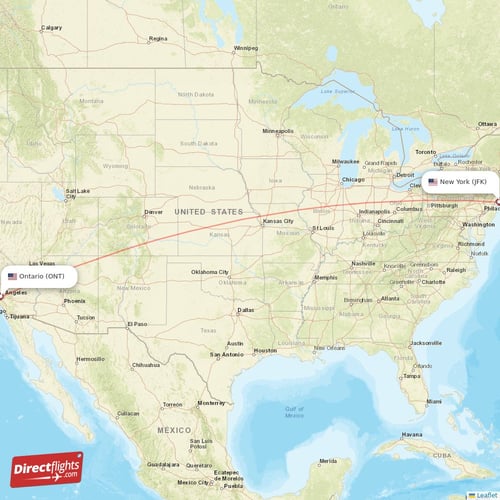
California’s vast size means several major airports serve different regions, influencing your choice based on your final destination.
- Los Angeles International Airport (LAX): The primary gateway to Southern California, LAX in Los Angeles is a colossal airport with extensive domestic and international connections. It offers the most frequent direct flights from New York. Be prepared for potentially long taxi times and significant ground transportation to areas like Hollywood or Orange County.
- San Francisco International Airport (SFO): Serving the Bay Area and Northern California, SFO is known for its efficiency and strong direct connections to New York. It’s easily accessible to downtown San Francisco via BART.
- San Diego International Airport (SAN): A convenient option for travelers heading to San Diego and its beautiful beaches. While offering fewer direct flights from New York than LAX or SFO, it’s a pleasant and often less congested alternative if your final destination is further south.
- Oakland International Airport (OAK): Located across the bay from San Francisco, OAK is another option for the Bay Area, often serving budget airlines and potentially offering competitive fares.
- Sacramento International Airport (SMF): For those heading to the state capital or other parts of Central California, SMF provides another entry point, though direct flights from New York are less frequent.
Time Zones and Jet Lag
The journey from New York (Eastern Time Zone) to California (Pacific Time Zone) involves crossing three time zones. This means a 6 AM flight from New York might arrive around 9:30 AM in California local time, making it feel like a very short travel day. However, your body will still be on East Coast time, interpreting 9:30 AM as 12:30 PM. This three-hour difference is significant enough to cause jet lag, characterized by fatigue, disorientation, and disrupted sleep patterns.
To combat jet lag, consider these tips:
- Hydrate: Drink plenty of water before, during, and after your flight.
- Adjust Sleep Schedule: Try to shift your sleep schedule gradually a few days before departure.
- Minimize Caffeine and Alcohol: These can disrupt sleep further.
- Expose Yourself to Sunlight: Upon arrival, seek natural light to help reset your circadian rhythm.
- Stay Active: Gentle exercise can help alleviate symptoms.
Planning Your New York to California Journey
A cross-country flight requires thoughtful planning to ensure a smooth and enjoyable travel experience. This isn’t just about booking a ticket; it’s about optimizing every aspect of your trip, from airport procedures to post-arrival comfort.
Best Time to Book and Fly
- Booking: Generally, booking domestic flights 1-3 months in advance yields the best prices. Flexibility with your travel dates can also lead to significant savings. Consider flying during the shoulder seasons (spring and fall) to avoid peak summer crowds and holiday surges, which drive up airfares and airport congestion.
- Flying: Mid-week flights (Tuesday, Wednesday) are often cheaper and less crowded than weekend travel. Early morning flights typically have a better on-time performance record, as they are less susceptible to cumulative delays throughout the day. Red-eye flights (overnight) can save you a night of accommodation and allow you to wake up at your destination, but they can exacerbate jet lag if you can’t sleep on the plane.
What to Expect at the Airport
Preparation is key for navigating busy airports like JFK or LAX.
- Arrival Time: For domestic flights, arrive at least 2 hours before departure, especially if checking luggage. During peak travel seasons or holidays, extend this to 2.5-3 hours.
- Security: TSA PreCheck or Clear memberships can significantly speed up your security screening process.
- Amenities: Major airports offer a wide range of amenities, including restaurants, shops, lounges, and charging stations. Utilize airport apps for real-time updates on gate changes, delays, and baggage claim information. Many offer Wi-Fi to stay connected.
In-Flight Comfort and Entertainment
For a 5.5 to 6.5-hour flight, comfort is paramount.
- Seat Selection: If possible, choose a seat that suits your preference – aisle for easy access, window for views and leaning. Consider extra legroom options if available.
- Packing Essentials: Bring a neck pillow, eye mask, earplugs/noise-canceling headphones, and layers of clothing to adjust to cabin temperature.
- Entertainment: Most airlines offer in-flight entertainment systems with movies, TV shows, and games. However, it’s wise to load your personal devices with your own entertainment, books, or work. Don’t forget portable chargers or power banks.
- Movement: Get up and stretch periodically to promote circulation and prevent stiffness.
Beyond the Flight: Making the Most of Your Trip
Once your flight lands in California, your adventure truly begins. The diverse offerings of both New York and California cater to every travel style, from luxury escapades to budget-friendly explorations, family trips, and essential business stays.
Discovering California: Destinations and Experiences
California is a state of incredible variety.
- Los Angeles: The entertainment capital, home to Hollywood studios, the Hollywood Sign, Universal Studios Hollywood, and beautiful beaches like Santa Monica Pier. It’s a hub for luxury hotels, diverse cuisine, and a vibrant lifestyle.
- San Francisco: Famous for the Golden Gate Bridge, historic Alcatraz Island, and a thriving tech scene in Silicon Valley. Explore charming neighborhoods, world-class dining, and unique local culture.
- San Diego: Known for its year-round pleasant weather, pristine beaches, Balboa Park, and a laid-back atmosphere.
- Natural Wonders: California also boasts breathtaking natural landmarks like Yosemite National Park, the stunning coastal drive of Big Sur, the serene Lake Tahoe, and the extreme landscapes of Death Valley National Park.
- Wine Country: A visit to Napa Valley or Sonoma offers world-renowned wineries and gourmet experiences.
Accommodation and Lifestyle Choices
The accommodation options in California are as varied as its geography, catering to every budget and preference.
- Luxury Travel: California is dotted with opulent resorts, boutique hotels, and five-star suites in cities like Beverly Hills, San Francisco, and along the coast. These offer unparalleled amenities, exquisite dining, and often stunning views.
- Budget Travel: For those conscious of costs, there are plenty of affordable hotels, motels, vacation rentals, and even hostels, particularly outside the major city centers. Exploring long-term stay apartments can also be economical for extended visits.
- Family Trips: Resorts with kid-friendly activities, spacious apartments, and vacation homes near attractions like Disneyland Park or beaches are ideal.
- Business Stays: Major cities offer business-friendly hotels with meeting facilities, Wi-Fi, and convenient access to corporate hubs.
Similarly, if you’re starting your journey from New York, you’re immersed in a world of iconic landmarks like the Statue of Liberty, Times Square, Central Park, and Broadway shows. The city offers everything from luxurious Manhattan suites and grand hotels near Rockefeller Center to charming Brooklyn boutique hotels and budget-friendly options across its five boroughs (Manhattan, Brooklyn, Queens, the Bronx, and Staten Island). Understanding the local culture, food scene, and diverse activities is part of the allure of both regions, providing rich experiences for any traveler.
Conclusion
A flight from New York to California is a significant journey, bridging the vast expanse of the United States in a matter of hours. While the direct flight time averages 5.5 to 6.5 hours, factors like airport choice, aircraft type, weather, air traffic, and connections can all influence your total travel duration. By understanding these variables, strategically planning your trip, and preparing for the time zone change, you can ensure your cross-country flight is as comfortable and efficient as possible.
Whether you’re drawn by California’s stunning natural beauty, vibrant cities, or cutting-edge industries, or if you’re returning from New York’s unparalleled cultural scene, the journey itself is an integral part of the adventure. With careful consideration of the logistics and a focus on enjoying the experience, your transcontinental travel will be nothing short of memorable. Happy travels from the Atlantic Ocean to the Pacific Ocean!
LifeOutOfTheBox is a participant in the Amazon Services LLC Associates Program, an affiliate advertising program designed to provide a means for sites to earn advertising fees by advertising and linking to Amazon.com. Amazon, the Amazon logo, AmazonSupply, and the AmazonSupply logo are trademarks of Amazon.com, Inc. or its affiliates. As an Amazon Associate we earn affiliate commissions from qualifying purchases.