
California, a state synonymous with sunshine, innovation, and sprawling landscapes, also grapples with the complex realities of its justice system, including the sheer number of correctional facilities it operates. Understanding the scope of these institutions is not a typical focus for travel guides or hotel reviews, but it offers a stark, albeit different, perspective on the state’s infrastructure and its societal dimensions. This exploration delves into the quantifiable presence of correctional facilities across the Golden State, providing insight into the scale of its penal system.
The Landscape of California’s Correctional Facilities
California’s correctional system is a vast and intricate network, designed to manage individuals accused or convicted of crimes. The term “jail” can be broadly applied to various types of detention facilities, but for clarity, it’s essential to differentiate between local jails and state prisons. Local jails are typically operated by county sheriffs and hold individuals awaiting trial, serving short sentences, or awaiting transfer to state facilities. State prisons, on the other hand, house individuals convicted of more serious offenses and serving longer sentences. The sheer geographical spread of California, from the bustling metropolises of Los Angeles and San Francisco to the more remote regions, necessitates a distributed network of these facilities.
County Jails: Local Holding and Short-Term Sentences
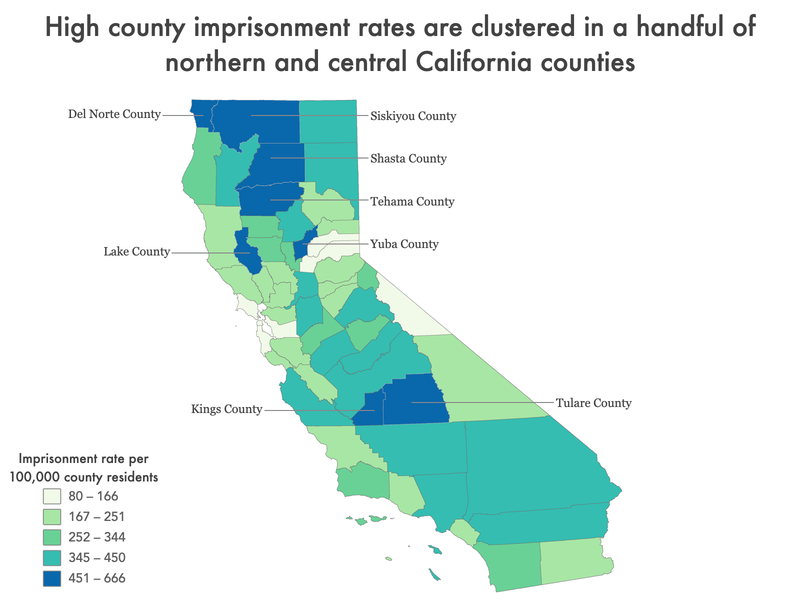
At the local level, each of California’s 58 counties operates its own jail system. These facilities are the front lines of the correctional system, responsible for the immediate care and custody of arrestees and those serving misdemeanor sentences. The number of beds and the operational capacity of these jails vary significantly based on the population and crime rates of the respective county. For instance, the Los Angeles County Sheriff’s Department oversees a substantial number of facilities due to the county’s immense population. Similarly, San Diego County and Orange County possess extensive jail networks. These county jails are crucial for maintaining order at the local level, serving as immediate holding areas and places for the execution of shorter sentences. Their presence is a direct reflection of the law enforcement and judicial activities within each jurisdiction, making them indispensable components of public safety infrastructure.
State Prisons: Long-Term Incarceration and Rehabilitation Efforts
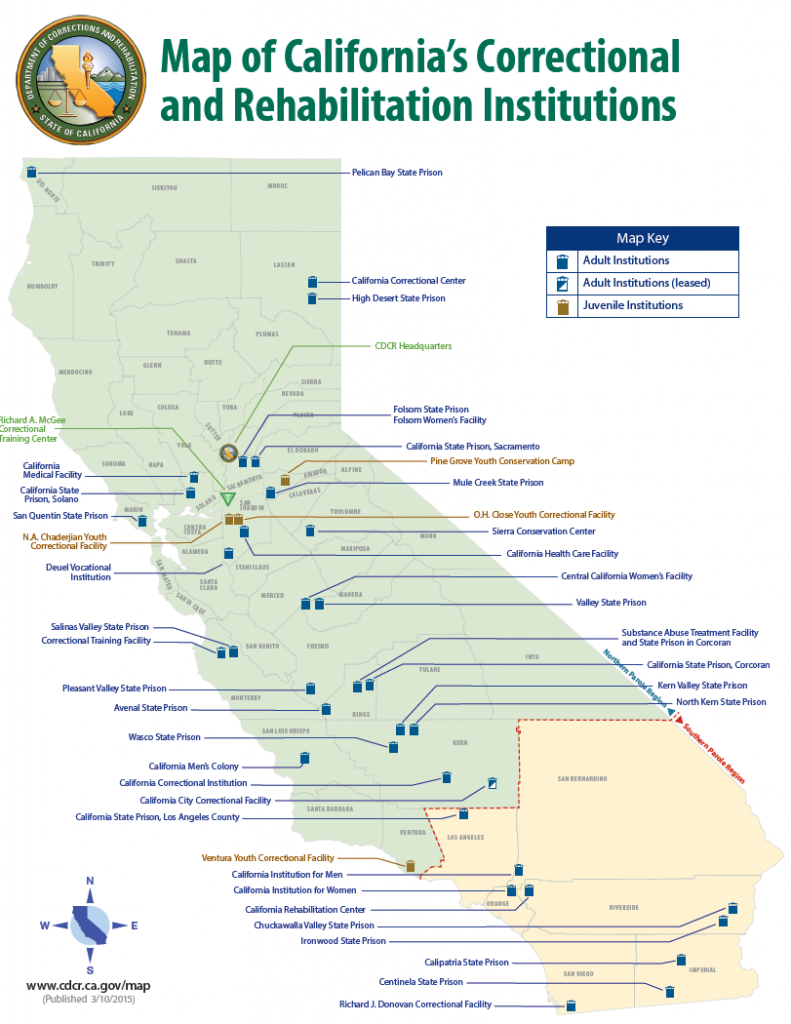
Beyond county jails, California operates a significant number of state prisons, managed by the California Department of Corrections and Rehabilitation (CDCR). These are the large-scale institutions designed for individuals convicted of felony offenses. The CDCR oversees numerous facilities spread across the state, each with specific security levels and programs. These prisons house tens of thousands of inmates, making California’s state prison system one of the largest in the United States. The establishment and maintenance of these facilities involve substantial state resources and are subject to ongoing debates regarding their effectiveness, cost, and impact on society. Understanding the number and distribution of these state prisons is key to grasping the full scope of California’s correctional landscape.
Quantifying the Correctional Infrastructure
Pinpointing an exact, static number for “jails” in California can be complex due to the differing definitions and the dynamic nature of correctional facility operations. However, by examining the primary categories of correctional institutions, we can arrive at a comprehensive understanding.
The Role of the California Department of Corrections and Rehabilitation (CDCR)
The CDCR is the primary authority for state-level corrections. As of recent data, the CDCR operates a significant number of adult correctional institutions. These institutions are not merely buildings; they represent a complex system involving staff, programs, security protocols, and inmate populations. The number of facilities directly under the CDCR’s purview provides a baseline for understanding the state’s long-term incarceration capacity. Each of these institutions plays a distinct role, from maximum-security penitentiaries to facilities focused on lower-level offenders or specific rehabilitative programs. The sheer scale of the CDCR’s operation underscores the magnitude of the state’s commitment to its correctional system.
County Sheriff’s Departments: The Local Network
As mentioned, each of California’s 58 counties operates its own jail system. While the total number of individual jail facilities might fluctuate slightly due to closures, expansions, or consolidations, the framework of 58 county-level jail systems remains constant. This decentralization means that the aggregate number of jail facilities across the state is considerably higher when county jails are included. These facilities are often referred to as “county correctional facilities” or simply “county jails.” The Sheriff’s Department in each county is responsible for their administration, management, and operation, ensuring public safety and the custody of individuals within their jurisdiction.
The Statistical Reality: Estimating the Total Number
While an exact, always-current count is elusive, we can provide a robust estimation. The CDCR oversees approximately 34 adult correctional facilities across the state. In addition to these state-run prisons, there are the county jails. With 58 counties, each operating at least one jail facility, this brings the total number of distinct jail and prison facilities in California to well over 90. This figure represents a substantial correctional infrastructure, reflecting the state’s population size and its approach to law enforcement and criminal justice. It’s important to note that some counties may operate multiple jail facilities, further increasing this number. Therefore, the total number of correctional facilities in California is definitively in the range of 90 to 100+, encompassing both state prisons and county jails. This extensive network is a critical, though often overlooked, aspect of the state’s governance and public service landscape.

Beyond the Numbers: Societal Implications
The significant number of correctional facilities in California is not merely a statistical curiosity; it carries profound societal implications. The operational costs, the impact on communities surrounding these facilities, and the ongoing debates about incarceration rates, sentencing reform, and rehabilitation programs all stem from this substantial infrastructure. Understanding the sheer quantity of these institutions provides a foundational context for these broader discussions about justice, public policy, and the allocation of state resources. It highlights the ongoing commitment to maintaining a robust correctional system, alongside the continuous efforts to evolve and improve its practices and outcomes.
LifeOutOfTheBox is a participant in the Amazon Services LLC Associates Program, an affiliate advertising program designed to provide a means for sites to earn advertising fees by advertising and linking to Amazon.com. Amazon, the Amazon logo, AmazonSupply, and the AmazonSupply logo are trademarks of Amazon.com, Inc. or its affiliates. As an Amazon Associate we earn affiliate commissions from qualifying purchases.