
The vast expanse of the United States offers an unparalleled tapestry of landscapes, cultures, and experiences. For many, the ultimate American adventure is the cross-country journey, a monumental trek from the bustling metropolis of New York on the East Coast to the sun-drenched shores of California on the West Coast. But before embarking on such an epic trip, a fundamental question arises: exactly how many miles separate these two iconic states?
The direct, straight-line distance, often referred to as “as the crow flies,” between major cities like New York City and Los Angeles is approximately 2,450 miles (around 3,940 kilometers). However, actual travel distances are always longer due to the necessity of following roads, highways, and flight paths. Depending on the specific starting point in New York (e.g., Manhattan, Brooklyn, Upstate New York) and the chosen destination in California (e.g., Los Angeles, San Francisco, San Diego), and critically, the route taken, the distance can range from 2,700 to over 3,200 miles (approximately 4,345 to 5,150 kilometers). This incredible distance is what makes the journey not just a trip, but a true adventure, offering a deep dive into the diverse heart of America.
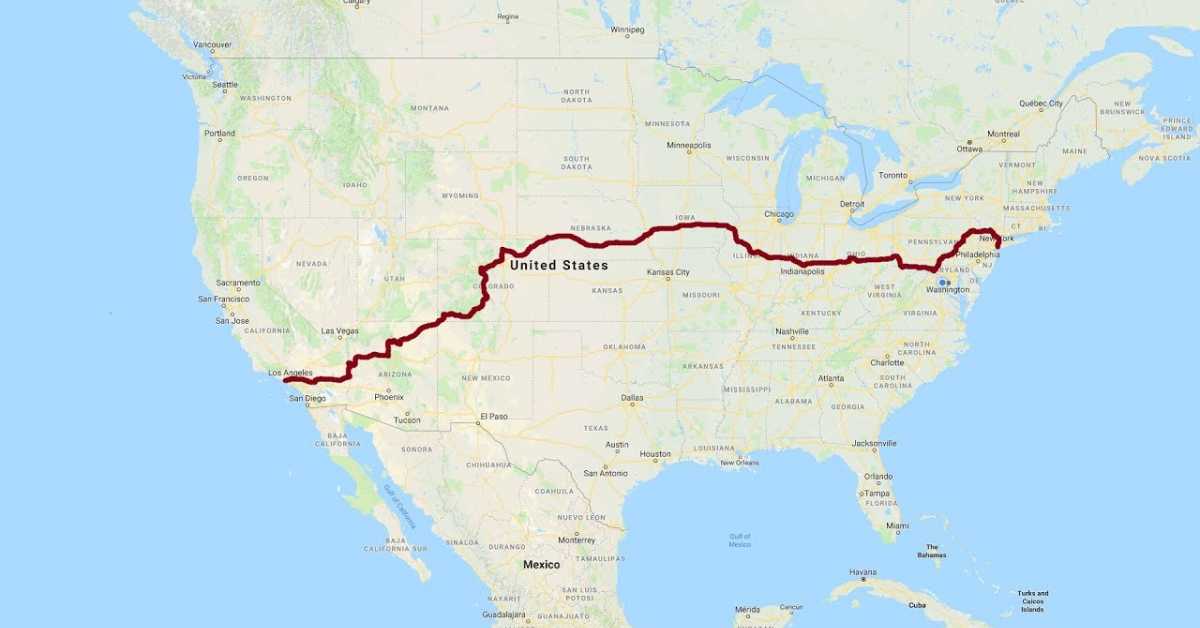
Embarking on the Transcontinental Journey: Modes of Transport
The choice of how to travel from New York to California significantly impacts both the total distance covered and the overall experience. Each mode of transport offers a unique perspective on the American landscape, catering to different preferences for speed, cost, and immersion.
By Air: The Fastest Path
For those prioritizing speed and efficiency, flying is undoubtedly the best option. A direct flight from John F. Kennedy International Airport (JFK) in New York to Los Angeles International Airport (LAX) or San Francisco International Airport (SFO) typically covers the distance in about 5.5 to 6.5 hours. While the physical distance covered by air is the most direct, the journey from airport to airport, including check-in, security, and potential layovers, often extends the total travel time to 8-10 hours.
Despite being the quickest, flying offers limited opportunities to witness the vast changes in scenery or experience the local culture along the way. However, for business travelers, those on a tight schedule, or individuals seeking to minimize travel time to maximize their stay at a destination, flying remains the preferred choice. Major airlines offer frequent routes, and booking in advance can often secure competitive fares, especially when considering the costs of an extended road trip. Many modern aircraft also offer a range of amenities, from Wi-Fi to in-flight entertainment, ensuring a comfortable if not particularly immersive journey.
The Allure of the Open Road: Driving Across America
A road trip from New York to California is a quintessential American experience, a true rite of passage for many adventurers. The driving distance can vary significantly based on the chosen route. A popular, relatively direct route might span around 2,800 to 3,000 miles (4,500 to 4,800 kilometers). At an average driving speed, this journey would require a minimum of 40-45 hours of pure driving time.
However, attempting to complete this in just a few days would be incredibly strenuous and defeat the purpose of a cross-country adventure. Most road trip enthusiasts recommend allocating at least 5-7 days for the journey, allowing for 8-10 hours of driving per day, with strategic stops for rest, meals, and exploring key landmarks. For a truly immersive experience, including detours to National Parks, charming small towns, and major cities, 2 to 3 weeks is ideal.
The freedom of the open road allows travelers to craft their own itinerary, making spontaneous stops at roadside attractions, savoring regional cuisines, and connecting with the diverse landscapes of the United States. From the rolling Appalachian Mountains to the vast plains of the Midwest, the majestic Rocky Mountains, and the arid beauty of the Southwest deserts, the scenery constantly evolves.
Scenic Routes and Iconic Stops
When planning a cross-country drive, several popular routes offer distinct experiences:
- The Northern Route (I-80/I-90): This route often passes through states like Pennsylvania, Ohio, Indiana, Illinois (near Chicago), Nebraska, Wyoming, and Utah, eventually leading into Nevada (Las Vegas or Reno) and then California. It’s known for its scenic mountains and open plains, offering access to attractions like Yellowstone National Park (with a detour) or Rocky Mountain National Park.
- The Central Route (I-70/I-40): This classic route traverses states like Pennsylvania, Ohio, Indiana, Missouri (St. Louis), Kansas, Colorado (Denver), New Mexico (Santa Fe or Albuquerque), and Arizona (Grand Canyon), before reaching California. This route offers a taste of the Southwest’s dramatic landscapes and historic sites, including segments of the legendary Route 66.
- The Southern Route (I-10/I-20): While less direct from New York, this route is popular for those seeking warmer weather, especially in winter. It would involve heading south through states like Virginia or North Carolina to connect with I-20 or I-10, passing through Atlanta, New Orleans, Texas, and Arizona before reaching California. This route offers a rich blend of Southern charm, vibrant music scenes, and desert vistas.
Regardless of the chosen path, iconic stops often include the Gateway Arch in St. Louis, the otherworldly landscapes of the Grand Canyon, Monument Valley, and various National Parks such as Zion, Bryce Canyon, or Yosemite. The journey itself becomes as important as the destination.
Rail and Bus: A Different Perspective

For travelers seeking a more relaxed and environmentally conscious journey without the hassle of driving, long-distance train and bus services provide viable alternatives.
- By Train (Amtrak): Amtrak offers several cross-country routes, typically involving one or two transfers. Popular routes include the Lake Shore Limited from New York City to Chicago, connecting to the California Zephyr to Emeryville (San Francisco Bay Area) or the Southwest Chief to Los Angeles. The total travel time by train can range from 3 to 4 days, offering panoramic views from comfortable seats or private sleeping compartments. This option allows travelers to truly unwind, read, socialize, and watch the American landscape unfold outside their window without the stress of navigation.
- By Bus (Greyhound): Greyhound provides the most budget-friendly option for cross-country travel. While slower than train travel, often taking 4-5 days with numerous stops and transfers, it’s a practical choice for those with flexible schedules and limited budgets. Buses cover extensive networks, allowing access to smaller towns not served by air or rail, and offering a unique insight into the local communities and everyday life across the United States.
Planning Your Epic Adventure
A journey of several thousand miles requires careful planning, regardless of the chosen mode of transport. From accommodation to budgeting and packing, every detail contributes to a smooth and memorable experience.
Essential Road Trip Tips
For those opting for the ultimate American road trip, a few tips can make all the difference:
- Vehicle Check: Ensure your car is in excellent condition before departure. Check tires, oil, fluids, and brakes. Consider roadside assistance membership.
- Navigation: While GPS is invaluable, having a physical map or offline maps downloaded is a wise backup, especially in areas with spotty cell service.
- Pack Smart: Bring essentials like a first-aid kit, jumper cables, extra water, snacks, and appropriate clothing for varying climates.
- Music and Podcasts: Curate playlists and download podcasts or audiobooks to keep spirits high during long stretches of driving.
- Flexibility: While a plan is good, be open to spontaneous detours and discoveries. Some of the best memories are made off the beaten path.
- Share Driving: If traveling with companions, share the driving responsibilities to prevent fatigue.
- Time Zone Changes: Be mindful of the three-hour time difference between the East Coast (Eastern Time) and the West Coast (Pacific Time), with Central and Mountain Time Zones in between.
Accommodation Along the Way
Whether flying, driving, or taking the train, accommodation is a crucial aspect of cross-country travel. For road trippers, a mix of options can enhance the journey:
- Hotels & Motels: Widely available along major interstates, these offer convenience and comfort. Consider booking in advance, especially during peak season or in popular tourist areas. LifeOuttheBox.com offers resources for comparing and booking various types of hotels, from budget-friendly motels to luxurious resorts.
- Vacation Rentals: Apartments or villas can be found in larger cities or scenic towns, offering more space and a local feel, often suitable for longer stays or family trips.
- Camping: For nature lovers and budget travelers, National Parks and state parks offer incredible camping experiences, a great way to break up the journey and immerse in nature.
- Unique Stays: Look for boutique hotels, historic inns, or farm stays to add character to your journey. Reviews and comparison tools on LifeOuttheBox.com can help you find hidden gems.
Budgeting for Your Cross-Country Trip
The cost of traveling from New York to California varies wildly.
- Flying: Flights can range from $150 to $600+ depending on booking time, airline, and destination airport. Add costs for luggage, airport transfers, and potentially rental cars upon arrival.
- Driving: Fuel is a major expense (estimating 2,800 miles at 25 mpg and $4/gallon equals roughly $450 in gas). Factor in accommodation (averaging $100-$200 per night for 5-7 nights), food, tolls, and potential car maintenance or rental fees. A realistic budget for a 7-day road trip could be $1,500-$3,000 for two people, excluding major attractions.
- Train/Bus: These are generally more affordable than flying, especially if you opt for coach seats. Train tickets can range from $200-$500+, while bus tickets are often $100-$300+. Sleeping compartments on trains are significantly more expensive.
Lifestyle choices, such as opting for luxury travel with high-end hotels and fine dining, or a budget travel approach with hostels and picnics, will heavily influence the total cost.
East Coast Charm Meets West Coast Dreams
The journey itself is an experience, but the destinations, New York and California, are equally compelling, each offering a distinct flavor of American life.
Exploring New York City
Before or after your grand journey, immerse yourself in the unparalleled energy of New York City. The city that never sleeps is a global hub for culture, finance, and entertainment.
- Landmarks: Marvel at the iconic Statue of Liberty, ascend the Empire State Building for breathtaking views, or stroll through the vibrant chaos of Times Square.
- Culture & Arts: Catch a Broadway show, explore world-class museums like the Metropolitan Museum of Art or the Museum of Modern Art, or wander through the diverse neighborhoods of Greenwich Village or Harlem.
- Food Scene: From street food vendors to Michelin-starred restaurants, New York’s culinary scene is incredibly diverse. Sample everything from classic New York-style pizza to international delicacies.
- Accommodation: New York City offers an array of accommodation options, from luxury hotels in Midtown Manhattan to charming boutique hotels in SoHo or Brooklyn.

Discovering California’s Diversity
Upon reaching California, travelers are greeted by a state of incredible diversity, from sprawling cities to stunning natural wonders.
- Southern California: In Los Angeles, explore Hollywood for a taste of the entertainment industry, relax on the beaches of Santa Monica or Malibu, or experience the magic of Disneyland in Anaheim. Further south, San Diego offers beautiful beaches, a vibrant culinary scene, and attractions like Balboa Park.
- Central & Northern California: Drive the iconic Pacific Coast Highway (Highway 1) through the breathtaking Big Sur region. In San Francisco, marvel at the Golden Gate Bridge, explore Alcatraz Island, and ride a historic cable car. Discover the world-renowned wineries of Napa Valley or Sonoma.
- Natural Wonders: California is home to numerous National Parks, including the majestic granite cliffs and waterfalls of Yosemite, the giant sequoias of Sequoia National Park, and the stark beauty of Death Valley National Park.
- Accommodation: California’s accommodation landscape is as varied as its geography, from beachfront boutique hotels to luxury resorts in wine country and family-friendly apartments near theme parks.
The journey from New York to California is more than just a measurement of miles; it’s an exploration of the vastness and variety of the American experience. Whether you choose the speed of flight, the freedom of the road, or the scenic comfort of rail, the adventure promises unforgettable memories and a deeper appreciation for the wonders that lie between two of the United States’ most captivating states.
LifeOutOfTheBox is a participant in the Amazon Services LLC Associates Program, an affiliate advertising program designed to provide a means for sites to earn advertising fees by advertising and linking to Amazon.com. Amazon, the Amazon logo, AmazonSupply, and the AmazonSupply logo are trademarks of Amazon.com, Inc. or its affiliates. As an Amazon Associate we earn affiliate commissions from qualifying purchases.