
California, often referred to as the Golden State, is a land of superlatives: iconic landmarks, diverse landscapes, and an economy that rivals many nations. But beyond its stunning beauty and vibrant culture, one factor profoundly shapes every aspect of life, travel, and tourism within its borders: its immense population. The question “How many people live in California?” isn’t just a numerical query; it’s an inquiry into the very fabric of the state, influencing everything from the availability of accommodation to the flow of traffic at popular attractions. Understanding California’s demographic landscape is crucial for anyone planning a visit, considering a move, or simply curious about one of the world’s most dynamic regions.
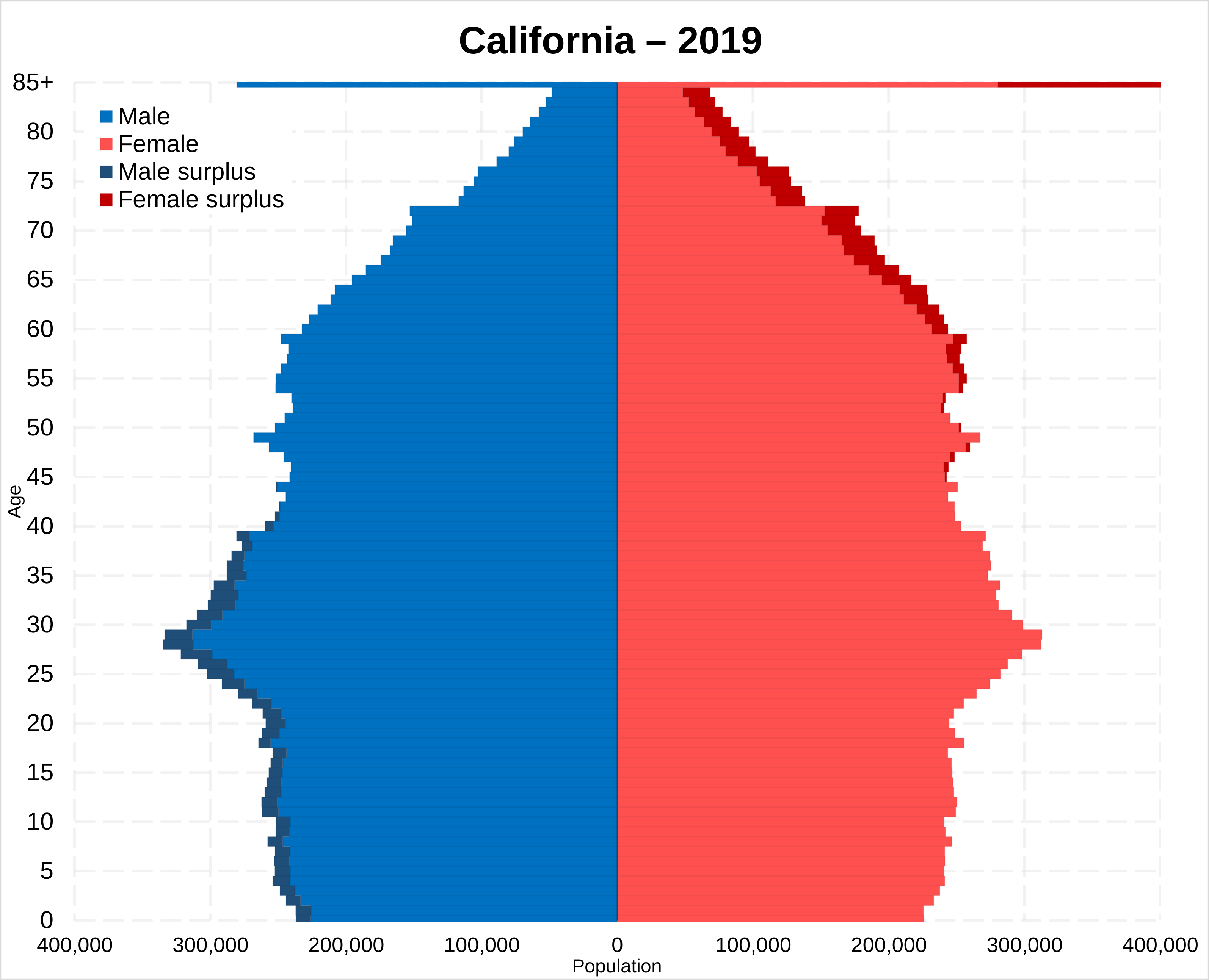
California’s Demographic Landscape: A Snapshot of Diversity and Scale
California stands as the most populous state in the United States, a distinction it has held for decades. This vast concentration of people creates a unique environment, characterized by both bustling urban centers and expansive, yet densely populated, suburban areas.
Understanding the Numbers: The Latest Population Figures
While exact figures fluctuate with birth rates, migration, and other demographic shifts, California’s population consistently hovers around the 39 to 40 million mark. To put this into perspective, if California were an independent country, it would rank among the top 40 most populous nations globally, surpassing countries like Canada and Australia. This sheer scale has significant implications. For travelers, it means that popular destinations, especially during peak seasons, can experience considerable crowds. For businesses in the tourism sector, it signifies a massive internal market, complemented by a continuous influx of international visitors.
Historically, California’s population growth has been a story of rapid expansion, fueled by various gold rushes, agricultural booms, and the rise of the tech industry. While the growth rate has moderated in recent years, particularly in comparison to the surges seen in the mid-20th century, the state continues to be a magnet for individuals seeking opportunities, diverse lifestyles, and unparalleled natural beauty. This sustained demographic presence impacts everything from infrastructure development to the demand for diverse services, including accommodation and entertainment. The dense population centers, such as Los Angeles County, which alone is home to over 10 million people, illustrate the concentration of human activity that defines much of the state.
A Melting Pot of Cultures: Demographic Diversity
Beyond the raw numbers, the composition of California’s population is equally compelling. It is often celebrated as one of the most diverse states in the nation, a true melting pot of cultures, ethnicities, and languages. This diversity is not merely a statistical fact; it’s a living, breathing aspect of the Californian lifestyle, enriching the state’s cultural tapestry, culinary scene, and overall atmosphere.
Visitors will find this rich multiculturalism reflected in virtually every corner of the state. From vibrant ethnic neighborhoods in cities like San Francisco and Los Angeles, offering authentic culinary experiences and unique cultural festivals, to the variety of languages spoken in daily life, California’s diversity is palpable. This cultural amalgamation contributes significantly to the state’s allure as a tourism destination. Travelers can explore a world of flavors, traditions, and artistic expressions without ever leaving the state. The influence of Latin American, Asian, Middle Eastern, and European cultures, among others, is evident in the local cuisine, music, art, and community events, providing a constantly evolving and exciting environment for residents and visitors alike.
The Impact of Population on California’s Travel and Tourism Industry
The sheer volume of people residing in California, coupled with its global appeal as a travel destination, has a profound impact on its travel and tourism industry. This massive human presence shapes the visitor experience, influences infrastructure, and dictates the availability and type of services offered.
Navigating Crowds and Popular Destinations
With a population of nearly 40 million, it’s no surprise that California’s most famous landmarks and attractions can draw enormous crowds, especially during peak travel seasons, holidays, and weekends. Iconic spots like Disneyland Resort in Anaheim, the Golden Gate Bridge in San Francisco, Yosemite National Park, and the Hollywood Walk of Fame in Los Angeles are testaments to the state’s popularity. The Santa Monica Pier, Universal Studios Hollywood, and the Getty Center also frequently see a significant number of visitors.
For travelers, this means that strategic planning is key to a smooth and enjoyable experience. Booking tickets in advance, arriving early at attractions, or considering off-peak travel times can significantly enhance a visit. Many popular state parks and national parks, such as Yosemite, Sequoia National Park, and Kings Canyon National Park, now require reservations for vehicle entry during certain periods to manage visitor flow and protect natural resources. This proactive approach by park authorities reflects the necessity of balancing accessibility with preservation in a highly populated state.
The constant demand from residents for local leisure activities also contributes to the vibrant energy of these destinations. It ensures that even during slower tourist seasons, there’s a steady stream of activity, keeping businesses thriving and services readily available. The sheer number of people living in California means that every weekend offers a local adventure opportunity, from hiking in the Santa Monica Mountains to wine tasting in Napa Valley or exploring the beaches of Laguna Beach.
The Demand for Diverse Accommodation Options
The scale of California’s population, coupled with its status as a premier global destination, creates an enormous and varied demand for accommodation. This isn’t just about having more hotels; it’s about providing a vast spectrum of choices to suit every budget, travel style, and duration of stay. From luxury resorts in Beverly Hills and Palm Springs to budget-friendly motels along scenic routes, the state’s hospitality sector is robust and highly competitive.
Major cities like Los Angeles, San Francisco, and San Diego boast an extensive array of hotels, ranging from opulent suites at renowned chains like the Grand Hyatt Hotel or the Ritz-Carlton, Laguna Niguel to charming boutique hotels in historic districts. Beyond traditional hotels, the state also offers an abundance of apartments, villas, and long-term stay options, particularly important for business travelers, those relocating, or families seeking more space. The growth of vacation rentals, often driven by the desire for authentic local experiences, further diversifies the market.
This diversity in accommodation is a direct response to the needs of millions of residents and visitors. Whether someone is seeking a lavish spa experience at a luxury resort in Napa Valley, a family-friendly stay near Disneyland, or a chic urban apartment for a business trip to Silicon Valley, California delivers. The sheer volume of people ensures a constant innovation in the hospitality sector, with new properties emerging and existing ones continually upgrading their amenities to meet evolving traveler expectations. This dynamic environment means travelers have more choice but also need to be proactive with booking, especially during peak seasons, to secure their preferred accommodation.

Lifestyle and Infrastructure: Catering to Millions of Residents and Visitors
The immense population of California necessitates robust infrastructure and a vibrant lifestyle ecosystem to support both its residents and the millions of tourists who visit each year.
Urban Centers and Metropolitan Sprawl: Cities to Explore
California’s population is largely concentrated in sprawling metropolitan areas, each with its distinct character and appeal. Los Angeles, the state’s largest city, is a global hub for entertainment, culture, and innovation, drawing millions with its iconic attractions like the Hollywood Sign, the Griffith Observatory, and its diverse neighborhoods. San Francisco, famous for its fog, cable cars, and the Golden Gate Bridge, offers a compact, walkable urban experience rich in history and technological advancement. San Diego, known for its beautiful beaches, laid-back vibe, and proximity to Mexico, provides a blend of outdoor adventure and urban charm.
Other significant cities include Sacramento, the state capital, with its rich Gold Rush history; San Jose, the heart of Silicon Valley, a hub of innovation and technology; and coastal gems like Santa Barbara and Carmel-by-the-Sea, renowned for their scenic beauty and relaxed elegance. Each of these urban centers, with its surrounding metropolitan sprawl, contributes to California’s economic engine and offers a unique slice of the Californian experience. They are connected by an extensive network of freeways, a testament to the need to move large numbers of people across vast distances. While traffic can be a challenge, the infrastructure facilitates access to a multitude of destinations.
Culinary Delights and Cultural Experiences
The demographic diversity and large population density of California have cultivated one of the most exciting and varied culinary landscapes in the world. Food isn’t just sustenance here; it’s a lifestyle and a cultural expression. From Michelin-starred restaurants in San Francisco and Los Angeles to bustling food trucks serving authentic tacos, pho, or Korean BBQ, the options are limitless. Every ethnic group contributes its unique flavors and traditions, making California a paradise for foodies. Farmers’ markets thrive across the state, showcasing the bounty of California’s agricultural lands and fostering a strong farm-to-table movement.
Beyond food, the cultural experiences are equally rich. California hosts countless festivals, concerts, art exhibitions, and community events throughout the year. The state is home to world-class museums like the J. Paul Getty Museum and performing arts venues, attracting top talent and performances from around the globe. This vibrant cultural scene is a direct result of the diverse population that both creates and consumes art and entertainment, fostering an environment of continuous innovation and creativity.
Balancing Conservation and Development: Preserving California’s Natural Wonders
With such a large population residing within its borders, California faces the continuous challenge of balancing urban development and resource demands with the urgent need to conserve its unparalleled natural environment. The state boasts an incredible array of natural landmarks, from the majestic redwoods of Muir Woods National Monument and Redwood National Park to the dramatic coastline of Big Sur, the serene waters of Lake Tahoe, and the stark beauty of Death Valley National Park and Joshua Tree National Park.
Conservation efforts are paramount in a state where millions live in close proximity to these fragile ecosystems. State and national parks implement various strategies to manage visitor impact, from reservation systems to educational programs. The population’s demand for outdoor recreation also fuels the development of extensive trail systems, campgrounds, and accessible viewing points, allowing residents and visitors to connect with nature responsibly. Organizations like the Monterey Bay Aquarium on Monterey Bay play a crucial role in marine conservation and education, highlighting the delicate balance required to protect California’s unique biodiversity amidst human activity. The preservation of historical sites like Hearst Castle and Alcatraz Island also speaks to the state’s commitment to protecting its heritage for future generations.
Planning Your California Journey: Tips for Travelers
Given the dynamics created by California’s substantial population, strategic planning can significantly enhance your travel experience.
Strategic Booking and Off-Peak Travel
To secure the best rates and availability for flights and accommodation, particularly in popular cities like San Francisco, Los Angeles, or San Diego, booking well in advance is highly recommended. Utilizing comparison websites and checking reviews for hotels, resorts, and apartments can help ensure a comfortable and suitable stay. Consider traveling during the shoulder seasons (spring and fall) to avoid the peak crowds of summer and major holidays, and often benefit from more moderate temperatures. Weekday visits to major attractions are generally less crowded than weekends.
Exploring Beyond the Beaten Path
While California’s iconic landmarks are undoubtedly worth visiting, the state offers countless hidden gems and less-crowded destinations. Venture beyond the major cities to explore charming small towns, less-visited state parks, or scenic drives like the Pacific Coast Highway without a specific destination in mind. Places like the Eastern Sierra Nevada, the Lassen Volcanic National Park, or the desert landscapes away from main tourist routes can offer solitude and unique perspectives. Consulting local guides or travel blogs that focus on off-the-beaten-path experiences can lead to unforgettable discoveries.

Embracing the Californian Lifestyle
To truly experience California, immerse yourself in its diverse lifestyle. Engage with the local culture by exploring neighborhood markets, attending community events, and trying the incredible variety of food. Whether you’re interested in luxury travel, budget-friendly adventures, family trips, or business stays, California’s expansive offerings cater to every preference. From outdoor activities like surfing, hiking, and skiing, to exploring world-class museums and vibrant nightlife, the state encourages an active and engaged way of life. Don’t just visit the sights; live the experience.
In conclusion, California’s large and diverse population is not just a statistic; it’s a defining characteristic that shapes its identity, economy, and the very nature of travel within its borders. Understanding this demographic reality allows travelers to approach their visit with informed expectations, enabling them to navigate its bustling cities and serene natural wonders more effectively. Despite the crowds at times, the sheer scale of human ingenuity and cultural richness that 39 million people bring to the Golden State ensures an endlessly fascinating and rewarding experience for all who visit.
LifeOutOfTheBox is a participant in the Amazon Services LLC Associates Program, an affiliate advertising program designed to provide a means for sites to earn advertising fees by advertising and linking to Amazon.com. Amazon, the Amazon logo, AmazonSupply, and the AmazonSupply logo are trademarks of Amazon.com, Inc. or its affiliates. As an Amazon Associate we earn affiliate commissions from qualifying purchases.