
Receiving a bonus can feel like striking gold, especially in the vibrant and opportunity-rich landscape of California. Whether it’s a reward for exceptional performance, an annual incentive, or a sign-on perk, a bonus represents a significant boost to your financial well-being. For those with an eye for luxury travel, unforgettable experiences, or simply navigating the unique lifestyle of the Golden State, understanding how these bonuses are taxed is paramount. It’s not just about the gross figure; it’s about the net amount you can leverage for that dream vacation to Napa Valley, a stay at a five-star resort in Laguna Beach, or investing in the high-quality living California offers. This comprehensive guide will demystify bonus taxation in California, helping you strategically plan how to maximize your windfall for the lifestyle and travel adventures you desire.
The Golden State’s Take: Federal and California Bonus Tax Basics
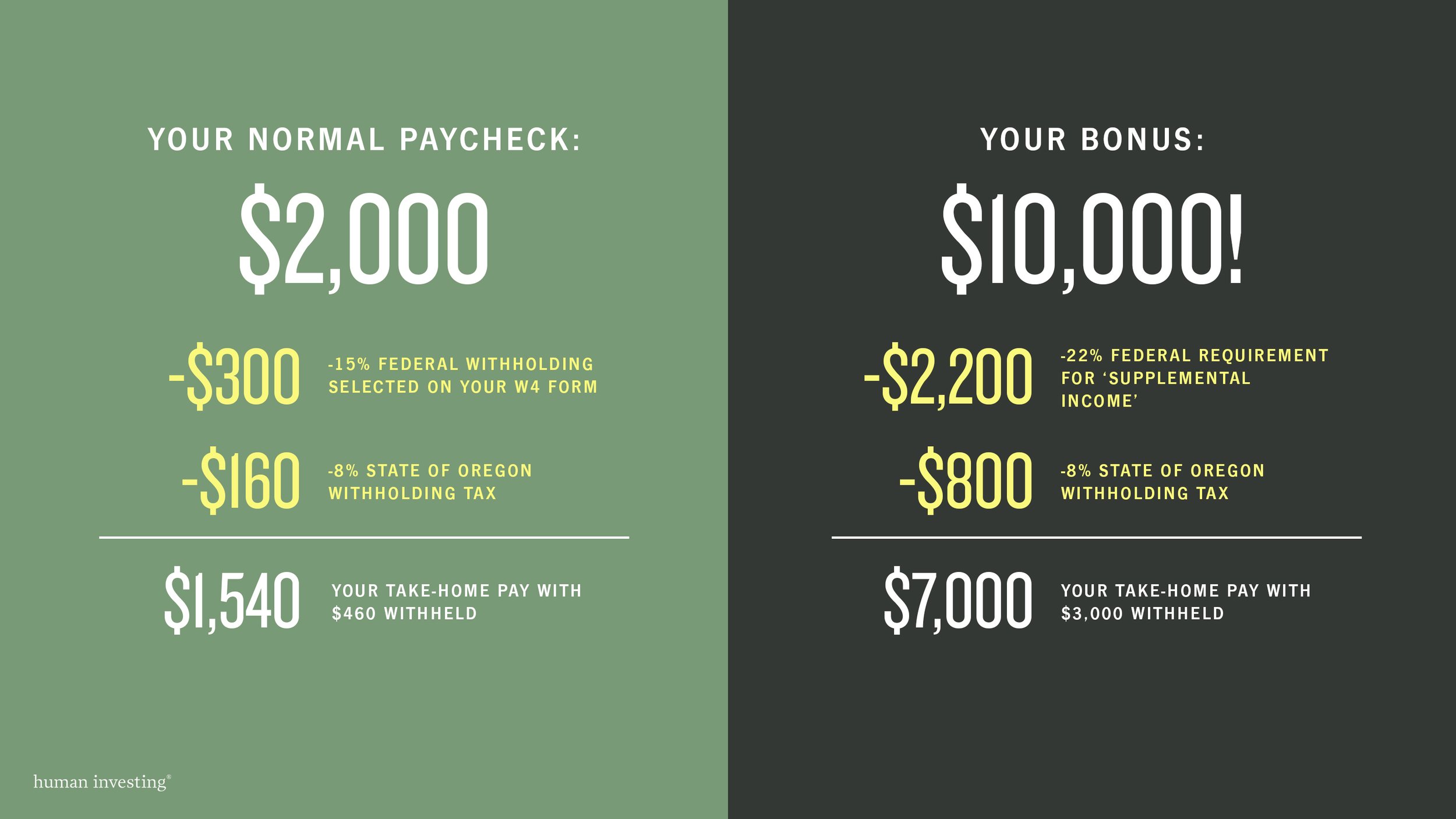
Bonuses, while a welcome addition to your income, are not treated the same way as your regular wages when it comes to withholding. They fall under a category known as “supplemental wages” by the Internal Revenue Service (IRS) and the California Franchise Tax Board (FTB). This distinction is crucial because the methods used to withhold taxes from bonuses can often lead to a perception of being taxed at a much higher rate than your actual marginal income tax bracket. It’s important to separate the withholding amount from your actual tax liability, which is determined when you file your annual tax return based on your total income, deductions, and credits.
Understanding Supplemental Wages
Supplemental wages include a wide array of payments beyond your regular salary or hourly pay. This encompasses bonuses, commissions, overtime pay, severance pay, and accrued vacation pay. Both the federal government and the state of California classify these payments as taxable income. This means they are subject to federal income tax, state income tax, Social Security, and Medicare taxes (collectively known as FICA taxes).
For many professionals eyeing California for career opportunities that promise attractive bonuses, such as tech roles in Silicon Valley or entertainment industry positions in Hollywood, understanding this fundamental classification is the first step. It directly impacts the disposable income you’ll have to enjoy the state’s diverse attractions, from exploring the vibrant nightlife of Los Angeles to embarking on a scenic road trip along Highway 1.
Federal Withholding Methods: Percentage vs. Aggregate
When it comes to federal income tax withholding for bonuses, employers generally have two primary methods: the percentage method and the aggregate method. The choice of method can significantly impact the immediate amount withheld from your bonus check.
Under the percentage method, bonuses are typically subject to a flat federal withholding rate. For the majority of bonuses up to $1 million within a calendar year, the IRS mandates a flat 22% withholding rate (as of recent tax years). If your bonus exceeds $1 million, the withholding rate jumps to 37% for the portion above that threshold. This method is often preferred for larger bonus payouts, as it provides a clear, consistent withholding percentage. For example, if you receive a $20,000 bonus, $4,400 would be withheld for federal income tax, giving you $15,600 before other taxes. While this may seem high, remember it’s a withholding rate, not necessarily your final income tax rate.
The aggregate method, sometimes called the “wage bracket” method, is typically used when the bonus is paid alongside your regular wages or is integrated into a regular payroll run. Under this method, the employer adds the bonus to your regular wages for that pay period, treats the total as a single payment, and then calculates the income tax withholding based on your Form W-4 elections. This method can sometimes result in a higher percentage of your bonus being withheld compared to your actual annual tax liability because it temporarily places you into a higher tax bracket for that single pay period. However, any over-withholding will be reconciled when you file your tax return, potentially resulting in a refund. For someone planning a stay at a luxurious hotel like the Waldorf Astoria Beverly Hills or investing in a premium travel experience, being aware of which method your employer uses can help manage immediate cash flow expectations.
In addition to federal income tax, bonuses are also subject to FICA taxes. This includes Social Security tax, which is 6.2% on earnings up to an annual limit (which changes yearly), and Medicare tax, which is 1.45% on all earnings. For high-income earners (those earning over $200,000 as a single filer or $250,000 for married filing jointly), an additional 0.9% Medicare tax applies. These FICA taxes are non-negotiable and apply uniformly to both regular wages and supplemental wages.
Navigating California’s State Income Tax on Bonuses
Beyond the federal framework, California imposes its own distinct state income tax on bonuses. The Golden State is known for having one of the most progressive income tax systems in the United States, with rates that can significantly impact your net bonus. This is particularly relevant for those who choose California for its unparalleled lifestyle opportunities, from gourmet dining in San Francisco to exploring the stunning natural beauty of Yosemite National Park.
The Impact of Marginal Tax Brackets
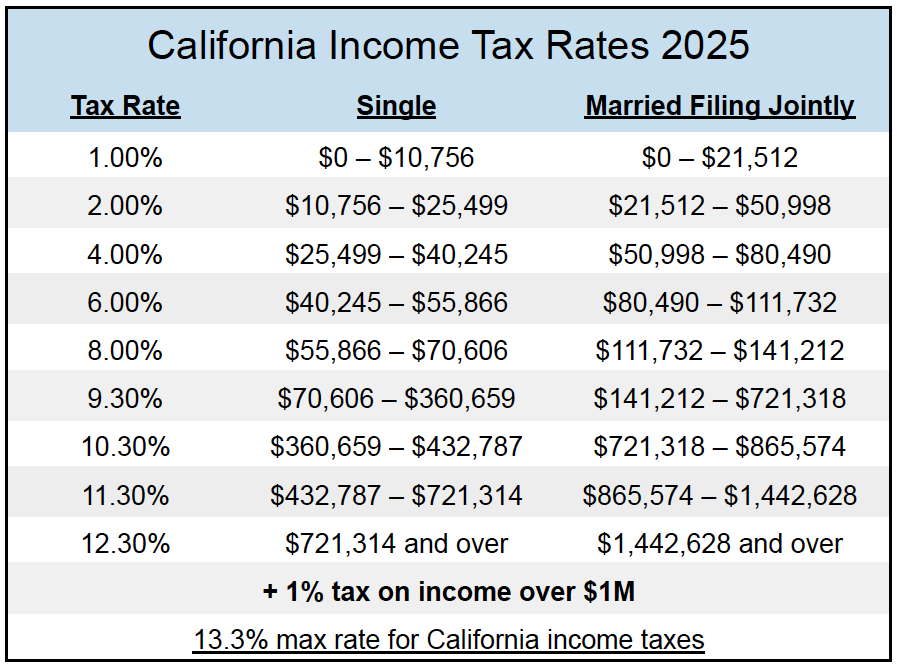
California operates on a progressive income tax system, meaning that as your income increases, higher portions of your income are taxed at higher rates. The state has numerous tax brackets, with the top marginal rate reaching 13.3% for the highest earners (plus an additional 1% mental health services tax for incomes over $1 million, effectively making the top rate 13.3%). This is crucial to understand because while your bonus might be withheld at a certain flat rate, your actual state tax liability will ultimately depend on your total annual income and where that bonus income falls within California’s progressive tax brackets.
For supplemental wages, California employers generally use a flat withholding rate, similar to the federal percentage method. The specific rate can vary but often falls in a range, for example, around 6.6% for bonuses under $1 million and a higher rate for larger amounts. It’s essential to consult the latest FTB guidelines or your payroll department for the most current withholding rates.
Consider the scenario where you receive a bonus that pushes your annual income into a higher tax bracket. While only the portion of your income that falls into that higher bracket will be taxed at the higher marginal rate, the initial withholding might not perfectly reflect this. This is why many people feel their bonus was “taxed too high” initially. However, just like federal taxes, this is an estimate. The true tax due is calculated when you file your California state tax return. Any over-withholding contributes to a refund, while under-withholding could mean you owe more. Savvy individuals often adjust their W-4 and California DE 4 forms to account for bonus income throughout the year, aiming to minimize the risk of a large tax bill or a significant overpayment. This kind of financial foresight allows for better budgeting for that dream trip to Disneyland or a luxury stay in Palm Springs.
Special Considerations for Non-Residents and Part-Year Residents
The complexities of California bonus taxation extend even further for individuals who are not full-year residents. If you’re a non-resident working in California and receive a bonus, only the portion attributable to your work performed within the state is subject to California income tax. This often requires careful allocation of income. Similarly, if you are a part-year resident, moving to or from California, your bonus may be subject to prorated California income tax based on the period you were a resident.
These situations can be particularly intricate, making professional tax advice invaluable. For professionals considering relocation to California for its career opportunities and vibrant tourism scene, understanding these nuances from the outset can prevent unexpected tax liabilities. It helps in planning for settling into a new city like San Diego, known for its beautiful beaches and family-friendly attractions, or navigating the housing market in a bustling area like San Jose.
Strategic Planning: Maximizing Your Bonus for California Lifestyle and Travel
Once you understand the mechanics of bonus taxation, the next step is to strategize how to maximize your net bonus. This isn’t just about reducing your tax burden; it’s about smart financial planning that enables you to enjoy the unparalleled lifestyle and travel experiences that make California so appealing. From indulging in fine dining experiences in San Francisco to embarking on an adventure to Lake Tahoe, every dollar of your bonus counts.
Leveraging Pre-Tax Contributions for Future Adventures
One of the most effective ways to reduce your taxable income from a bonus is by making pre-tax contributions to various retirement and health savings accounts. This strategy not only lowers your current year’s taxable income but also sets you up for financial security, which in turn supports future travel and lifestyle goals.
- 401(k) or 403(b) Contributions: If your employer’s plan allows, direct a portion of your bonus into your 401(k) or 403(b). These contributions are made with pre-tax dollars, immediately reducing your gross taxable income for federal and state purposes. Maxing out these accounts not only provides significant tax savings now but also builds a substantial nest egg for retirement, enabling grander post-career travel plans, perhaps exploring international destinations or embarking on a long-term accommodation stay in a European capital.
- IRA Contributions: Even if you contribute to an employer-sponsored plan, you might be eligible to contribute to a Traditional IRA on a pre-tax basis, depending on your income level. This offers another avenue to reduce taxable income and save for the future.
- Health Savings Accounts (HSAs): If you’re enrolled in a high-deductible health plan (HDHP), an HSA is an incredibly powerful tool. Contributions are tax-deductible, earnings grow tax-free, and qualified withdrawals for medical expenses are tax-free. This “triple tax advantage” makes HSAs excellent for both health security and long-term savings, freeing up other funds for discretionary spending, like booking a stay at a luxurious suite overlooking the Pacific Ocean.
By strategically funneling a portion of your bonus into these accounts, you can decrease the amount subject to immediate taxation, resulting in a higher effective net income that can then be allocated to other financial goals or enriching California experiences.
The Role of Itemized Deductions and Credits
While the standard deduction is a straightforward choice for many, some individuals may benefit from itemizing deductions, especially after receiving a large bonus. Deductions reduce your taxable income, while credits directly reduce your tax liability dollar-for-dollar.
- Itemized Deductions: In California, significant itemized deductions can include state and local taxes (SALT, up to a federal limit), mortgage interest, charitable contributions, and medical expenses exceeding a certain percentage of your Adjusted Gross Income (AGI). A substantial bonus might make itemizing more advantageous, particularly if you have significant deductions. For instance, contributing a larger sum to a local California charity could be more appealing knowing it offers a tax benefit, aligning your generosity with financial prudence.
- Tax Credits: Various federal and state tax credits exist, such as the child tax credit, education credits, or credits for energy-efficient home improvements. Ensure you claim all eligible credits, as they offer the most direct form of tax reduction.
Understanding and leveraging these deductions and credits requires diligent record-keeping and often, the guidance of a tax professional. However, the effort can translate into substantial savings, leaving more of your bonus available for fulfilling your lifestyle aspirations, whether that means a luxury shopping spree on Rodeo Drive or an extended stay at a boutique hotel in Santa Barbara.
Beyond the Paycheck: How Bonus Taxation Influences Your California Dreams
The impact of bonus taxation extends far beyond the immediate financial statement. It directly influences your ability to enjoy the rich array of lifestyle and travel opportunities that California uniquely offers. By understanding how much of your bonus you genuinely take home, you can make informed decisions about your financial goals and how they align with your aspirations in the Golden State.
Budgeting for Luxury Travel and Iconic Experiences
California is a global magnet for tourism, offering everything from the cultural vibrancy of San Francisco with its iconic Golden Gate Bridge to the sun-drenched beaches of Santa Monica Pier and the thrilling theme parks in Anaheim. For many, a bonus is the perfect catalyst to elevate their travel experiences from good to extraordinary.
Imagine using a well-managed bonus to fund a premium accommodation experience – perhaps a stay at The Ritz-Carlton, Laguna Niguel, with breathtaking ocean views and unparalleled service. Or perhaps it’s a gourmet food tour through wine country in Sonoma, or a private tour of the historic Hearst Castle. These experiences, while memorable, come with a cost. Knowing your net bonus allows you to realistically budget for such luxuries, ensuring that your dreams aren’t curtailed by unexpected tax bites.
A clear understanding of your take-home pay from a bonus allows you to set aside funds confidently for specific travel goals. This might involve creating a dedicated “travel fund” to explore different California landmarks each year or saving up for a more ambitious international adventure. Whether it’s a weekend getaway to Big Sur or an extended vacation to Europe, a well-planned bonus can make these aspirations a tangible reality.
Realizing Lifestyle Goals in High-Cost-of-Living Areas
California is celebrated for its dynamic job market and stunning natural beauty, but it’s also notorious for its high cost of living, especially in major metropolitan areas like Los Angeles, San Francisco, and San Jose. A bonus can significantly impact your ability to maintain or enhance your desired lifestyle in these regions.
For residents of California, a bonus can provide crucial financial flexibility. It might mean upgrading your accommodation to a nicer apartment with better amenities, investing in a down payment for a home, or simply enjoying the myriad cultural and recreational activities available. Perhaps it’s funding a membership to an exclusive club, purchasing season tickets to a sports team, or enrolling in a specialized course.
Understanding the net amount of your bonus allows for better financial planning in a state where everything from housing to everyday goods and services can be expensive. It informs decisions about whether that bonus can cover a home renovation, pay down high-interest debt, or be strategically saved for future large purchases. For individuals who have chosen California for its professional opportunities and its vibrant, active lifestyle, clarity on bonus taxation is not just a financial detail; it’s a key component in realizing the full potential of their Golden State dreams. By making informed choices, you can ensure your bonus serves as a true catalyst for a richer, more fulfilling life in one of the most exciting places in the United States.
LifeOutOfTheBox is a participant in the Amazon Services LLC Associates Program, an affiliate advertising program designed to provide a means for sites to earn advertising fees by advertising and linking to Amazon.com. Amazon, the Amazon logo, AmazonSupply, and the AmazonSupply logo are trademarks of Amazon.com, Inc. or its affiliates. As an Amazon Associate we earn affiliate commissions from qualifying purchases.