
California, a state renowned for its diverse landscapes, vibrant culture, and innovative industries, also stands out for its high cost of living. For many professionals considering a career in the Golden State, understanding potential earnings is paramount, especially for those in critical public service roles. Paramedics, the frontline heroes who provide emergency medical care, play an indispensable role in safeguarding community health. Their demanding profession requires extensive training, quick thinking, and immense dedication, often under high-stress conditions. Given the unique economic landscape of California, aspiring and current paramedics naturally ponder: “How much do paramedics make in California?” This comprehensive guide delves into the various facets of paramedic salaries in the state, exploring the factors that influence compensation and how these earnings align with the broader lifestyle, travel, and accommodation opportunities that California offers.
The Essential Role of Paramedics in California’s Diverse Communities
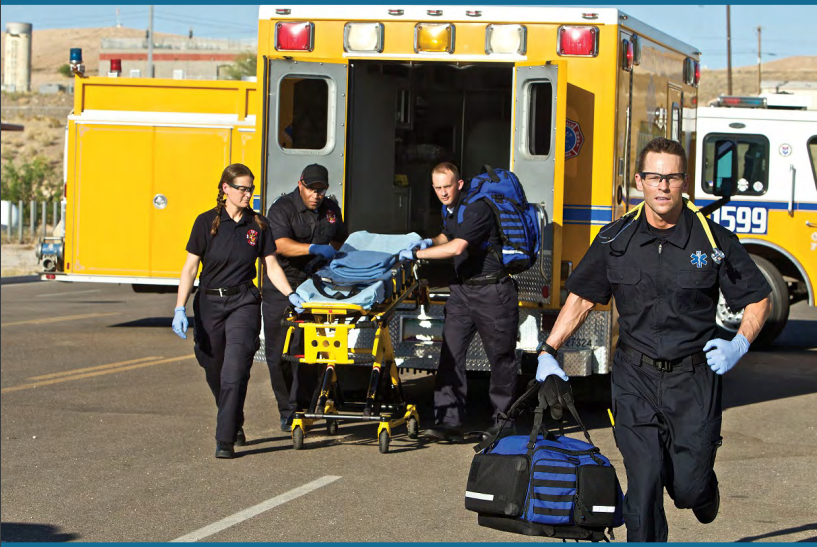
Before diving into salary specifics, it’s crucial to acknowledge the profound impact paramedics have on public safety and health across California’s sprawling urban centers, serene coastal towns, and rugged wilderness areas. A paramedic’s duties extend far beyond basic first aid; they involve advanced life support, administering medications, operating sophisticated medical equipment, and making critical decisions under pressure. From responding to traffic accidents on bustling Los Angeles freeways to assisting hikers in remote national parks like Yosemite or Sequoia, their work is varied and always challenging.
The demand for skilled paramedics remains consistently high, driven by population growth, an aging demographic, and the constant need for emergency services. This consistent demand ensures a robust job market, which can often translate into competitive salaries, particularly in areas where the cost of living is steep. Understanding the intrinsic value of this profession sets the stage for appreciating the compensation levels. For individuals passionate about public service and capable of thriving in dynamic environments, a paramedic career in California offers not just a job, but a calling that profoundly impacts countless lives.
Understanding Average Paramedic Salaries Across California
The question of “how much” is rarely straightforward in a state as economically diverse as California. Paramedic salaries can vary significantly based on a multitude of factors, but examining statewide averages provides a valuable starting point. Generally, the average annual salary for a paramedic in California tends to be higher than the national average, reflecting the state’s elevated cost of living. While precise figures fluctuate with economic conditions and data sources, most reports indicate a range that positions California paramedics among the higher earners in their field nationwide.
For instance, an entry-level paramedic might start at a salary considerably lower than the average, typically building their experience over time. With a few years of dedicated service and continuous professional development, their earning potential can increase substantially. This progression is a key aspect of career planning for anyone entering the emergency medical services (EMS) field. It’s also important to consider that these figures represent base salaries and do not always include overtime pay, hazard pay, or benefits packages, which can significantly enhance a paramedic’s overall compensation. Many paramedics frequently work overtime shifts, especially in high-demand areas or during major public events, which can add a substantial boost to their annual income.
Regional Salary Variations: Urban vs. Rural
California’s vast geography creates pronounced regional differences in salaries. Major metropolitan areas, characterized by their high population density and corresponding cost of living, typically offer the highest paramedic wages.
- Los Angeles and Orange County Metro Areas: As some of the most populous and expensive regions, paramedics in these areas often command top-tier salaries. The constant demand for emergency services, coupled with the high cost of accommodation and daily expenses, drives employers to offer competitive compensation to attract and retain talent. For a paramedic considering lifestyle in Southern California, the higher salary might be crucial for enjoying the vibrant culture, dining, and proximity to famous landmarks like Disneyland or the beaches.
- San Francisco Bay Area: This region, known globally as a tech hub, boasts some of the highest living costs in the world. Consequently, paramedic salaries here are among the highest in the state, designed to help professionals afford the incredibly expensive housing market and other lifestyle costs. While salaries are high, the purchasing power can sometimes feel constrained due to the exorbitant expenses associated with living in cities like San Francisco, San Jose, or Oakland. However, the opportunities for travel and tourism within the Bay Area are unparalleled, from wine country tours in Napa Valley to scenic drives along Highway 1.
- San Diego Area: Offering a slightly less extreme, but still significantly high, cost of living compared to San Francisco or Los Angeles, San Diego also presents robust salaries for paramedics. The appeal here lies in the fantastic climate, beautiful beaches, and relaxed atmosphere, which higher salaries help to facilitate enjoying.
- Sacramento and Central Valley: As the state capital, Sacramento offers competitive salaries, though they may be slightly lower than in the coastal mega-cities. The cost of living in the Central Valley is generally more moderate, meaning that a paramedic’s salary might offer greater purchasing power for accommodation and lifestyle expenditures compared to the major coastal hubs. This region also provides easier access to Lake Tahoe and the Sierra Nevada mountains for those seeking outdoor adventures.
- Rural and Inland Areas: Paramedics working in less densely populated or more rural parts of California might find salaries that are somewhat lower than their metropolitan counterparts. However, these areas often come with a significantly reduced cost of living, particularly regarding housing. While the absolute dollar amount may be lower, the effective purchasing power and quality of life can sometimes be higher, depending on individual priorities and desired lifestyle. These regions often offer unique travel opportunities focusing on nature and outdoor activities.
Factors Influencing Paramedic Compensation in California
Beyond geographical location, several other critical elements play a role in determining a paramedic’s earning potential in California. Understanding these factors is essential for anyone looking to maximize their salary or plan their career trajectory.
Experience and Tenure
Like most professions, experience is a significant driver of salary growth. Entry-level paramedics, fresh out of training, will naturally start at the lower end of the pay scale. As they gain years of experience, handle a wider range of emergencies, and demonstrate consistent competence, their value to employers increases. Many organizations have tiered pay structures that automatically increase salaries based on years of service. A seasoned paramedic with five or more years of experience can expect to earn substantially more than a new graduate. Furthermore, experience often opens doors to leadership roles, such as field training officer or supervisor, which come with additional pay.
Employer Type: Public vs. Private
The type of organization employing the paramedic can also significantly impact compensation.

- Fire Departments (Public Sector): Many paramedics in California are cross-trained as firefighters and employed by municipal or county fire departments. These positions often offer some of the most competitive salaries, along with robust benefits packages that include excellent health insurance, pensions, and generous paid time off. The stability and comprehensive benefits associated with public sector employment make these highly sought-after roles. This can directly influence a paramedic’s ability to afford quality hotels for personal travel or secure desirable long-term accommodation.
- Private Ambulance Services: Private companies contracted by cities or counties to provide EMS often employ a significant number of paramedics. Salaries at private services can vary widely but may sometimes be slightly lower than those in fire departments. However, private services might offer more flexibility in scheduling or opportunities for specialized assignments.
- Hospitals and Healthcare Systems: Some hospitals employ paramedics for inter-facility transfers, emergency department support, or specialized transport teams. These roles can offer distinct advantages, such as regular schedules and direct integration into a larger healthcare system, often with competitive salaries and benefits.
- Government Agencies (Other than Fire): Occasionally, other government entities, such as correctional facilities or specific state agencies, may employ paramedics, offering salaries and benefits commensurate with their public sector counterparts.
Education, Certifications, and Specializations
While a basic paramedic certification is the entry point, further education and specialized certifications can significantly boost earning potential.
- Advanced Degrees: Holding an associate’s or bachelor’s degree in paramedicine or a related health field can make a candidate more attractive to employers and may lead to higher starting salaries or faster promotion opportunities.
- Specialized Certifications: Additional certifications in areas like Critical Care Transport Paramedic (CCP-C), Flight Paramedic (FP-C), or Tactical Paramedic (TP-C) can lead to specialized roles that command higher pay. These specializations require advanced training and often involve working in more challenging or high-risk environments, justifying the increased compensation. A paramedic with these qualifications might even find opportunities for international medical travel or highly specialized roles that provide unique lifestyle experiences.
Overtime and Benefits Packages
It’s crucial to look beyond the base salary when evaluating a paramedic’s total compensation. Overtime hours are very common in EMS, often at 1.5 or even 2 times the regular hourly rate, substantially increasing annual earnings. Many shifts are 12 or 24 hours long, leading to built-in overtime. Furthermore, a comprehensive benefits package—including health, dental, and vision insurance, retirement plans (like 401k or pensions), paid time off, and tuition reimbursement—can add tens of thousands of dollars in value annually. These benefits significantly impact a paramedic’s financial security and ability to plan for future travel or lifestyle goals, such as staying in a luxury hotel or a resort for a well-deserved vacation.
Cost of Living vs. Paramedic Salary: Navigating California’s Lifestyle
For anyone considering a move to California or pursuing a paramedic career within the state, understanding the interplay between salary and the notoriously high cost of living is vital. While California paramedic salaries are competitive, the expenses, particularly housing, can consume a significant portion of income.
Housing and Accommodation Challenges
Housing costs are arguably the most significant financial hurdle in California. In cities like San Francisco, Los Angeles, and San Jose, median home prices and rental rates are among the highest in the nation. Even a substantial paramedic salary might feel stretched when faced with these figures. This often leads paramedics to consider longer commutes from more affordable suburban or exurban areas, or to explore shared accommodation options. For those seeking long-term stays or even just finding an apartment to rent, careful budgeting and research into different neighborhoods are essential. The dream of owning a home in a prime California location might require significant savings or a dual-income household.
Daily Expenses and Lifestyle Considerations
Beyond housing, other daily expenses in California also tend to be higher, including groceries, utilities, transportation, and entertainment. A paramedic’s salary needs to comfortably cover these costs while still allowing for discretionary spending, savings, and enjoyment of California’s rich lifestyle and travel opportunities. This means that while the raw salary numbers look impressive, the actual purchasing power might be different depending on where one chooses to live and work.
However, the state also offers an unparalleled range of lifestyle benefits. From world-class beaches and national parks (Yosemite, Death Valley, Joshua Tree) to diverse culinary experiences and cultural attractions, there’s always something to explore. A well-compensated paramedic can certainly afford to enjoy these aspects of California life, perhaps opting for weekend getaways to charming boutique hotels in Napa Valley or booking a stay at a scenic resort along the Pacific Coast Highway. Many paramedics, especially those with good benefits and vacation time, find that their income allows them to explore the state’s countless destinations and even venture into international travel. The key is strategic financial planning and making informed choices about where to live relative to work, balancing commute times with accommodation costs.
Career Outlook and Lifestyle for California Paramedics
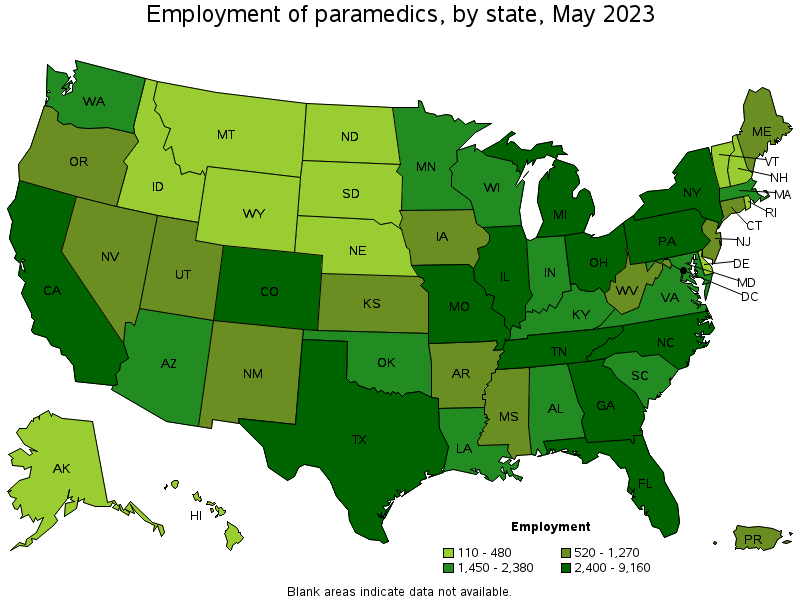
The career outlook for paramedics in California remains positive, with projected growth in EMS employment. This stability, combined with competitive salaries and the opportunity to make a tangible difference in people’s lives, makes paramedicine an attractive career choice. For those who thrive on adrenaline, possess strong problem-solving skills, and have a deep sense of empathy, it’s a profession that offers immense personal satisfaction.
A paramedic’s demanding schedule, often involving long shifts and working holidays, necessitates a strong support system and effective self-care strategies. However, the nature of the work also means blocks of days off, which can be ideal for pursuing hobbies, spending time with family, or embarking on travel adventures. Many paramedics strategically plan their time off to explore California’s national parks, visit bustling cities, or relax at quiet coastal destinations.
The job offers a unique perspective on the state, often taking paramedics into diverse communities and challenging environments. This constant exposure to different parts of California can be an enriching experience, allowing them to witness the state’s beauty and complexity firsthand. Moreover, the strong sense of camaraderie among EMS professionals fosters a supportive community, providing a valuable network for both personal and professional growth.
In conclusion, while “How much do paramedics make in California?” is a complex question with varied answers, the general picture is one of competitive compensation. Paramedics in California can expect to earn salaries that are often above the national average, particularly in metropolitan areas. However, these earnings must be viewed through the lens of the state’s high cost of living. By considering factors such as experience, employer type, specialized certifications, and strategic residential choices, paramedics can carve out a rewarding career that not only provides a vital public service but also enables them to enjoy the vibrant lifestyle, diverse travel, and unique accommodation experiences that the Golden State has to offer. The demanding nature of the job is often balanced by a fulfilling sense of purpose and the financial means to enjoy California’s unparalleled opportunities for adventure and relaxation.
LifeOutOfTheBox is a participant in the Amazon Services LLC Associates Program, an affiliate advertising program designed to provide a means for sites to earn advertising fees by advertising and linking to Amazon.com. Amazon, the Amazon logo, AmazonSupply, and the AmazonSupply logo are trademarks of Amazon.com, Inc. or its affiliates. As an Amazon Associate we earn affiliate commissions from qualifying purchases.