
The Golden State of California stands as an economic titan, not just within the United States but on the global stage. Often described as a country unto itself, its Gross Domestic Product (GDP) frequently surpasses that of many sovereign nations, making it an indispensable engine for the federal government. This immense contribution is not solely a product of its tech giants or agricultural prowess, but is deeply intertwined with its unparalleled allure as a travel destination, a hub for innovative businesses, and a lifestyle beacon that draws millions of visitors and residents alike. Understanding California’s federal contribution requires looking beyond mere tax figures; it necessitates an appreciation for the vast, diverse economic activity generated by its industries, especially its vibrant tourism and hospitality sectors, which fuel prosperity and, consequently, federal revenue streams.

From the sun-drenched beaches of San Diego to the majestic redwoods of the north, and from the bustling streets of Los Angeles to the innovation labs of Silicon Valley, California’s diverse landscapes and dynamic cities create a unique economic ecosystem. This article delves into the various facets of California’s contribution, highlighting how its appeal as a premier destination for travel, accommodation, and lifestyle experiences plays a pivotal role in bolstering the national economy and supporting federal initiatives.
California’s Economic Powerhouse: A Global Magnet for Travel and Investment
California’s economy is a colossus, built upon a foundation of innovation, natural resources, and an irresistible cultural draw. Its GDP consistently ranks among the top five globally, positioning it as a powerful economic entity that generates substantial wealth, employment, and, crucially, tax revenue for the federal government. This economic might stems from a diverse array of sectors, each playing a critical role in its overall prosperity.
Pillars of Prosperity: Beyond Tech and Tinseltown
While California is globally renowned for its leadership in technology (think Silicon Valley’s tech giants) and entertainment (Hollywood‘s film and music industries), its economic base is far broader and more resilient. Agriculture in the Central Valley, for instance, feeds a significant portion of the nation and the world, contributing billions to the economy. Manufacturing, biotechnology, aerospace, and renewable energy are also thriving sectors that create high-paying jobs and drive innovation.
However, a crucial, often underestimated, pillar of California’s economy is tourism. The state’s unparalleled natural beauty, iconic landmarks, and vibrant cultural scene attract millions of domestic and international visitors each year. This influx of tourists directly fuels the hospitality industry, from luxury hotels to budget accommodations, and indirectly supports a vast network of related businesses, including restaurants, retail, transportation, and entertainment venues. The economic activity generated by tourism translates into sales taxes, income taxes from industry employees, and corporate taxes from businesses, all of which ultimately contribute to federal coffers.
The Human Capital and Innovation Engine
California’s ability to attract and retain top talent from around the world is another key driver of its economic prowess. Its world-class universities and research institutions foster an environment of innovation and entrepreneurship, leading to the creation of new industries and businesses. This concentration of human capital results in higher average incomes, which, in turn, lead to higher federal income tax contributions from its residents. The spirit of innovation not only creates wealth but also draws significant business travel and investment, further bolstering the state’s economic output. Conferences, conventions, and business meetings in cities like San Francisco, San Jose, and Los Angeles generate substantial revenue for hotels, event venues, and local businesses, all contributing to the economic cycle that feeds federal tax revenue.
The Golden State’s Magnetic Pull: Tourism, Travel, and Federal Revenue
California’s status as a premier global travel destination is not just about memorable vacations; it’s a significant economic engine that directly and indirectly contributes billions of dollars to the federal government. The sheer volume of visitors, coupled with their spending habits, creates a robust ecosystem of businesses and jobs that generate substantial tax revenue.
Iconic Destinations and Diverse Experiences
The appeal of California lies in its incredible diversity. Travelers can surf the waves near Santa Monica Pier in the morning and ski in the Sierra Nevada mountains by afternoon. From the cultural tapestry of San Francisco with its majestic Golden Gate Bridge and historic Alcatraz Island, to the glamorous Hollywood Hills and thrilling Disneyland Resort in Orange County, the state offers an unparalleled range of attractions. Natural wonders like Yosemite National Park, Redwood National Park, and Death Valley National Park draw outdoor enthusiasts, while the wine regions of Napa Valley entice connoisseurs.
Each visitor to these destinations contributes to the local economy through spending on accommodation, food, transportation, retail, and entertainment. This spending fuels job creation in hotels, restaurants, tour operators, and countless other service industries. These businesses and their employees pay income taxes, corporate taxes, and various other levies that feed directly into federal government funds. The presence of world-renowned theme parks like Universal Studios Hollywood and cultural institutions like the Griffith Observatory further cements California’s status as a tourism powerhouse, with each ticket purchased and souvenir bought adding to the federal tax base.
The Accommodation Sector: A Cornerstone of Contribution
The sheer scale of California’s tourism demands a vast and diverse accommodation sector, which is a significant contributor to federal revenue. From luxurious resorts like The Ritz-Carlton, Laguna Niguel and Waldorf Astoria Beverly Hills, to boutique hotels in San Francisco such as the Four Seasons Hotel San Francisco, and a myriad of vacation rentals and budget-friendly options, the state offers choices for every traveler.
Hotels and other accommodation providers are major employers, generating jobs across various skill levels. These businesses pay corporate taxes on their profits, and their employees contribute through income taxes. Additionally, the construction, maintenance, and operation of these facilities involve numerous other businesses (e.g., suppliers, cleaning services, marketing agencies), creating a ripple effect of economic activity that funnels more tax dollars to the federal government. The demand for diverse lodging, from short-term bookings to long-term stays, also encourages ongoing investment in infrastructure and property development, further stimulating economic growth and tax generation.
Infrastructure and Connectivity: Facilitating Federal Returns
The robust infrastructure that supports California’s vast economy and thriving tourism industry is another indirect yet powerful contributor to federal revenue. Efficient transportation networks, modern airports, and reliable public services are crucial for attracting both businesses and tourists, thereby sustaining the economic activity that translates into federal contributions.
Gateways to the Golden State: Airports and Roadways
California’s major airports, such as Los Angeles International Airport (LAX) and San Francisco International Airport (SFO), are among the busiest in the world. They serve as vital gateways for millions of domestic and international travelers, including tourists, business delegates, and residents. The operations of these airports, including airlines, ground transportation, retail concessions, and related services, generate substantial employment and economic activity, leading to significant tax revenues. Air travel taxes, fuel taxes, and corporate taxes from airlines and airport businesses all flow into federal coffers.
Beyond air travel, California’s extensive network of highways, including iconic routes like the Pacific Coast Highway, facilitates travel across the state, connecting major cities, tourist attractions, and economic centers. Fuel taxes, vehicle sales taxes, and taxes on transportation-related businesses are all sources of federal revenue directly linked to this infrastructure. The maintenance and expansion of these networks also create jobs and stimulate economic activity, contributing further to the federal tax base.
Urban Development and Public Services
The continuous development of California’s urban centers—from Sacramento, the state capital, to bustling metropolises like Oakland and Long Beach—requires significant investment in public services, utilities, and community infrastructure. While many of these are funded by state and local taxes, the economic activity they foster generates income and corporate taxes that benefit the federal government. The high quality of life, public safety, and accessibility in California’s cities are key factors that attract residents, businesses, and tourists, ensuring a continuous cycle of economic growth and federal contribution. This includes everything from public parks and museums to efficient public transportation systems, all contributing to the state’s attractiveness and economic viability.
Quantifying California’s Federal Contribution: A Complex Tapestry of Taxes
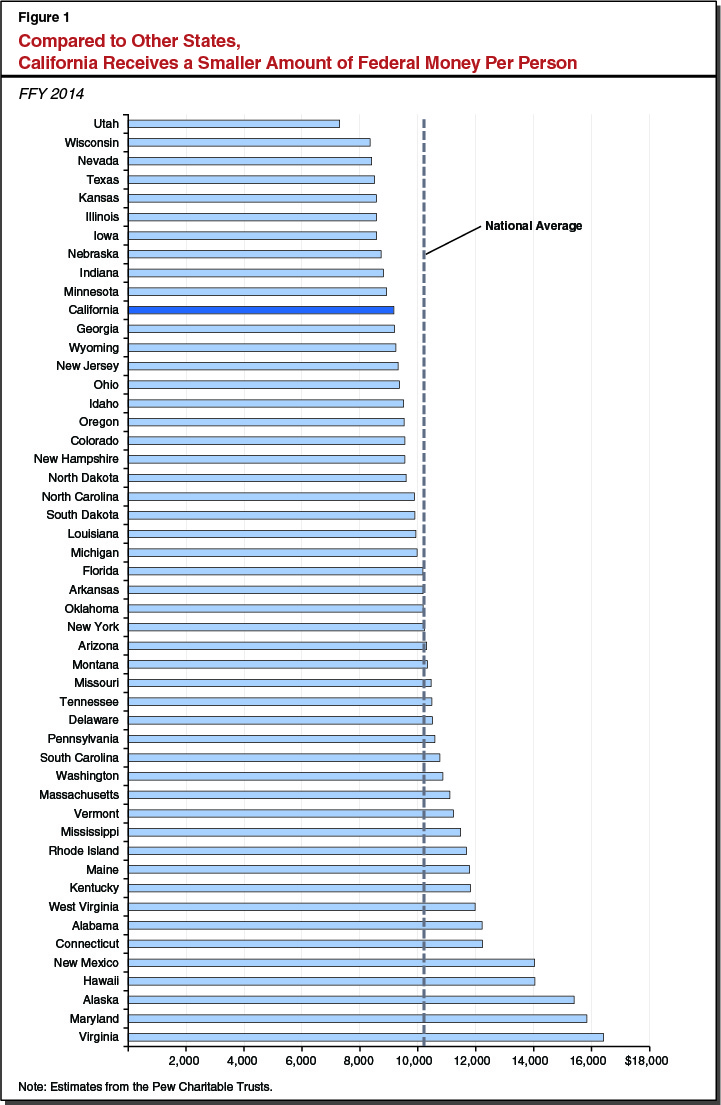
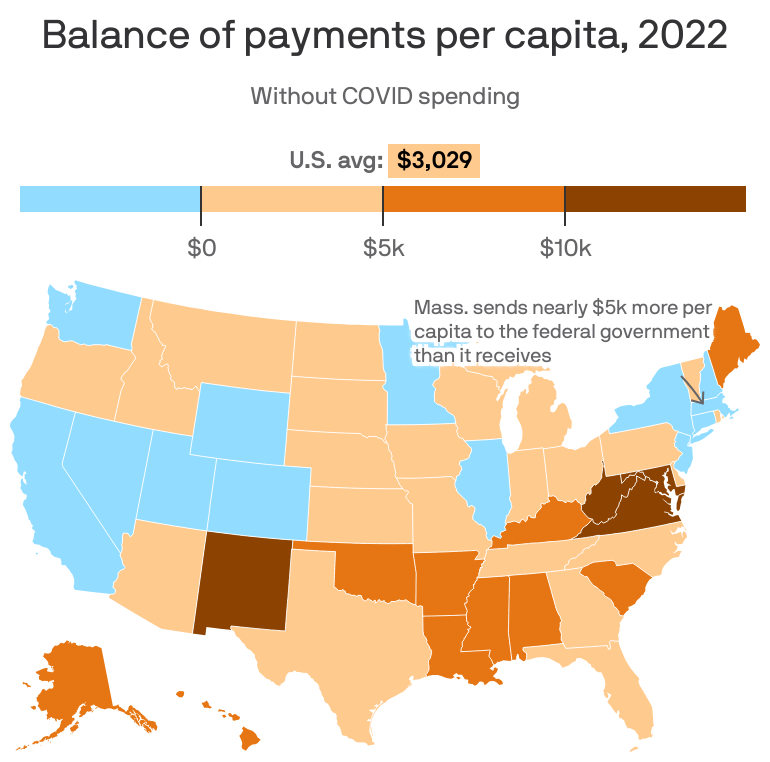
Pinpointing an exact dollar figure for California’s federal contribution is complex, as it involves a myriad of direct and indirect tax streams. However, it is widely acknowledged that California is a “donor state,” meaning it typically sends more in federal taxes to Washington D.C. than it receives back in federal spending.
Direct Tax Contributions
The most straightforward way California contributes is through direct taxes paid by its residents and businesses. These include:
- Federal Income Taxes: With a large, high-earning population, California residents contribute significantly to federal income taxes. The state’s innovative industries and high average salaries ensure a substantial inflow of individual income tax revenue.
- Corporate Taxes: The multitude of Fortune 500 companies and thriving small businesses headquartered or operating within California pay billions in federal corporate taxes on their profits. This includes tech giants, entertainment studios, agricultural conglomerates, and numerous businesses within the tourism and hospitality sectors.
- Payroll Taxes: Employers and employees in California pay federal payroll taxes (Social Security and Medicare), which contribute substantially to federal trust funds. Given the state’s massive workforce, this is a massive contribution.
Indirect Contributions Driven by Economic Activity
Beyond direct taxes, California’s robust economy generates significant indirect contributions:
- Sales and Excise Taxes: While sales taxes are primarily state and local, the economic activity generating those sales (including tourist spending) contributes to the overall national economic health, which supports the federal tax base. Additionally, federal excise taxes on goods like gasoline, tobacco, and alcohol contribute directly.
- Property Taxes (Indirectly): Property taxes are local, but a thriving property market (fueled by economic growth and desirability for residents and businesses) indicates underlying wealth and economic activity that translates into higher incomes and corporate profits, thus higher federal tax payments.
- Investment and Innovation: California’s role as a global innovation hub attracts vast domestic and international investment. This investment creates wealth, jobs, and taxable profits, further bolstering federal revenue. The lifestyle and travel appeal of regions like Palm Springs, Monterey, and Lake Tahoe also attracts real estate investment and development, creating more taxable events.
Year after year, analyses by organizations like the Pew Research Center and the California Legislative Analyst’s Office confirm that California is among the largest net contributors to the federal government. Its residents and businesses contribute tens, if not hundreds, of billions of dollars more than the state receives in federal grants and spending. This fiscal dynamic underscores the profound importance of California’s economic vitality, fueled significantly by its diverse industries, including the colossal impact of its travel and tourism sectors, on the overall financial health of the United States.
Conclusion
California’s contribution to the federal government is immense, multifaceted, and deeply rooted in its status as a global economic and cultural powerhouse. While its tech sector and agricultural output are undeniable drivers, the state’s magnetic appeal as a premier travel destination plays an equally vital, though often less directly quantified, role. The millions of tourists drawn to its iconic landmarks, diverse landscapes, and vibrant cities generate billions in economic activity, supporting a vast ecosystem of hotels, restaurants, attractions, and transportation services. This robust tourism and hospitality sector, combined with thriving industries and a highly skilled workforce, ensures a continuous flow of income, corporate, and payroll taxes to the federal government.
From the picturesque shores of Big Sur to the dynamic urban centers, California offers not just unforgettable experiences but also a testament to how an appealing lifestyle and rich travel opportunities can directly fuel national prosperity. Its position as a net donor state underscores its critical importance to the financial stability and operational capacity of the federal government. As long as California remains a beacon of innovation, a hub for diverse industries, and a dream destination for travelers worldwide, its substantial contribution to the federal government will continue to be a cornerstone of the United States’ economic strength.
LifeOutOfTheBox is a participant in the Amazon Services LLC Associates Program, an affiliate advertising program designed to provide a means for sites to earn advertising fees by advertising and linking to Amazon.com. Amazon, the Amazon logo, AmazonSupply, and the AmazonSupply logo are trademarks of Amazon.com, Inc. or its affiliates. As an Amazon Associate we earn affiliate commissions from qualifying purchases.