
Embarking on a journey through the Golden State promises an unparalleled tapestry of experiences, from the sun-kissed beaches of Southern California to the majestic peaks of the Sierra Nevada. Whether you’re planning an epic road trip along the Pacific Coast Highway, exploring the vibrant cityscapes of Los Angeles and San Francisco, or seeking adventure in Yosemite National Park, understanding the cost of travel is paramount. A significant, yet often overlooked, component of these expenses for most travelers is the gas tax. California consistently ranks among the states with the highest fuel prices in the nation, and a substantial portion of this cost is attributed to various state and federal taxes. For tourists and residents alike, knowing how much of your budget will be allocated to fuel is crucial for planning an enjoyable and financially sound trip.
This article delves into the intricacies of California’s gas tax, breaking down the components that contribute to the price at the pump. We’ll explore why these taxes are levied, where the revenue goes, and critically, how they impact your travel plans, lifestyle choices, and overall experience when exploring this diverse and captivating state. From budgeting for long scenic drives to choosing the most economical accommodation options, the gas tax plays an indirect yet vital role in shaping your California adventure.
Understanding California’s Gas Tax Landscape
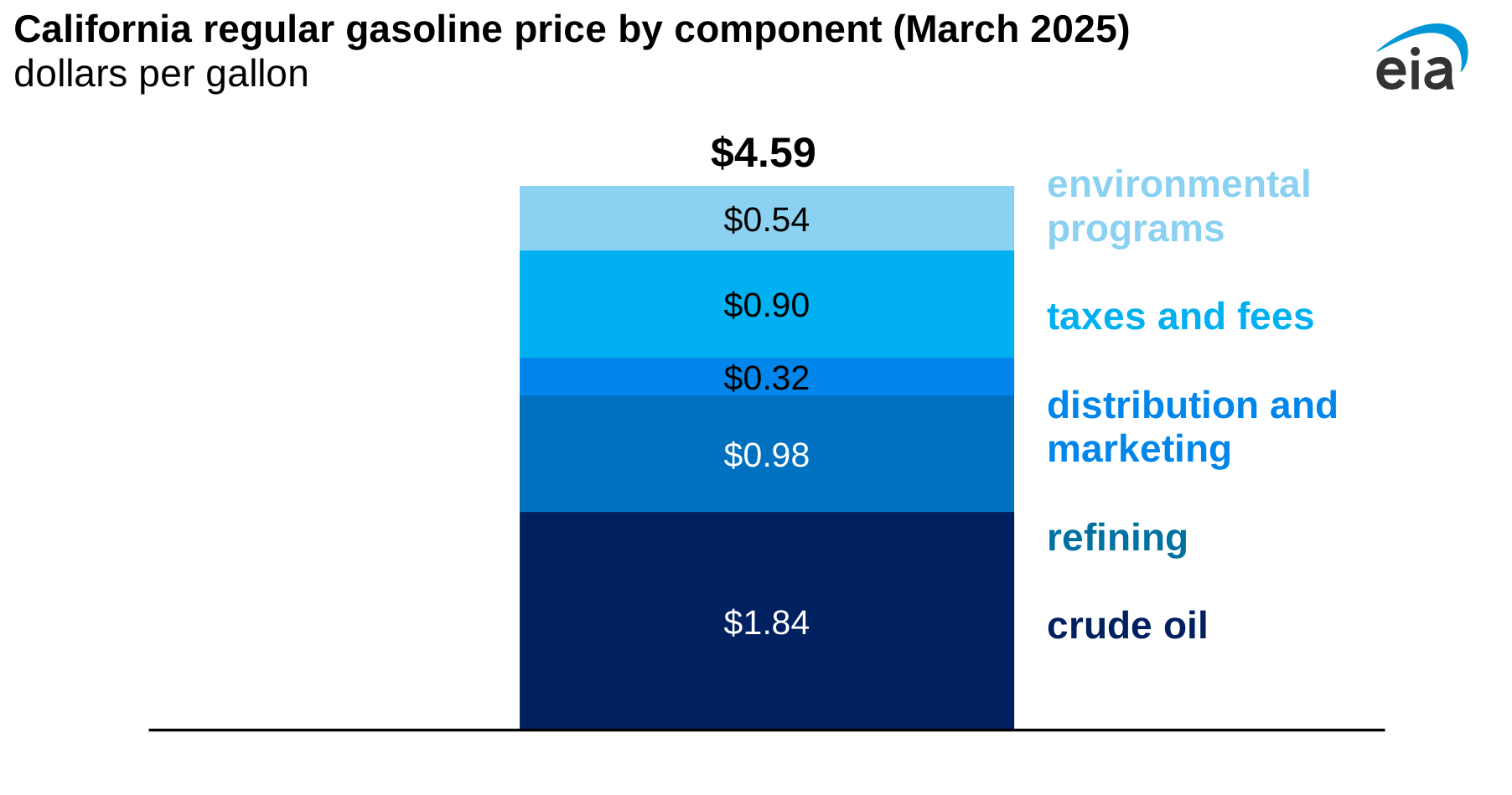
The price of a gallon of gasoline in California isn’t just the cost of crude oil and refinery operations; it’s a complex blend of various taxes and fees. These charges are designed to fund a wide array of public services, primarily focusing on transportation infrastructure, but also extending to environmental initiatives and other state programs.
The Current Gas Tax Rate
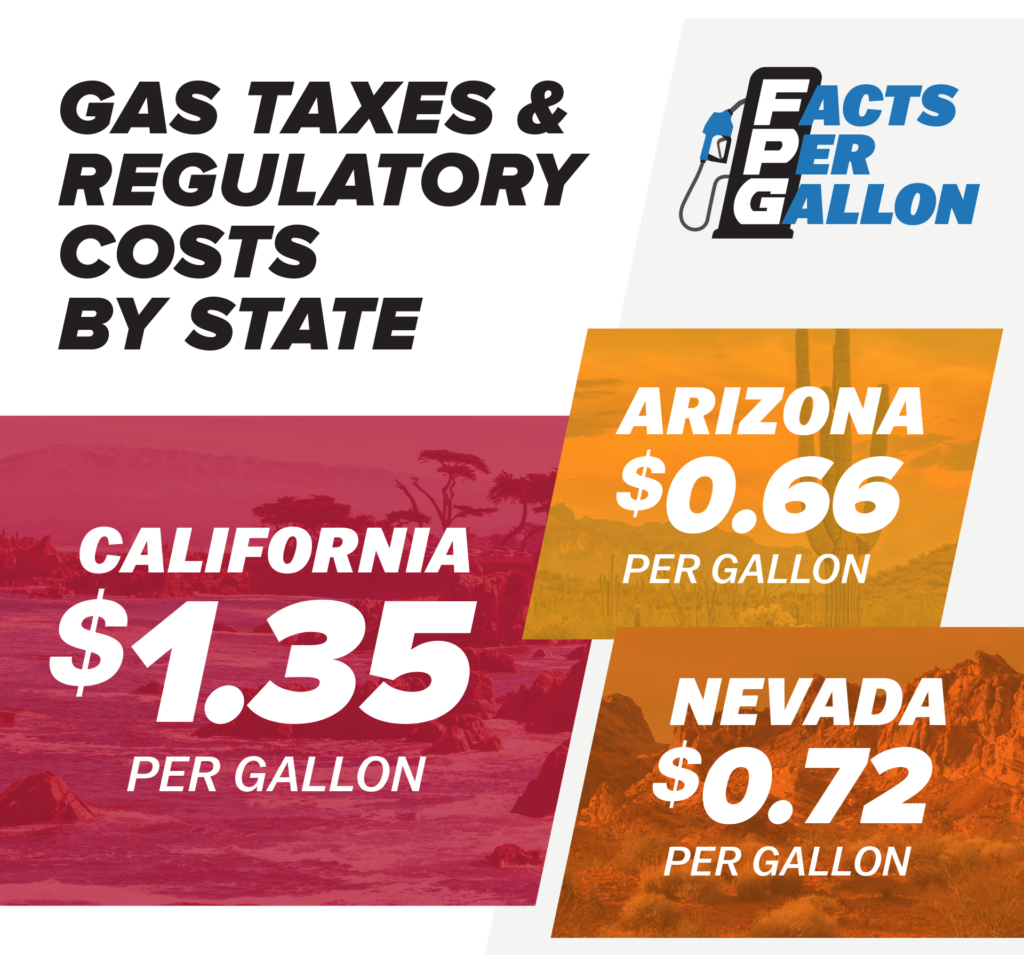
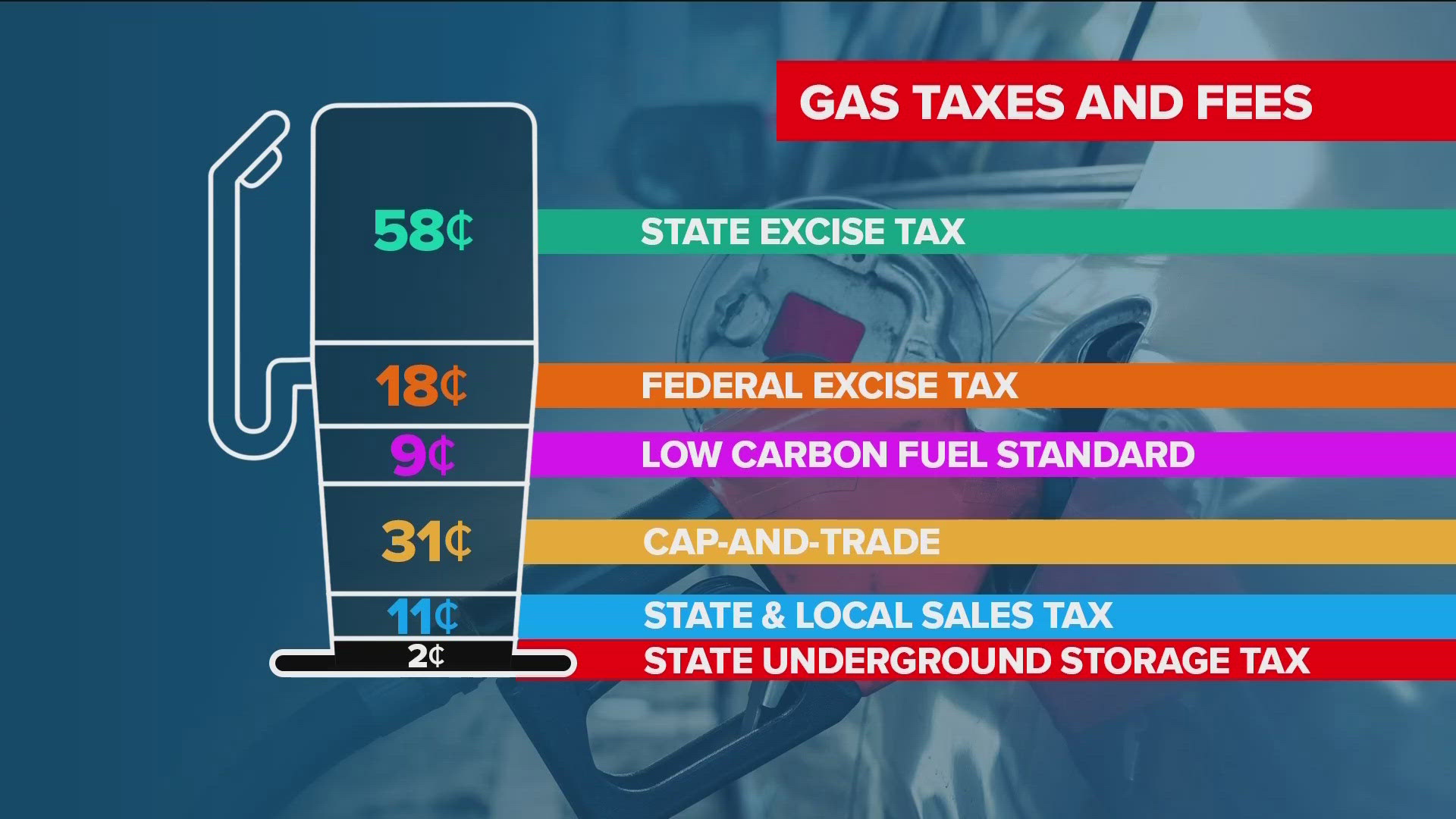
As of recent adjustments, the total gas tax in California is comprised of several distinct components. The most significant is the state excise tax, which is a flat rate applied per gallon. This figure is adjusted periodically to account for inflation and revenue needs. In addition to the state excise tax, consumers also pay a sales tax on gasoline, which is unique in that it’s applied to the total price, including the federal excise tax and the state excise tax. This “tax on a tax” further elevates the pump price.
Beyond these primary taxes, there are also various environmental fees, such as the Cap-and-Trade Program costs and the Low Carbon Fuel Standard. These programs aim to reduce greenhouse gas emissions and promote cleaner fuels, aligning with California’s ambitious environmental goals. While their impact per gallon might seem small individually, cumulatively they add several cents to the final price. The federal excise tax, a nationwide charge, is also included, contributing a uniform amount to gas prices across all states. When you combine the state excise tax, sales tax, Cap-and-Trade fees, Low Carbon Fuel Standard costs, and the federal tax, California travelers face one of the highest total gas tax burdens in the United States. It’s not uncommon for these combined taxes and fees to add over $1.00 to $1.20 per gallon, significantly impacting the overall cost of a road trip.
Why the High Tax? Funding Infrastructure and Public Services
The primary rationale behind California’s elevated gas taxes is the critical need for robust funding for its vast and heavily utilized transportation infrastructure. With over 39 million residents and millions of annual tourists, the state’s roads, bridges, and public transit systems experience immense wear and tear. The revenue generated from gas taxes is specifically earmarked for projects that maintain, repair, and expand this infrastructure. This includes fixing potholes, repaving highways, improving interchanges, and ensuring the safety and efficiency of critical arteries like Interstate 5 and U.S. Route 101.
Beyond road maintenance, a portion of the tax revenue also supports public transportation initiatives, such as the expansion of light rail systems in cities like Los Angeles, San Francisco, and San Diego, and the improvement of bus services. These investments not only benefit daily commuters but also offer viable alternative transportation options for travelers looking to mitigate fuel costs, particularly in dense urban environments. Furthermore, a significant share of the gas tax goes towards environmental programs aimed at combating climate change, reducing air pollution, and promoting sustainable practices. While these taxes contribute to higher pump prices, they also directly fund the very infrastructure and environmental protections that enhance the travel experience and preserve California’s natural beauty for future generations.
A Historical Perspective
The history of California’s gas tax is one of continuous evolution, driven by economic shifts, population growth, and changing environmental priorities. For decades, the state’s gas tax remained relatively stagnant, leading to a significant backlog in infrastructure repairs and upgrades. This changed dramatically with the passage of Senate Bill 1 (SB 1), also known as the Road Repair and Accountability Act of 2017. This landmark legislation significantly increased the state’s fuel excise tax and vehicle registration fees to generate billions of dollars for crucial transportation projects.
The intent of SB 1 was to provide a dedicated, substantial funding source to address deferred maintenance on state highways, local streets, and bridges, as well as to improve public transit options. Since its implementation, the gas tax rate has been subject to annual adjustments to keep pace with inflation and maintain the purchasing power of the revenue generated. These historical changes underscore a commitment to modernizing California’s infrastructure, recognizing that a robust transportation network is essential for both the economy and the quality of life, including the vibrant tourism sector. Understanding this background helps travelers appreciate that the higher costs at the pump are an investment in the very roads and scenic routes they utilize to explore the state.
The Impact on Travelers and Tourists in California
For anyone planning to explore the diverse landscapes and attractions of California, the gas tax is more than just a line item on a budget spreadsheet; it’s a factor that influences decisions from itinerary planning to accommodation choices.
Budgeting for Road Trips and Scenic Drives
California is synonymous with iconic road trips, from the winding coastal beauty of Big Sur to the desert expanses leading to Joshua Tree National Park or Death Valley National Park. These adventures, while unforgettable, are often fuel-intensive. The state’s high gas tax means that the cost of traversing long distances can quickly add up. For example, a drive from San Diego to San Francisco is roughly 500 miles. Depending on your vehicle’s fuel efficiency, this could easily require 2-3 tanks of gas, significantly increasing the overall travel expense.
Travelers planning extensive itineraries should factor in these higher fuel costs from the outset. Rather than just estimating mileage, it’s wise to research current gas prices in different regions of California (prices can vary, sometimes significantly, between urban centers and remote areas or popular tourist destinations like Lake Tahoe or Napa Valley). Incorporating an adequate fuel budget can prevent unexpected expenses from cutting into funds allocated for attractions, dining, or experiences. This careful planning ensures that the joy of discovery isn’t overshadowed by financial concerns, allowing travelers to fully immerse themselves in the beauty of routes like Route 66’s California segment or the majestic drive through Redwood National Park.
Choosing Transportation and Accommodation
The prevailing gas prices, heavily influenced by the gas tax, can also sway decisions regarding transportation methods and where travelers choose to stay. For those flying into a major hub like Los Angeles International Airport or San Francisco International Airport, the cost of a rental car, coupled with high fuel prices, might make alternative options more appealing. In densely populated areas, opting for ride-sharing services, taxis, or public transit systems like LA Metro or San Francisco Muni could prove more economical and convenient, especially for short-distance sightseeing.
When it comes to accommodation, the gas tax indirectly encourages travelers to seek lodging closer to their primary attractions or within walkable/transit-friendly neighborhoods. Staying at a hotel near Disneyland Resort, such as the Disneyland Hotel or Disney’s Grand Californian Hotel & Spa, might come with a higher nightly rate but could offset significant daily fuel costs and parking fees if driving to and from attractions. Similarly, choosing an apartment in Hollywood or a boutique hotel in Fisherman’s Wharf can reduce the need for extensive driving. For those on a Budget Travel plan, balancing cheaper accommodation farther out with higher daily fuel costs is a common conundrum that requires careful calculation.
Exploring California’s Diverse Regions
California’s geographic diversity is one of its greatest assets, offering everything from deserts to mountains, bustling cities to tranquil coastlines. The impact of the gas tax can subtly influence which regions travelers prioritize or how they structure their visits. Exploring the sprawling urban centers of Southern California, which include destinations like San Diego, Anaheim, and Long Beach, often involves significant local driving to visit attractions like Disneyland, Universal Studios Hollywood, or the Santa Monica Pier. The cumulative fuel cost for these multi-stop itineraries can be considerable.
Conversely, some travelers might lean towards concentrating their exploration in regions that are more compact or offer better public transport, such as San Francisco with its iconic cable cars and walkable neighborhoods, or focused trips to natural landmarks like Yosemite National Park or Sequoia National Park, where most driving is confined to a specific area. Northern California’s wine country in Napa Valley or the dramatic Mendocino Coast also require driving, but perhaps fewer lengthy inter-city transfers. The Central Valley, while offering its own unique attractions, might be seen as a transit corridor rather than a primary destination for some due to its distance from major coastal or mountain attractions, requiring a significant fuel investment to traverse. Understanding regional gas price variations and the density of attractions can help tailor a more cost-effective and enjoyable journey.
Strategies for Savvy California Travelers
Navigating California’s high gas prices doesn’t have to deter your travel dreams. With a few strategic approaches, you can significantly mitigate the impact of the gas tax on your budget.
Fuel Efficiency and Vehicle Choice
One of the most effective ways to save on fuel costs is to prioritize fuel efficiency. If you’re renting a car, opt for a compact or mid-size sedan, or a hybrid vehicle, rather than a large SUV, unless absolutely necessary for passenger or cargo space. Rental companies often offer a range of vehicle types, and the fuel savings from a more efficient car can quickly outweigh any slight difference in daily rental rates. Before embarking on your trip, perform basic maintenance on your personal vehicle, such as checking tire pressure and ensuring proper engine tune-up, as these factors directly affect fuel economy. Driving smoothly, avoiding rapid acceleration and hard braking, also contributes significantly to better gas mileage. For those considering long-term stays or frequent visits, exploring electric vehicles (EVs) or plug-in hybrids (PHEVs) becomes an increasingly attractive option, especially given California’s extensive charging infrastructure and incentives for clean air vehicles.
Planning Routes and Stops
Strategic route planning can minimize unnecessary driving and maximize fuel efficiency. Utilize GPS apps that offer the shortest or most fuel-efficient routes, and consider consolidating errands or attractions that are geographically close to each other. Planning your fuel stops can also yield savings. Gas prices can vary significantly between different cities, and even between gas stations within the same city. Apps like GasBuddy or Waze can help you locate stations with the lowest prices along your route. It’s often advisable to fill up outside of major tourist areas, like near Beverly Hills or close to Disneyland, where prices tend to be inflated. Filling up before entering a national park like Yosemite National Park or Joshua Tree National Park is also a smart move, as gas stations within or immediately adjacent to parks often charge a premium.
Exploring Alternatives to Driving
While California is undeniably a state best explored by car for many of its iconic routes, major metropolitan areas offer excellent alternatives. In San Francisco, the Muni system (buses, streetcars, cable cars, and BART) can efficiently get you to landmarks like the Golden Gate Bridge, Alcatraz Island, and Fisherman’s Wharf. Los Angeles has an expanding Metro rail and bus system, which is great for navigating specific districts like Hollywood, Downtown LA, and Pasadena.
For shorter distances, consider walking or cycling, especially in pedestrian-friendly cities like Santa Barbara, Carmel-by-the-Sea, or Solvang. Ride-sharing services like Uber and Lyft are also widely available and can be cost-effective for group travel or when parking is expensive or scarce. Exploring these alternatives can significantly reduce your overall reliance on a personal vehicle and, consequently, your fuel expenditure, allowing for a more relaxed and immersive travel experience.
Budget-Friendly Travel Tips Beyond Gas
While gas tax is a key consideration, savvy travelers look for savings across all aspects of their trip. For accommodation, consider staying in apartments or villas with kitchen facilities to save on dining out. Booking in advance, especially during peak seasons, can secure better rates for hotels or resorts. Websites offering reviews and comparisons can help find hidden gems. Look for attractions that offer free admission, such as hiking trails in state parks, scenic beaches, or city parks like Golden Gate Park. Many museums also offer free days or discounted entry. For families, seeking out family trips that combine activities and budget-friendly options, like exploring the San Diego Zoo or Legoland California with packed lunches, can make a difference. Focusing on local experiences, exploring smaller towns, and taking advantage of picnic spots overlooking breathtaking views can offer priceless memories without the hefty price tag, exemplifying the essence of Budget Travel in California.
The Future of Gas Tax and California Travel
The landscape of gas tax in California is not static; it’s subject to ongoing debates, environmental imperatives, and technological advancements that will inevitably reshape its structure and impact on travel.
Shifting Towards Electric Vehicles
California has been at the forefront of the electric vehicle (EV) revolution, setting ambitious goals for transitioning away from gasoline-powered cars. The state aims to ban the sale of new gasoline vehicles by 2035, a policy that will profoundly alter the long-term revenue streams from the gas tax. As more drivers switch to EVs, the traditional gas tax, which funds vital infrastructure, will naturally decline. This shift necessitates new funding mechanisms to maintain roads and bridges. Discussions are already underway regarding potential alternatives, such as mileage-based user fees (MBUF) or vehicle-miles-traveled (VMT) taxes, where drivers pay based on the distance they travel, regardless of fuel type.
For travelers, this transition means a future where “fueling up” might involve charging an EV at a dedicated station at a hotel like The Ritz-Carlton Laguna Niguel or a public charging hub, rather than a gas station. While the upfront cost of EVs can be higher, the savings on fuel (electricity is generally cheaper than gasoline, especially when factoring in the gas tax) and potential incentives can make them an attractive option for frequent California explorers. The growing network of charging stations, from major cities to national parks, makes EV travel increasingly feasible, promising a cleaner and potentially more cost-effective way to navigate the state in the decades to come.
Potential Changes and Ongoing Debates
The gas tax remains a politically charged topic in California. While its proponents emphasize its necessity for maintaining critical infrastructure and achieving environmental goals, critics often point to its regressive nature and the burden it places on low-income residents and businesses. Consequently, there are continuous debates and legislative proposals aimed at reforming the tax structure. These discussions often revolve around finding a balance between funding essential services, ensuring fairness, and encouraging sustainable practices.
Future changes could include further adjustments to the excise tax rate, the introduction of new fees, or the implementation of innovative revenue-generating models tailored to a changing transportation landscape. For travelers, staying informed about these potential changes is wise, as they could impact travel costs and planning. Regardless of the specific mechanisms, the underlying principle will likely remain: maintaining California’s extensive and crucial transportation network requires significant and dedicated funding. These ongoing debates underscore the dynamic nature of travel costs in the state, making adaptable planning an essential skill for any California adventurer.
Navigating California is an experience rich with discovery and adventure, but understanding its unique cost structure, particularly the gas tax, is fundamental to a smooth journey. While the gas tax might add to the expense of your road trip, it’s an investment in the very infrastructure that makes exploring this magnificent state possible and enjoyable. By being informed, planning strategically, and considering alternative transportation, you can effectively manage these costs and ensure your California adventure is as memorable as it is financially sound. From the bustling streets of Los Angeles to the serene beauty of Lake Tahoe, a well-planned trip allows you to focus on the experiences, rather than the price at the pump.
LifeOutOfTheBox is a participant in the Amazon Services LLC Associates Program, an affiliate advertising program designed to provide a means for sites to earn advertising fees by advertising and linking to Amazon.com. Amazon, the Amazon logo, AmazonSupply, and the AmazonSupply logo are trademarks of Amazon.com, Inc. or its affiliates. As an Amazon Associate we earn affiliate commissions from qualifying purchases.