
California, a land of unparalleled beauty and endless opportunity, draws millions of visitors annually, from the sun-kissed beaches of Southern California to the majestic redwoods of the north, and from the vibrant urban pulse of Los Angeles to the iconic vistas of San Francisco. This dynamic appeal fuels a thriving tourism and hospitality industry, making the Golden State a global leader in travel experiences. However, behind every luxurious resort stay, every exhilarating adventure tour, and every seamless booking, lies a complex operational framework. A critical, yet often overlooked, component of this framework for businesses is workers’ compensation insurance. For anyone contemplating opening a new boutique hotel, expanding a tour operation, or simply understanding the economic landscape of California‘s travel sector, grasping the nuances of workers’ compensation costs is paramount.
While the topic of insurance might not immediately evoke images of scenic Napa Valley vineyards or the glittering lights of Hollywood, it is an intrinsic part of ensuring the sustainability and ethical operation of any business employing staff in the state. From the front-desk agent greeting guests at a San Diego resort to the chef preparing gourmet meals in a Michelin-starred restaurant in Beverly Hills, and from the housekeeping team meticulously preparing rooms in a Santa Monica hotel to the guides leading excursions in Yosemite National Park, every employee deserves a safe working environment and protection in case of injury. This article delves into the crucial question of “How much is workers’ compensation insurance in California?” – dissecting the factors that influence costs and offering strategic insights specifically tailored for the vibrant travel, accommodation, and lifestyle businesses that define the California experience.
The Imperative of Workers’ Compensation in California’s Vibrant Tourism Sector
The tourism and hospitality sector in California is incredibly diverse, encompassing everything from expansive luxury resorts to charming bed and breakfasts, from adrenaline-pumping theme parks like Disneyland to serene wellness retreats, and from bustling urban eateries to remote eco-lodges. Despite their varied offerings, these enterprises share a common responsibility: the well-being of their employees. Workers’ compensation insurance isn’t merely a bureaucratic hoop; it’s a vital safety net that underpins the stability and ethical reputation of the industry.
Understanding Workers’ Comp: A Cornerstone of Employee Safety and Business Stability
At its core, workers’ compensation insurance provides medical benefits and wage replacement for employees who suffer work-related injuries or illnesses, regardless of fault. In exchange for these benefits, employees typically waive their right to sue their employer for negligence. This “no-fault” system is a foundational element of employment law in California, making coverage legally mandatory for virtually all employers, even those with only one employee. For businesses in the travel and accommodation sectors, this translates into protection for a wide array of roles, from the physically demanding tasks of baggage handling and cleaning to the customer-facing roles that involve constant interaction and occasional stress.
Consider the dynamic environment of a resort: a housekeeper might slip on a wet floor, a kitchen staff member could suffer a burn, or a concierge could experience carpal tunnel syndrome from extensive computer use. Without workers’ compensation, the financial burden of medical treatment and lost wages for these incidents would fall directly on the business, potentially crippling its finances. With proper coverage, both the employee receives the care they need to recover, and the business is shielded from devastating lawsuits and unpredictable expenses, ensuring its continued operation and ability to serve its guests. It embodies a commitment to safety and provides peace of mind, not just for the staff, but for the entire operational ecosystem.
Who Needs Coverage? From Boutique Hotels to Adventure Tour Operators
The scope of businesses requiring workers’ compensation in California’s tourism landscape is expansive. Any entity that employs one or more individuals, whether full-time, part-time, seasonal, or even temporary, must secure coverage. This includes:
- Hotels, Resorts, and Accommodation Providers: From global chains like Hilton and Marriott in San Francisco’s bustling Union Square to independent boutique hotels in Palm Springs or charming guesthouses along the Big Sur coast. This includes front desk staff, concierges, housekeepers, maintenance teams, chefs, serving staff, valets, and administrative personnel.
- Restaurants and Food Services: Whether it’s a gourmet dining experience in Napa Valley, a casual cafe in Santa Cruz, or a bustling food truck in Los Angeles, kitchen staff, servers, bartenders, hosts, and delivery drivers all require coverage.
- Tour Operators and Activity Providers: Companies offering everything from Hollywood studio tours and San Francisco city explorations to whitewater rafting adventures, whale watching excursions, or vineyard tours. Guides, drivers, booking agents, equipment handlers, and administrative staff fall under this umbrella.
- Travel Agencies and Booking Platforms: While many roles might seem office-based, these businesses still employ staff who require protection.
- Event Venues and Convention Centers: From the Los Angeles Convention Center to smaller private event spaces, staff involved in setup, catering, security, and guest services are covered.
- Spa and Wellness Centers: Therapists, aestheticians, receptionists, and support staff in spas within hotels or standalone establishments.
The breadth of these operations highlights that workers’ compensation is not a niche concern but a universal requirement shaping the financial landscape of California’s tourism and lifestyle economy.
Deciphering the Cost: What Influences Workers’ Comp Premiums in the Golden State?
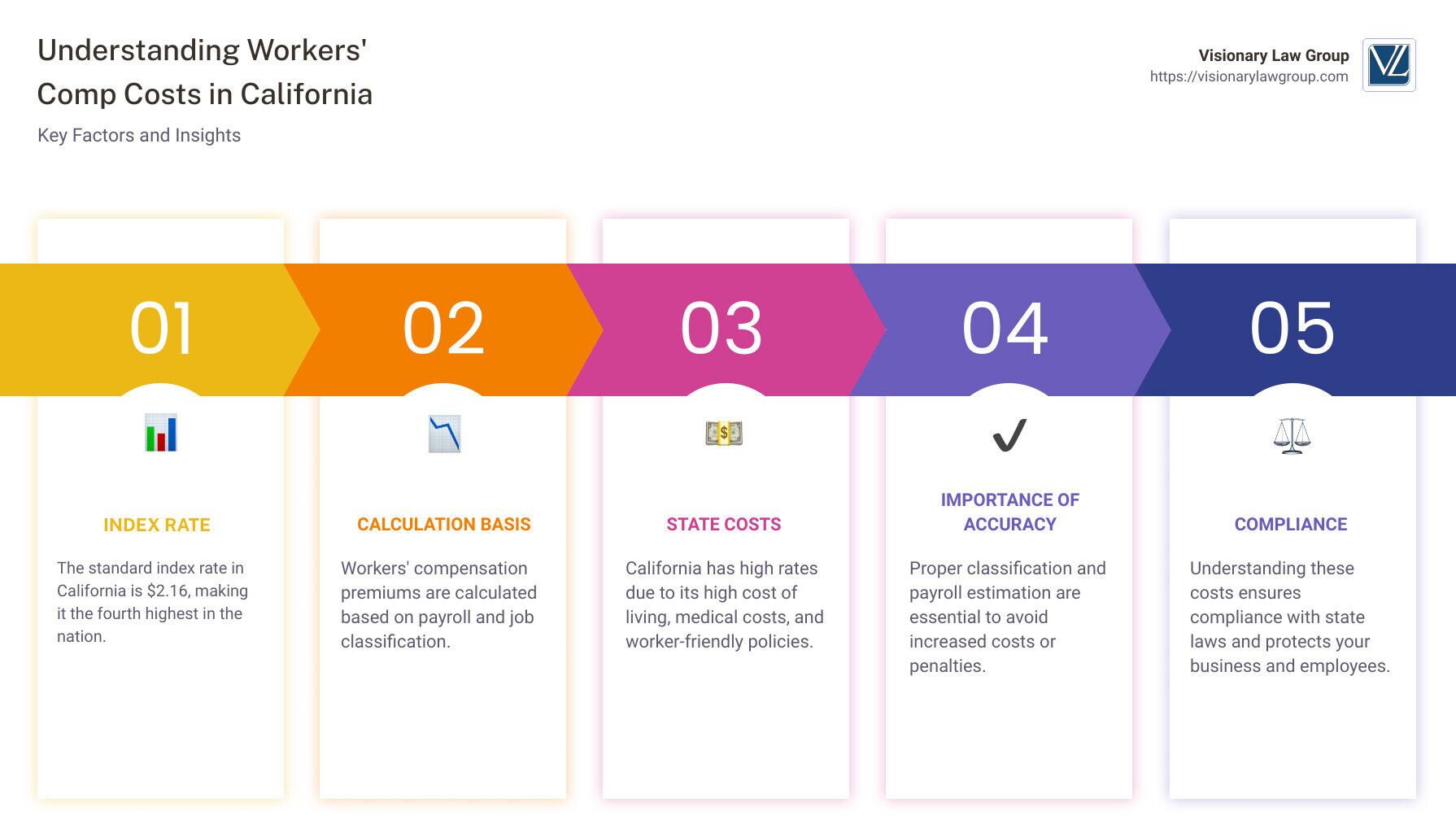
The question “How much is workers’ compensation insurance in California?” doesn’t have a single, simple answer. Premiums are highly individualized, fluctuating based on a multitude of factors specific to each business. Unlike some other forms of insurance, workers’ comp rates are not set by the state; rather, individual insurance carriers compete to offer policies. However, the California Department of Insurance and the Workers’ Compensation Insurance Rating Bureau of California (WCIRB) provide extensive data and rating classifications that influence these rates. Understanding these key variables is crucial for any business owner operating in the state’s dynamic travel and hospitality market.
Industry Classification: Risk Levels Across the Hospitality Spectrum
One of the most significant determinants of premium costs is the classification code assigned to your business and its employees. The WCIRB assigns codes based on the nature of the work performed, and each code carries a base “pure premium rate” reflecting the inherent risk of injury for that type of job. For the travel and hospitality sector, this means a wide range of classifications:
- Lower-Risk Roles: Office workers, administrative staff, and reservation agents typically fall under lower-risk classifications.
- Moderate-Risk Roles: Hotel housekeepers, kitchen staff, servers, front-desk personnel, and retail clerks in gift shops often have moderate risk classifications due to tasks involving lifting, standing, potential slips, and customer interaction.
- Higher-Risk Roles: Employees involved in maintenance (e.g., repairing elevators, HVAC systems), construction within a resort, or adventure tour guides (e.g., operating watercraft, leading hikes in rugged terrain) will generally have higher classification codes and, consequently, higher pure premium rates due to the increased likelihood of serious injury. A zip-lining instructor in Lake Tahoe, for instance, will be classified very differently from a sommelier in a San Francisco restaurant.
The proportion of your payroll allocated to each classification code significantly impacts your overall premium. A small boutique hotel with minimal staff and no adventurous activities will have a vastly different risk profile, and thus premium structure, than a sprawling resort offering a wide range of activities, from watersports to horseback riding.
Payroll Size and Claims History: The Financial Footprint
Beyond classification, two other critical factors heavily influence your workers’ compensation premiums:
- Total Annual Payroll: This is straightforward – the more you pay your employees, the higher your premium will generally be. The pure premium rate for each classification is applied per $100 of payroll. So, a hotel with a $1 million annual payroll will pay more than a guesthouse with a $200,000 payroll, assuming similar risk classifications. This means that a growing hotel chain expanding its presence across California will see its workers’ comp costs naturally increase with its expansion and new hires.
- Experience Modification Rate (Mod Rate or X-Mod): This is perhaps the most crucial factor for established businesses. The X-Mod is a numerical factor that adjusts your premium up or down based on your company’s past claims history compared to other businesses of similar size and industry.
- An X-Mod of 1.0 is considered average.
- An X-Mod below 1.0 (e.g., 0.85) means you have a better-than-average safety record and fewer claims, resulting in a discount on your premium.
- An X-Mod above 1.0 (e.g., 1.20) indicates a worse-than-average safety record and more claims, leading to a surcharge on your premium.
Your X-Mod is recalculated annually, typically based on three years of claims data (excluding the most recent year). A hotel that consistently invests in safety training, ergonomic equipment, and effective return-to-work programs can significantly lower its X-Mod over time, translating into substantial savings. Conversely, a resort with a high incidence of workplace injuries will see its premiums escalate dramatically.
Location, Coverage Limits, and Deductibles: Tailoring Your Policy
While not as impactful as industry classification or claims history, other elements can subtly affect your workers’ comp costs:
- Location within California: While the core rating structure is statewide, certain regions might present slightly different actuarial data for specific types of businesses, though this is usually minor compared to other factors. More importantly, differing local economic conditions might influence average payrolls, which in turn affect premium calculations.
- Coverage Limits and Deductibles: Unlike general liability or property insurance, workers’ comp coverage limits are largely dictated by state law. However, some policies might offer options for higher limits for certain aspects (though less common for the statutory benefits). Deductibles, where available, allow a business to pay a portion of each claim out-of-pocket in exchange for a lower premium. This can be a viable strategy for businesses with strong safety records and the financial capacity to self-insure minor claims, such as a stable hotel group with multiple properties.
- Specific Insurance Carrier: Each insurance company has its own underwriting guidelines, overhead, and appetite for risk, which means quotes can vary considerably between providers. Shopping around and comparing offers from multiple carriers is always a wise strategy.
Strategic Approaches to Managing Workers’ Comp Costs for California Travel Businesses
For businesses entrenched in California’s vibrant travel and hospitality scene, managing workers’ compensation costs is not just about compliance; it’s a strategic imperative that directly impacts profitability and long-term sustainability. Proactive measures can transform what might seem like an unavoidable expense into an investment in employee welfare and operational efficiency.
Prioritizing Safety: The Ultimate Cost-Saving Strategy
The most effective way to control workers’ compensation costs is to prevent injuries and illnesses from happening in the first place. This commitment to safety should be woven into the very fabric of your business operations, from the smallest Airbnb host managing cleaning staff to the largest international hotel chain.
- Robust Safety Programs and Training: Implement comprehensive safety training for all employees, tailored to their specific roles. For example, hotel housekeeping staff need training on proper lifting techniques for beds and linen, using cleaning chemicals safely, and identifying slip hazards. Kitchen staff require training on knife safety, fire prevention, and handling hot equipment. Tour guides need emergency response training, first aid certification, and protocols for managing risks inherent in outdoor activities (e.g., hiking in Death Valley or water sports along the Pacific Coast).
- Regular Risk Assessments: Periodically assess your workplace for potential hazards. This could involve inspecting equipment, identifying ergonomic issues in office or reception areas, or reviewing routes for walking tours. Addressing these proactively can prevent incidents before they occur.
- Provide Proper Equipment: Ensure employees have access to and are trained to use appropriate personal protective equipment (PPE), such as non-slip footwear, gloves, back braces (where appropriate and recommended), and safety goggles. This is especially crucial for maintenance teams working at any California property, from an upscale Four Seasons resort to a charming historic inn.
- Foster a Safety Culture: Encourage employees to report unsafe conditions or near-misses without fear of reprisal. A workplace culture that values safety empowers employees to be part of the solution, contributing to a healthier and more cost-effective environment.
Smart Policy Management: Audits, Discounts, and Provider Selection
Beyond preventing incidents, shrewd management of your workers’ compensation policy itself can yield significant savings.
- Accurate Payroll Audits and Classification: Ensure your payroll is accurately categorized according to WCIRB classification codes. Misclassifying employees (e.g., putting a maintenance worker under an administrative code) can lead to penalties or incorrect premiums. Regular internal audits and clear communication with your insurance broker are vital to confirm that your payroll figures and job classifications are correct, especially as your business evolves or new roles are introduced within your California property.
- Explore Available Discounts: Many insurance carriers offer discounts for businesses with strong safety records, certified safety programs, or drug-free workplace initiatives. Inquire about these potential savings.
- Shop Around and Compare Quotes: Do not settle for the first quote you receive. Obtain quotes from multiple reputable insurance carriers specializing in workers’ compensation in California. Utilize the expertise of an experienced insurance broker who understands the intricacies of the hospitality and travel industry and can advocate on your behalf to find the most competitive rates and comprehensive coverage.
- Understand Your X-Mod: Regularly review your Experience Modification Rate and understand the data behind it. Challenge any inaccuracies in claims data that might inflate your X-Mod.
Navigating Claims Effectively: From Incident to Resolution
Even with the best safety programs, accidents can happen. How your business manages these incidents can have a profound impact on your X-Mod and, consequently, your future premiums.
- Prompt Reporting: Ensure all workplace injuries are reported immediately to the appropriate personnel and documented thoroughly. Delay in reporting can complicate claims and potentially increase costs. A speedy response, whether for a minor sprain at a Disneyland area hotel or a more serious incident on a Golden Gate Bridge tour, is critical.
- Thorough Investigation and Documentation: Conduct a thorough investigation of every incident to understand its root cause. Document everything, including witness statements, photos, and any corrective actions taken. This information is crucial for claim processing and for preventing similar incidents in the future.
- Effective Return-to-Work Programs: Implementing a “light duty” or modified-work program allows injured employees to return to work sooner, even if they can’t perform their full duties. This not only aids in the employee’s recovery and morale but also significantly reduces the duration of lost wage payments, which directly impacts claims costs and your X-Mod. A hotel might find a temporary administrative role for a front-desk agent with a sprained ankle, for example.
- Communicate with All Parties: Maintain open communication with the injured employee, their medical providers, your insurance carrier, and your workers’ compensation adjuster. Proactive communication helps expedite the claims process and ensures everyone is aligned towards a positive resolution.
In conclusion, while the question “How much is workers’ compensation insurance in California?” is multifaceted, understanding its drivers and implementing strategic management practices is essential for any business thriving in the state’s travel and hospitality sector. By prioritizing safety, diligently managing policies, and effectively handling claims, businesses can not only navigate these essential costs but also contribute to a safer, more sustainable, and ultimately more successful future for California’s renowned tourism industry. It’s an investment in both your people and your bottom line, ensuring that the Golden State continues to be a welcoming and vibrant destination for both visitors and those who work tirelessly to serve them.
LifeOutOfTheBox is a participant in the Amazon Services LLC Associates Program, an affiliate advertising program designed to provide a means for sites to earn advertising fees by advertising and linking to Amazon.com. Amazon, the Amazon logo, AmazonSupply, and the AmazonSupply logo are trademarks of Amazon.com, Inc. or its affiliates. As an Amazon Associate we earn affiliate commissions from qualifying purchases.