
Stepping into a redwood forest is like entering a living cathedral, a realm where time itself seems to slow, dwarfed by the immense presence of nature’s most enduring titans. The air, thick with the scent of damp earth and ancient wood, hums with a profound stillness, punctuated only by the whisper of the wind high above. These majestic California Redwoods stand as silent sentinels, bearing witness to millennia of history, geological shifts, and human endeavor. For travelers seeking a profound connection with the natural world, a journey to these iconic landmarks on the Pacific Coast is an unparalleled experience, blending adventure, serenity, and a deep appreciation for the planet’s ecological wonders.
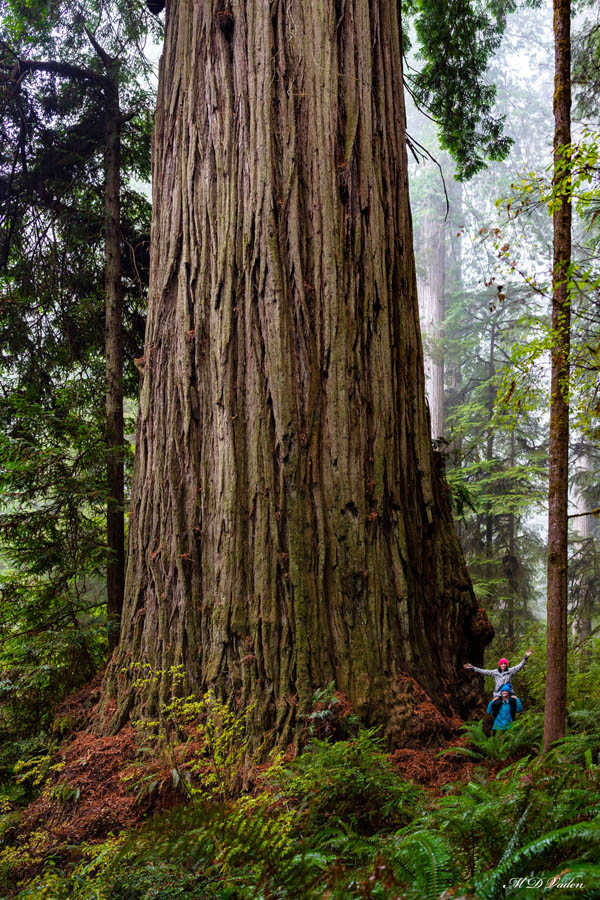
But beyond their awe-inspiring height and girth, one question frequently arises, echoing the curiosity of every visitor who gazes upon their towering canopies: just how old are these magnificent trees? The answer is as extraordinary as the trees themselves, revealing a lifespan that stretches back through ancient history, making them some of the oldest living organisms on Earth. Understanding their age not only deepens our appreciation for their resilience but also underscores the critical importance of preserving these irreplaceable natural treasures for future generations. As a premier destination for travel enthusiasts, the redwood empire offers a unique blend of adventure, historical depth, and breathtaking scenery, making it a must-visit for anyone passionate about eco-tourism and natural attractions. This article delves into the incredible longevity of these California giants, guides you through the best ways to experience their majesty, and provides essential tips for planning your unforgettable journey into their ancient groves.
Unveiling the Ancient Giants: The Lifespan of California Redwoods
The term “California Redwoods” often broadly refers to two distinct but equally impressive species of trees: the Coast Redwood (Sequoia sempervirens) and the Giant Sequoia (Sequoiadendron giganteum). While both are renowned for their staggering size, they differ significantly in their preferred habitats, growth patterns, and, crucially, their maximum age. Unpacking these differences helps us truly grasp the incredible longevity inherent in these natural landmarks.
Coast Redwoods vs. Giant Sequoias: A Tale of Two Titans
The Coast Redwood is the tallest living organism on Earth, frequently reaching heights over 300 feet, with some individuals surpassing 380 feet. These slender, elegant giants thrive in the misty coastal regions of Northern California and a small sliver of Southern Oregon, relying heavily on the dense fog that rolls in from the Pacific Ocean. When it comes to age, Coast Redwoods are incredibly long-lived. While their average lifespan is often cited as 500-700 years, many specimens live far longer. Scientists have identified and verified Coast Redwoods that are well over 2,000 years old, with the oldest known individual estimated to be around 2,200 years. Imagine a tree that began its life when the Roman Empire was in its early stages, a silent witness to countless generations and epochs of human history.
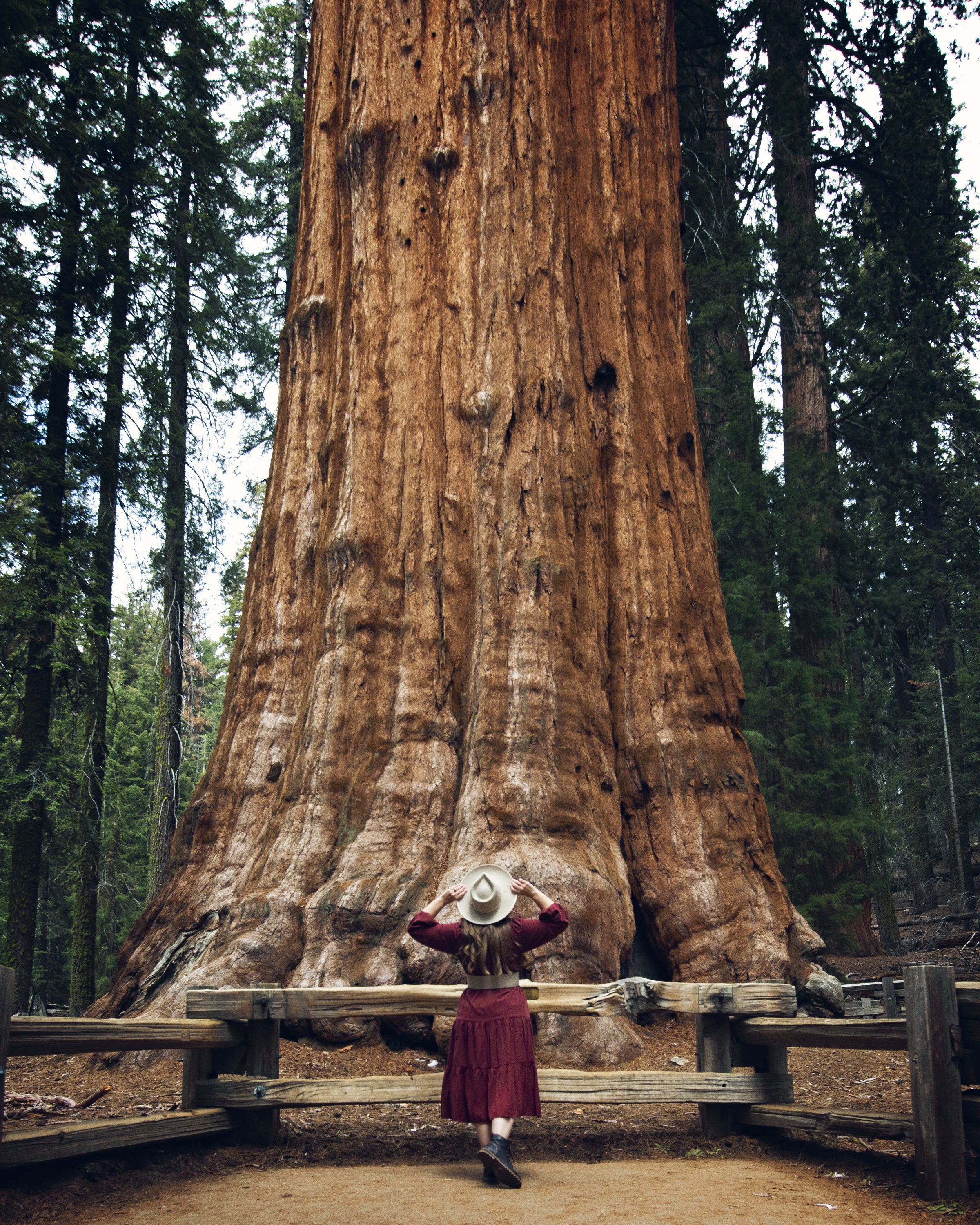
Inland, primarily on the western slopes of the Sierra Nevada mountain range in California, you’ll find the Giant Sequoia. While not as tall as their coastal cousins, Giant Sequoias are the most massive trees on Earth by volume, possessing incredible girth and an imposing, almost sculptural presence. Their reddish-brown bark, deeply furrowed and often several feet thick, adds to their majestic appearance. It is among the Giant Sequoias that we find some of the absolute oldest trees on the planet. The oldest reliably dated Giant Sequoia is approximately 3,200 years old, with many more estimated to be between 2,000 and 3,000 years old. The famous “General Sherman Tree” in Sequoia National Park, considered the largest tree on Earth by volume, is estimated to be around 2,200 to 2,700 years old. These trees have stood for millennia, predating virtually all modern human civilizations, bearing testament to an enduring vitality that defies imagination.
What Makes Them Live So Long?
The extraordinary longevity of both Coast Redwoods and Giant Sequoias is not merely a stroke of luck but a testament to a remarkable suite of biological adaptations honed over millions of years of evolution. These features allow them to withstand environmental challenges that would prove fatal to most other tree species.
Firstly, their thick, fibrous bark is a formidable defense. Rich in tannins, this bark can be up to 12 inches thick in Coast Redwoods and an astounding 2-3 feet thick in Giant Sequoias. This natural armor provides exceptional protection against fire, a common and natural occurrence in their ecosystems. While other trees might succumb to wildfires, redwoods often survive, with their bark insulating their vital cambium layer, allowing them to resprout even after significant scorching. In fact, fire can be beneficial, clearing out underbrush and creating nutrient-rich soil for new redwood growth.
Secondly, the high tannin content throughout their wood makes them highly resistant to insect infestations and fungal rot. Tannins are natural deterrents, making the redwood an unappealing host for pests that would weaken and eventually kill other trees. This natural chemical defense mechanism is a key factor in their enduring health over centuries.
Thirdly, their unique root systems play a crucial role. While surprisingly shallow, their roots spread out extensively, interlocking with those of neighboring redwoods to form a robust, interconnected network. This provides exceptional stability, allowing them to withstand powerful winds and heavy rains, which could easily topple isolated giants.
Finally, for Coast Redwoods, fog drip is essential. The consistent coastal fog provides a vital source of moisture, especially during California’s dry summers, effectively hydrating the trees and their immediate environment. This consistent access to water, even without direct rainfall, is critical for sustaining their immense size and metabolic processes over millennia. These combined adaptations craft a living fortress, allowing these magnificent trees to defy time and stand as ancient, awe-inspiring testaments to nature’s resilience.
Journeying Through Time: Planning Your Redwood Coast Adventure
Embarking on a journey to witness the ancient redwoods is more than just a trip; it’s an immersive experience that transports you to a bygone era. For those planning a travel itinerary focused on natural landmarks and unforgettable experiences, the redwood region offers diverse options, from easily accessible groves near bustling cities to remote, pristine wilderness areas. Each destination provides a unique perspective on these colossal trees and the ecosystems they support.
Top Destinations to Witness the Ancients
For an authentic encounter with the oldest and tallest Coast Redwoods, a visit to Redwood National and State Parks (RNSP) is paramount. This complex of federal and state parks, including Redwood National Park, Prairie Creek Redwoods State Park, Jedediah Smith Redwoods State Park, and Del Norte Coast Redwoods State Park, protects nearly half of the world’s remaining old-growth coast redwoods. Key highlights include the majestic Tall Trees Grove (requiring a permit during peak season), the scenic Newton B. Drury Parkway, and the lush Fern Canyon in Prairie Creek Redwoods, a location so primordial it was used for filming scenes in “Jurassic Park.” In Jedediah Smith Redwoods, the ethereal Stout Grove, renowned for its flat forest floor and immense trees, is a photographer’s dream.
Closer to San Francisco, Muir Woods National Monument offers a remarkably accessible opportunity to experience old-growth coast redwoods. While the trees here are generally younger and slightly smaller than those further north, their proximity to a major urban center makes it a popular choice for day trips. Due to its popularity, reservations for parking or shuttle service are essential, embodying a modern approach to managing tourism in sensitive natural areas.
Further south, near Santa Cruz, Henry Cowell Redwoods State Park features an easy, accessible loop trail through a magnificent old-growth grove. Visitors can stand inside the base of a hollowed-out redwood, marvel at a 1,400-year-old tree, and even spot the tallest tree in the park. Nearby, Big Basin Redwoods State Park, California’s oldest State Park, is a testament to resilience. Though heavily impacted by the 2020 CZU Lightning Complex Fire, many of its ancient redwoods survived, and the park is in a phase of remarkable recovery, offering a poignant look at nature’s regenerative power.
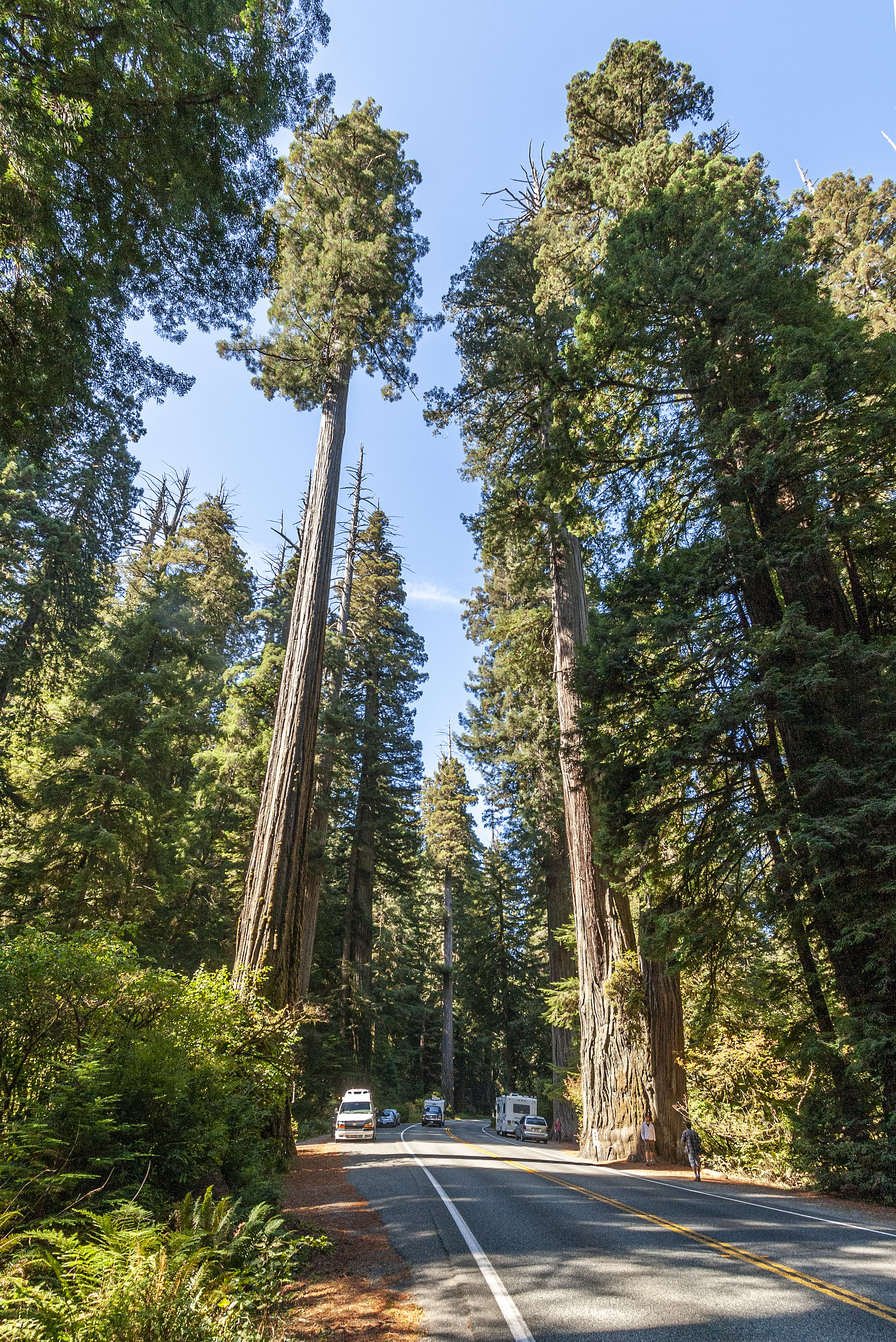
For a scenic drive through towering trees, the Avenue of the Giants, a 31-mile scenic alternative to Highway 101 through Humboldt Redwoods State Park, is an iconic route. Here, you’ll find numerous short hikes into groves like Founders Grove and the opportunity to visit quirky roadside attractions like the Shrine Drive-Thru Tree or Chandelier Drive-Thru Tree at Drive-Thru Tree Park.
Essential Tips for a Seamless Redwood National Park Experience
Planning is key to maximizing your redwood adventure. The best time to visit Redwood National and State Parks is generally during the late spring or early fall when the weather is mild, and the crowds are thinner than in the peak summer months. However, the coastal climate means mild temperatures year-round, so off-season visits can also be rewarding, offering a more solitary experience.
- Be Prepared for Weather: The redwood forests are inherently damp. Pack layers, including waterproof outer shells, even in summer. Sturdy, waterproof hiking boots are a must.
- Navigation: While major roads are well-maintained, some park roads are unpaved or narrow. Download offline maps, as cell service can be spotty to non-existent in many areas. Consider picking up a detailed map at a Redwood National Park Visitor Center.
- Respect Nature: Adhere to “Leave No Trace” principles. Stay on marked trails, do not disturb wildlife, and pack out everything you pack in. The ecosystem is fragile, and even small deviations can have an impact.
- Permits and Reservations: For popular spots like Tall Trees Grove or Muir Woods, check official park websites well in advance for permit or reservation requirements. These are often released months ahead and can fill up quickly.
- Water and Snacks: Always carry ample water and snacks, especially for longer hikes. Food services within the parks are limited.
- Wildlife Awareness: The parks are home to diverse wildlife, including elk, bears, and various bird species. Keep a respectful distance and store food properly, especially if camping.
By following these tips, you’ll ensure a comfortable, safe, and truly unforgettable journey into the heart of California’s ancient redwood forests.
Beyond the Trees: Immersive Experiences and Accommodation Options
While the majestic redwoods are undeniably the star attraction, a trip to the Redwood Empire offers a wealth of other tourism experiences, from exhilarating outdoor activities to charming local culture and a diverse range of accommodation options catering to every lifestyle and budget. Planning the right place to stay and the activities you’ll pursue can significantly enhance your adventure among these ancient giants.
Diverse Activities Amidst Nature’s Skyscrapers
Beyond simply gazing up at the colossal trees, the redwood parks offer a plethora of ways to engage with nature. Hiking is, of course, paramount, with trails ranging from easy, paved loops suitable for all ages and abilities (like the Lady Bird Johnson Grove trail) to strenuous backcountry treks for experienced adventurers. Many trails weave through dense groves, offering a sense of profound solitude and connection to the ancient forest floor.
Scenic drives provide breathtaking vistas and access to various trailheads. The aforementioned Avenue of the Giants and Newton B. Drury Parkway are prime examples. For those seeking unique perspectives, consider visiting the “Trees of Mystery” near Klamath, offering aerial trams that lift you into the canopy for unparalleled views. The famous Skunk Train operating out of Fort Bragg and Willits offers a historic train ride through the redwood forest, a delightful experience for families.
Photography enthusiasts will find endless opportunities to capture the sublime beauty of the forests, from the dappled light filtering through the canopy to the vibrant green of the ferns on the forest floor. Bird watching is also a popular pastime, with diverse avian species inhabiting these rich ecosystems. For water lovers, the clear waters of rivers like the Klamath River and the Smith River offer opportunities for kayaking, rafting, and fishing, providing a different perspective on the surrounding wilderness.
Exploring the charming towns nestled along the Redwood Coast is also a delightful part of the experience. Towns like Arcata and Eureka offer vibrant arts scenes, local breweries, and unique eateries showcasing regional food. Further north, Crescent City serves as a gateway to Jedediah Smith Redwoods State Park and offers stunning ocean views. Historic villages like Ferndale, known as the “Victorian Village,” provide a glimpse into California’s past with beautifully preserved architecture.
Where to Stay: Hotels, Resorts, and Unique Lodging
Finding the right accommodation is crucial for any successful trip, and the redwood region boasts a wide array of options to suit various preferences and budgets. Whether you’re seeking luxury travel, a cozy family retreat, or a budget-friendly stay, you’ll find suitable lodging.
For those who want to immerse themselves completely in nature, campgrounds within the Redwood National and State Parks (e.g., Jedediah Smith, Prairie Creek, Gold Bluffs Beach) offer an unparalleled experience of sleeping beneath the giant trees. Reservations are highly recommended, especially during peak season. Some private campgrounds also offer RV hookups and glamping options for a more comfortable outdoor experience.
If you prefer the comforts of a hotel, towns such as Crescent City, Orick, Eureka, and Arcata offer a range of hotels, motels, and boutique inns. You might find options like the Redwood Inn & Suites offering convenient access to park entrances, or charming guesthouses in historic districts. For a more upscale experience, some resorts along the Mendocino Coast or near towns like Gualala offer amenities like spas, fine dining, and ocean views, blending natural beauty with sophisticated comfort.
Cabin rentals and vacation homes are also popular, especially for families or groups. Websites like VRBO and Airbnb list numerous properties, from rustic cabins deep in the woods to modern apartments in nearby towns, providing a home-away-from-home feel. Imagine waking up to the fresh forest air, surrounded by the tranquility of the redwoods before setting out for your day’s explorations. Options like the Stone Lagoon Resort or various Crescent City Hotels cater to different tastes and ensure a comfortable base for your adventures. No matter your choice, booking in advance, especially during peak season, is always advisable to secure your preferred lodging.
Preserving the Legacy: Conservation and Sustainable Tourism
The fact that we can still marvel at trees over two millennia old is a testament to the dedicated efforts of conservationists and the establishment of national and state parks. However, these ancient landmarks face ongoing threats from climate change, illegal logging, and the impacts of increased tourism itself. Protecting these magnificent ecosystems requires continuous vigilance and the active participation of every visitor.
The Importance of Protecting These Natural Landmarks
The California Redwoods are not just trees; they are entire ecosystems, supporting a rich biodiversity of plant and animal life. They play a crucial role in carbon sequestration, air purification, and water filtration, making them vital components of our planet’s health. Their immense age and sheer scale offer a unique perspective on geological time and the enduring power of nature, acting as living libraries of ecological history.
As travelers, our role in their preservation is significant. Practicing sustainable tourism means minimizing our environmental footprint, respecting park regulations, staying on designated trails to prevent soil compaction and root damage, and supporting local businesses that are committed to conservation. Educating ourselves and others about the importance of these natural wonders helps foster a sense of shared responsibility. Organizations like Save the Redwoods League continue to work tirelessly to acquire and protect old-growth forests, restore logged areas, and educate the public. By supporting such initiatives and acting as responsible visitors, we contribute to ensuring that these ancient giants will continue to inspire and amaze for another two millennia.
The California Redwoods, whether the sky-piercing Coast Redwoods or the massive Giant Sequoias, are more than just trees; they are living testaments to time itself. With lifespans stretching back thousands of years, they offer a rare glimpse into the ancient past and a profound connection to the natural world. A journey to these majestic forests is not just a trip; it’s an pilgrimage to some of Earth’s most enduring and awe-inspiring landmarks. From planning your accommodation in a cozy cabin or luxurious resort, to exploring winding trails and charming coastal towns, every aspect of your redwood adventure promises unforgettable experiences. As you stand beneath their towering canopies, remember the incredible journey these trees have undertaken through millennia and the vital role we all play in safeguarding their future. So pack your bags, prepare for wonder, and step into the ancient embrace of the California Redwoods.
LifeOutOfTheBox is a participant in the Amazon Services LLC Associates Program, an affiliate advertising program designed to provide a means for sites to earn advertising fees by advertising and linking to Amazon.com. Amazon, the Amazon logo, AmazonSupply, and the AmazonSupply logo are trademarks of Amazon.com, Inc. or its affiliates. As an Amazon Associate we earn affiliate commissions from qualifying purchases.