
California is a land of dreams, offering an unparalleled tapestry of experiences, from the sun-kissed beaches of San Diego to the majestic redwoods of the north, and the vibrant cityscapes of Los Angeles and San Francisco. Whether you’re considering a move for a long-term stay, embarking on an extended travel adventure, or simply navigating life in the Golden State on a budget, understanding the local support systems is crucial for a comfortable and fulfilling lifestyle. Among these, the California Electronic Benefit Transfer (EBT) program, also known as CalFresh, stands out as a vital resource for ensuring food security.

For many, especially those exploring budget travel, long-term accommodation options, or adjusting to life in a new California city, managing daily expenses, particularly food, is a significant consideration. CalFresh provides eligible low-income individuals and families with monthly benefits to purchase healthy food, directly contributing to a stable and enjoyable lifestyle. This guide is designed to demystify the application process for California EBT, offering a clear, step-by-step approach for anyone who might qualify, ensuring you can focus on experiencing all that California has to offer.
Understanding California EBT: More Than Just Food Assistance
The California EBT program is California’s implementation of the federal Supplemental Nutrition Assistance Program (SNAP). It’s designed to combat food insecurity by providing financial assistance that allows recipients to purchase nutritious food. But its impact extends beyond mere sustenance; it underpins a sense of stability, freeing up resources that can indirectly enhance a person’s ability to engage with local culture, explore attractions, and maintain overall well-being.
What is CalFresh and Who is it For?
CalFresh provides eligible households with benefits on an EBT card, which works like a debit card and can be used at most grocery stores and farmers’ markets. The primary goal is to ensure that no Californian goes hungry.
Eligibility Criteria: Eligibility for CalFresh is primarily based on household income, resources, and residency status.
- Income Limits: These limits vary depending on household size and are subject to change annually. Generally, a household’s gross monthly income (before deductions) must be at or below 200% of the federal poverty level, and net monthly income (after deductions) must be at or below 100% of the federal poverty level. There are specific rules for households with elderly or disabled members that may allow for higher income limits.
- Residency: Applicants must be residents of California. This typically means living in the state with the intent to remain.
- Citizenship/Immigration Status: While many assume CalFresh is only for U.S. citizens, certain legal permanent residents and qualified non-citizens are also eligible. This includes refugees, asylum seekers, and some victims of trafficking or abuse.
- Work Requirements: Generally, adults between 16 and 59 are subject to work requirements, though many exemptions apply (e.g., caring for a child, attending school, working a certain number of hours).
It’s important to remember that eligibility is assessed on a case-by-case basis by your local County Welfare Office. Even if you’re unsure, applying is always recommended, as staff can help determine if you meet the requirements.
The Broader Lifestyle Impact for Residents and Long-Term Visitors
For individuals and families new to California or considering an extended stay, understanding programs like CalFresh is part of building a sustainable lifestyle. While our website primarily focuses on travel, accommodation, and diverse lifestyles, we recognize that basic needs are the foundation of any fulfilling experience.
- Budgeting for Exploration: By covering a significant portion of food expenses, CalFresh can free up other parts of your budget. This might mean more opportunities to explore local landmarks, visit museums, participate in community events, or even save for a small weekend getaway within California. It supports the “budget travel” and “family trips” aspects of lifestyle by easing financial strain.
- Connecting with Local Culture through Food: The ability to purchase fresh, local produce at farmers’ markets, often with additional incentives for EBT users (like Market Match), allows for a deeper immersion into California’s vibrant culinary scene. It’s a way to experience the local flavors and support regional agriculture, aligning with aspects of “tourism” and “local culture.”
- Stability for Long-Term Stays: For those looking at long-term accommodation or even considering settling down in California, having access to a reliable food source provides essential stability. This reduces stress and allows individuals to better focus on work, education, or simply enjoying their new environment, contributing to a higher quality of life.
The Step-by-Step Application Process for California EBT
Applying for CalFresh can seem daunting, but it’s a structured process designed to be as accessible as possible. Knowing what to expect at each stage can significantly streamline your application. The California Department of Social Services (CDSS) oversees the program, but applications are handled at the county level.
Online, In-Person, or By Mail: Choosing Your Application Method
California offers several convenient ways to apply, allowing you to choose the method that best suits your situation and comfort level.
- Online Application (Recommended for Speed and Convenience): The most common and often quickest way to apply is through the state’s online portal, GetCalFresh.org or MyBenefitsCalWIN.org (for certain counties). These platforms guide you through the application questions, allow you to upload necessary documents digitally, and submit your application from the comfort of your home or any internet-enabled device. This is particularly useful for new arrivals or those who may not yet be familiar with local County Welfare Offices. Another key online portal is BenefitsCal.com, which serves as a unified platform for multiple benefits, including CalFresh.
- In-Person Application: You can visit your local County Welfare Office to apply in person. This method can be beneficial if you prefer face-to-face interaction, need assistance filling out the forms, or have complex questions that are better answered directly by a caseworker. Staff can provide immediate guidance and help you understand the requirements.
- Mail or Fax Application: You can also download the CalFresh application form (Form SAWS 1) from the CDSS website, fill it out, and mail or fax it to your local County Welfare Office. While slower, this option provides flexibility if you don’t have internet access or cannot visit an office.
Regardless of the method chosen, the application officially begins the day your signed application form is received by the county.
Required Documents and Information: What You’ll Need
To ensure a smooth application process, it’s wise to gather all necessary documents and information beforehand. While specific requirements may vary slightly, generally you will need:
- Proof of Identity: A valid form of identification for all household members applying, such as a driver’s license, state ID, birth certificate, or passport.
- Proof of Residency: Documents that show you live in California and in the county where you are applying. This could include a utility bill, rental agreement, or mail with your current address.
- Proof of Income: Pay stubs, employer statements, benefit award letters (for Social Security, unemployment, etc.), or self-employment records for all household members.
- Proof of Resources (if applicable): While resource limits are less stringent for most CalFresh applicants (especially with the expansion of categorical eligibility), certain households may need to provide information on bank accounts, vehicles, or other assets.
- Social Security Numbers (SSN) or Immigration Status Information: SSNs for all applying household members, or documentation of legal immigration status for non-citizens.
- Utility Bills/Rent/Mortgage Statements: These can be used to calculate deductions, potentially increasing your benefit amount.
- Childcare and Medical Expenses (if applicable): Proof of these expenses for specific household members can also lead to deductions.
Having these documents ready will help expedite the verification process during your interview.
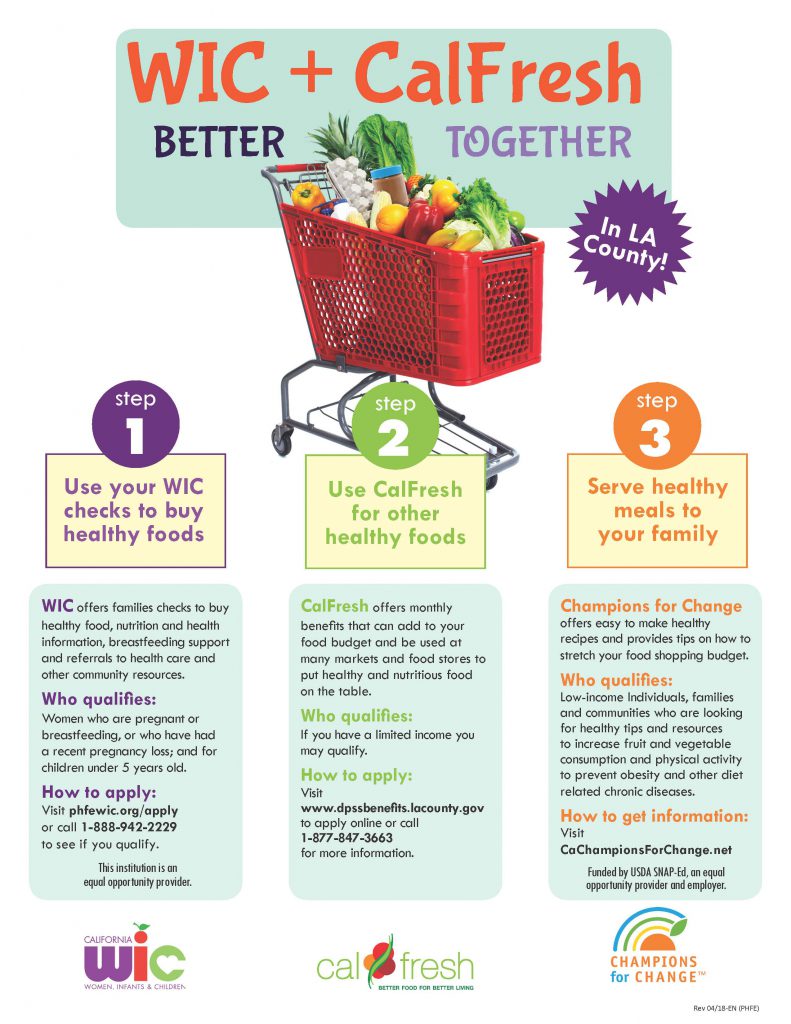
Navigating the Interview and Approval Process
After submitting your application, there are a few more steps before you can receive benefits:
- The Interview: Within a few days to a week of submitting your application, you will be scheduled for an interview. This can be conducted over the phone or in person at your County Welfare Office. During the interview, a caseworker will review your application, verify the information provided, ask clarifying questions, and inform you of any additional documentation needed. This is your opportunity to ask questions and ensure all details are correct.
- Verification of Documents: The county will verify the information you’ve provided. This might involve contacting employers, checking databases, or requesting further documentation from you.
- The Decision: The county has 30 days from the date of your application to process it and notify you of their decision. If you are eligible, you will receive a Notice of Action detailing your benefit amount and when you can expect your EBT card.
- Receiving Your EBT Card: If approved, your EBT card will be mailed to you. Once received, you’ll need to activate it by calling the automated phone number provided with the card and setting a Personal Identification Number (PIN).
For certain households in urgent need, there’s a possibility of receiving expedited service. If you qualify for expedited service (usually if your household has very little income or resources and needs food immediately), you could receive benefits within three days.
Maximizing Your California EBT Benefits: Tips for a Balanced California Lifestyle
Once you have your California EBT card, understanding how to use it effectively can further enhance your lifestyle in the Golden State. It’s not just about buying groceries; it’s about smart shopping, exploring local options, and making your benefits stretch further.
Where to Use Your Benefits: From Grocery Stores to Farmers’ Markets
Your EBT card is widely accepted throughout California and beyond.
- Grocery Stores: Most major grocery chains, supermarkets, and convenience stores that sell food items accept EBT. Look for the SNAP or EBT logo at checkout.
- Farmers’ Markets: Many certified farmers’ markets across California accept EBT. This is an excellent way to purchase fresh, seasonal produce, support local farmers, and experience the vibrant atmosphere of California’s agricultural bounty. Many markets also participate in the Market Match program, which matches your EBT dollars when you buy fruits and vegetables, effectively doubling your purchasing power for healthy foods.
- Eligible Food Items: CalFresh benefits can be used to buy most food items, including fruits, vegetables, meat, poultry, fish, dairy products, breads, cereals, and even seeds and plants that produce food. They cannot be used for non-food items like alcohol, tobacco, vitamins, pet food, or hot, ready-to-eat meals (with some specific exceptions for eligible homeless, elderly, or disabled individuals at authorized restaurants).
EBT and Local Food Culture: Exploring California’s Culinary Scene on a Budget
California is renowned for its diverse culinary landscape and emphasis on fresh, local ingredients. Utilizing your EBT card can be a gateway to exploring this rich aspect of the state’s culture.
- Farm-to-Table at Home: By shopping at farmers’ markets with your EBT card and Market Match, you can bring the essence of California’s farm-to-table movement directly into your kitchen. Experiment with seasonal produce, try new recipes, and enjoy high-quality ingredients that are often fresher and more flavorful.
- Community Engagement: Farmers’ markets are not just places to shop; they are community hubs. Engaging with local farmers and artisans provides a unique insight into the regional economy and food systems, enriching your understanding of California’s local culture.
- Budget-Friendly Meal Planning: With the certainty of food benefits, you can plan healthy, cost-effective meals. This contributes to a healthier lifestyle and allows you to allocate saved funds towards other lifestyle activities, whether it’s exploring a new neighborhood, visiting a state park, or participating in a free community event.
Maintaining Eligibility and Managing Your Card
To ensure continuous benefits, it’s crucial to understand your responsibilities as an EBT recipient:
- Reporting Changes: You must report any changes in your household income, household size, address, or other relevant circumstances to your County Welfare Office within 10 days of the change. Failure to do so could result in overpayments (which you’d have to repay) or underpayments.
- Recertification: CalFresh benefits are not indefinite. You will need to recertify your eligibility periodically, usually every 6 or 12 months. Your county will send you a notice when it’s time to recertify. Completing this process on time is essential to avoid a lapse in benefits.
- Protecting Your EBT Card: Treat your EBT card like a debit card. Keep your PIN confidential and never share it. If your card is lost, stolen, or damaged, report it immediately to the EBT customer service number (usually found on the back of the card or in your benefit packet) to prevent unauthorized use.
EBT Resources Across California’s Diverse Destinations
California’s vastness means that resources and access points for EBT vary by region, but the core services remain consistent. Whether you’re in a bustling metropolis or a serene rural area, support is available.
Accessing Support in Major Cities
Major urban centers like Los Angeles, San Francisco, San Diego, Oakland, San Jose, and the state capital Sacramento have multiple County Welfare Offices and a wide array of grocery stores and farmers’ markets accepting EBT.
- Los Angeles County: As the most populous county, Los Angeles has numerous Department of Public Social Services (DPSS) offices, making in-person assistance readily available. The sheer number of retail outlets ensures widespread EBT acceptance.
- San Francisco City and County: San Francisco is known for its progressive social programs. The Human Services Agency (HSA) manages CalFresh applications, and the city boasts numerous farmers’ markets, many of which are active participants in the Market Match program, enhancing access to fresh, healthy food in an otherwise high-cost-of-living area.
- San Diego County: The County of San Diego Health and Human Services Agency (HHSA) facilitates CalFresh applications. Residents and visitors can find robust support services and ample EBT-accepting venues, from large supermarkets to local independent grocers and bustling outdoor markets.
Regardless of where you are in California, a quick online search for “[County Name] CalFresh office” or “EBT accepting stores near me” will provide relevant local information. Many counties also partner with non-profit organizations to offer application assistance, demonstrating a strong community support network for those in need.

Beyond Food: Additional Support for a Fulfilling California Experience
While EBT primarily focuses on food assistance, its existence can open doors to other benefits indirectly related to a richer California lifestyle.
- Museums for All Programs: Many museums and cultural institutions across California participate in the “Museums for All” initiative, offering free or reduced-cost admission to EBT cardholders. This means you can explore world-class museums in Los Angeles, San Francisco, San Diego, and other cities, making cultural experiences accessible even on a budget. This directly enhances the “tourism,” “landmarks,” and “lifestyle” aspects by promoting access to attractions.
- Internet and Phone Service Discounts: Eligibility for CalFresh can sometimes qualify you for discounted internet service through programs like the Affordable Connectivity Program (ACP) or reduced phone service through the Lifeline program. Reliable internet and communication are essential for modern living, connecting you to travel resources, booking accommodation, or simply staying in touch with loved ones.
- Public Transportation Discounts: In some counties, CalFresh eligibility might also provide access to discounted public transportation passes, making it easier and more affordable to navigate California’s cities and explore without the need for a personal vehicle.
These supplementary benefits underscore how a foundational program like CalFresh can contribute significantly to a well-rounded and engaging lifestyle, even for those managing a tight budget in a state known for its high cost of living. It empowers individuals and families to not just survive but thrive and partake in the rich experiences California offers.
In conclusion, applying for California EBT (or CalFresh) is a straightforward process designed to support residents and long-term visitors in maintaining food security. By understanding the eligibility requirements, preparing necessary documents, and navigating the application steps, you can unlock vital assistance that not only ensures healthy eating but also indirectly supports a broader, more enjoyable lifestyle in the Golden State. Whether you’re exploring California’s diverse destinations on a budget, settling into a new community, or simply seeking to stabilize your household finances, CalFresh is a valuable resource that helps make the California dream accessible to more people.
LifeOutOfTheBox is a participant in the Amazon Services LLC Associates Program, an affiliate advertising program designed to provide a means for sites to earn advertising fees by advertising and linking to Amazon.com. Amazon, the Amazon logo, AmazonSupply, and the AmazonSupply logo are trademarks of Amazon.com, Inc. or its affiliates. As an Amazon Associate we earn affiliate commissions from qualifying purchases.