
California, often celebrated for its sun-drenched beaches, majestic redwood forests, and iconic cities like [Los Angeles] and [San Francisco], also offers a vibrant, albeit often overlooked, world for outdoor enthusiasts: hunting. For many, hunting in the [Golden State] is more than just a pastime; it’s a deep connection to nature, an exercise in patience, and a practice rooted in conservation. Whether you’re a seasoned hunter looking to explore new territories or a newcomer eager to embrace a rewarding outdoor lifestyle, understanding how to obtain a hunting license in [California] is your crucial first step.
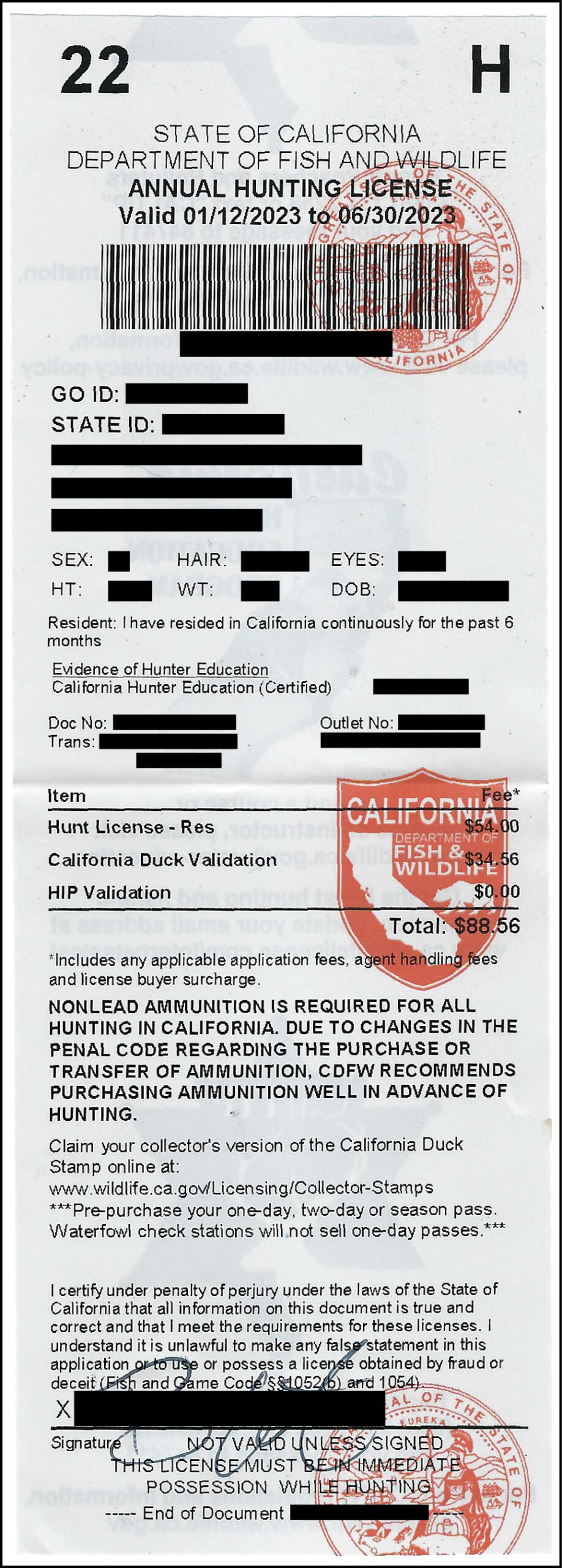
This guide will demystify the process, from navigating the necessary regulations and completing your hunter education to understanding the various license types and planning your ultimate [California] hunting adventure. We’ll delve into the practicalities of application, the importance of ethical hunting, and how this unique pursuit can tie into a broader appreciation of [California]’s diverse landscapes and rich tourism offerings. Far from just a bureaucratic hurdle, obtaining your hunting license is your passport to an unforgettable experience, allowing you to explore vast wilderness areas, connect with local wildlife, and contribute to the ecological balance of one of the most geographically diverse states in the [Western United States].
Understanding California’s Hunting Regulations
Before you can even dream of heading into the wild, it’s imperative to grasp the regulatory framework that governs hunting in [California]. The state prides itself on its rigorous conservation efforts, ensuring that hunting remains sustainable and ethical. This commitment is reflected in its comprehensive licensing requirements and strict adherence to wildlife management principles. Navigating these regulations can seem daunting at first, but with a clear understanding, the path to obtaining your license becomes straightforward.
Eligibility and Hunter Education
At the heart of [California]’s hunting regulations is the mandatory Hunter Education Program. This program is not merely a formality; it’s a foundational requirement designed to instill safety, ethics, and conservation knowledge in every hunter. Unless you can provide proof of a hunting license from [California] or another state/country issued in a prior license year (meaning you’ve been licensed before), completing an approved hunter education course is non-negotiable.
The California Department of Fish and Wildlife oversees this program, ensuring that all courses meet stringent standards. These courses typically cover firearm safety, wildlife identification, hunting ethics, conservation principles, game care, and basic first aid. They are offered in various formats, including in-person classroom instruction, online courses followed by a required in-person field day, or a full home-study option culminating in a hands-on field experience. The duration varies, but generally, expect to dedicate between 10 to 16 hours to complete the curriculum. Upon successful completion, you’ll receive a Hunter Education Certificate, which is your proof of eligibility for a hunting license.
For prospective hunters, especially those visiting from out of state, it’s worth noting that [California] recognizes hunter education certificates from other states and provinces, provided they meet the standards set by the [International Hunter Education Association]. This flexibility ensures that experienced hunters from elsewhere can seamlessly transition to hunting within [California]’s borders, contributing to the state’s tourism and outdoor recreation economy. Engaging in the hunter education process is also a fantastic opportunity to learn about the specific ecosystems and wildlife species unique to [California], enhancing your overall experience.
Types of Hunting Licenses and Tags
[California] offers a variety of hunting licenses and tags, each tailored to specific game animals and hunting seasons. The primary license is the Resident or Nonresident Hunting License, which is mandatory for hunting any bird or mammal in [California]. This annual license covers general hunting privileges but does not, by itself, grant permission to hunt specific species like deer, bear, or migratory birds.For these specific species, additional tags or validations are required. For example:
- Deer Tags: These are specific to deer hunting and are often allocated through a draw system due to high demand and limited quotas. Hunters typically apply for specific deer hunt zones.
- Bear Tags: Required for bear hunting, also often subject to quotas and specific seasons.
- Upland Game Bird Validation: Necessary for hunting species like pheasants, quail, and doves.
- Waterfowl Validation: Required for hunting ducks, geese, and other migratory waterfowl, in addition to a federal duck stamp.
- Archery Deer Tags: Special tags for bowhunters, often with specific seasons and zones.
It’s crucial to understand that each tag or validation comes with its own set of regulations, including season dates, bag limits, and legal methods of take. Hunters must ensure they possess the correct license and all applicable tags or validations for the species they intend to pursue. The [CDFW] publishes detailed hunting regulations annually, which are available online and through authorized license agents. These regulations are the definitive source for season dates, bag limits, and area-specific rules. They are essential reading for any hunter planning a trip, whether to the sprawling [Shasta-Trinity National Forest] or the more accessible [Tehama Wildlife Area].
Age Requirements and Junior Hunters
[California] has specific age requirements for hunting licenses, particularly for minors. Individuals must be at least 12 years old to obtain a hunting license. However, younger individuals can participate in the hunting experience under strict supervision:- Junior Hunting License: Available to residents and non-residents under 18 years of age. Juniors must also complete the Hunter Education Program. These licenses are generally less expensive, encouraging youth participation in outdoor activities.
- Supervision Requirements: Hunters under 16 years of age must be accompanied by a licensed adult 18 years of age or older while hunting. This ensures safety and provides mentorship for younger hunters. The adult supervisor must possess a valid [California] hunting license and any necessary tags for the species being hunted.
The [CDFW] places a strong emphasis on fostering a new generation of ethical and responsible hunters. Junior hunting programs often include special youth hunts, allowing younger hunters to gain experience in controlled environments. This focus on youth development not only secures the future of hunting but also aligns with a broader lifestyle trend of encouraging families to spend time outdoors, exploring destinations like the [Sierra Nevada] mountains or the [Mojave Desert].
The Application Process: Step-by-Step
Once you’ve completed your hunter education and understood the types of licenses and tags you’ll need, the next step is the application process. [California] offers convenient methods for obtaining your hunting license, designed to streamline the experience for both residents and visitors.
Online vs. In-Person Applications
You have two primary avenues for purchasing your [California] hunting license:
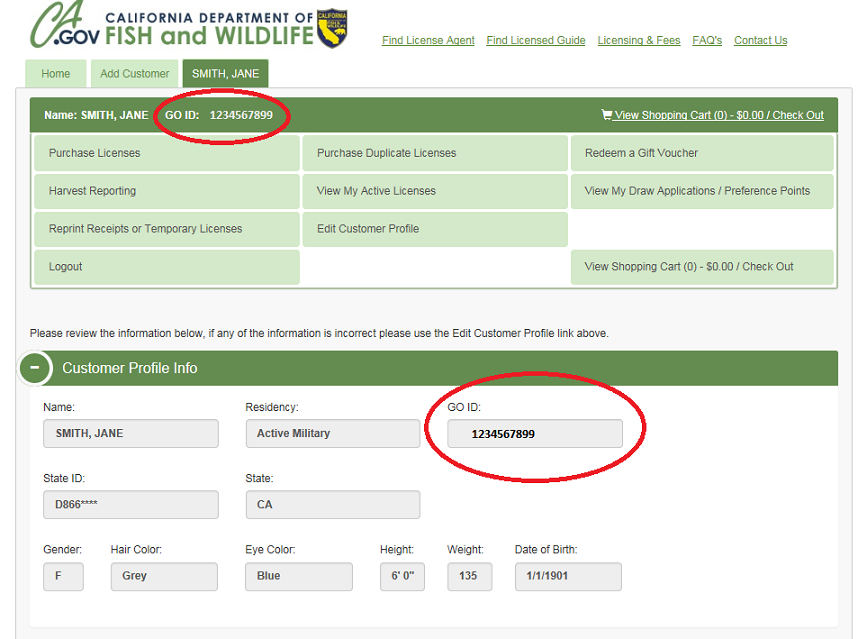
- Online: The [CDFW]’s online license sales service is the most convenient option for many. Through this portal, you can purchase your general hunting license, various validations (like upland game bird or waterfowl), and even apply for big game tag draws. To purchase online, you’ll need a GO ID, which is a unique customer identification number issued by the [CDFW]. If you don’t have one, the system will help you create one during your first purchase. The online system is accessible 24/7, making it ideal for those planning their trip from afar or with busy schedules. You can print temporary licenses and validations immediately, with hard cards typically mailed to your address. This ease of access contributes significantly to [California]’s appeal as a tourism destination, allowing visitors to sort out their permits before they even arrive.
- In-Person: If you prefer a more traditional approach or need immediate assistance, licenses and tags can be purchased from authorized license agents throughout the state. These agents include sporting goods stores, bait and tackle shops, and some [CDFW] offices. Purchasing in person allows you to get real-time advice, check local regulations, and often pick up physical licenses and tags on the spot. It’s a great option if you’re already in [California], perhaps staying at a hotel in [Sacramento] or [Redding], and want to finalize your preparations.
Regardless of the method, make sure to have all necessary documentation ready, especially your Hunter Education Certificate number, as it will be required to prove eligibility for your first license.
Required Documents and Fees
When applying for your hunting license, ensure you have the following:
- Hunter Education Certificate: For first-time hunters. Your certificate number will be entered during the application.
- Proof of Residency: If applying for a resident license, you’ll need to prove you’ve been a resident of [California] for at least six months prior to applying. This typically includes a valid [California] driver’s license or ID card. Non-residents will apply for a non-resident license, which has a higher fee.
- Personal Identification: A valid government-issued ID (e.g., driver’s license, passport).
- Payment: Fees vary depending on whether you are a resident or non-resident, your age, and the specific tags/validations you are purchasing.
Typical Fees (as of recent years, subject to change):
- Resident Hunting License: Around $50-$60
- Nonresident Hunting License: Around $170-$200
- Deer Tags: Vary by zone, typically $30-$40 per tag.
- Bear Tags: Around $50-$60
- Upland Game Bird Validation: Around $10-$20
- Waterfowl Validation: Around $10-$20 (plus federal duck stamp ~$25)
These fees contribute directly to wildlife management and conservation programs in [California], ensuring healthy populations and habitat for future generations of hunters and wildlife enthusiasts. When budgeting for your trip, remember to factor in these costs alongside your travel, accommodation (perhaps a stay at the [Grand Hyatt Sacramento] or a more rustic cabin near [Bishop]), and gear expenses.
The Draw System for Big Game Tags
For highly sought-after big game species like deer, elk, and bighorn sheep, [California] utilizes a draw system to allocate tags. This system is designed to manage harvest levels and ensure sustainable populations. Here’s how it generally works:
- Application Period: There’s a specific period, typically in spring, when hunters can apply for big game tag drawings. You indicate your preferred hunt zones and species.
- Preference Points: [California]’s draw system often incorporates a preference point system. For every year you apply for a tag and are unsuccessful, you accrue a preference point. These points increase your odds of drawing a tag in subsequent years, rewarding persistent applicants.
- Drawing Results: After the application period closes, a random drawing is conducted. Successful applicants are notified and receive their tags. Unsuccessful applicants gain a preference point.
- Leftover Tags: Sometimes, after the main drawing, a limited number of tags may remain unsold or unallocated. These “leftover” tags are usually offered on a first-come, first-served basis, providing another opportunity for hunters who missed the draw or were unsuccessful.
Understanding the draw system is crucial for anyone hoping to pursue big game in [California]. It requires forethought and planning, often a year in advance. This process also highlights the unique challenges and rewards of hunting in a state committed to sustainable wildlife populations, making each drawn tag a truly special achievement and part of a memorable adventure.
Beyond the License: Planning Your California Hunting Trip
With your hunting license and appropriate tags in hand, you’re now ready to plan the specifics of your hunting trip. [California]’s vast and varied terrain offers an incredible array of hunting experiences, from waterfowl in the [Central Valley] to deer in the high [Sierra Nevada]. This section will help you consider popular destinations, suitable accommodations, and the broader context of ethical hunting and conservation.
Popular Hunting Destinations and Seasons
[California]’s diverse ecosystems mean a wide range of hunting opportunities:- Deer: The state is divided into numerous deer hunt zones, each with specific seasons (archery, general) and tag quotas. Popular areas include the [Shasta-Trinity National Forest], [Modoc National Forest], and [Mendocino National Forest] in [Northern California], as well as parts of the [Sierra Nevada] range. Seasons typically run from late summer through fall.
- Waterfowl: The [Central Valley] is a critical stop on the Pacific Flyway, making it a premier destination for duck and goose hunting. Key areas include various national wildlife refuges and state wildlife areas like [Grizzly Island Wildlife Area] and [Doyle Wildlife Area]. Waterfowl seasons usually run from fall through winter.
- Upland Game Birds: Quail, dove, pheasant, and chukar are found throughout the state. Dove season kicks off in September, offering an early start to the hunting calendar. Popular locations include agricultural areas in the [Central Valley] for pheasant, and brushy hillsides for quail and chukar.
- Bear: Black bears are found in forested areas across the state, particularly in the coastal ranges and the [Sierra Nevada]. Bear season often coincides with deer season in many zones.
- Wild Pig: Non-native wild pigs are plentiful in many areas, offering year-round hunting opportunities on private lands and some public lands managed by the Bureau of Land Management or [National Forest Service].
When planning, consider the specific season for your chosen species and location. Always check the current [CDFW] regulations for exact dates and area-specific rules, as these can change annually. Researching specific wildlife areas, national forests, and [BLM] lands will help you identify public access points and suitable hunting grounds. Engaging with local hunting communities or guides can also provide invaluable insights into the best spots and strategies.
Accommodations and Travel Considerations
A successful hunting trip often involves thoughtful planning of travel and accommodation. Depending on your chosen hunting ground, options can range from rustic camping to comfortable hotels.
- Camping: Many national forests, state parks, and [BLM] lands offer designated campgrounds, providing an authentic outdoor experience. Dispersed camping is also often allowed in national forests, giving you unparalleled access to hunting areas. This is a budget-friendly option that truly immerses you in nature.
- Hotels and Motels: For those who prefer more comfort, towns bordering hunting areas often have a range of hotels and motels. For example, if hunting in [Northern California], you might find suitable stays in [Redding] or [Susanville]. In the [Sierra Nevada], towns like [Bishop] or [Mammoth Lakes] offer options. When choosing, consider amenities that cater to hunters, such as ample parking for trucks and trailers, and policies regarding game storage. Boutique hotels or luxury resorts might be less common directly adjacent to remote hunting grounds, but cities like [Sacramento] or [Fresno] can serve as a base for day trips or initial staging. Consider options like the [Hilton Garden Inn Davis] or the [Best Western Plus Yosemite Gateway Inn] if you’re looking for comfortable, familiar lodging while exploring the broader outdoor activities in the region.
- Cabins and Vacation Rentals: For a more private and home-like experience, consider renting a cabin or vacation home, especially if traveling with a group. Websites specializing in vacation rentals often list properties close to popular outdoor recreation areas.
When traveling, remember to adhere to all firearm transportation laws, both state and federal. Pack appropriate gear for [California]’s variable weather, which can range from hot desert days to cold mountain nights. Vehicle choice is also important; many hunting areas require 4×4 vehicles for access. Combining your hunting trip with other tourism activities, such as visiting [Yosemite National Park] (outside hunting season, of course), exploring [Napa Valley], or taking a scenic drive along [Big Sur], can turn a focused hunting expedition into a comprehensive [California] adventure.
Ethical Hunting and Conservation
Obtaining a hunting license in [California] is not just about legal compliance; it’s an embrace of a responsible outdoor lifestyle. Ethical hunting and conservation are two sides of the same coin, vital for maintaining healthy wildlife populations and preserving hunting heritage.
- Fair Chase: Hunters are expected to practice fair chase, meaning they do not take unfair advantage of the animal. This includes respecting weapon limitations, not hunting from vehicles, and refraining from unethical practices.
- Respect for Wildlife and Habitat: Beyond legal bag limits, ethical hunters strive to minimize their impact on the environment. This means “leave no trace” principles, proper disposal of waste, and avoiding disturbance to non-target species. Hunters also play a crucial role in funding conservation through license and tag fees, which support habitat restoration, wildlife research, and law enforcement.
- Safety: Always prioritize safety. This includes knowing your target and what is beyond it, proper firearm handling, and communicating clearly with hunting partners. Carrying a first-aid kit, knowing basic wilderness survival skills, and informing someone of your hunting plans are also essential.
- Game Care: Responsible hunters ensure that harvested game is properly cared for, processed efficiently, and consumed. This honors the animal and minimizes waste.
By adhering to these principles, hunters contribute positively to [California]’s wildlife management efforts and ensure that future generations can also enjoy the profound experience of hunting in its magnificent wildlands. It’s a testament to a lifestyle that values nature, self-sufficiency, and stewardship.
In conclusion, securing a hunting license in [California] is a structured yet accessible process that opens the door to unparalleled outdoor adventures. From the comprehensive hunter education requirements to the diverse array of species and landscapes available, [California] offers a rich and rewarding experience for licensed hunters. By understanding the regulations, completing the necessary steps, and embracing the ethos of ethical hunting, you’ll not only gain the privilege to hunt but also become an integral part of [California]’s vibrant conservation community. Your journey into the wild heart of the [Golden State] begins here, promising memories that extend far beyond the hunt itself, touching on the very essence of travel, lifestyle, and a deep appreciation for nature’s bounty.
LifeOutOfTheBox is a participant in the Amazon Services LLC Associates Program, an affiliate advertising program designed to provide a means for sites to earn advertising fees by advertising and linking to Amazon.com. Amazon, the Amazon logo, AmazonSupply, and the AmazonSupply logo are trademarks of Amazon.com, Inc. or its affiliates. As an Amazon Associate we earn affiliate commissions from qualifying purchases.