
In a world increasingly focused on health and safety, vaccine mandates have, at various points, played a significant role in shaping our daily lives, particularly when it comes to travel and public engagement. While the landscape of mandates continually evolves, understanding the process of obtaining a medical exemption for vaccines remains a crucial piece of information for many individuals, especially those with specific health conditions. For travelers, residents, and anyone planning an experience in the Golden State, navigating the intricacies of vaccine exemptions in California is essential for seamless trips, lifestyle choices, and access to the myriad attractions and opportunities this vibrant state offers.
This comprehensive guide delves into the specifics of securing a medical exemption for vaccines in California, examining not only the medical and legal frameworks but also the practical implications for your travel plans, accommodation choices, and overall lifestyle. From exploring the stunning landscapes of Yosemite National Park to indulging in the culinary delights of Napa Valley, or experiencing the bustling energy of Los Angeles, understanding these exemptions can empower you to plan your adventures with confidence and peace of mind. While universal mandates have largely receded, specific settings, events, or future health landscapes could reintroduce such requirements, making this knowledge perpetually valuable for anyone looking to embrace all that California has to offer.
Understanding Medical Exemptions in the Context of Travel and Lifestyle
For many, the concept of a medical exemption is straightforward: a doctor’s note stating a patient cannot receive a vaccine due to a legitimate medical reason. However, in practice, particularly when intertwined with travel and public life, its implications are far-reaching. It’s not merely about avoiding a shot; it’s about maintaining the freedom to explore, work, and engage in a fulfilling lifestyle without compromising one’s health.
What Constitutes a Medical Exemption?
A medical exemption is a formal recognition that an individual has a specific health condition, allergy, or other medical contraindication that makes a particular vaccination unsafe or inadvisable. This is not a matter of personal preference or philosophical objection; it is strictly a medically determined necessity. Common examples of conditions that might warrant a medical exemption include:
- Severe allergic reactions: A documented history of a severe allergic reaction (e.g., anaphylaxis) to a previous dose of the vaccine or to any of its components.
- Immunocompromised states: Individuals with weakened immune systems due to diseases (like HIV/AIDS) or treatments (e.g., chemotherapy, high-dose steroids) might be advised against certain live vaccines.
- Specific medical conditions: Certain neurological conditions, or other acute illnesses present at the time of vaccination, could temporarily or permanently contraindicate a vaccine.
- Pregnancy and breastfeeding: While many vaccines are safe during pregnancy, some are not recommended, and a medical exemption might be considered based on individual risk assessments.
It’s crucial to understand that the criteria for medical exemptions are typically stringent and based on established medical guidelines from authoritative bodies such as the Centers for Disease Control and Prevention (CDC) or the World Health Organization (WHO). A healthcare provider must carefully evaluate a patient’s medical history to determine if a legitimate contraindication exists. For those seeking to travel or access various venues in California, having this medical justification is paramount, as it serves as the official documentation of their inability to comply with vaccine mandates. This exemption ensures that individuals with genuine medical reasons are not unfairly excluded from participating in public life or enjoying travel experiences, from luxurious resorts to bustling theme parks.
Why Medical Exemptions Matter for Travelers to California
California is a global magnet for travelers, offering everything from sun-drenched beaches and world-class theme parks like Disneyland and Universal Studios Hollywood, to iconic cities like San Francisco and San Diego. For residents, it’s a dynamic place to live, work, and play. During periods of heightened public health concern, vaccine mandates have been implemented at various levels: state-wide, by individual counties, or by private businesses and event organizers. These mandates can significantly impact one’s ability to:
- Access Public Spaces and Events: Entry into restaurants, bars, museums, theaters, concert venues, and major sporting events (e.g., in Los Angeles or San Francisco) could be restricted.
- Utilize Accommodation and Hotels: While rare, certain lodging establishments might have had policies tied to vaccination status, especially in specific locales.
- Participate in Group Tours and Activities: Guided tours through wine country, bus tours of Hollywood, or even some outdoor adventure groups might have had requirements.
- Engage in Employment or Education: For those relocating or working within California, especially in healthcare or education, vaccine mandates have been a significant factor.
Even as many general vaccine mandates have been relaxed, the potential for their reintroduction—or their continued application in specific, high-risk environments like cruise ships departing from ports such as Long Beach—means that understanding medical exemptions remains critically important. For individuals who cannot be vaccinated, a valid medical exemption is their passport to maintaining a full, unrestricted lifestyle in California, ensuring they can fully experience its diverse culture, attractions, and opportunities without undue hardship. It’s about ensuring equity and accessibility for all, regardless of their medical vulnerabilities.
The Process of Obtaining a Medical Exemption in California
Obtaining a medical exemption in California is a formal process that requires medical substantiation and proper documentation. It is not a casual request but a professional medical determination. The legitimacy and clarity of your exemption are vital, especially when you consider its potential impact on your travel logistics, such as booking accommodations or accessing specific attractions.
Consulting a Licensed Medical Professional
The cornerstone of any medical exemption is a comprehensive evaluation by a licensed medical professional. In California, this typically means a physician (an MD or DO), a nurse practitioner (NP), or a physician assistant (PA) who is licensed to practice in the state and has an established doctor-patient relationship with you. This relationship is crucial, as the professional must be intimately familiar with your medical history to make an informed decision regarding contraindications.
Your first step should be to schedule an appointment with your primary care provider or a specialist who manages your relevant medical conditions. During this consultation, you should be prepared to discuss:
- Your complete medical history: This includes any chronic illnesses, past surgeries, allergies, and current medications.
- Specific concerns: Clearly articulate why you believe you qualify for an exemption, citing any adverse reactions to past vaccines or relevant medical diagnoses.
- The vaccine in question: Be specific about which vaccine you are seeking an exemption for, as contraindications can vary widely between different types of vaccines.
It is important to approach this discussion with realism. Medical professionals are bound by ethical guidelines and scientific evidence. They will only issue an exemption if there is a clear, medically recognized contraindication. They may request additional tests or specialist consultations to confirm the medical necessity. A legitimate medical exemption is not simply a note saying you “prefer not to be vaccinated,” but rather a professional medical opinion based on objective health criteria. This step is non-negotiable and foundational to the entire process. Without a doctor’s professional backing, any claim for a medical exemption will likely be deemed invalid.
Documentation Requirements and Official Forms
Once a licensed medical professional determines that you qualify for a medical exemption, the next critical step is obtaining the proper documentation. The specific requirements can vary depending on the context for which the exemption is needed (e.g., school enrollment, employment, or travel). However, common elements of a valid medical exemption document typically include:
- A formal letter or certificate: This is usually on the medical professional’s official letterhead.
- Patient’s identifying information: Your full name, date of birth, and possibly your medical record number.
- Specific vaccine(s) covered: Clearly stating which vaccine(s) you are exempt from.
- The medical reason for the exemption: A concise and clear explanation of the medical contraindication, without necessarily revealing overly sensitive personal health information, in compliance with HIPAA regulations.
- Duration of the exemption: Whether it is temporary or permanent.
- Medical professional’s details: Their full name, signature, license number, contact information, and date of issuance.
For contexts like school enrollment, California may have specific state-mandated forms that doctors must complete. For travel or general access to private venues, a doctor’s letter following the above guidelines is typically sufficient. It is your responsibility to understand and comply with the specific documentation requirements of the entity requesting proof of vaccination or exemption. Always keep multiple copies of your exemption documentation, both physical and digital, especially when traveling. Carrying it with you at all times can prevent potential delays or issues when checking into a hotel, entering a major attraction, or boarding a cruise ship. The clarity and completeness of this documentation are crucial for ensuring your travel plans remain smooth and enjoyable.

Navigating California-Specific Regulations and Policies
California has a history of robust public health laws, and its approach to vaccine mandates and exemptions can be nuanced. While general statewide mandates for COVID-19 vaccines have largely been rescinded, the state’s framework for vaccine requirements, particularly for schools and healthcare workers, has been strict. Understanding this context helps in appreciating the rigor required for medical exemptions.
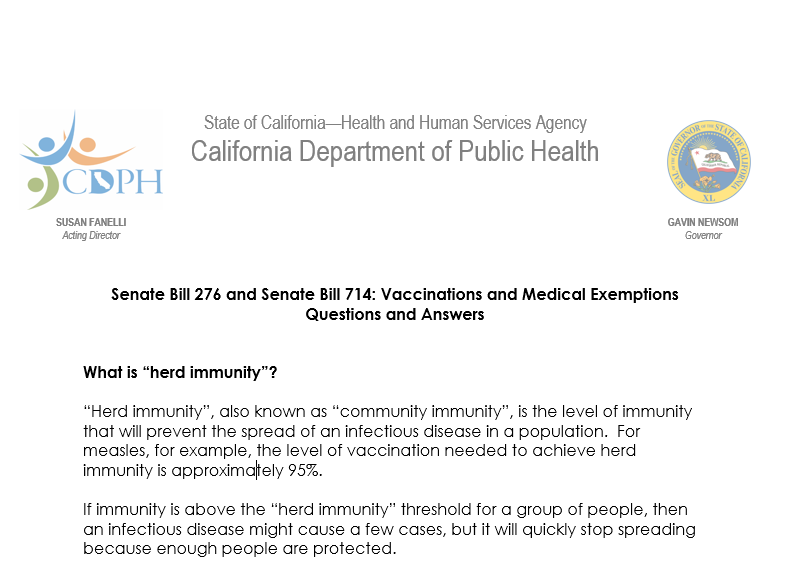
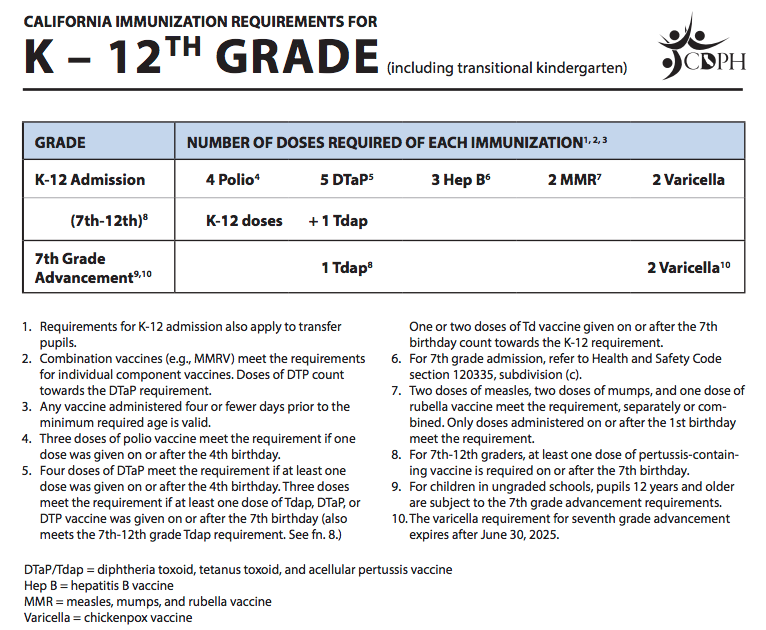
For instance, California’s SB 277 legislation, enacted in 2015, eliminated personal belief and religious exemptions for school entry, making medical exemptions the only allowable non-medical reason for children to forgo required vaccinations. This law dramatically tightened the criteria for medical exemptions, requiring physicians to certify that a vaccination is “medically contraindicated” and to submit these certifications to a statewide immunization registry. While this law primarily affects school-aged children, it underscores California’s serious stance on medical exemptions.
For adult travelers or those needing exemptions for other purposes, while specific state-level certification processes like SB 277 might not apply, the precedent of medical rigor remains. It means that any medical exemption must be genuinely justified and well-documented. Furthermore, policies can vary at the local level (county or city ordinances) and by private businesses. For example, a restaurant in Los Angeles might have had different requirements than one in a less populated area. Likewise, private entities like cruise lines or event organizers may establish their own vaccination policies, which may or may not fully recognize a general state-issued medical exemption.
Therefore, anyone relying on a medical exemption for travel or lifestyle purposes within California must:
- Verify current requirements: Always check the most up-to-date guidelines for your specific destination, venue, or activity. This means looking at county health department websites, venue terms and conditions, or contacting service providers directly.
- Understand the scope: Be aware that a medical exemption valid for one purpose (e.g., school) may not automatically be accepted for another (e.g., international travel).
- Be prepared for contingencies: Always have alternative plans, as not all entities may recognize or accommodate exemptions, especially if local mandates were once stronger.
Navigating these nuances ensures that your travel experiences, whether a family trip to San Diego’s beaches or a business stay in Silicon Valley, are smooth and free of unexpected hurdles.
Travel Considerations and Lifestyle Implications with a Medical Exemption
Securing a medical exemption is just the first step; understanding its practical implications for your travel and lifestyle in and around California is equally vital. This planning ensures that your exemption serves its purpose: facilitating freedom and access rather than creating new barriers.
Planning Your California Getaway
A valid medical exemption can significantly influence how you plan and experience a trip through California. While many general mandates have eased, being prepared for various scenarios is part of being a savvy traveler. When booking hotels, choosing attractions, or dining out, here are some key considerations:
- Accommodation: While most hotels and resorts in California no longer have vaccination mandates, it’s wise to double-check the policies of specific establishments, particularly luxury suites or exclusive retreats, when booking. If you prefer long-term stays or unique apartment rentals, verify their community guidelines. Carrying your exemption documentation ensures a smooth check-in process.
- Attractions and Entertainment: Iconic destinations like Disneyland, Universal Studios Hollywood, or museums in San Francisco have largely dropped vaccine requirements. However, for large-scale events, concerts, or festivals, always confirm the specific entry requirements. Your exemption ensures you can participate in the vibrant cultural and entertainment scene without issue.
- Dining and Nightlife: California’s culinary scene, from farm-to-table in Napa Valley to diverse eateries in Los Angeles, is a major draw. While most restaurants are open to all, some private venues or exclusive dining clubs might maintain their own policies.
- Transportation: For domestic air travel within California or to other U.S. states, there are currently no federal vaccine mandates. However, if your trip involves specific cruise lines departing from California ports like Long Beach, they may have their own rigorous vaccination and testing protocols, for which your medical exemption might be critical.
Always carry your medical exemption document, preferably alongside a photo ID. A digital copy on your phone can also be useful. Proactive research and communication with venues or service providers can save you from potential inconveniences, allowing you to fully immerse yourself in the California experience, whether it’s a luxurious escape or a budget-friendly adventure.
International Travel From or To California
The landscape of international travel presents a more complex challenge for individuals with medical exemptions. While a California-issued medical exemption is valid within the state, its recognition by foreign governments or international airlines is not guaranteed. Each country maintains its own sovereign health and entry regulations, which can differ significantly.
- Destination Country Requirements: Before planning any international trip from California, it is imperative to research the specific entry requirements of your destination country and any transit countries. Many nations, particularly in Europe or Asia, have had, or could re-implement, strict vaccination mandates for entry, often with very limited acceptance of foreign medical exemptions.
- Airline Policies: Individual airlines may also have their own policies, especially for long-haul international flights. While most currently align with government regulations, it’s always best to confirm directly with your carrier.
- Potential Restrictions: Travelers with medical exemptions who are not vaccinated may face additional requirements such as pre-departure testing, arrival testing, mandatory quarantine periods, or even denial of entry, depending on the destination. This can significantly impact the feasibility and enjoyment of your trip, making long-term travel or digital nomad aspirations much more challenging.
For business travelers or those with family abroad, this means a California medical exemption might only address a fraction of their travel needs. It is crucial to consult official government travel advisories and embassy websites well in advance of your departure. In some cases, even with a valid medical exemption, international travel might not be possible without fulfilling alternative requirements or accepting potential restrictions.
Beyond Medical: Exploring Alternatives and Best Practices
While a medical exemption is a vital tool for those who genuinely cannot be vaccinated, it’s also important to consider broader best practices for safe and responsible travel, especially for individuals who are medically exempt.
- Stay Informed: The most critical advice is to remain continuously updated on public health guidelines, travel advisories, and the specific policies of any venues, transportation providers, or countries you plan to visit. Policies can change rapidly. Reputable sources like the CDC, the California Department of Public Health, and official government travel sites should be your go-to.
- Embrace Mitigation Strategies: For those who are medically exempt, practicing other public health measures becomes even more important. This includes consistent mask-wearing in crowded indoor spaces, diligent hand hygiene, and maintaining physical distancing where possible. These steps protect both yourself and those around you.
- Consider Travel Insurance: Invest in comprehensive travel insurance that covers trip interruptions, medical emergencies, and potentially even pandemic-related issues. Some policies may offer coverage for quarantine costs or cancellations due to changing entry requirements, which could be particularly relevant for unvaccinated travelers.
- Be Flexible: Travel plans sometimes need to adapt. If a particular destination or activity becomes inaccessible due to vaccine requirements, being flexible and having alternative plans can save significant stress. California offers such a diversity of experiences—from wine tasting in Sonoma to hiking in Big Sur—that alternatives are often readily available.
- Respect Local Customs and Rules: Always respect the rules of the specific establishment or region you are visiting, even if they differ from your expectations. Courtesy and understanding go a long way in ensuring a positive travel experience for everyone.
By integrating these best practices with your medical exemption, you can navigate the complexities of travel and public engagement in California and beyond with greater confidence, ensuring your lifestyle remains vibrant and your adventures continue, safely and responsibly.
Conclusion
Navigating the landscape of vaccine mandates and medical exemptions in California requires diligence, adherence to medical protocols, and proactive planning. While the widespread mandates of the past few years have largely subsided, the principle of medical exemption remains a crucial safeguard for individuals with legitimate health contraindications, ensuring they can continue to participate fully in society and enjoy the diverse travel and lifestyle opportunities that California presents.
The process hinges on obtaining a medically sound, well-documented exemption from a licensed healthcare professional who has thoroughly assessed your individual health circumstances. This documentation serves as your official certification, allowing you to access various venues, accommodations, and experiences that might otherwise have restrictions. However, it is paramount to remember that the efficacy of a California-issued exemption can vary when it comes to international travel, necessitating meticulous research into the specific requirements of foreign nations.
For both residents and visitors, a medical exemption empowers you to explore California’s iconic landmarks, indulge in its world-class cuisine, and partake in its vibrant cultural scene without compromising your health or facing undue barriers. By staying informed, carrying proper documentation, and embracing broader public health best practices, individuals with medical exemptions can continue to lead rich, fulfilling lives and embark on unforgettable journeys throughout the Golden State, truly living out of the box.
LifeOutOfTheBox is a participant in the Amazon Services LLC Associates Program, an affiliate advertising program designed to provide a means for sites to earn advertising fees by advertising and linking to Amazon.com. Amazon, the Amazon logo, AmazonSupply, and the AmazonSupply logo are trademarks of Amazon.com, Inc. or its affiliates. As an Amazon Associate we earn affiliate commissions from qualifying purchases.