
Life is an extraordinary journey, full of incredible destinations, enriching experiences, and cherished memories. For many, especially those who call the vibrant Golden State home or frequently immerse themselves in its diverse lifestyle offerings, the pursuit of exploration is central. Whether you’re a seasoned globetrotter with a sprawling portfolio of international assets, a California resident with a beloved vacation home in Palm Springs, or simply embarking on your first major adventure, securing your legacy is as crucial as planning your next itinerary.
Making a will is a fundamental step in estate planning, ensuring your wishes are honored after your passing. In California, the process involves specific legal requirements designed to protect your assets and provide for your loved ones. This guide simplifies the process, making it accessible for everyone from busy professionals constantly on the move to those enjoying a tranquil retirement among California’s stunning landscapes. By proactively addressing your estate plan, you gain invaluable peace of mind, allowing you to fully immerse yourself in the joy of travel and the richness of life, knowing your legacy and loved ones are securely cared for, no matter where your journey takes you.
The Essential Blueprint: Understanding California’s Will Fundamentals for a Worry-Free Journey
For the modern traveler and the discerning resident alike, a will serves as the ultimate assurance, a meticulously crafted map for your estate. It’s a document that, much like a well-researched travel guide, directs every detail of your final wishes, ensuring a smooth transition for your loved ones.
Why a Will is Your Ultimate Travel Insurance for Your Estate
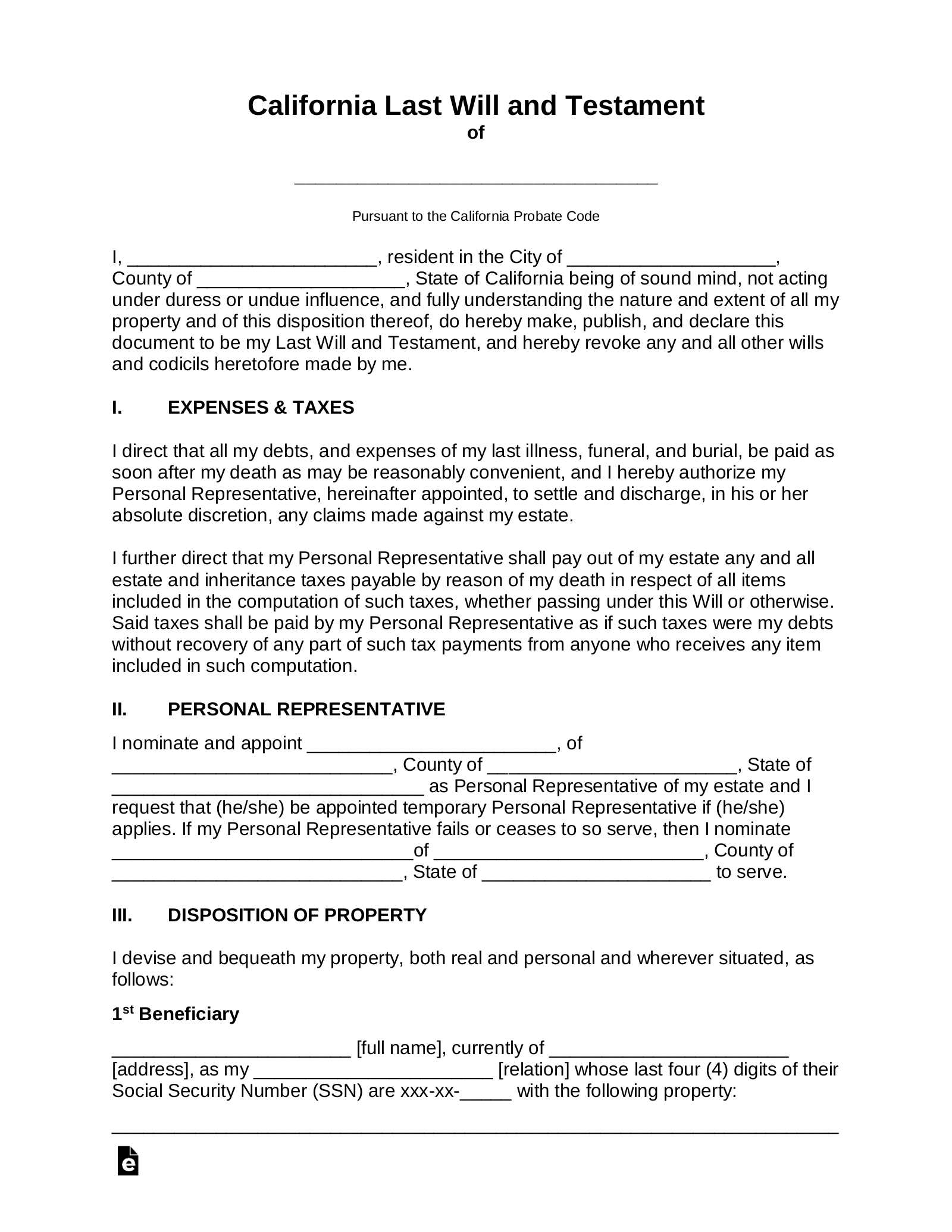
A will, or last will and testament, is a legal document that dictates how your property should be distributed. It also allows you to name guardians for minor children, a critical consideration for parents who might be exploring the world with their families or leaving them in trusted care. Without a will, your estate is subject to California’s intestacy laws, which may not align with your intentions. Imagine spending a lifetime building a diverse collection of assets – from a charming apartment in San Francisco, to a ski lodge near Lake Tahoe, and perhaps even unique art pieces acquired during a cultural tour through Europe. Without a will, the state could determine who inherits these treasures, potentially overlooking your specific wishes for beneficiaries or even charities supporting causes close to your heart, such as the preservation of historical landmarks or the promotion of local culture in your favorite destinations.
This is particularly pertinent for individuals embracing a dynamic lifestyle that often involves property in multiple locations or a blend of tangible and digital assets. Consider the value of your frequent flyer miles, hotel loyalty points from chains like Marriott Bonvoy or Hilton Honors, or even beloved travel blogs and photographic archives from years of global exploration. A carefully constructed will ensures these elements of your modern legacy are thoughtfully managed and passed on according to your desires, providing an unparalleled sense of security as you plan your next unforgettable trip.
Navigating the Golden State’s Legal Trails: Key Requirements for Validity
Just as every country has its own entry requirements, every state has specific legal stipulations for a valid will. California, with its distinctive legal framework, has clear rules designed to ensure that your will stands up in court. Understanding these ensures your estate plan is as sound as a reservation at a five-star luxury resort after meticulous planning.
The key requirements for a valid California will include:
- Age and Mental Capacity: The testator (person making the will) must be at least 18 years old and of sound mind. This means you must understand that you are creating a document that distributes your property after your death, and you must know the general nature and extent of your property and your natural beneficiaries. This requirement is generally straightforward for most adults but ensures the will reflects genuine intent.
- Written Document: The will must be in writing. Oral wills, often romanticized in fiction, are generally not recognized in California. This written format provides clarity and reduces ambiguity, much like a confirmed booking ensures your accommodation is ready upon arrival.
- Signature: The testator must sign the will, or another person must sign on their behalf in their presence and at their direction. This personal endorsement is the bedrock of the will’s authenticity. Whether you’re signing documents for a villa purchase in Tuscany or a new condo in Miami, your signature is your commitment.
- Witnesses: Two credible witnesses must sign the will in the testator’s presence, understanding that they are signing a will. Crucially, they should not be beneficiaries of the will. This rule prevents conflicts of interest and adds an impartial layer of verification. Imagine having two trusted, unbiased friends confirm your intentions, ensuring your wishes are clear for all, from Los Angeles to Napa Valley.
These requirements ensure that the will is a true reflection of the testator’s wishes, providing security for your loved ones and peace of mind for you, whether you’re enjoying the surf in Malibu or exploring ancient ruins on a distant continent.
Charting Your Course: Types of Wills and Strategic Planning for a Modern Lifestyle
The journey of estate planning offers different pathways, each suited to varying complexities of life and assets. From the simplest stroll to a comprehensive expedition, choosing the right type of will is paramount to ensuring your legacy is preserved precisely as you intend.
Choosing Your Vessel: Holographic, Statutory, or Attorney-Drafted?
Understanding the different types of wills available in California is like selecting the right mode of transportation for your journey – each has its advantages and is best suited for particular circumstances.
- Holographic Will: A will written entirely in the testator’s own handwriting and signed by them. It does not require witnesses. While simple and convenient, especially if you find yourself needing to draft a will quickly while on a prolonged adventure or away from legal resources, these can sometimes lead to interpretation issues due to informal language or lack of legal precision. It’s akin to navigating with a handwritten map; it gets the job done but might lack the detailed clarity of a professionally produced one.
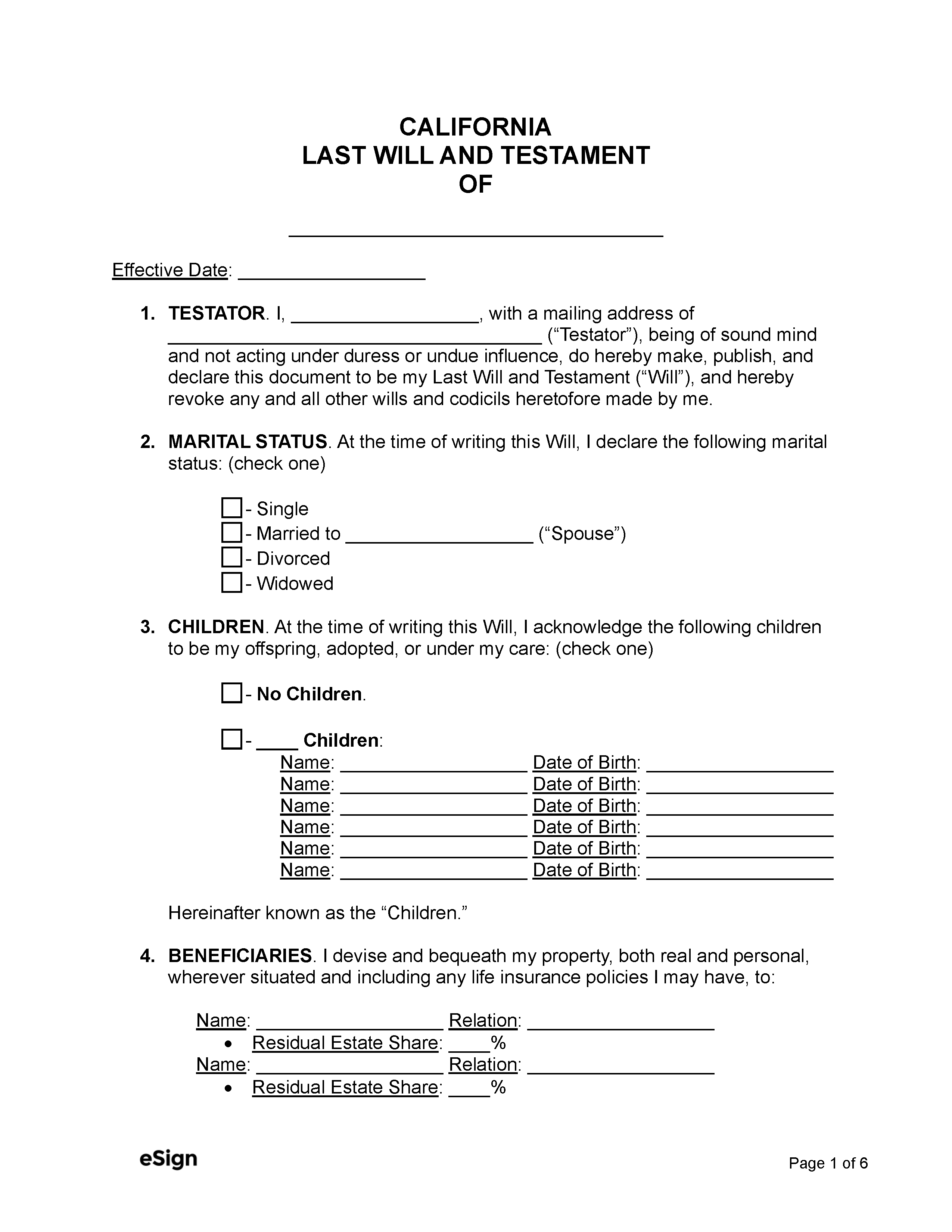
- Statutory Will: California offers a fill-in-the-blank statutory will form. It’s straightforward, accessible, and an excellent option for individuals with relatively simple estates. It’s like booking a standard hotel room through a popular online portal – efficient and effective for basic needs, but it may not cover complex estates or highly specific wishes, such as intricate arrangements for a family business or diverse investment portfolios that span different countries.
- Attorney-Drafted Will: Prepared by a legal professional, these wills are tailored to your specific circumstances, offering comprehensive estate planning. This is often recommended for most individuals, particularly those with complex assets, minor children, or specific wishes regarding charitable contributions (perhaps to a foundation dedicated to preserving World Heritage Sites). An attorney-drafted will is like hiring a bespoke travel consultant to curate a once-in-a-lifetime luxury travel itinerary – it’s customized, legally robust, and designed to anticipate every contingency, ensuring all your unique assets, from a private jet to a cherished art collection from Florence, are distributed precisely as you envision.
Your Estate’s Itinerary: Steps to Crafting a Comprehensive Will in the Golden State
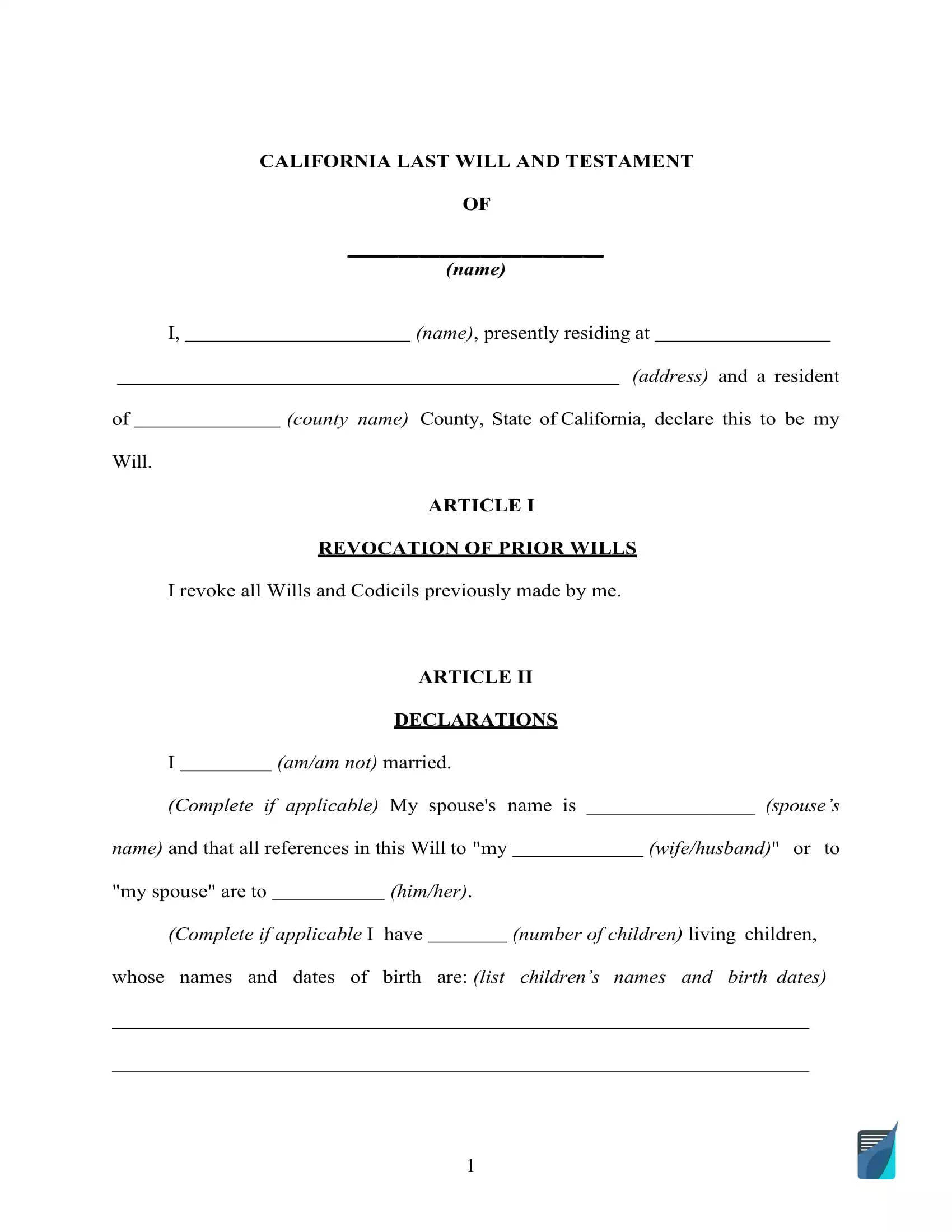
Creating a will is a structured process, much like planning a multi-stop journey. Each step ensures clarity, legality, and alignment with your deepest desires for your legacy.
- Assess Your Assets and Debts: Begin by listing all your property (real estate, bank accounts, investments, personal belongings) and liabilities. For the traveler or individual with a rich lifestyle, this might include a ski chalet in Aspen, a beach condo in Santa Monica, valuable artifacts collected from South American expeditions, digital assets like photography copyrights, or even ownership stakes in boutique hotels.
- Choose Your Beneficiaries: Decide who will inherit your property. Be specific about percentages or particular items. This is where you can truly express your legacy, perhaps leaving a special piece of jewelry to a loved one, or dedicating a portion of your estate to an organization that promotes sustainable tourism in your favorite destinations.
- Appoint an Executor: This person will manage your estate and ensure your wishes are carried out. Choose someone trustworthy and capable, much like selecting a reliable tour guide for an important expedition. They need to understand legal processes and be able to navigate administrative tasks.
- Designate Guardians for Minor Children (if applicable): If you have children under 18, this is crucial for their well-being. For parents who may travel extensively, securing designated guardians provides immense peace of mind, knowing your children’s care is settled should the unthinkable occur.
- Consider a Backup Plan: Name alternate beneficiaries and executors in case your primary choices are unable or unwilling to serve. This foresight acts as a contingency plan, ensuring that if your initial route is blocked, there’s an alternative path, preventing your estate from falling into intestacy.
- Consult an Attorney: Especially for complex estates or those with international assets, an attorney can provide invaluable advice and ensure legal compliance. Their expertise is akin to having a seasoned navigator for uncharted waters, guaranteeing your will is legally sound and fully reflective of your desires, whether your assets are in California or Dubai.
- Sign and Witness Your Will: Follow the legal requirements for signing and witnessing to ensure validity. This final step formalizes your wishes, making them legally binding and ready to guide your estate securely into the future.
Protecting Your Legacy: Beyond the Will for the Globetrotting Californian
While a will is the cornerstone of estate planning, a truly comprehensive strategy for those with a dynamic lifestyle and diverse assets often extends beyond it. Consider these additional documents as essential tools in your estate planning toolkit, much like having a multi-functional gadget on a long trip.
Common Pitfalls: Avoiding Turbulence in Your Estate Plan
Just as an unexpected delay can disrupt a meticulously planned journey, certain oversights can derail your estate plan. Being aware of these common mistakes can save your loved ones significant stress and expense.
- Not having a will at all: This is the most significant oversight. It leaves your estate subject to state intestacy laws, which rarely align with personal preferences, especially when considering unique assets or beneficiaries with special needs.
- Failing to update your will after major life events: Life changes dramatically. Marriage, divorce, the birth or adoption of children, significant changes in assets, or even acquiring a new vacation property in Hawaii or selling a luxury condo in Beverly Hills all necessitate a review. Not updating your will is like using an outdated travel guide – you might miss crucial new information or encounter unexpected challenges.
- Not following proper signing and witnessing procedures: A technically flawed will can be invalidated, rendering all your careful planning moot. Always ensure every legal formality is met.
- Using ambiguous language that can lead to disputes: Vague instructions can lead to costly legal battles among beneficiaries. Clarity is paramount, especially for unique assets like a valuable collection of vintage maps or an interest in a boutique hotel venture.
- Naming a beneficiary who has already passed away without a backup plan: Always have contingent beneficiaries to avoid unintended outcomes.
Comprehensive Planning: Trusts and Directives for a Smooth Voyage
For those whose lifestyle involves complex assets, international considerations, or a desire for greater control over asset distribution, integrating trusts and other directives alongside your will is highly recommended.
- Trusts: These legal entities can help avoid probate (the public and often lengthy legal process of validating a will), manage assets for beneficiaries, and provide for individuals with specific needs or minor children. For a Californian with multiple properties – perhaps a vineyard in Napa Valley, a beachfront retreat in Big Sur, and investments abroad – a trust offers flexibility and privacy, making asset management smoother and potentially minimizing estate taxes. It’s a sophisticated financial vehicle that can keep your estate’s journey private and efficient, much like private jet travel.
- Power of Attorney: This document designates someone to make financial decisions on your behalf if you become incapacitated. This is invaluable for travelers who might be far from home or facing an emergency during an international trip. It ensures your bills are paid and investments managed, even if you’re momentarily unable to act.
- Advance Healthcare Directive: This specifies your medical wishes and appoints a healthcare agent to make decisions on your behalf if you cannot. This provides critical peace of mind, allowing you to embark on adventurous expeditions or explore remote destinations knowing your healthcare preferences are clearly articulated and legally recognized.
Maintaining Your Map: Keeping Your Will Current in a Changing World
Life is a dynamic voyage, constantly evolving with new experiences, relationships, and responsibilities. Just as you update your travel apps and refresh your bucket list, your will needs regular review and occasional adjustments to remain a true reflection of your current wishes and circumstances.
Life’s Evolving Journey: When to Update Your Estate Plan
A will is not a static document to be filed away and forgotten. It’s a living testament that should evolve with your lifestyle and life events. Think of it as regularly servicing a luxury vehicle or updating your itinerary for a long trip; periodic checks ensure it performs optimally and meets your current needs.
Review your will periodically, especially after:
- Marriage or divorce: These events fundamentally alter beneficiary designations and spousal rights. A new marriage can revoke prior wills, while divorce often removes ex-spouses as beneficiaries.
- Birth or adoption of children: Welcoming new family members requires updating guardianship designations and including them as beneficiaries. This is particularly vital for parents who frequently explore family-friendly destinations across the United States and beyond.
- Significant changes in assets or financial situation: Inheriting a family vacation home, selling a valuable business, making a substantial new investment in a hotel chain or a new property near Disneyland, or experiencing a major shift in wealth all warrant a review. Your will should accurately reflect your current estate size and composition.
- Relocation to another state or country: Different state laws might apply, potentially affecting the validity or interpretation of your will. If you move from California to, say, Mexico or another U.S. state for an extended period, seek legal counsel to ensure your will remains effective in your new jurisdiction. This is akin to understanding local laws and customs when settling into a new travel destination.
- The death of a beneficiary or executor: If a designated person passes away, your will needs to be updated to name new alternatives, ensuring your backup plans are always current and viable.
Regularly updating your will ensures that your legacy truly reflects your journey through life, providing continuous peace of mind as you continue to explore the world and embrace all that California has to offer. Whether you’re planning your next road trip along Highway 1 to Big Sur or contemplating a retirement villa in the Mediterranean, knowing your estate is in order allows you to live life to the fullest.
Conclusion
Creating a will in California is far more than a legal formality; it’s an essential act of foresight and care, a foundational element of a well-lived and thoughtfully planned lifestyle. For those who cherish the freedom of travel, the excitement of exploration, and the richness of diverse experiences, a meticulously crafted will offers the ultimate peace of mind. It allows you to embark on new journeys, whether to the bustling streets of Hollywood or a tranquil retreat in Yosemite, with the confidence that your loved ones and your legacy are secure.
By understanding the requirements, choosing the right type of will for your unique circumstances, and proactively addressing your estate planning needs, you ensure your final wishes are clearly articulated and legally binding. This proactive step safeguards your assets, provides for your beneficiaries, and grants you the liberty to fully embrace the world, knowing your personal affairs are in order. Don’t delay this important aspect of your financial and personal planning. Secure your legacy today, and continue to explore, experience, and enjoy the wonders of life, both at home in California and across the globe.
LifeOutOfTheBox is a participant in the Amazon Services LLC Associates Program, an affiliate advertising program designed to provide a means for sites to earn advertising fees by advertising and linking to Amazon.com. Amazon, the Amazon logo, AmazonSupply, and the AmazonSupply logo are trademarks of Amazon.com, Inc. or its affiliates. As an Amazon Associate we earn affiliate commissions from qualifying purchases.