
In an age where global adventures, diverse investments, and unique lifestyle choices define our paths, protecting our legacy has become more critical than ever. Whether you’re a seasoned traveler with properties across continents, a digital nomad with a portfolio of digital assets, or simply a resident of the Golden State building a life and family, a well-crafted will is the cornerstone of responsible estate planning. Living in California, a state renowned for its innovative spirit, stunning landscapes, and diverse communities from the bustling streets of Los Angeles to the iconic hills of San Francisco, means navigating specific legal frameworks. This guide will walk you through the essential steps to writing a valid will in California, ensuring your wishes are honored and your loved ones are cared for, no matter where your journey takes you. It’s not just about legalities; it’s about providing peace of mind, securing your assets, and ensuring your carefully curated lifestyle continues to benefit those you cherish.
Understanding the Importance of a California Will in Your Lifestyle
For many, the concept of a will might seem a distant concern, a task for a later stage in life. However, considering the dynamic nature of modern living, the varied assets we accumulate, and the unforeseen circumstances that can arise, a will is an indispensable part of a proactive lifestyle strategy. It’s more than just a document; it’s a detailed expression of your intentions, a safeguard for your family, and a reflection of your values.
Protecting Your Legacy and Loved Ones
Imagine the peace of mind knowing that your hard-earned assets – from your home in Santa Monica or an investment property near Napa Valley to your treasured art collection acquired during travels through Europe or digital currencies – will be distributed exactly as you wish. A will empowers you to make these crucial decisions, preventing potential family disputes and ensuring your beneficiaries are precisely those you intend. This is especially vital for individuals living non-traditional lifestyles, perhaps with blended families, long-term partners, or unique charitable interests developed through a life of travel and cultural immersion. Without a will, California’s intestate succession laws will dictate who inherits your property, a process that may not align with your personal preferences or the unique needs of your loved ones. This could lead to a lengthy and costly probate process, further burdening your family during an already difficult time. For those with a passion for philanthropy, a will provides the means to leave a lasting impact, supporting causes and organizations that resonate with your life’s purpose, whether it’s contributing to global conservation efforts or local community initiatives in San Diego.
Navigating California’s Legal Landscape
Each state has its own specific requirements for what constitutes a legally valid will, and California is no exception. While the general principles of estate planning remain universal, the nuances of California law dictate how a will must be drafted, signed, and witnessed to be enforceable. Understanding these specifics is paramount to avoid potential pitfalls that could render your will invalid, leaving your estate in limbo. For instance, California is a community property state, which has significant implications for how assets acquired during marriage are handled. This particular aspect can impact how you distribute your estate, especially if you own properties in other states or countries with different property laws. Additionally, California probate courts oversee the administration of estates, and a well-drafted will can significantly streamline this process, minimizing delays and expenses for your heirs. By adhering to California’s legal framework, you ensure that your intentions are clear, legally sound, and readily executable, offering maximum protection for your estate and clarity for your family. Ignoring these state-specific requirements is akin to planning a complex international trip without checking visa requirements – it can lead to unexpected and often stressful complications.
Key Components of a Valid California Will
Crafting a will isn’t just about jotting down wishes; it’s about creating a legally binding document that accurately reflects your intentions and stands up to scrutiny. Understanding the fundamental elements required by California law is the first step towards securing your legacy.
Essential Elements for a Legally Sound Document
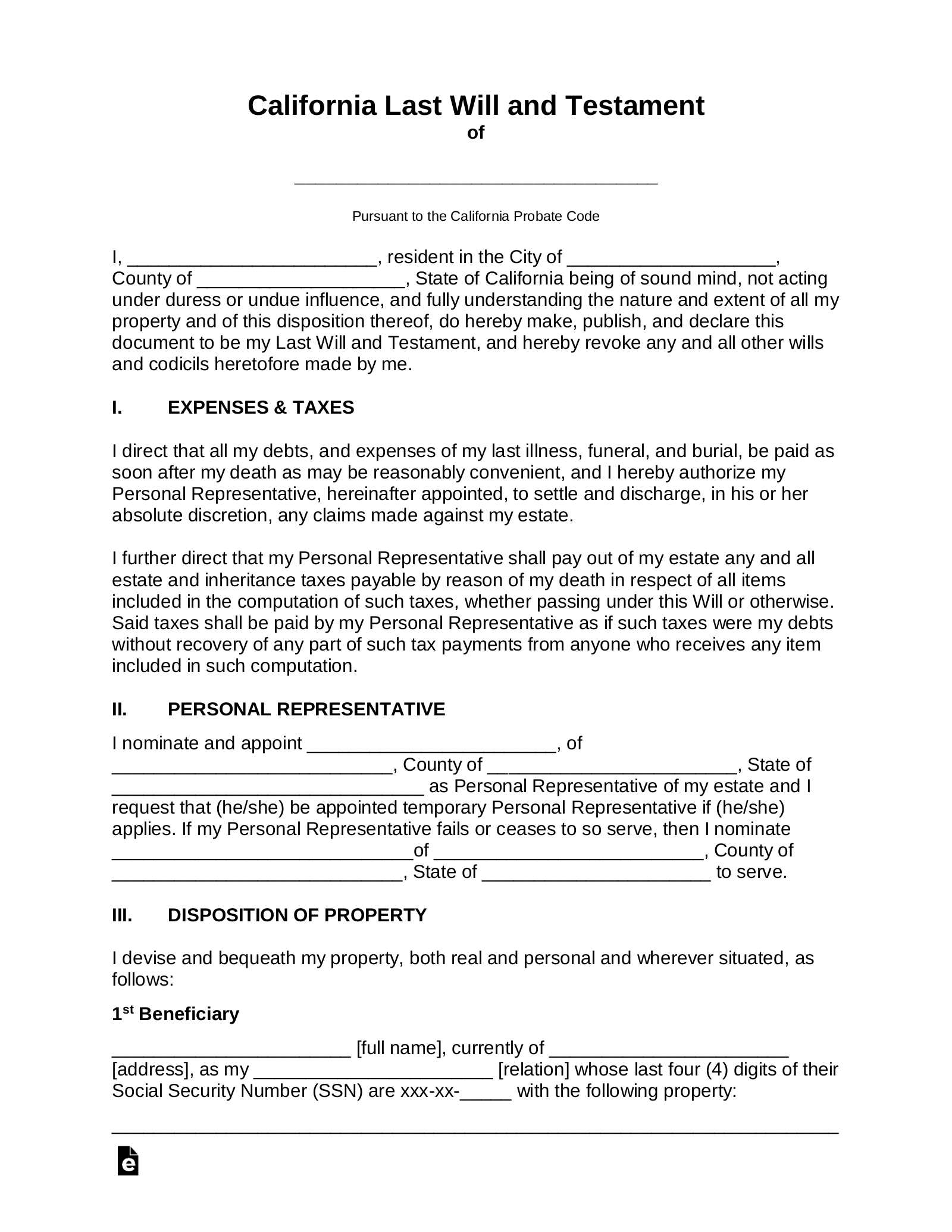
For a will to be valid in California, it must generally meet several key criteria. Firstly, the testator (the person making the will) must be at least 18 years old and of sound mind, meaning they understand the nature of the document they are signing and the extent of their property. The will must also be in writing. While holographic wills (handwritten and unsigned by witnesses) are recognized in California if the material provisions are in the testator’s handwriting, it is generally safer and highly recommended to have a formal will that is typed and properly executed. This formal will must be signed by the testator, or by another person in the testator’s presence and at their direction. Crucially, it must also be signed by at least two witnesses, each of whom must be present at the same time and witness either the signing of the will or the testator’s acknowledgment of the signature or of the will. These witnesses must understand that the document they are signing is the testator’s will and should not be beneficiaries of the will, as this could invalidate their gift. These stringent requirements ensure the authenticity and integrity of the document, protecting against fraud or undue influence, which is vital for any comprehensive lifestyle planning.
Designating Your Executor and Beneficiaries
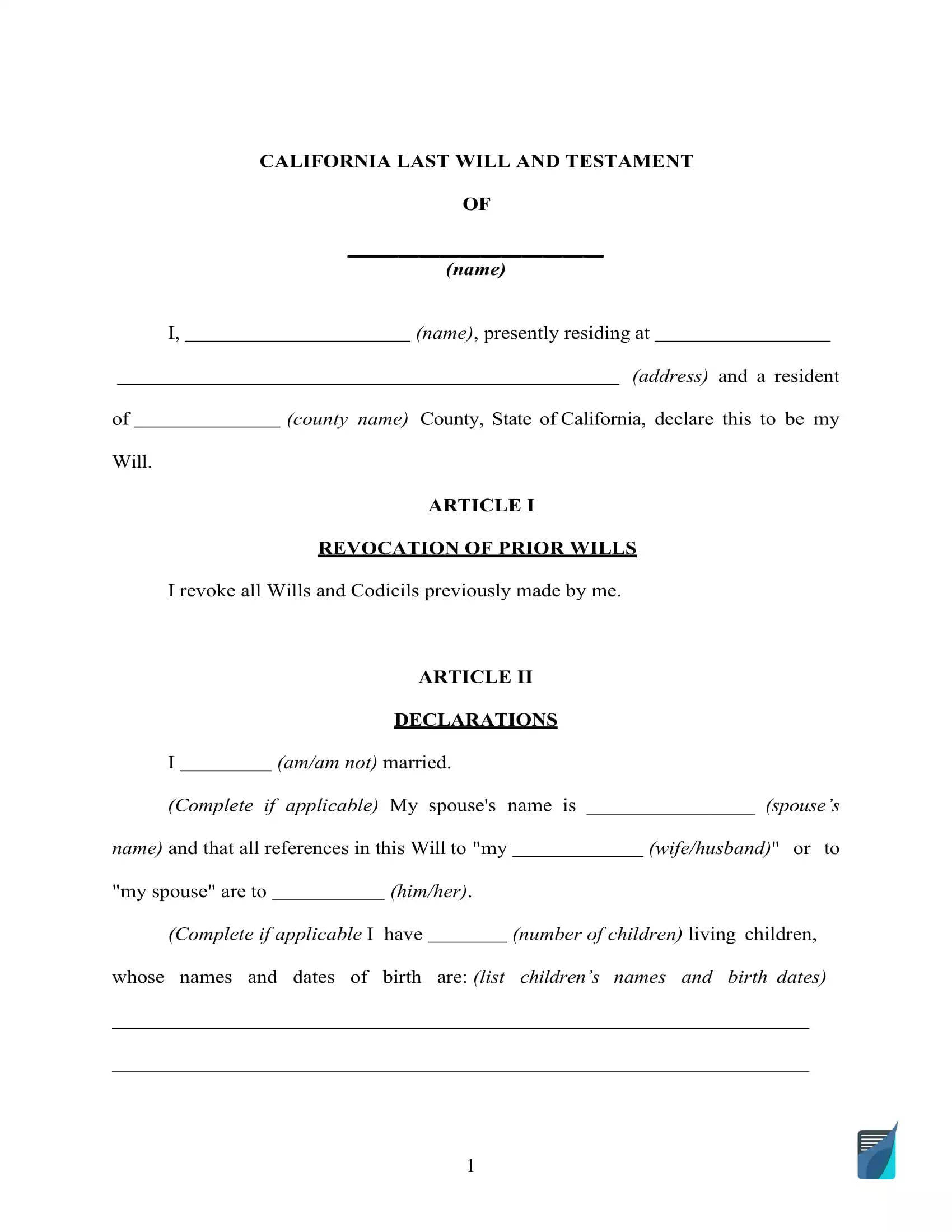
Two of the most critical decisions you’ll make when writing your will involve designating your executor and your beneficiaries. Your beneficiaries are the individuals, charities, or organizations that will inherit your assets. This could include family members, friends, or even a foundation you established during your travels to support a specific cause. Be as specific as possible when naming beneficiaries, using full legal names to avoid ambiguity. You should also name contingent beneficiaries in case your primary beneficiaries predecect you. Your executor (sometimes called a personal representative) is the person or entity responsible for carrying out the instructions in your will. This role is significant, involving tasks such as identifying and inventorying assets, paying debts and taxes, and distributing property to beneficiaries. Choosing an executor requires careful consideration; they should be trustworthy, organized, and capable of handling legal and financial matters. For those with complex estates, perhaps including a luxury condominium overlooking Beverly Hills or investment portfolios managed across different countries, selecting an executor with experience in such matters or a professional fiduciary might be prudent. This individual will serve as the guiding hand for your estate, ensuring your legacy is handled with care and efficiency, much like a trusted travel agent manages a complicated itinerary.
Specific Provisions for Travelers and Property Owners
For individuals who lead a life of travel and possess a diverse portfolio of assets, a California will can be tailored to address these unique circumstances. If you own properties outside of California, perhaps a vacation villa in Mexico or a flat in Paris, your will can specify how these assets should be handled. However, it’s often advisable to consult with legal counsel specializing in international estate law, as foreign properties may be subject to the laws of their respective countries. Furthermore, with the increasing importance of digital assets – from cryptocurrency holdings and valuable online accounts to intellectual property developed over a career – your will should include clear instructions for accessing and managing these. You can designate a digital executor to handle these accounts. For those who frequently stay in high-end accommodations like the Ritz-Carlton Laguna Niguel or the Fairmont San Francisco, and might have unique possessions stored or acquired in various locations, your will can contain specific clauses to ensure these items are accounted for. This level of detail helps prevent complications, especially if your assets are dispersed globally, and ensures your intentions for every aspect of your diverse lifestyle are clearly documented.
The Step-by-Step Process: Crafting Your California Will
Creating a will might seem daunting, but by breaking it down into manageable steps, you can ensure a comprehensive and legally sound document that reflects your wishes. This systematic approach ensures no detail is overlooked, providing you with confidence in your estate plan.
Gathering Your Information and Assets
The initial and most crucial step in writing your will is to compile a thorough inventory of all your assets and liabilities. This isn’t limited to real estate, such as your primary residence or a rental property in Malibu. It extends to financial accounts (bank accounts, investment portfolios, retirement funds), personal property (vehicles, jewelry, art collections, heirlooms, furniture), and even intellectual property (copyrights, patents, trademarks). For the modern traveler, this might also include unique items collected from around the world or even digital assets like cryptocurrency, NFTs, or valuable online content. Don’t forget to list any debts you may have, such as mortgages, loans, or credit card balances, as these will need to be addressed by your estate. Additionally, gather important personal information, including the full names and contact details of your potential beneficiaries, your chosen executor, and any guardians you wish to appoint for minor children. Having all this information organized beforehand will significantly streamline the drafting process and minimize the chances of overlooking critical details. Think of it like preparing for a major expedition – detailed planning and inventory are key to success.
Drafting Your Will: DIY vs. Professional Assistance
Once you have all your information, the next decision is how to draft the will. There are generally two approaches:
- Do-It-Yourself (DIY): Numerous online platforms and software programs offer templates and guides for creating a will. This can be a cost-effective option for individuals with straightforward estates, minimal assets, and clear beneficiary designations. It might appeal to those who manage most aspects of their life independently, much like planning a trip along the Pacific Coast Highway without a tour guide. However, even with user-friendly interfaces, it’s essential to understand California’s specific legal requirements to ensure validity. A poorly drafted DIY will can lead to costly probate battles and fail to achieve your intentions.
- Professional Assistance: Engaging an experienced estate planning attorney is highly recommended, especially for those with complex estates, significant assets, unique family dynamics (e.g., blended families), or those owning property in multiple jurisdictions. An attorney can provide personalized advice, help you navigate California’s intricate laws, minimize estate taxes, and draft a document that perfectly aligns with your specific wishes. They can also advise on other estate planning tools, such as trusts, which might be more suitable for your situation. While this option involves a greater financial investment upfront, the peace of mind and potential cost savings for your heirs in the long run can be invaluable. For those whose lifestyle includes international investments or unique assets, like a collection of vintage wines from California Wine Country, a lawyer’s expertise is almost essential.
Signing and Witnessing Requirements
This step is where your meticulously drafted document transforms into a legally binding will. In California, strict protocols must be followed during the signing and witnessing process:
- Testator’s Signature: You, as the testator, must sign the will. This signature must be made in the presence of at least two witnesses.
- Witnesses’ Presence: The two witnesses must be present at the same time, observing you sign the will or acknowledge your signature or the will itself.
- Witnesses’ Signatures: Immediately after, the two witnesses must also sign the will in your presence and in each other’s presence. They must understand that the document they are signing is your will. As mentioned earlier, witnesses should ideally not be beneficiaries of the will, as this could lead to complications.
- No Notary Required (but Recommended): While California law does not explicitly require a will to be notarized to be valid, it is highly recommended to have a “self-proving affidavit” attached to the will and notarized. A self-proving affidavit is a sworn statement by you and your witnesses, made before a notary public, affirming that the will was properly executed. This affidavit doesn’t make the will valid if it wasn’t otherwise, but it can significantly simplify the probate process by eliminating the need for witnesses to appear in court to attest to the will’s authenticity. This final step is crucial for ensuring the will’s enforceability and preventing future challenges, much like getting your passport stamped after a successful trip abroad.
Beyond the Will: Comprehensive Estate Planning for a Well-Traveled Life
While a will is a foundational element, a truly robust estate plan, particularly for individuals with dynamic lifestyles, often extends beyond this single document. Comprehensive planning ensures all aspects of your life, from healthcare decisions to avoiding probate, are meticulously addressed.
The Role of Trusts in Asset Protection
For many California residents, especially those with significant assets, intricate family structures, or a desire to maintain privacy, a living trust can be a powerful complement to a will. A trust allows you to transfer ownership of your assets (like your home, investments, or even intellectual property related to your travel blog) into the trust during your lifetime. You, as the grantor, typically serve as the initial trustee and beneficiary, maintaining full control over your assets. Upon your passing, a successor trustee you designated manages and distributes these assets according to your instructions, often without the need for probate court intervention. This offers several key advantages: it can help avoid the public and potentially lengthy probate process, provides greater privacy regarding your assets, and allows for more complex distribution schemes, such as providing for a beneficiary with special needs or establishing ongoing support for a beloved pet. For those who own properties in multiple states or countries, like a luxury hotel suite through a fractional ownership model in Las Vegas or a timeshare near Disneyland Park, a trust can simplify their transfer and management. While a will dictates who inherits what, a trust dictates how and when those assets are distributed, offering a finer level of control over your legacy.
Power of Attorney and Advance Healthcare Directives
Beyond asset distribution, a comprehensive estate plan addresses personal and medical decisions during your lifetime. A Durable Power of Attorney for Financial Matters allows you to designate an agent (an “attorney-in-fact”) to manage your financial affairs if you become incapacitated and unable to do so yourself. This could involve paying bills, managing investments, or handling property transactions. For frequent travelers, this document is invaluable; imagine being incapacitated while exploring Yosemite National Park or on an international trip – a trusted agent can step in to manage your financial responsibilities. Similarly, an Advance Healthcare Directive (also known as a Living Will or Power of Attorney for Healthcare) empowers you to make critical decisions about your medical care in advance. This document allows you to appoint a healthcare agent to communicate your wishes regarding medical treatments, life support, and end-of-life care if you are unable to speak for yourself. These directives are paramount for ensuring your personal autonomy is respected, particularly when unforeseen health crises strike, whether you’re at home in Hollywood or exploring the wonders of the world. Together, these documents provide a safety net, ensuring your well-being and financial stability are managed according to your wishes, even when you cannot act on your own behalf.
Regularly Reviewing and Updating Your Estate Plan
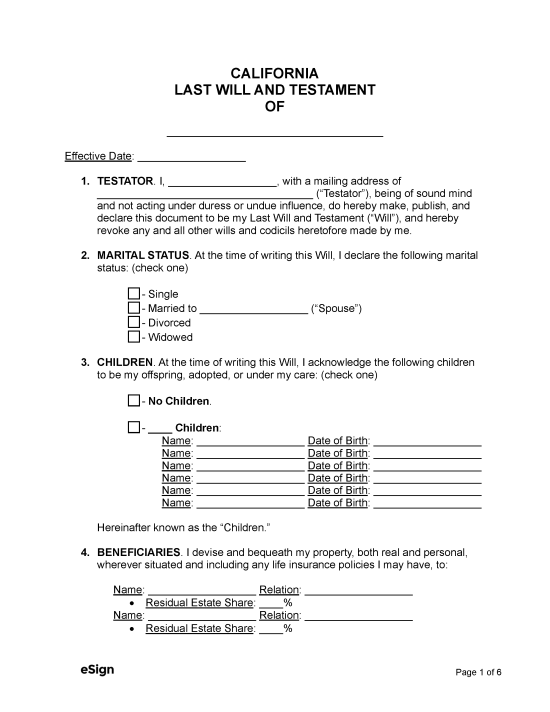
An estate plan is not a static document; it’s a living blueprint that should evolve with your life. Major life events warrant a review and potential update of your will and other estate planning documents. These events can include marriage or divorce, the birth or adoption of children, the death of a beneficiary or executor, significant changes in your financial situation (e.g., buying a new property, starting a successful business, or major stock market fluctuations), or even a change in your residence to another state or country. A shift in your travel habits or the acquisition of new assets, like a luxury travel membership or a vacation home in a foreign country, should also trigger a review. California laws can also change, making it essential to ensure your documents remain compliant and effective. It’s generally a good practice to review your entire estate plan every 3-5 years, or whenever a major life event occurs. This proactive approach ensures that your will continues to accurately reflect your wishes, protects your beneficiaries effectively, and aligns with your current lifestyle and financial circumstances. Regular updates are the best way to maintain peace of mind, knowing that your legacy is always protected and ready for whatever life’s journey brings, from visiting the Golden Gate Bridge to traversing the globe.
Writing a will in California is an empowering step towards securing your legacy and providing invaluable peace of mind for yourself and your loved ones. It’s an integral part of living a responsible and fulfilling life, ensuring that your wishes are honored, your assets are protected, and your family’s future is secure. Whether your lifestyle is anchored in a California community or you’re constantly exploring new destinations and experiences, a well-crafted will provides the foundational security that allows you to live fully, without unnecessary worries about what comes next. Don’t defer this critical task; embrace it as an essential component of your holistic lifestyle planning, ensuring your journey’s end leaves a clear and lasting imprint exactly as you intend.
LifeOutOfTheBox is a participant in the Amazon Services LLC Associates Program, an affiliate advertising program designed to provide a means for sites to earn advertising fees by advertising and linking to Amazon.com. Amazon, the Amazon logo, AmazonSupply, and the AmazonSupply logo are trademarks of Amazon.com, Inc. or its affiliates. As an Amazon Associate we earn affiliate commissions from qualifying purchases.