
The Golden State, a land of sun-drenched beaches, towering redwoods, and majestic mountains, holds a vibrant secret in its sprawling landscapes: the California poppy. Its brilliant orange hues, often described as cups of liquid sunshine, paint hillsides and meadows, particularly during the spring. For travelers exploring the diverse attractions of California, witnessing a “superbloom” of these iconic flowers is often a bucket-list experience, a natural spectacle that rivals the grandeur of any man-made landmark. However, amidst the breathtaking beauty, a crucial question arises for many visitors: Is it illegal to pick a poppy in California? The short answer is a resounding yes, and understanding why is key to being a responsible and informed traveler in this remarkable state.
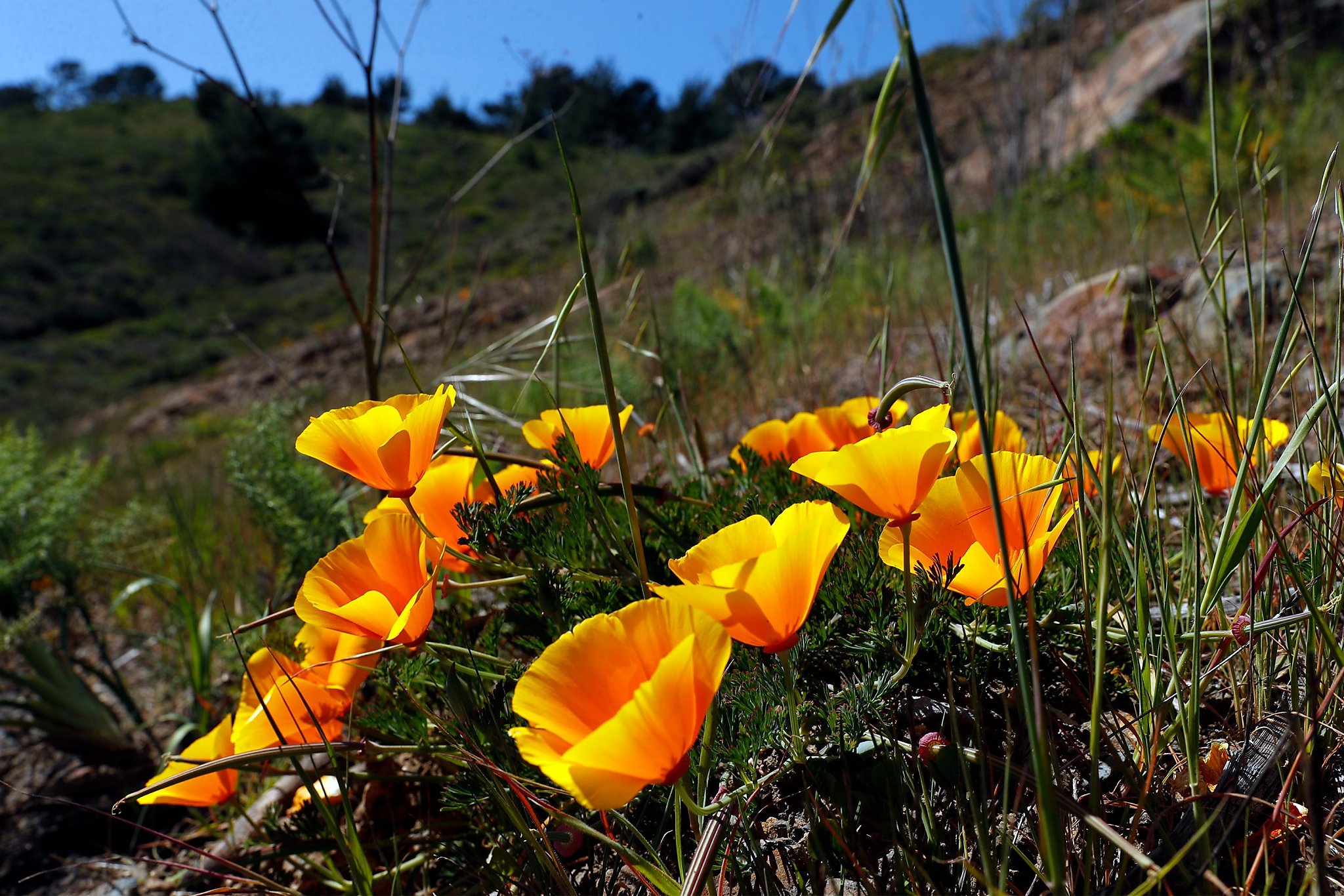
This guide delves into the legalities, ecological significance, and best practices for appreciating California’s state flower, ensuring your travel experience is both memorable and sustainable. We’ll explore the best destinations to witness these golden blooms, offer tips for ethical tourism, and help you navigate the delicate balance between enjoying nature’s wonders and preserving them for generations to come.
The Golden State’s Golden Bloom: A Natural Treasure
The allure of the California poppy (Eschscholzia californica) is undeniable. As the official state flower since 1903, it’s more than just a pretty face; it’s a symbol of California’s wild beauty, resilience, and rich ecological diversity. Its vibrant blossoms close at night and on cloudy days, only to reopen, basking in the sun, creating a dynamic, ever-changing landscape. For visitors, especially those seeking authentic experiences and a connection to local culture and nature, a superbloom event is a pilgrimage worth taking.
The Significance of the California Poppy
The California poppy plays a vital role in its ecosystem. Beyond its aesthetic appeal, it provides nectar and pollen for a variety of native pollinators, including bees and butterflies, contributing to the health and biodiversity of California’s natural habitats. Its roots help stabilize soil, preventing erosion, especially in the arid and semi-arid regions where it thrives. Culturally, it’s deeply embedded in the state’s identity, inspiring artists, poets, and conservationists alike. Its presence signals the arrival of spring, a time of renewal and vibrant life across the Golden State.
Understanding its significance helps shift perspective from merely viewing it as a beautiful plant to recognizing it as a cornerstone of California’s natural heritage. This shift is crucial for appreciating why its protection is so paramount, especially for tourists keen on experiencing the state’s natural landmarks. When you visit places like the Antelope Valley California Poppy Reserve or other scenic spots, you’re not just looking at flowers; you’re observing a complex, interconnected web of life.
Where to Witness the Spectacle
For travelers eager to immerse themselves in the poppy experience, several destinations offer prime viewing opportunities, particularly during years of heavy rainfall that lead to spectacular superblooms.
One of the most famous and protected locations is the Antelope Valley California Poppy Reserve, located in the Mojave Desert near Lancaster. This state park is specifically dedicated to preserving and showcasing the poppy fields, offering miles of well-maintained trails from which visitors can admire the blooms without disturbing them. It’s a premier attraction for nature lovers and photographers, providing a perfect blend of accessibility and pristine natural beauty. While staying in nearby Lancaster, visitors can find a range of accommodation options, from budget-friendly motels to comfortable hotels, ensuring a convenient base for their poppy-viewing adventure.
Beyond the reserve, other areas in Southern California often boast impressive displays. The Carrizo Plain National Monument in San Luis Obispo County is another vast expanse where superblooms can transform the landscape into a painter’s palette. This remote and less-developed area offers a wilder, more untamed viewing experience, attracting travelers seeking off-the-beaten-path adventures.
Even closer to major metropolitan areas, some smaller parks and open spaces, like those in the Santa Monica Mountains National Recreation Area near Los Angeles, can offer charming, albeit smaller, poppy patches. For those combining a city break with nature exploration, checking local park websites for bloom updates is a smart move. When planning such trips, considering eco-friendly hotels or unique resort experiences that align with a sustainable lifestyle can enhance the overall journey.
Understanding the Law: Why Picking is Prohibited
The sight of a vast field of vibrant orange poppies can be incredibly tempting, especially for those wanting a souvenir or a perfect photo prop. However, this temptation must be resisted. It is indeed illegal to pick the California poppy on public lands throughout the state. This law is not merely an arbitrary rule; it’s a critical component of California’s broader conservation efforts and a fundamental principle of responsible tourism.
The Legal Framework
California law, specifically California Penal Code 384a, makes it illegal to cut, mutilate, or remove any part of a plant, shrub, or tree from public lands, including state parks, national forests, and roadside areas, without permission. While the law applies to all plants, it is particularly emphasized for the California poppy due to its iconic status and the high volume of visitors it attracts. Violators can face fines, and in some cases, even more severe penalties.
Moreover, certain rare or endangered plant species within California are protected under the California Endangered Species Act (CESA) and the federal Endangered Species Act (ESA). While the common California poppy itself is not endangered, the general principle of protecting native flora is strongly enforced. Tourists should extend the same respect to all plant life, assuming it is protected unless explicitly stated otherwise. Ignorance of the law is not an excuse, and authorities, particularly in popular viewing areas like the Antelope Valley California Poppy Reserve, are vigilant in enforcing these regulations.
The legal repercussions are designed to deter actions that could collectively devastate natural populations. Even one person picking a few flowers might seem innocuous, but when thousands of visitors do the same, the cumulative impact can be catastrophic for the ecosystem. This perspective underscores why individual actions have collective consequences, especially in heavily visited tourist destinations.
Protecting Natural Habitats and Future Generations
The “why” behind the law goes far beyond legal enforcement; it’s deeply rooted in ecological preservation. Picking wildflowers, including poppies, has several detrimental effects:
- Seed Dispersal: Poppies, like many wildflowers, rely on their seeds to reproduce and ensure future generations. When flowers are picked, the natural cycle of seed production and dispersal is interrupted. This can significantly reduce the number of blooms in subsequent years, diminishing the very spectacle that draws visitors in the first place.
- Root Systems and Soil Health: Often, when a flower is picked, its root system is disturbed, or surrounding plants are trampled. This can weaken the plant, make it more susceptible to disease, and even damage the delicate soil structure, leading to increased erosion, especially on fragile desert landscapes.
- Aesthetics for All: The beauty of a poppy field lies in its vast, uninterrupted expanse of color. When patches are picked clean, it ruins the visual experience for everyone else. Responsible tourism emphasizes sharing and preserving attractions so that current and future generations can enjoy them.
- Pollinator Support: As mentioned, poppies are a food source for pollinators. Removing the flowers reduces the available sustenance for these crucial insects, impacting the broader ecological health of the area.

In essence, the law serves as a protective barrier, safeguarding the delicate balance of California’s natural environment. It’s an invitation for visitors to engage with nature respectfully, observing its beauty without causing harm. For those planning a trip, considering accommodation providers that promote sustainable practices or offer eco-tours can further support these conservation efforts.
Responsible Tourism: Enjoying Poppies Ethically
Experiencing the California poppy superbloom is an unforgettable travel experience, but it comes with a responsibility to tread lightly and respect the natural environment. Responsible tourism isn’t just about avoiding illegal activities; it’s about adopting practices that ensure the preservation of these natural wonders for everyone.
Best Practices for Viewing
To truly enjoy the poppies while minimizing your impact, follow these guidelines:
- Stay on Designated Trails: This is perhaps the most crucial rule. Walking off-trail can crush fragile plants, compact soil, and disturb insects and small animals. Designated trails are designed to guide visitors safely and preserve the surrounding ecosystem. At places like the Antelope Valley California Poppy Reserve, the trail system is extensive and well-marked, offering incredible vantage points.
- Leave No Trace: This fundamental principle of outdoor ethics means packing out everything you pack in. Do not leave behind trash, food scraps, or any other items. Your visit should leave no discernible impact on the environment. This also extends to not moving rocks, disturbing wildlife, or collecting any natural elements.
- Photography Etiquette: While capturing stunning photos is a popular activity, remember not to trample flowers for the perfect shot. Avoid stepping into dense fields for “flower bath” photos, as this inevitably damages the blooms and their roots. Instead, utilize wide-angle lenses, find natural gaps between flowers, or shoot from the edges of the fields. Many photography platforms and blogs offer tips for capturing beautiful wildflower shots without harming the environment.
- Observe Wildlife from a Distance: Poppy fields are home to various creatures, from lizards to birds. Maintain a respectful distance and avoid disturbing them.
- Check Conditions Before You Go: Poppy blooms are highly dependent on weather and rainfall. Before heading out, check the official websites of parks or reserves for bloom updates and current conditions. This saves you a wasted trip and ensures you visit when the flowers are at their peak.
- Support Local Conservation: Many parks and organizations rely on visitor donations, entrance fees, or volunteer efforts to maintain these precious landscapes. By paying entrance fees, buying from gift shops (that sell responsibly sourced items), or even just spreading awareness, you contribute to their sustainability.
Supporting Conservation Efforts
Beyond individual actions, supporting broader conservation efforts is an excellent way to give back. Many non-profit organizations, such as the California Native Plant Society, work tirelessly to protect native flora and their habitats. Donating, volunteering, or simply educating yourself and others about their mission helps foster a culture of ecological stewardship.
When choosing accommodation or guided tours, prioritize businesses that demonstrate a commitment to sustainability and responsible practices. Some eco-lodges or resorts in California actively participate in conservation programs or implement green initiatives, offering travelers a way to align their lifestyle with their travel choices. Look for certifications or stated environmental policies when booking your stay, whether it’s a luxury retreat or a budget-friendly apartment.
Alternative Ways to Appreciate Poppies
If visiting during a superbloom isn’t feasible, or if you simply want to deepen your appreciation, there are other ways to enjoy the California poppy.
- Botanical Gardens: Many botanical gardens across California, such as the Huntington Library, Art Museum, and Botanical Gardens in San Marino or the Santa Barbara Botanic Garden, cultivate poppies in their native plant sections. These offer controlled environments where you can learn about the plant and see it up close.
- Local Art and Crafts: Explore local art galleries and craft markets. You’ll often find beautiful renditions of poppies in paintings, pottery, and jewelry, serving as lovely, sustainable souvenirs.
- Responsible Seed Purchasing: If you wish to grow poppies at home, purchase seeds from reputable nurseries or seed companies that specialize in native California plants. This ensures you’re getting ethically sourced seeds and not contributing to illicit harvesting.
Beyond Poppies: Other California Natural Wonders and Regulations
The principles of responsible tourism applied to the California poppy extend to all of California’s magnificent natural landmarks and ecosystems. The state is a mosaic of diverse environments, each with its own unique flora and fauna requiring protection.
Protecting Diverse Ecosystems
From the ancient Redwood National and State Parks in the north to the otherworldly landscapes of Death Valley National Park in the east, California is home to an incredible array of protected areas. Each of these destinations has specific regulations designed to preserve its unique characteristics. Whether it’s staying on trails in Yosemite National Park, respecting marine life in the Channel Islands National Park, or being mindful of desert fragility in Joshua Tree National Park, the “leave no trace” philosophy remains universal.
Many rare and endemic plant species, some far more fragile than the common poppy, also call California home. Certain species in specific habitats are critically endangered, and disturbing them can have severe ecological consequences. Tourists are encouraged to educate themselves about the local environment of their chosen destination, whether it’s through park ranger talks, visitor center exhibits, or online resources. This proactive approach enriches the travel experience and empowers visitors to be stewards of the land.
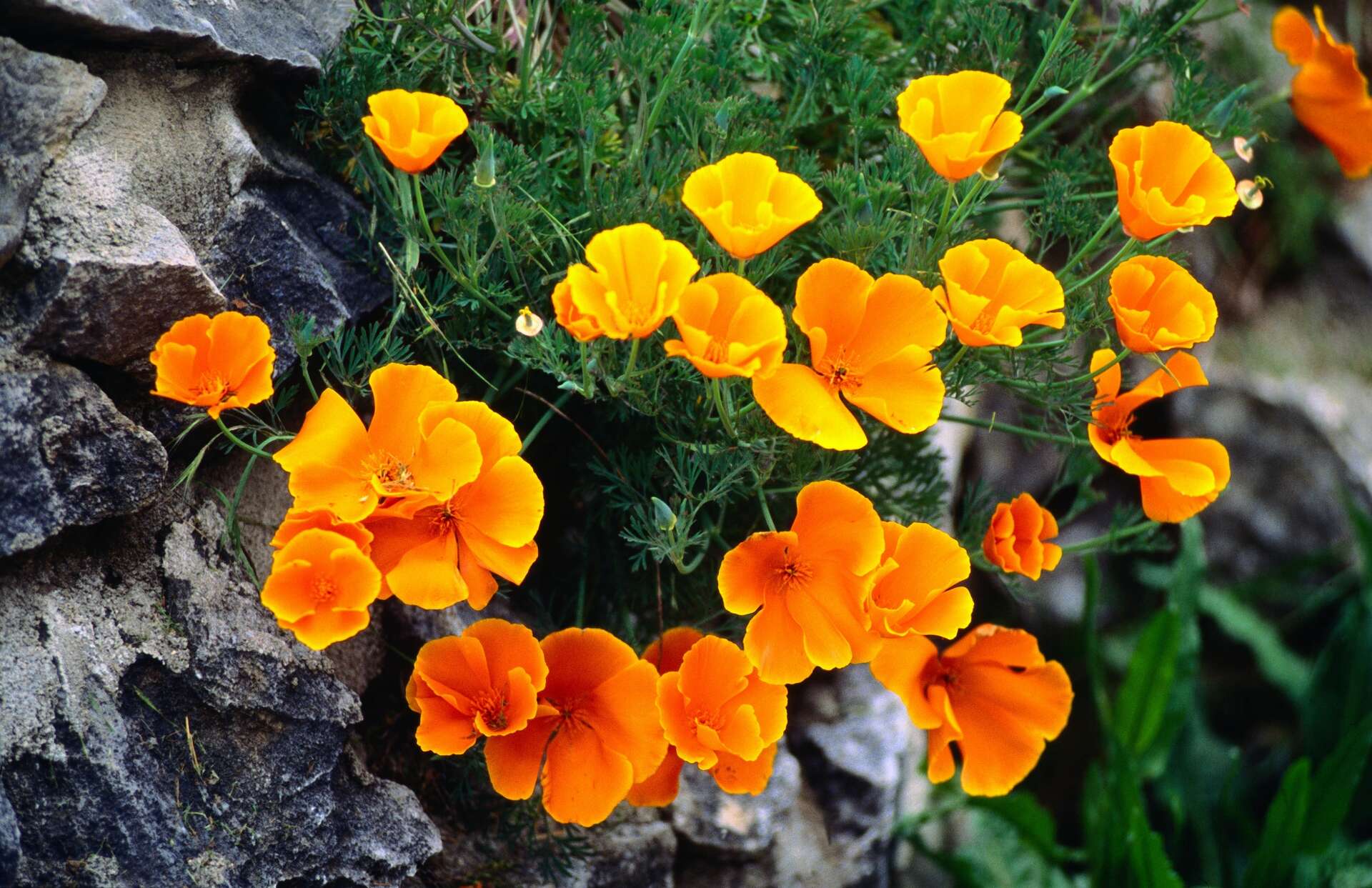
Planning Your Eco-Conscious California Adventure
Incorporating eco-consciousness into your travel plans for California is easier than ever. When planning your itinerary, consider:
- Transportation: Opt for public transport, carpooling, or electric vehicle rentals to reduce your carbon footprint, especially when visiting popular destinations like San Francisco or San Diego.
- Accommodation: Seek out hotels, resorts, or apartments that prioritize sustainability. Look for certifications like LEED, Green Seal, or those that explicitly state their commitment to reducing waste, conserving water, and using renewable energy. Many establishments cater to a lifestyle of responsible luxury or provide budget-friendly options that don’t compromise on environmental values.
- Guided Tours: Choose tour operators that emphasize responsible tourism, local culture, and environmental education. These guides often provide invaluable insights into the natural world and the importance of its preservation.
- Support Local: Patronize local businesses, restaurants, and artisans. This supports the local economy and often reduces the environmental impact associated with global supply chains.
- Education: Immerse yourself in the history and ecology of the places you visit. Understanding the significance of landmarks and natural attractions deepens appreciation and encourages respectful behavior.
By embracing these practices, your California adventure becomes more than just a trip; it transforms into a meaningful journey that contributes positively to the destinations you cherish.
In conclusion, the answer to “Is it illegal to pick a poppy in California?” is unequivocally yes, and for good reason. The California poppy is a protected symbol of the state’s natural heritage, vital to its ecosystem, and a source of immense beauty for all who visit. By understanding and respecting the laws and embracing responsible tourism practices, travelers can ensure that the golden fields of California continue to bloom brightly for many springs to come. Let’s admire their splendor, capture their beauty with our cameras, and leave them undisturbed for the next traveler, and the next generation. Your journey through California can be a testament to both adventure and stewardship.
LifeOutOfTheBox is a participant in the Amazon Services LLC Associates Program, an affiliate advertising program designed to provide a means for sites to earn advertising fees by advertising and linking to Amazon.com. Amazon, the Amazon logo, AmazonSupply, and the AmazonSupply logo are trademarks of Amazon.com, Inc. or its affiliates. As an Amazon Associate we earn affiliate commissions from qualifying purchases.