
California, the Golden State, beckons travelers with its diverse landscapes, vibrant cities, and a pioneering spirit that often sets national trends. From the sun-kissed beaches of Santa Monica to the towering redwoods of Humboldt County, it’s a destination that offers something for every kind of adventurer. Beyond its iconic landmarks and bustling metropolises like Los Angeles and San Francisco, California has also become a frontrunner in cannabis legalization, creating a unique facet for modern tourism and lifestyle experiences. For many visitors and residents alike, a key question arises when considering a move or a trip to this progressive state: “Is it legal to grow weed in California?” The simple answer is yes, for adults, within specific limits, but understanding the nuances is crucial for both personal cultivation and general cannabis enjoyment as part of your California experience.
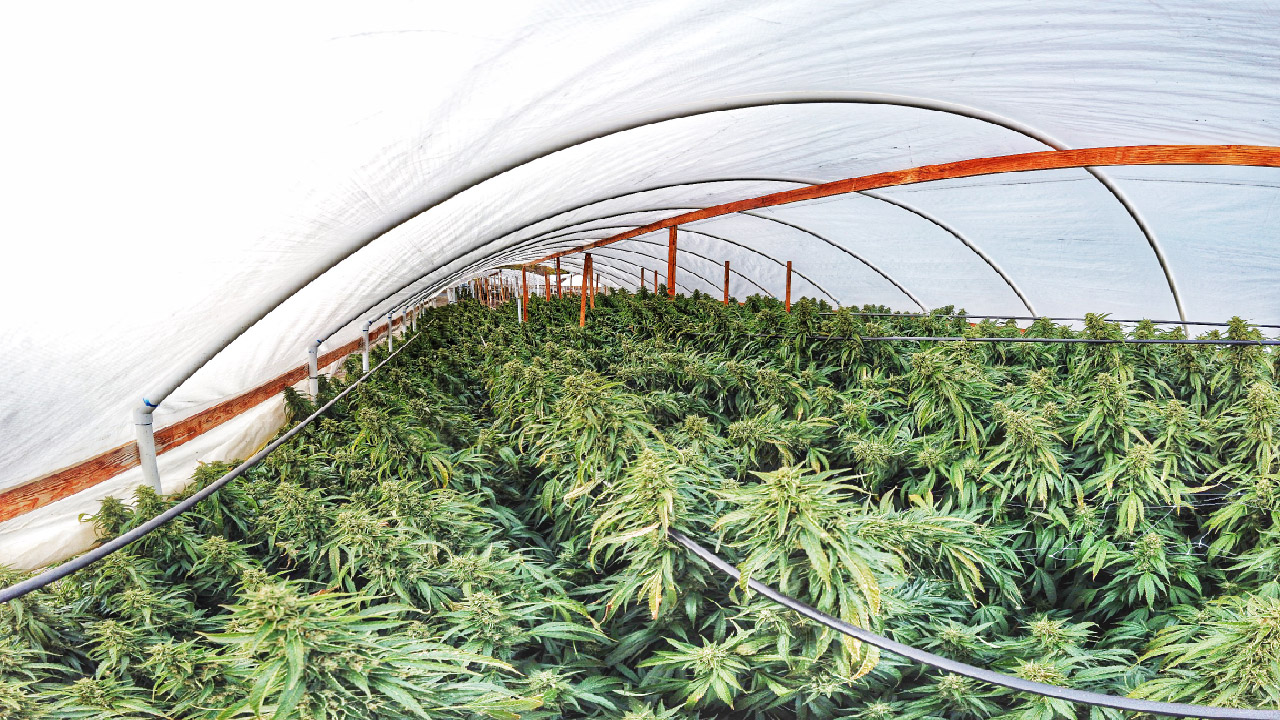
This guide delves into the specifics of cannabis cultivation laws in California, offering insights not just for aspiring home growers but also for travelers curious about the state’s cannabis culture. We’ll explore how these regulations fit into the broader context of travel, accommodation, and local lifestyle, ensuring you can navigate the state responsibly and enjoy all its offerings, from its world-class resorts to its stunning national parks.
Navigating California’s Cannabis Landscape: What Travelers Need to Know
California’s journey to cannabis legalization has been a long and groundbreaking one. While medical cannabis has been legal since 1996 with Proposition 215 (the Compassionate Use Act), the landscape truly transformed with the passage of Proposition 64, also known as the Adult Use of Marijuana Act, in November 2016. This landmark legislation made recreational cannabis legal for adults 21 and older, allowing for personal possession, consumption, and, critically, home cultivation. For tourists and prospective residents, understanding these distinctions is key to a hassle-free and enjoyable experience in the state.
Understanding Recreational vs. Medical Cannabis
Under Proposition 64, adults 21 years of age and older can legally possess up to 28.5 grams (one ounce) of cannabis flower and up to eight grams of concentrated cannabis. This means if you’re exploring the vibrant neighborhoods of Oakland, enjoying the coastal beauty of Santa Barbara, or discovering the artistic flair of Laguna Beach, you can legally purchase and carry cannabis, much like alcohol. However, it’s vital to remember that these rights are exclusively for adults aged 21 and over; underage possession or consumption is strictly prohibited and carries legal penalties.
Medical cannabis, while still legal, now operates somewhat in parallel with the recreational market. Patients with a valid medical recommendation can obtain a medical marijuana identification card, which offers certain advantages, such as higher possession and cultivation limits and exemption from sales taxes on medical cannabis purchases. While these benefits are primarily for California residents with qualifying conditions, the existence of both markets means a broader range of products and dispensaries are available throughout the state, catering to various needs and preferences.
Personal Cultivation Rights: Home Grow Specifics
One of the most exciting aspects of Proposition 64 for cannabis enthusiasts is the right to cultivate cannabis at home for personal use. Adults 21 and older are legally permitted to grow up to six cannabis plants per residence. It’s important to note this limit applies per household, not per person, even if multiple adults reside at the same address. So, whether you live in a charming bungalow in San Diego or a spacious apartment in Sacramento, the six-plant maximum remains consistent.
There are specific stipulations for home cultivation to ensure public safety and prevent diversion to the illicit market. Plants must be cultivated in a secure, locked space that is not visible from a public place. This usually means growing indoors or in a backyard that is fully enclosed by a fence. Cultivation must also take place on the grounds of a private residence, and any cultivation areas must meet specific health and safety requirements, particularly concerning ventilation and electrical systems, to prevent hazards like mold or fire. Local jurisdictions, such as cities and counties, can impose additional restrictions, like requiring indoor cultivation only or specific permitting processes. For example, some cities might require a permit if the grow operation exceeds certain size or energy consumption thresholds. Always check local ordinances in areas like Long Beach or Riverside before embarking on your home cultivation journey. Commercial cultivation, in contrast, is an entirely different beast, requiring extensive state and local licensing, strict regulatory compliance, and significant capital investment, placing it far outside the scope of personal home grow rights.
The Tourist’s Guide to Cannabis in the Golden State
For many travelers, the allure of California extends beyond its traditional attractions to its progressive cannabis culture. Integrating cannabis into a travel itinerary requires understanding where to purchase and where to legally consume, ensuring a responsible and enjoyable visit to the Golden State.
Where Can You Buy Cannabis? Dispensaries and Retail Experiences
For visitors, the primary legal avenue to obtain cannabis is through licensed recreational dispensaries. These establishments are regulated by the state and offer a safe, professional, and often educational purchasing experience. You’ll find a wide array of dispensaries across California, from sleek, modern boutiques in Beverly Hills to more community-focused shops in Oakland. To make a purchase, all you need is a valid government-issued ID proving you are 21 or older.

Inside a licensed dispensary, you’ll encounter knowledgeable staff, often called “budtenders,” who can guide you through the extensive product selection. This includes various strains of cannabis flower (Indica, Sativa, and hybrids), edibles (gummies, chocolates, beverages), vapes, concentrates, topicals, and more. Each product is tested for potency and purity, ensuring safety and consistency. Visiting a dispensary can be an attraction in itself, offering a glimpse into a uniquely Californian retail experience. Major cities like Los Angeles, San Francisco, San Diego, and Palm Springs boast numerous dispensaries, easily discoverable through online searches or cannabis-specific apps. Remember, purchasing limits apply: typically, up to an ounce of flower and 8 grams of concentrate per day.
Consumption Rules: Where Can You Enjoy Your Cannabis?
While buying cannabis is straightforward, knowing where to consume it legally is paramount. In California, public consumption of cannabis is illegal. This means you cannot smoke, vape, or consume edibles in public spaces such as parks (including federal lands like Yosemite National Park or Joshua Tree National Park), sidewalks, beaches (like Venice Beach or Laguna Beach), restaurants, or bars. It is also illegal to consume cannabis within 1,000 feet of a school, daycare center, or youth center while children are present. This also applies to federal property, which includes all national parks, even within the borders of California.
The safest and most legal place to consume cannabis is on private property, provided the property owner permits it. If you’re staying in a private rental through services like Airbnb or VRBO, it’s crucial to confirm their specific cannabis policies before consuming. Many hosts explicitly state whether their property is “420-friendly.” Mainstream hotels, like the Grand Hyatt or Ritz-Carlton, typically have strict no-smoking policies that extend to cannabis, even if it’s legal.
An exciting development in California’s cannabis scene is the emergence of licensed cannabis consumption lounges. These establishments, often attached to dispensaries, provide a legal and social environment for adults to consume cannabis. While not yet widespread in every city, places like West Hollywood and San Francisco are leading the way in opening these unique venues, offering a safe and curated experience for both locals and tourists.
Lastly, never drive under the influence of cannabis. California’s impaired driving laws are strict and apply equally to cannabis as they do to alcohol. Furthermore, transporting cannabis across state lines or internationally (e.g., to Mexico or Canada) is illegal under federal law, regardless of California’s state laws. Flying with cannabis is also prohibited, even within the United States.
Cannabis and California Travel: Lifestyle and Accommodation Considerations
The legalization of cannabis has subtly, yet significantly, reshaped the travel and lifestyle landscape in California. For those planning a visit, understanding how cannabis intertwines with accommodation and overall itinerary planning can enhance the experience, allowing for exploration of new dimensions of the Golden State.
Finding Cannabis-Friendly Accommodation
While the traditional hotel industry has been slow to fully embrace cannabis, discerning travelers can still find cannabis-friendly accommodation options across California. As mentioned, most major hotel chains maintain a strict no-smoking policy, which typically includes cannabis. This applies whether you’re staying at a luxury resort in Napa Valley or a boutique hotel in Carmel-by-the-Sea.
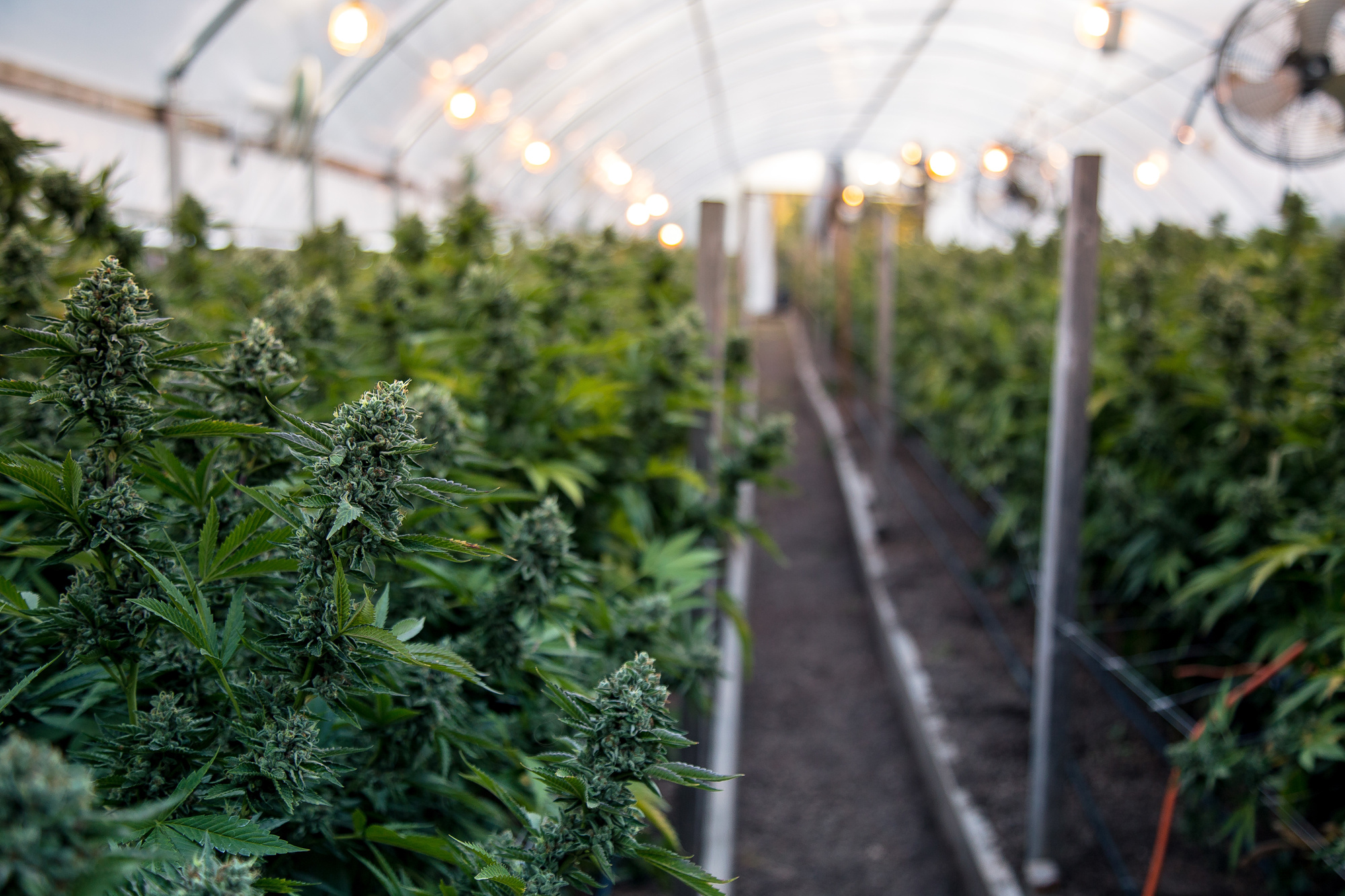
However, the rise of vacation rental platforms like Airbnb and VRBO has opened doors to more flexible options. Many hosts explicitly market their properties as “420-friendly,” indicating that cannabis consumption (often smoking outside or vaping indoors) is permitted. When booking, always check the house rules or contact the host directly to clarify their policies. Beyond individual rentals, a nascent industry of cannabis-centric hotels and resorts is emerging. These range from high-end, discreet properties that offer cannabis-enhanced experiences to more bohemian boutique hotels like The Phoenix Hotel in San Francisco, which, while not explicitly cannabis-themed, embraces a relaxed, counter-culture vibe that can appeal to such travelers. Websites and specialized booking platforms dedicated to cannabis tourism can help identify these unique lodging options in destinations like Palm Springs or near the famed Emerald Triangle counties (composed of Humboldt, Mendocino, and Trinity Counties).
Integrating Cannabis into Your California Itinerary
Responsible integration of cannabis can add a distinctive flavor to a California trip, blending with existing tourism experiences to create unique memories. Imagine pairing a visit to a Napa Valley vineyard with an afternoon at a nearby cannabis farm tour (where available and permitted), or following a day exploring Hollywood or Disneyland with a relaxing evening at a cannabis lounge in Los Angeles.
Many travelers enjoy the relaxing effects of cannabis after a long day of sightseeing, perhaps after hiking in Big Sur along the Pacific Coast Highway or exploring the historic sites of San Francisco, such as Alcatraz Island or Fisherman’s Wharf. Consider visiting dispensaries not just for purchases but for their architectural design or local art installations. Cannabis-themed tours are also gaining popularity, offering insights into the cultivation process, the history of cannabis in California, and guided visits to consumption lounges. These tours often operate in areas like Los Angeles, San Francisco, and Oakland.
However, it’s crucial to reiterate caution regarding consumption in public spaces, especially federal lands. This includes stunning destinations like Death Valley National Park, Sequoia National Park, Kings Canyon National Park, and Redwood National Park. Always consume responsibly and discreetly, prioritizing safety and adherence to local laws. Enjoying cannabis should complement, not detract from, the myriad other incredible experiences California has to offer, from marveling at the Golden Gate Bridge to exploring the artistic offerings of Balboa Park in San Diego.
In conclusion, the answer to “Is it legal to grow weed in California?” is a resounding yes for adults 21 and over, with a limit of six plants per household in a secure, private location. This personal freedom is part of a broader, progressive cannabis landscape that also offers regulated recreational sales and emerging consumption venues. For travelers, understanding these laws is key to safely exploring California’s unique cannabis culture. Whether you’re considering a permanent move to embrace the lifestyle or simply planning a vacation, knowing your rights and responsibilities will ensure a seamless and unforgettable experience in the Golden State, allowing you to fully appreciate its diverse attractions, from the bustling streets of Hollywood Walk of Fame to the serene beauty of Lake Tahoe or the picturesque vineyards of Sonoma County. Always consume responsibly, respect local regulations, and enjoy the unparalleled experiences California has to offer.
LifeOutOfTheBox is a participant in the Amazon Services LLC Associates Program, an affiliate advertising program designed to provide a means for sites to earn advertising fees by advertising and linking to Amazon.com. Amazon, the Amazon logo, AmazonSupply, and the AmazonSupply logo are trademarks of Amazon.com, Inc. or its affiliates. As an Amazon Associate we earn affiliate commissions from qualifying purchases.