
California, a state synonymous with innovation, progressive policies, and a pioneering spirit, often finds itself at the forefront of conversations around evolving social norms and legal frameworks. From its golden beaches to its towering redwoods, the Golden State has long attracted travelers and residents drawn to its diverse landscapes, vibrant cities, and a lifestyle that embraces new ideas. In recent years, one such idea has been gaining significant traction: the legal status of psilocybin, commonly known as magic mushrooms. As interest in psychedelics grows, driven by promising research into their therapeutic potential and a broader cultural shift, many — especially those planning a trip or considering a move to California — are asking a crucial question: Is psilocybe legal in California?
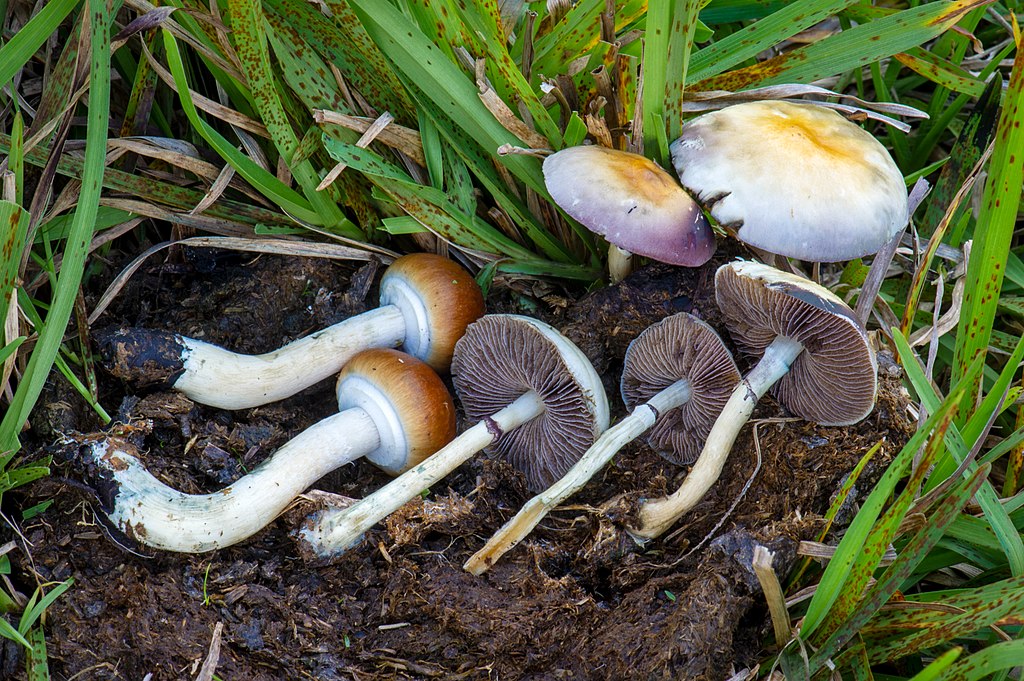
For travelers exploring the myriad attractions of California, from the bustling streets of Los Angeles and San Francisco to the serene beauty of Napa Valley or Lake Tahoe, understanding local laws is paramount. The legal landscape surrounding psilocybin is complex, marked by a fascinating interplay of federal prohibitions, state-level legislative efforts, and varying local ordinances. This article aims to demystify the current situation, offering clarity for anyone interested in the legalities of psilocybe in California and what it means for responsible travel and personal well-being within this captivating state.
The Evolving Legal Landscape of Psilocybin in California
The journey of psilocybin through the legal system in the United States and specifically in California is a testament to changing scientific understanding and public perception. For decades, psilocybin-containing mushrooms have been classified as Schedule I controlled substances under federal law, placing them in the same category as heroin and LSD, substances deemed to have a high potential for abuse and no accepted medical use. However, a growing body of research, demonstrating psilocybin’s potential in treating conditions like depression, anxiety, and PTSD, has ignited a movement for reform, particularly at the state and local levels.
Federal vs. State Laws: A Critical Distinction
At the core of the legal confusion lies the fundamental difference between federal and state jurisdiction. Federally, psilocybin remains illegal across the entire United States. This means that despite any state or local initiatives, federal agencies retain the authority to enforce these prohibitions. For individuals, this often translates to potential risks when crossing state lines or engaging in activities that might attract federal attention.
However, many states, including California, have begun to challenge the federal stance through their own legislative and policy changes. While California has not legalized psilocybin statewide, it has seen significant movement towards decriminalization. This distinction is crucial: decriminalization is not legalization. It typically means that the penalties for possession or use of small amounts of a substance are reduced from felony charges to misdemeanors, fines, or no penalties at all, often prioritizing treatment over incarceration. It does not create a regulated market for sales or production.
Decriminalization vs. Legalization: Understanding the Nuances
To truly understand the legal status of psilocybin in California, it’s essential to grasp the difference between decriminalization and full legalization.
Decriminalization: In California, several cities have taken steps to decriminalize natural psychedelics, including psilocybin. The first city to do so was Oakland in 2019, followed by Santa Cruz later that year, and then San Francisco in 2023. These local ordinances generally make the investigation and arrest of individuals involved in the possession, cultivation, or distribution of natural psychedelics (including psilocybin, mescaline, and DMT, but excluding peyote) among the lowest priorities for local law enforcement. This means that while these substances are technically still illegal under state and federal law, local police are directed to de-emphasize enforcement. Crucially, these ordinances do not permit the commercial sale or widespread distribution of these substances, nor do they protect individuals from federal prosecution. The intent is often to reduce harm, free up law enforcement resources, and reflect a community’s evolving stance on drug policy.
Legalization: Full legalization, by contrast, would involve the creation of a regulated framework for the production, sale, and consumption of psilocybin. This would typically include licensing for growers and dispensaries, quality control measures, age restrictions, and potentially specific settings for supervised use, similar to the regulated cannabis markets established in several states. As of now, California has not achieved statewide legalization for psilocybin. The conversation around medical or therapeutic legalization is ongoing, but commercial recreational legalization is still a distant prospect, if it ever materializes.
Psilocybin and the California Traveler: What You Need to Know
For those planning to visit California or residents navigating its diverse regions, understanding the localized nature of psilocybin laws is paramount. California’s allure lies in its varied experiences, from the cultural richness of its cities to the natural splendor of its national parks. Just as you’d research local customs or optimal travel times for different destinations, it’s crucial to be informed about the specific legal environment concerning psilocybin, particularly in the context of tourism and personal safety.
Navigating Local Ordinances
When traveling through California, it’s vital to remember that a patchwork of laws exists regarding psilocybin. As mentioned, cities like Oakland, Santa Cruz, and San Francisco have adopted decriminalization policies for natural psychedelics. If you are in one of these cities, local law enforcement has been directed to make enforcement of these laws a low priority. However, this does not mean you are immune from legal repercussions. State and federal laws still apply, and a determined prosecutor could still pursue charges. Furthermore, venturing outside these specific city limits, even to a neighboring town, could put you back under stricter enforcement policies.
Travelers should exercise extreme caution and diligence. Do not assume that decriminalization in one city applies statewide or even to adjacent municipalities. It is always advisable to consult local government websites or legal resources for the most up-to-date and precise information regarding specific city ordinances. The safest approach for any traveler or resident remains to avoid possession or use of federally controlled substances.
Safety and Responsible Engagement
Beyond the legal complexities, the discussion around psilocybin for travelers must also encompass safety and responsible engagement. Even in jurisdictions where decriminalization has occurred, there are no regulated markets or quality controls. This means that any psilocybin obtained would be from unregulated, potentially illicit sources, posing significant risks.
- Unknown Potency and Purity: Without regulation, there’s no guarantee of what you’re actually consuming. Products could be mislabeled, contaminated, or contain entirely different substances, leading to unpredictable and potentially dangerous effects.
- Adverse Psychological Reactions: Psilocybin can induce powerful psychological experiences. Without proper preparation, a safe setting, and professional guidance, individuals may experience anxiety, paranoia, or distressing hallucinations, especially if they have pre-existing mental health conditions.
- Legal Risks: Despite local decriminalization, the underlying illegality at state and federal levels means that engaging with psilocybin still carries legal risks, particularly for non-residents who might face harsher penalties or complications with their travel status.
- Responsible Tourism: As with any aspect of travel, responsible tourism dictates respecting local laws and customs, even those you might disagree with. Engaging in activities that are illegal, even if locally decriminalized, can detract from your travel experience and potentially lead to unforeseen complications.

The overarching advice for visitors to California is to prioritize safety, stay informed, and make decisions that align with local laws and personal well-being.
The Future of Psilocybin Policy in the Golden State
California’s reputation for being at the vanguard of social change suggests that the conversation around psilocybin’s legal status is far from over. The state has a history of leading the way in drug policy reform, notably with medical cannabis legalization in 1996 and subsequent recreational legalization. This precedent fuels optimism among advocates that psilocybin could follow a similar path.
Legislative Efforts and Ballot Initiatives
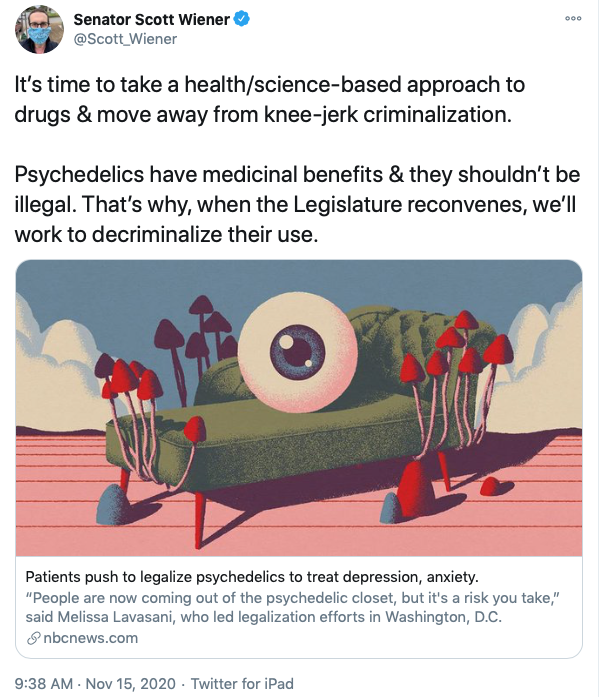
The push for statewide psilocybin reform in California has been robust, manifesting through both legislative efforts and citizen-led ballot initiatives. One of the most significant recent attempts was Senate Bill 58 (SB 58), which aimed to decriminalize the possession and personal use of certain natural psychedelics, including psilocybin, for adults 21 and over. While SB 58 successfully passed both houses of the state legislature, it was ultimately vetoed by Governor Gavin Newsom in October 2023.
Governor Newsom cited concerns about potential public safety impacts and the need for more comprehensive regulations. However, his veto also signaled an openness to future legislation, requesting that lawmakers consider setting up parameters for therapeutic access and regulated medical use. This suggests that while full decriminalization or recreational legalization may face hurdles, a pathway for medically supervised psilocybin therapy could gain traction.
Beyond legislative bills, citizen-led ballot initiatives are another powerful avenue for change in California. Activist groups continue to gather signatures for proposed measures that could appear on future ballots, seeking to allow voters to directly decide on psilocybin’s legal status. The success of cannabis legalization via Proposition 64 demonstrates the potential impact of such initiatives.
Psilocybin for Wellness and Tourism
If California were to move towards a more regulated model for psilocybin, especially for therapeutic or wellness purposes, it could have significant implications for the state’s tourism and lifestyle sectors. California is already a global hub for wellness travel, from its renowned yoga retreats and spa resorts to its cutting-edge health and fitness facilities. The integration of psychedelic-assisted therapy into this landscape could establish California as a leader in psychedelic wellness tourism.
Imagine a future where licensed centers offer psilocybin-assisted therapy in serene settings, perhaps in the tranquil deserts near Palm Springs or amidst the redwood forests of Northern California. Such developments could attract a new demographic of travelers seeking profound personal growth and healing experiences. However, any such framework would necessitate strict regulations to ensure safety, ethical practice, and medical oversight, distinguishing it sharply from unregulated recreational use. The potential for economic growth through regulated therapeutic tourism is undeniable, but the path to achieving it is complex and requires careful consideration of public health and safety.
Planning Your California Adventure (Beyond Psilocybin)
While the legal status of psilocybin in California is a compelling topic, the state offers an unparalleled array of experiences that cater to every type of traveler. From its iconic cities to its breathtaking natural wonders, California is a destination that promises unforgettable adventures, luxurious escapes, and deep cultural immersion, all within a framework of legal and responsible enjoyment.
Iconic Destinations and Experiences
California’s appeal is multifaceted. For urban explorers, Los Angeles dazzles with its entertainment industry, world-class dining, and diverse neighborhoods, while San Francisco charms with its historic cable cars, architectural marvels like the Golden Gate Bridge, and vibrant arts scene. Further south, San Diego offers beautiful beaches, a thriving craft beer scene, and family-friendly attractions like the San Diego Zoo.
Nature enthusiasts will find solace and adventure in the state’s magnificent parks. Yosemite National Park beckons with its majestic granite cliffs, giant sequoias, and cascading waterfalls. The serene beauty of Lake Tahoe offers year-round recreation, from skiing in winter to hiking and water sports in summer. For those seeking a taste of luxury and relaxation, Napa Valley and Sonoma County provide exquisite wine-tasting experiences amidst picturesque vineyards. The California coastline, stretching for hundreds of miles, offers scenic drives like Highway 1 and charming coastal towns.
Accommodation and Travel Tips
When planning your California getaway, consider the vast array of accommodation options. From opulent resorts and boutique hotels in major cities to cozy bed-and-breakfasts in wine country, and unique glamping experiences near national parks, there’s something to suit every preference and budget. Booking in advance, especially during peak seasons, is always recommended.
For seamless travel, consider renting a car to explore the diverse landscapes at your own pace. Public transportation is robust in major metropolitan areas but less so for inter-city travel or reaching remote natural attractions. Always pack layers, as California’s weather can be surprisingly varied, even within a single day or short distance. Most importantly, embrace the spirit of responsible travel: respect the environment, support local businesses, and immerse yourself in the rich culture and natural beauty that define the Golden State.
Conclusion
So, is psilocybe legal in California? The answer remains a nuanced “no” for full legalization, with significant caveats for specific cities where decriminalization has been enacted. Federally, psilocybin is illegal. At the state level, California has yet to legalize it, though several cities have decriminalized natural psychedelics, reducing the priority for local law enforcement to pursue minor offenses related to their possession or cultivation. This patchwork of laws means that while the conversation is evolving rapidly, both residents and travelers must remain vigilant about the legal risks associated with psilocybin in California.
For those interested in the therapeutic potential of psilocybin, the future in California looks promising for regulated medical or therapeutic access, though recreational legalization appears more distant. As the Golden State continues its legacy of pioneering new policies, the journey of psilocybin through its legal and social landscapes will undoubtedly remain a topic of intense interest. In the meantime, California stands ready to welcome visitors with its unparalleled beauty, vibrant culture, and endless opportunities for exploration and relaxation, ensuring an enriching experience that transcends any single legal question. Always prioritize your safety, respect local laws, and enjoy the diverse wonders this magnificent state has to offer.
LifeOutOfTheBox is a participant in the Amazon Services LLC Associates Program, an affiliate advertising program designed to provide a means for sites to earn advertising fees by advertising and linking to Amazon.com. Amazon, the Amazon logo, AmazonSupply, and the AmazonSupply logo are trademarks of Amazon.com, Inc. or its affiliates. As an Amazon Associate we earn affiliate commissions from qualifying purchases.