
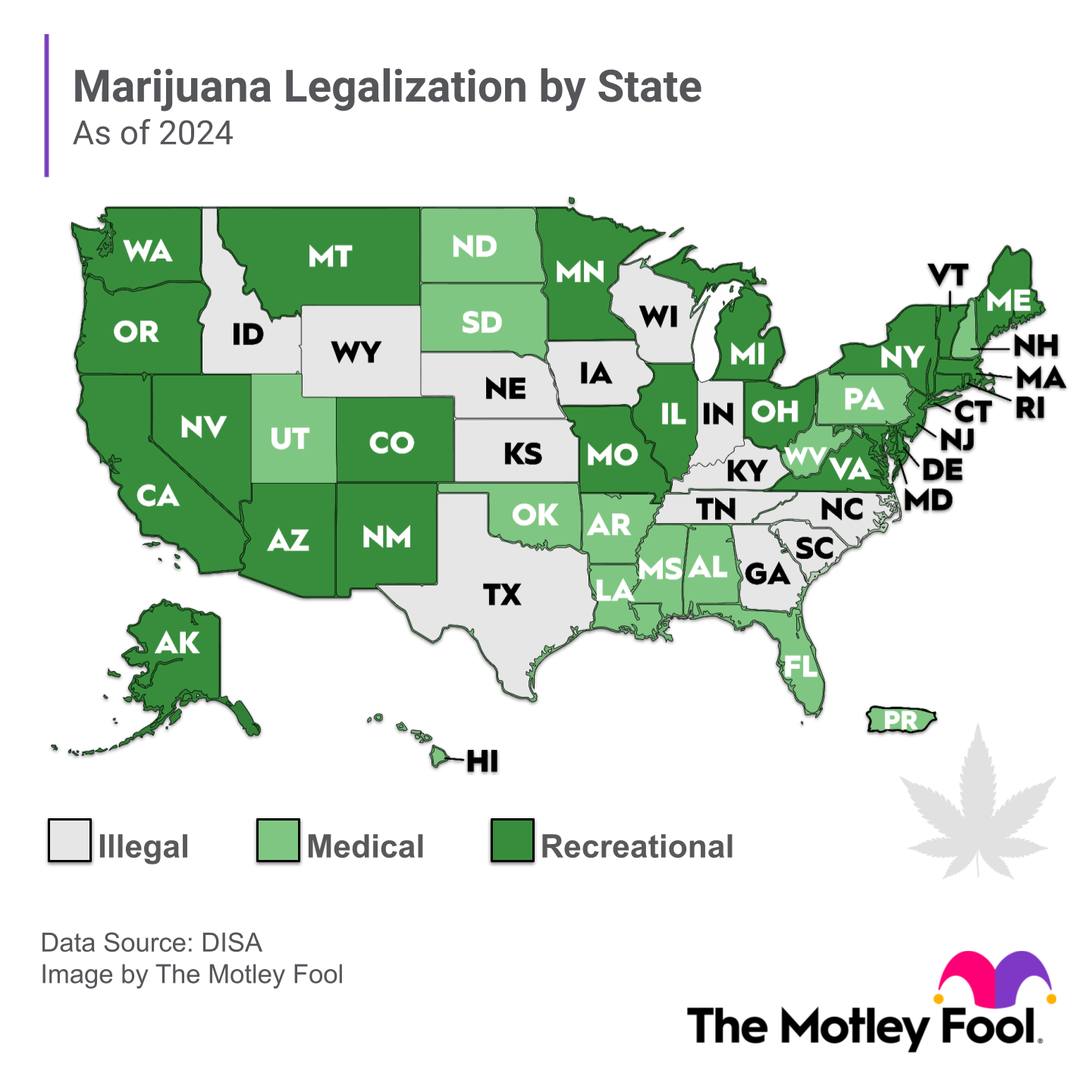
Absolutely, yes! California stands as a pioneering state in the United States, having legalized recreational cannabis for adults aged 21 and over. Since the passage of Proposition 64, also known as the Adult Use of Marijuana Act, in November 2016, and its full implementation in January 2018, the Golden State has become a significant destination for cannabis tourism. For travelers exploring its vibrant cities, breathtaking natural landscapes, and diverse cultural experiences, understanding the nuances of these laws is crucial. This comprehensive guide aims to demystify the legal landscape of recreational cannabis in California, offering essential insights for tourists looking to responsibly explore this unique aspect of the state’s lifestyle and economy. From navigating dispensaries to understanding consumption rules and finding cannabis-friendly accommodations, we cover everything you need to know to ensure a smooth and enjoyable trip.

The Legal Landscape of Cannabis in California: What Every Traveler Should Know
California’s journey to cannabis legalization is a story of progressive policy and cultural evolution. It was the first state to legalize medical marijuana in 1996 with Proposition 215. Two decades later, Proposition 64 expanded these rights to adults for recreational use, fundamentally reshaping the state’s tourism and lifestyle sectors. This act established a robust regulatory framework for the cultivation, manufacture, distribution, and sale of cannabis, creating a regulated market that now attracts millions.
For visitors, the core of the law is simple: if you are 21 or older, you can purchase and possess cannabis. However, the specifics are vital. Adults can legally possess up to 28.5 grams (one ounce) of cannabis flower and up to 8 grams of concentrated cannabis. Additionally, adults are permitted to cultivate up to six cannabis plants at home for personal use, though this is less relevant for most tourists staying in hotels or temporary accommodations.
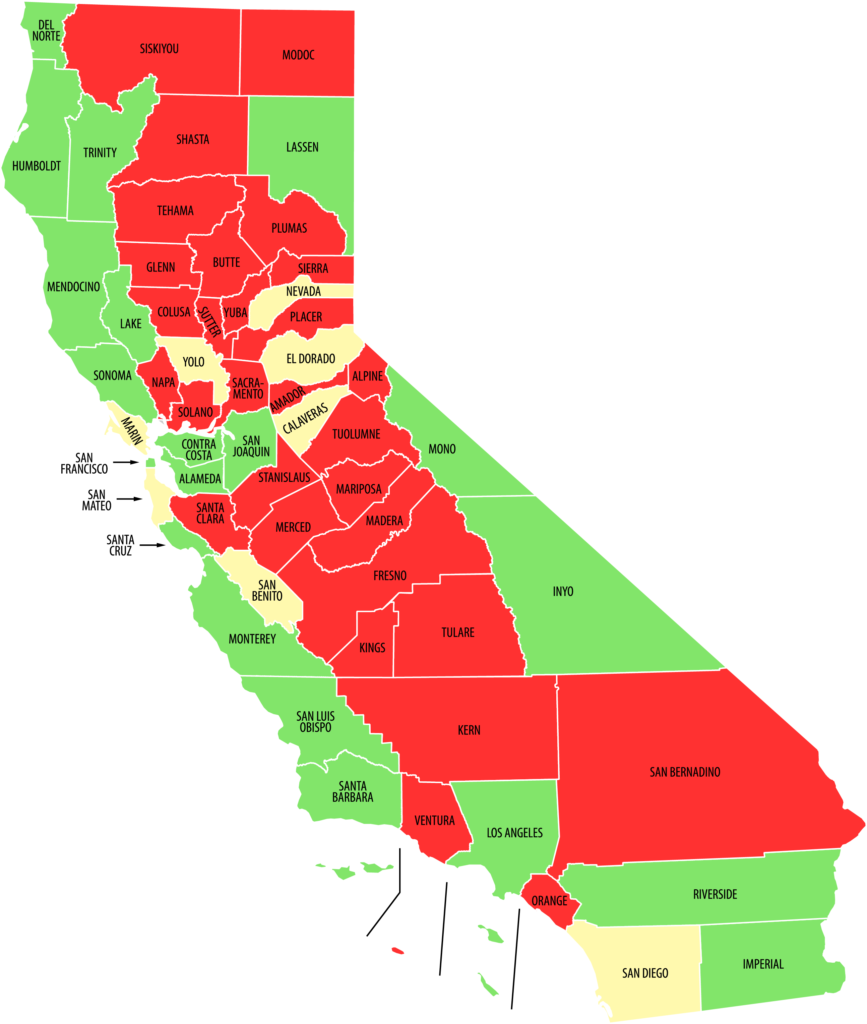
One of the critical aspects for travelers to grasp is the distinction between state and local laws. While recreational cannabis is legal statewide, individual cities and counties retain the right to regulate or even ban commercial cannabis activities within their jurisdictions. This means that while you might find numerous dispensaries in major urban centers like Los Angeles, San Francisco, and Oakland, other areas, particularly more rural or conservative communities, may not have any legal cannabis dispensaries. Always check local regulations before planning a purchase.
Understanding the purchasing process is straightforward. Legal cannabis can only be bought from licensed retail dispensaries. These establishments are typically regulated, clean, and employ knowledgeable staff (often called “budtenders”) who can guide consumers through the various product types, strains, and consumption methods. You will need a valid government-issued ID (like a driver’s license or passport) to prove you are 21 or older. Dispensaries offer a wide array of products, from traditional flower to edibles, vapes, tinctures, and topicals, catering to different preferences and experience levels. Tourists should be aware that prices can vary, and taxes on cannabis products in California are substantial, including cultivation, excise, and sales taxes, which are added at the point of sale.
Navigating Cannabis as a Tourist: Where to Purchase and Consume
As a tourist in California, the experience of purchasing and consuming cannabis is designed to be safe and regulated, but it requires adherence to specific rules. Knowing where you can buy it and, more importantly, where you can legally consume it, will enhance your travel experience and keep you on the right side of the law.
Locating Licensed Dispensaries
Finding a legal dispensary is the first step. The Bureau of Cannabis Control (BCC) in California maintains an online list of licensed retailers, which is an invaluable resource for travelers. Many online maps and apps also help pinpoint licensed dispensaries near your hotel or attraction. When visiting a dispensary, expect a professional environment. Many resemble upscale boutiques or pharmacies, prioritizing customer education and safety. Staff are trained to explain product effects, dosages, and appropriate consumption methods, making it accessible even for first-time users. They can provide advice on everything from finding a relaxing Indica strain after a long day of exploring Disneyland to a stimulating Sativa for creative inspiration.
Public vs. Private Consumption Rules
Perhaps the most critical rule for tourists concerns consumption: it is illegal to consume cannabis in public places. This includes parks, sidewalks, beaches, restaurants, bars, and any venue where tobacco smoking is prohibited. Even if you’re in a cannabis-friendly city like San Francisco or West Hollywood, public consumption remains a no-go. The intent behind this rule is to integrate cannabis into society responsibly without creating public nuisances.
So, where can you consume? Legally, consumption is restricted to private residences or licensed cannabis consumption lounges. Finding private accommodation where cannabis use is permitted can be a challenge. Most hotels, including luxury resorts and boutique hotels, have strict non-smoking policies that extend to cannabis, even in rooms with balconies. This is largely due to federal law, which still classifies cannabis as an illegal substance, making many businesses hesitant to permit its use on their premises. However, a growing number of “420-friendly” accommodations are emerging, particularly through platforms like Airbnb or specialized cannabis travel websites, offering private rentals or dedicated spaces where consumption is allowed.
Transportation and Travel with Cannabis
When traveling within California, specific rules apply to cannabis in vehicles. It is illegal to consume cannabis while driving or riding in a vehicle, whether you are the driver or a passenger. Additionally, cannabis must be transported in a sealed container, either in the trunk of the car or in another area not readily accessible to the driver or passengers while the vehicle is being operated. Driving under the influence of cannabis is strictly prohibited and carries severe penalties, similar to those for alcohol.
A crucial point for all travelers: cannabis remains federally illegal. This means it is absolutely prohibited to transport cannabis across state lines, even if both states have legalized it. It is also illegal to take cannabis onto federal land, which includes national parks like Yosemite or Sequoia National Park, federal buildings, and airports. For those flying domestically or internationally from California, attempting to bring cannabis through TSA checkpoints can lead to serious legal consequences, including arrest and federal charges. Always consume your cannabis responsibly and locally within the state, and never attempt to travel with it beyond California’s borders.
Experiencing California’s Cannabis Culture and Responsible Consumption
Beyond the legalities, California offers a vibrant cannabis culture that has integrated into its broader tourism and lifestyle scene. For curious travelers, there are numerous ways to explore this burgeoning industry responsibly and safely.
The Dispensary Experience
Visiting a dispensary is an experience in itself. Many are designed with aesthetics and education in mind. In cities like Palm Springs, some dispensaries have even become architectural landmarks, featuring sleek designs and high-tech displays. “Budtenders” are typically very knowledgeable and can walk you through the differences between various strains, the effects of different cannabinoids like THC and CBD, and how to choose products based on your desired experience. For first-timers, edibles can be tricky; staff will emphasize starting with a low dose (e.g., 2.5mg or 5mg THC) and waiting at least an hour or two to feel the full effects before considering more. This cautious approach is key to an enjoyable and safe experience, preventing overconsumption that can lead to discomfort.
Cannabis Tourism and Activities
The rise of legal cannabis has spurred a new niche in the tourism industry. Cannabis tours are becoming increasingly popular, offering guided experiences that can include visits to cultivation facilities, processing labs, and tasting rooms (where permitted). Some tours might combine cannabis experiences with other California attractions, such as wine tasting in the Napa Valley or exploring the vibrant arts scene in San Diego.
For those interested in cannabis-infused dining, a nascent scene of private pop-up dinners and catering services is emerging, though these operate within strict legal grey areas regarding public consumption. Always ensure any such activity you participate in is fully compliant with local laws to avoid issues. Additionally, various events, from cannabis festivals to educational seminars, are regularly held across the state, offering insights into the plant’s history, medicinal benefits, and cultural impact. These events provide a unique opportunity to engage with the cannabis community and learn more about this evolving industry.
Health, Safety, and Ethical Considerations
Responsible consumption is paramount. Always purchase from licensed dispensaries to ensure product safety and quality. Unregulated products can be dangerous, containing pesticides, heavy metals, or inaccurately labeled dosages. Be mindful of your surroundings; even if consuming legally in a private space, be considerate of others. Never share cannabis with minors, and be aware that public intoxication from cannabis can still lead to legal consequences, even if the consumption itself was private.
From an ethical perspective, supporting the legal market helps fund public services and ensures safer products through rigorous testing. It also supports local businesses and farmers who are navigating a complex regulatory environment. When choosing products, consider brands that emphasize sustainable cultivation practices and fair labor standards, aligning with California’s broader commitment to environmental stewardship and social equity.
Planning Your California Trip: Accommodation and Lifestyle Integration
Integrating your interest in cannabis into a broader California travel itinerary requires some thoughtful planning, particularly regarding accommodation and balancing cannabis experiences with other attractions.
Finding Cannabis-Friendly Accommodation
This is often the most significant hurdle for cannabis-curious travelers. As mentioned, the vast majority of mainstream hotels, from budget-friendly options to luxury resorts like the Ritz-Carlton, Laguna Niguel or the Waldorf Astoria Beverly Hills, prohibit cannabis consumption on their premises due to federal regulations and non-smoking policies. Even using vaporizers in hotel rooms can often trigger smoke detectors and incur hefty cleaning fees or penalties.
However, the “420-friendly” accommodation sector is growing. Your best bet is to look for private vacation rentals, such as those found on Airbnb or specialized cannabis lodging platforms, where owners explicitly state that cannabis use is permitted. Some boutique hotels, particularly in more progressive cities like San Diego or Los Angeles, might offer specific cannabis-friendly suites or outdoor areas, but these are still relatively rare. Always confirm the accommodation’s policy directly before booking. When booking a private rental, read reviews carefully to ensure previous guests have had positive experiences with the cannabis policy. Consider staying in areas known for their progressive approach to cannabis, such as San Francisco’s Haight-Ashbury district or parts of the Emerald Triangle (counties like Humboldt, Mendocino, and Trinity), although the latter is more geared towards cultivation than tourist-ready consumption lounges.
Balancing Cannabis with Other California Attractions
California is a treasure trove of attractions, from the iconic Golden Gate Bridge and the bustling Santa Monica Pier to the majestic redwood forests and the artistic flair of Laguna Beach. Integrating cannabis into your trip should complement, not detract from, these experiences. Consider enjoying cannabis after a day of sightseeing, perhaps as a way to relax at your private accommodation, rather than attempting to combine it with activities that require full alertness or are in public spaces.
The lifestyle aspect of cannabis in California is about choices. For some, it might be about exploring the culinary scene with cannabis-infused dinners, while for others, it’s about finding a unique souvenir from a dispensary. Remember that cannabis consumption might not be suitable for all types of travel, especially family trips with children or business stays where professionalism is key. Plan your itinerary to ensure that any cannabis-related activities are undertaken discreetly, legally, and at appropriate times and locations.
The availability of cannabis offers a unique dimension to California travel, but it’s essential to remember that it’s just one facet of the state’s rich offerings. Enjoy the beaches, mountains, cities, and cultural landmarks, and treat cannabis as an optional, adult-oriented experience that requires respect for the law and local customs.
In conclusion, recreational weed is indeed legal in California for adults 21 and over. This legalization has opened up new avenues for tourism and lifestyle experiences. However, navigating the regulations regarding purchase, possession, and especially consumption requires diligence from travelers. By understanding the rules, seeking out licensed dispensaries, respecting public consumption laws, and planning for appropriate accommodation, visitors can safely and responsibly enjoy California’s unique approach to cannabis, ensuring a memorable trip that fully embraces everything the Golden State has to offer.
LifeOutOfTheBox is a participant in the Amazon Services LLC Associates Program, an affiliate advertising program designed to provide a means for sites to earn advertising fees by advertising and linking to Amazon.com. Amazon, the Amazon logo, AmazonSupply, and the AmazonSupply logo are trademarks of Amazon.com, Inc. or its affiliates. As an Amazon Associate we earn affiliate commissions from qualifying purchases.