
For many eager travelers, the thought of visiting California conjures images of sun-drenched beaches, majestic redwood forests, bustling cities like Los Angeles and San Francisco, and picturesque vineyards. However, a recurring concern that often arises, particularly during certain times of the year, is the presence of wildfires. It’s a valid question that speaks to the safety and enjoyment of a planned trip: are there any fires in California right now?
The short answer, at any given moment, can be dynamic. California is a vast state, incredibly diverse in its geography and climate, making broad generalizations challenging. While wildfires are an unfortunate reality, especially during what is often referred to as “fire season,” it’s crucial to understand that their impact is usually localized, affecting specific areas while the vast majority of the state remains open, safe, and welcoming to tourists. This article aims to provide a comprehensive overview for travelers, addressing concerns about wildfires, offering practical advice for planning your trip, and highlighting the resilience and continued allure of California’s diverse travel experiences. From understanding the state’s fire landscape to navigating accommodation choices and ensuring a safe, memorable journey, we’ll delve into everything you need to know.
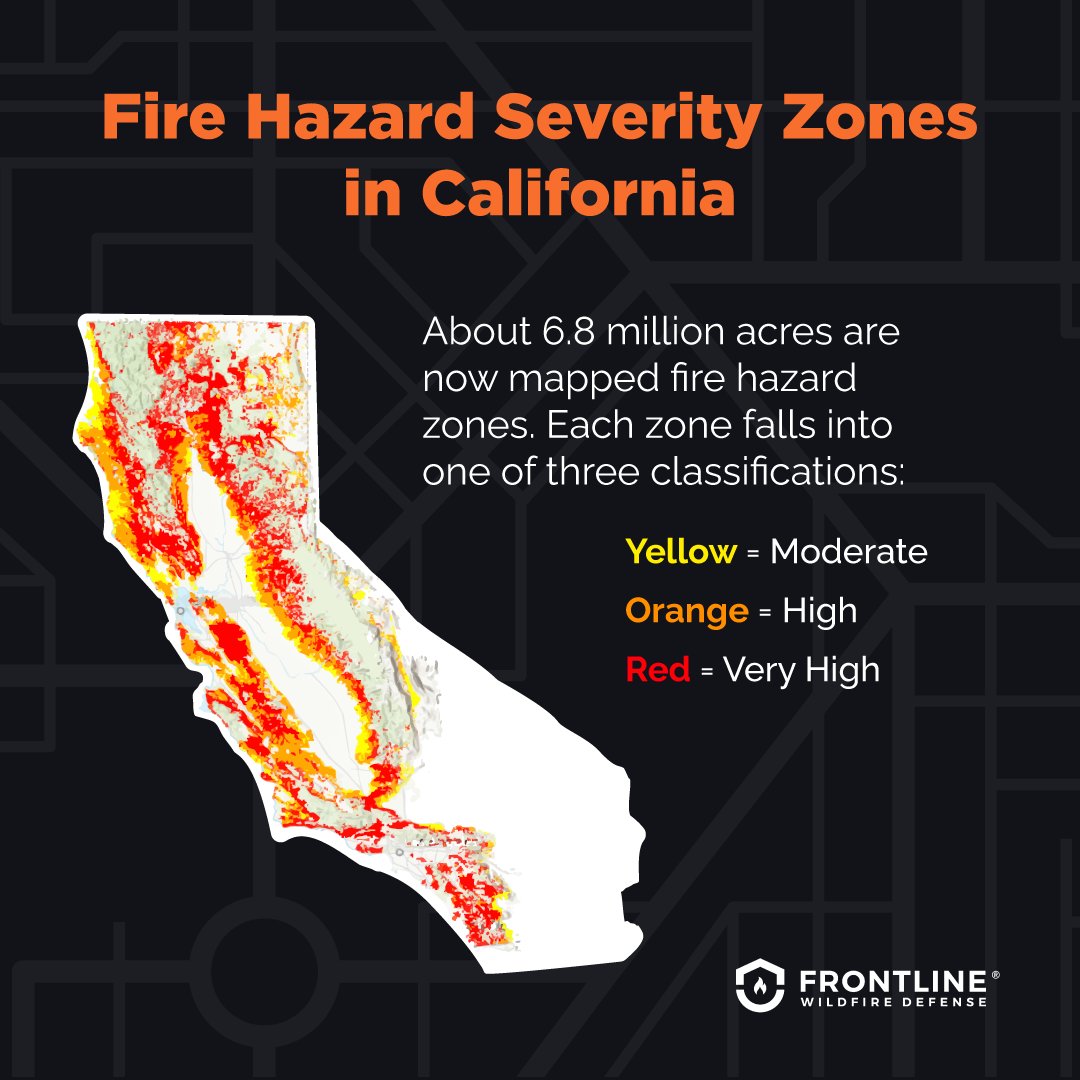
Understanding California’s Dynamic Fire Landscape
California’s natural beauty is undeniable, characterized by its dramatic mountain ranges, extensive forests, arid deserts, and a sprawling coastline along the Pacific Ocean. This diverse topography, combined with a Mediterranean climate featuring long, dry summers, inherently creates conditions conducive to wildfires. Understanding this ecological context is the first step in addressing travel concerns.
The Rhythms of Fire Season
Wildfire season in California typically runs from late spring through late autumn, peaking in late summer and fall. Factors like prolonged drought conditions, high temperatures, dry vegetation, and strong winds – notably the Santa Ana winds in Southern California and Diablo winds in Northern California – can significantly elevate fire risk. It’s important to remember that not every fire season is equally severe, and the frequency and intensity of fires can vary year to year. Historically, fires are a natural part of California’s ecosystems, playing a role in forest regeneration. However, climate change and human activity have led to more destructive events in recent decades.
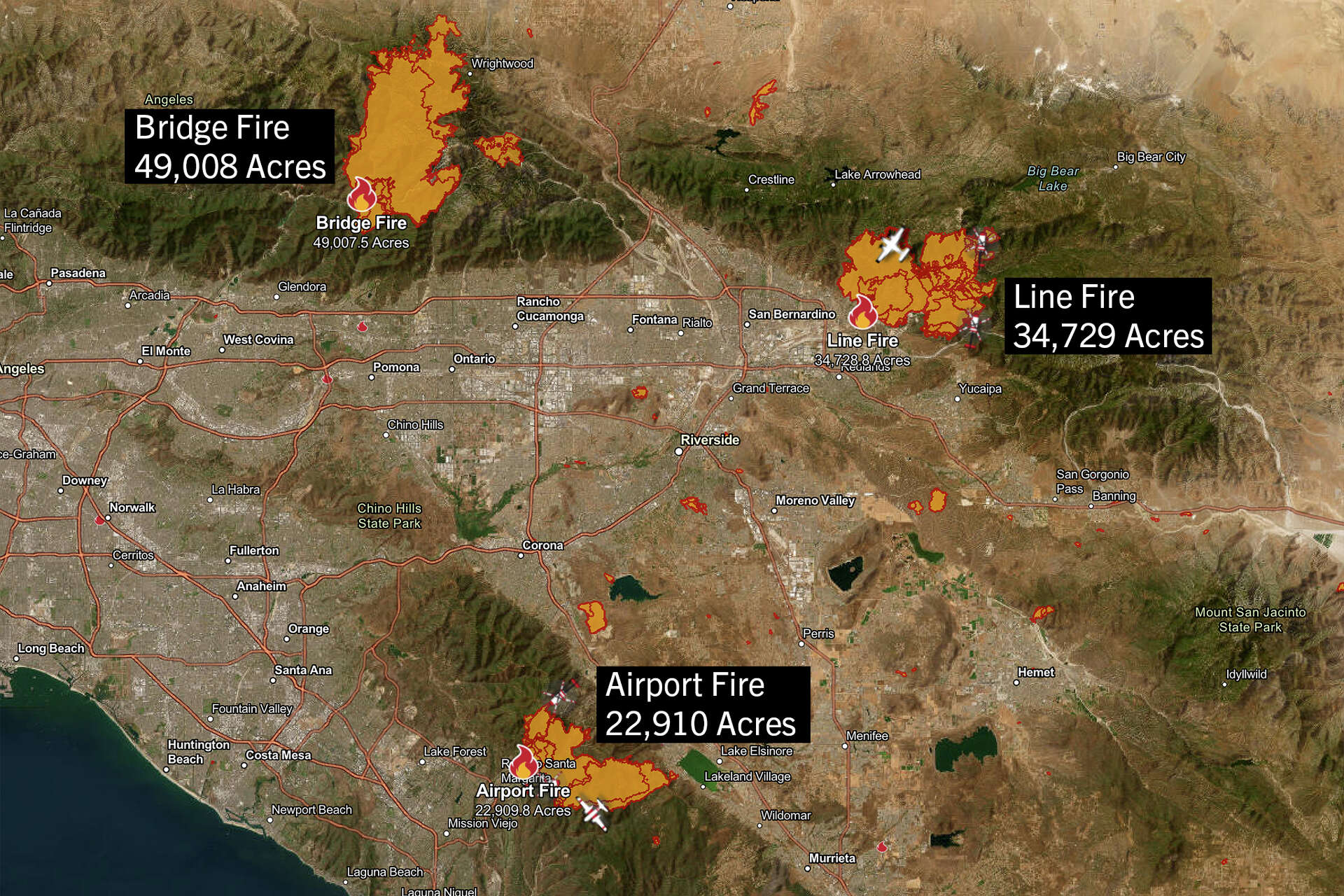
Despite the headlines that often highlight major incidents, most wildfires are quickly contained, and their geographical footprint is relatively small compared to the immense size of the state. Travelers should differentiate between widespread devastation and localized incidents, which rarely affect entire travel corridors or regions simultaneously. For example, a fire burning near Lake Tahoe might have absolutely no impact on travel to San Diego or the vineyards of Napa Valley.
Proactive Measures and Preparedness
California has some of the most advanced fire suppression and management agencies in the world, including CAL FIRE (the California Department of Forestry and Fire Protection) and various national and local fire departments. These agencies work tirelessly on prevention, rapid response, and public education. Measures include prescribed burns to reduce fuel, extensive monitoring systems, and public awareness campaigns on defensible space and fire-safe practices.
For travelers, this means that official channels are usually quick to provide accurate, real-time information. Road closures, evacuation orders, and air quality alerts are issued promptly by authorities. Therefore, a key element of preparedness for any California trip during fire season is to familiarize yourself with these resources and incorporate checking them into your pre-travel routine and daily itinerary. While the risk of encountering a fire directly is very low for most tourists, being informed empowers you to make wise decisions and enjoy your journey with peace of mind.
Navigating Your California Travel Plans Amidst Fire Concerns
When planning a trip, the goal is always a seamless and enjoyable experience. While wildfires are a concern, they rarely mean a complete halt to tourism across the entire state. California’s vastness ensures that many destinations remain untouched and vibrant, even during active fire incidents elsewhere.
Key Destinations: What’s Open and Thriving
It’s common for travelers to wonder if their chosen destination will be impacted. The reality is that California is a huge state, and most of its iconic attractions and beloved cities are far removed from active fire zones.
- Coastal Cities: Major metropolitan hubs like San Francisco, Los Angeles, San Diego, and Santa Barbara are typically less vulnerable to direct fire impact due to their urban development and coastal proximity. Air quality might occasionally be affected by smoke from distant fires, but this is often temporary and can be monitored. These cities continue to offer world-class attractions, from the Golden Gate Bridge to Disneyland Resort and the Gaslamp Quarter.
- National Parks: While some national parks, especially those with dense forests like Yosemite National Park, Sequoia National Park, and [Kings Canyon National Park](https://lifeoutofthebox.com/kings-canyon-national park), can be affected by fires or preemptive closures, it’s crucial to check specific park status. Parks like Death Valley National Park or Joshua Tree National Park, being desert environments, have different fire risk profiles. Always consult the official National Park Service website for the most current information regarding closures, road conditions, and air quality before heading out.
- Wine Regions: Napa Valley and Sonoma County, while historically vulnerable, have robust recovery efforts. Many wineries have enhanced fire prevention strategies, and the regions remain premier destinations for wine enthusiasts. Visitors are encouraged to check with individual wineries and local tourism boards for real-time updates.
- Northern Forests: Areas like Redwood National and State Parks are generally less prone to large, fast-moving fires due to their unique humid microclimates, though they are not immune.
- Lakes and Mountains: Lake Tahoe and other mountain recreation areas are stunning destinations. If fires are nearby, access might be restricted, but often the immediate lakefront areas remain open.
The key takeaway is that California is incredibly diverse. A fire in one region does not typically signal that the entire state is inaccessible or unsafe. Travel to unaffected areas can continue as planned, supporting local economies and enjoying the vast array of experiences California offers.
Accommodation Choices and Booking Flexibility
Accommodation is a significant aspect of any travel plan, and booking smart can provide peace of mind during fire season. Whether you’re seeking luxury resorts, cozy boutique hotels, budget-friendly apartments, or unique villas, a few considerations can enhance your travel experience.
- Flexible Booking Policies: When reserving hotels or vacation rentals, especially during peak fire season, look for accommodations that offer flexible cancellation or rebooking policies. Many hotels understand traveler concerns and have adapted their terms accordingly. This allows you to adjust your plans if conditions change unexpectedly.
- Travel Insurance: Investing in comprehensive travel insurance is always a wise decision, but particularly so when traveling to areas that might experience natural events. Policies often cover trip interruptions, cancellations, or necessary evacuations due to wildfires, protecting your financial investment in flights, hotels, and activities. Read the fine print carefully to understand what is covered.
- Direct Communication with Providers: Don’t hesitate to reach out directly to your hotel, resort, or accommodation provider. They are often the best source of hyper-local information regarding current conditions, air quality, and any potential impacts on their property or nearby attractions. They can advise on the best routes to take or whether their amenities (e.g., outdoor pools, hiking trails) are fully operational.
- Alternative Options: California has an abundance of accommodation options. If your initial choice becomes unavailable or is in an impacted area, explore alternative destinations or types of lodging. For instance, if mountain cabins are affected, perhaps a coastal hotel or a city apartment rental becomes an appealing alternative. The diverse array of suites, villas, and long-term stay options available across the state means you’re rarely without excellent choices.
By being proactive and selecting flexible options, travelers can mitigate potential disruptions and ensure their accommodation plans remain secure, allowing them to focus on enjoying their California adventure.
Essential Resources and Responsible Travel Practices
Traveling through California, especially during fire season, calls for informed decision-making and a commitment to responsible tourism. Being prepared with the right resources and adopting sustainable travel habits not only ensures your safety but also contributes positively to the communities you visit.
Staying Informed with Reliable Sources
The most critical aspect of traveling safely in California during fire season is access to accurate, up-to-date information. Avoid relying solely on social media or sensational news headlines.
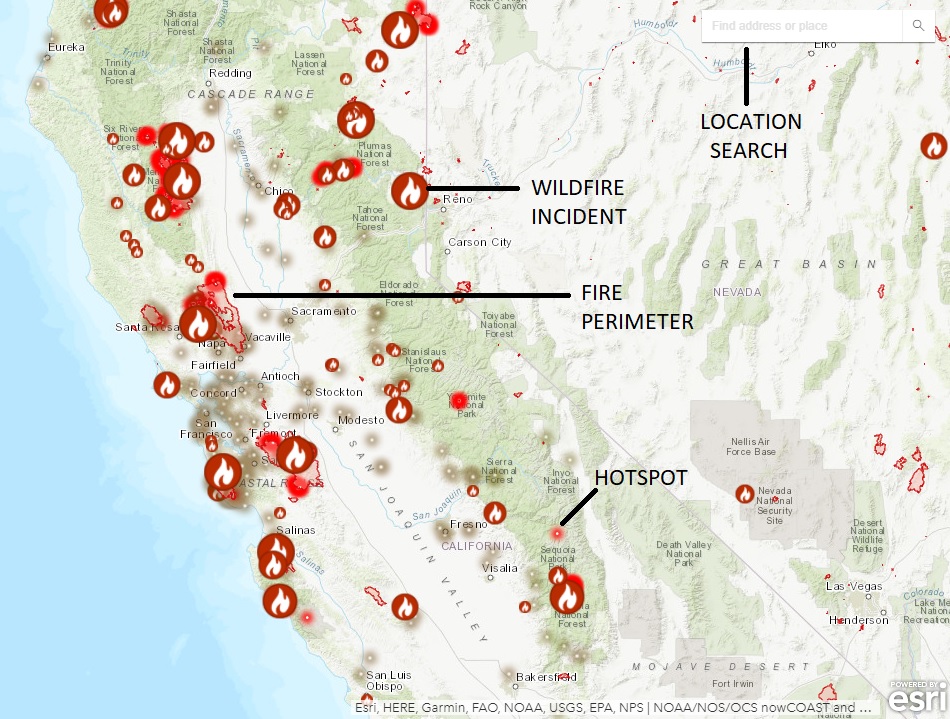
- Official Fire Agencies: The primary source for wildfire information is CAL FIRE. Their website provides real-time fire incident maps, current fire status, and evacuation information.
- National Weather Service (NWS): The National Weather Service offers critical weather forecasts, including Red Flag Warnings (indicating high fire danger), wind advisories, and air quality alerts. Poor air quality due to smoke can affect health, especially for those with respiratory conditions.
- Local Emergency Services: Check county-level emergency websites and sheriff’s departments for the most localized information on road closures, evacuations, and community-specific alerts. Many counties have opt-in alert systems (e.g., Nixle) that visitors can sign up for temporarily.
- National Park Service (NPS): If visiting national parks or forests, always check the specific park’s official website (e.g., Yosemite National Park website) for current conditions, trail closures, and fire updates.
- Caltrans: For road conditions and closures, consult the California Department of Transportation (Caltrans) website or their quickmap application. This is vital for planning routes and avoiding affected areas.
- Local Tourism Boards: Destination-specific tourism boards and visitor centers are excellent resources for local conditions, open attractions, and advice on navigating the area.
Make a habit of checking these sources daily during your trip, especially if you are traveling through or staying in a wildland-urban interface area. Being informed allows you to pivot your plans if necessary, ensuring safety remains paramount.
Embracing Sustainable and Supportive Tourism
Responsible travel goes beyond personal safety; it extends to how we interact with the environment and local communities.
- Fire Prevention: As a visitor, you have a role in fire prevention. Be extremely cautious with any potential ignition sources:
- Campfires: Adhere strictly to campfire regulations. Many areas implement fire restrictions or bans during dry periods. Use designated fire rings and ensure fires are completely out before leaving.
- Vehicle Safety: Avoid parking hot vehicles on dry grass. Secure trailer chains to prevent sparks.
- Disposal: Properly dispose of cigarettes and other flammable materials. Never flick anything out of a car window.
- Supporting Local Economies: If an area has recently experienced a fire, supporting local businesses (restaurants, shops, hotels) is crucial for their recovery. Many communities rely heavily on tourism, and your conscious decision to visit and spend money in safe, open areas helps them rebuild and thrive.
- Respecting Natural Resources: Stick to marked trails, pack out all trash, and leave no trace. This helps maintain the health of California’s natural landscapes, making them more resilient to future challenges.
- Flexibility and Patience: Should you encounter a detour or a temporary closure due to fire activity, exercise patience and understanding. Emergency personnel are working to keep everyone safe. Embrace the opportunity to discover an alternative route or a new, unexpected attraction.
By traveling responsibly and staying informed, you not only protect yourself and your travel companions but also contribute to the long-term health and sustainability of California’s cherished landscapes and communities.
Conclusion
The question “Are there any fires in California right now?” is a reflection of understandable concern for anyone planning to visit this incredible state. While wildfires are an undeniable part of California’s ecosystem and an increasing challenge due to climate change, it’s vital for travelers to understand the nuances of the situation. California is vast, and the impact of fires is almost always localized, leaving the overwhelming majority of its diverse attractions, vibrant cities, and breathtaking natural landmarks completely open and safe for exploration.
By staying informed through official channels like CAL FIRE and the National Weather Service, embracing flexible booking options for hotels and accommodation, and practicing responsible tourism, you can confidently plan and enjoy a remarkable journey. From the towering redwoods of Redwood National and State Parks to the sparkling beaches of Southern California, the cultural hubs of San Francisco and Los Angeles, and the tranquil beauty of Lake Tahoe, California’s allure remains strong. Travel smart, stay alert, and prepare to be enchanted by the Golden State’s enduring beauty and endless adventures.
LifeOutOfTheBox is a participant in the Amazon Services LLC Associates Program, an affiliate advertising program designed to provide a means for sites to earn advertising fees by advertising and linking to Amazon.com. Amazon, the Amazon logo, AmazonSupply, and the AmazonSupply logo are trademarks of Amazon.com, Inc. or its affiliates. As an Amazon Associate we earn affiliate commissions from qualifying purchases.