
California, often referred to as the Golden State, is a dream destination for travelers worldwide, boasting everything from sun-drenched beaches and iconic Hollywood glamour to majestic national parks like Yosemite National Park and the vibrant culture of cities like San Francisco and Los Angeles. While the allure is undeniable, understanding the tax rates in California is crucial for anyone planning a visit, considering a long-term stay, or even contemplating a move. These rates directly impact everything from the cost of your morning coffee to the nightly rate of your luxury resort and the overall budget for your California vacation. Delving into the state’s fiscal landscape reveals a complex system that, while funding its extensive public services and infrastructure, also contributes to its reputation for a higher cost of living. For both the casual tourist exploring landmarks and the seasoned digital nomad seeking a new lifestyle, grasping these tax nuances is key to a well-planned and financially savvy experience in one of the world’s most desired locales.
Understanding California’s Tax Landscape for Travelers and Residents
California’s tax structure is unique, often standing out for its progressivity and the various local levies that can significantly add to the base state rates. This complexity is not just a concern for permanent residents; it has direct implications for visitors, especially those embarking on extended trips or considering the state for remote work or a seasonal abode. From the moment you book your accommodation to every purchase you make, taxes will play a role in your overall expenditure. Understanding this landscape isn’t about avoiding taxes – which are essential for maintaining the state’s incredible attractions and infrastructure – but rather about smart budgeting and informed decision-making.
The Golden State’s Distinctive Fiscal Climate
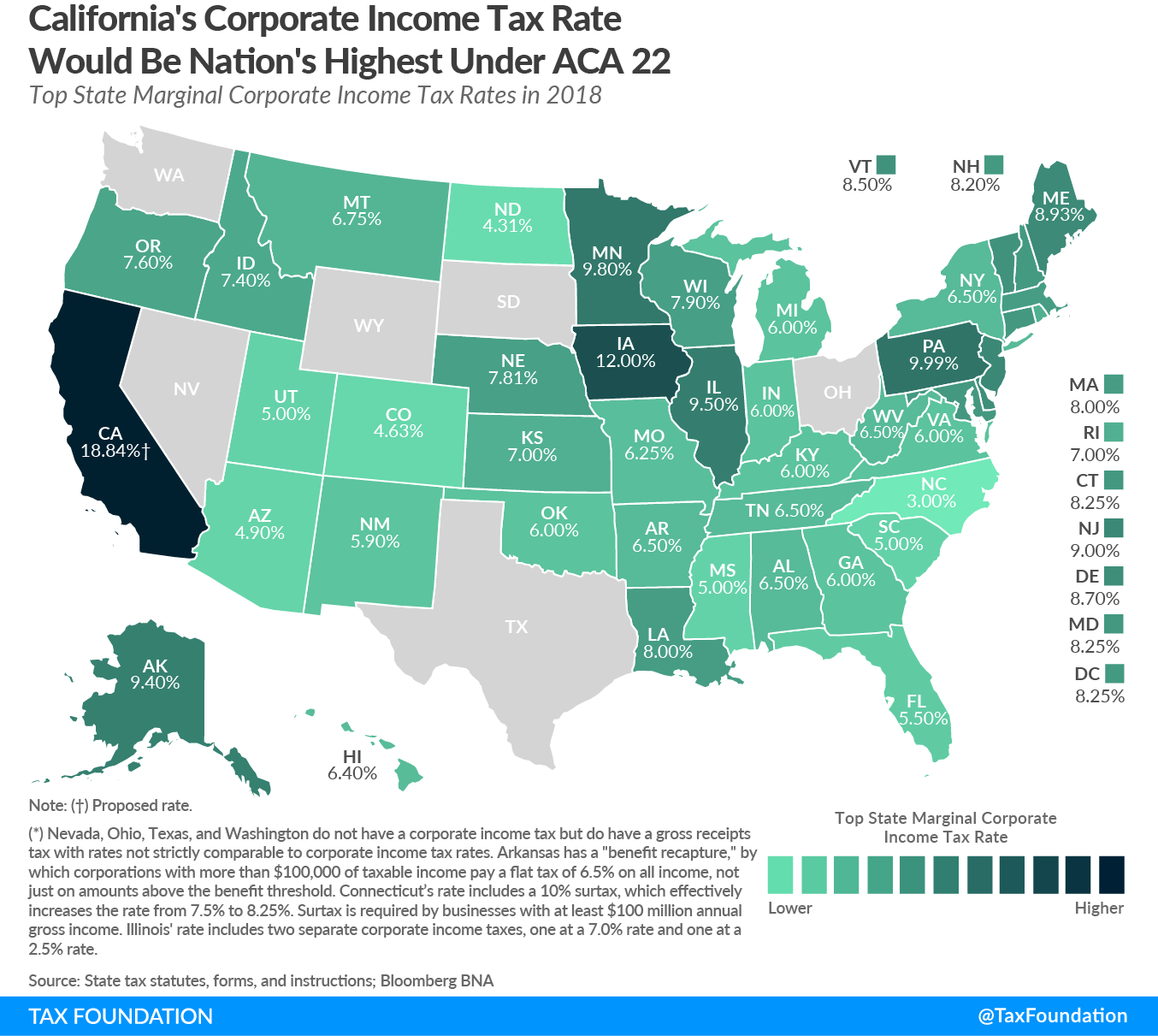
The Golden State’s fiscal climate is characterized by its reliance on a broad range of taxes, designed to support its large population, diverse economy, and ambitious environmental and social programs. This leads to tax rates that are often among the highest in the United States. For instance, California famously boasts the highest top marginal income tax rate in the nation, and its gasoline taxes are also notably steep. However, these figures represent averages and top-tier rates; the actual impact on individuals and businesses varies greatly depending on income, spending habits, and location within the state. A visit to the sun-kissed beaches of Santa Monica will incur different local taxes than a ski trip to Lake Tahoe or a wine-tasting tour through Napa Valley. This intricate web of state and local taxes, while daunting at first glance, is a fundamental aspect of the California lifestyle and contributes to the quality of life enjoyed by its residents and visitors alike.
Navigating Sales Tax and Transient Occupancy Tax: Key Costs for Visitors
For most travelers, the most immediate and noticeable taxes will be the sales tax on purchases and the Transient Occupancy Tax (TOT) on their hotel or accommodation bookings. These two taxes are pervasive and can significantly impact the daily budget of any tourist exploring California’s attractions, from theme parks like Disneyland to quaint shops in historic districts.
Sales Tax: On Purchases and Experiences
California imposes a statewide sales tax rate of 7.25%. However, this is just the baseline. What makes the sales tax genuinely impactful for travelers is the addition of local district taxes, which vary significantly by city and county. For example, while the state rate remains constant, you might pay an additional 1% to 3% or even more in certain municipalities. In Los Angeles, the combined sales tax rate can reach 9.5%, while in parts of Alameda County, it might climb even higher. This means that your souvenir purchases, restaurant meals, retail therapy excursions in Beverly Hills, or even tickets to attractions like Universal Studios Hollywood will all be subject to these combined rates.
Understanding where you’re making purchases can thus subtly affect your overall spending. Basic necessities like most groceries and prescription medications are generally exempt from sales tax, which is a small relief for those on a budget. However, for discretionary spending—think new clothes, electronic gadgets, or that artisanal craft you found in a local market—the sales tax will be a consistent addition to the sticker price. When planning your travel budget, it’s wise to factor in these additional percentages, especially if you anticipate doing a lot of shopping or dining out. It’s a small but constant reminder that the sticker price isn’t always the final price in the Golden State.
Transient Occupancy Tax (TOT): Your Hotel Bill Explained
For anyone booking hotels, vacation rentals, or any other short-term accommodation in California, the Transient Occupancy Tax (TOT) – often referred to as a hotel tax or tourist tax – is an unavoidable addition to your bill. This tax is levied by individual cities and counties, meaning the rate can vary dramatically from one destination to another, sometimes even within the same metropolitan area. The purpose of the TOT is primarily to generate revenue for local governments, often earmarked for tourism promotion, public services, and infrastructure development that benefits both residents and visitors.
For example, in major tourist hubs like San Francisco, the TOT can be as high as 14% to 16%, depending on the exact location and specific city surcharges. In Los Angeles, it’s typically around 14%, while in San Diego, it might hover around 10.5% plus additional fees. Even smaller cities and popular destinations such as Palm Springs or areas near Monterey Bay Aquarium will have their own rates.
This tax applies to the rental price of your room or suite and is an essential consideration when comparing prices for hotels or vacation apartments through platforms like Airbnb or VRBO. A seemingly attractive base rate can quickly increase once the TOT and any other local tourism assessments are added. For travelers planning a multi-city itinerary across the Golden State, understanding these fluctuating TOT rates can help in strategic booking and budget management, ensuring no surprises when the final bill arrives for your resort stay or villa rental. It’s a key component of the overall cost of accommodation and a significant contributor to local tourism funding.
Beyond the Basics: Income, Property, and Excise Taxes Impacting Lifestyle Choices
While sales and hotel taxes are the most direct financial considerations for short-term visitors, other tax categories in California significantly influence lifestyle choices, especially for those considering extended stays, remote work opportunities, or even permanent relocation. These taxes paint a broader picture of the cost of living and operating within the state, impacting everything from personal finances to the long-term feasibility of enjoying the California lifestyle.
California’s Progressive Income Tax: What It Means for Long-Term Stays and Remote Workers
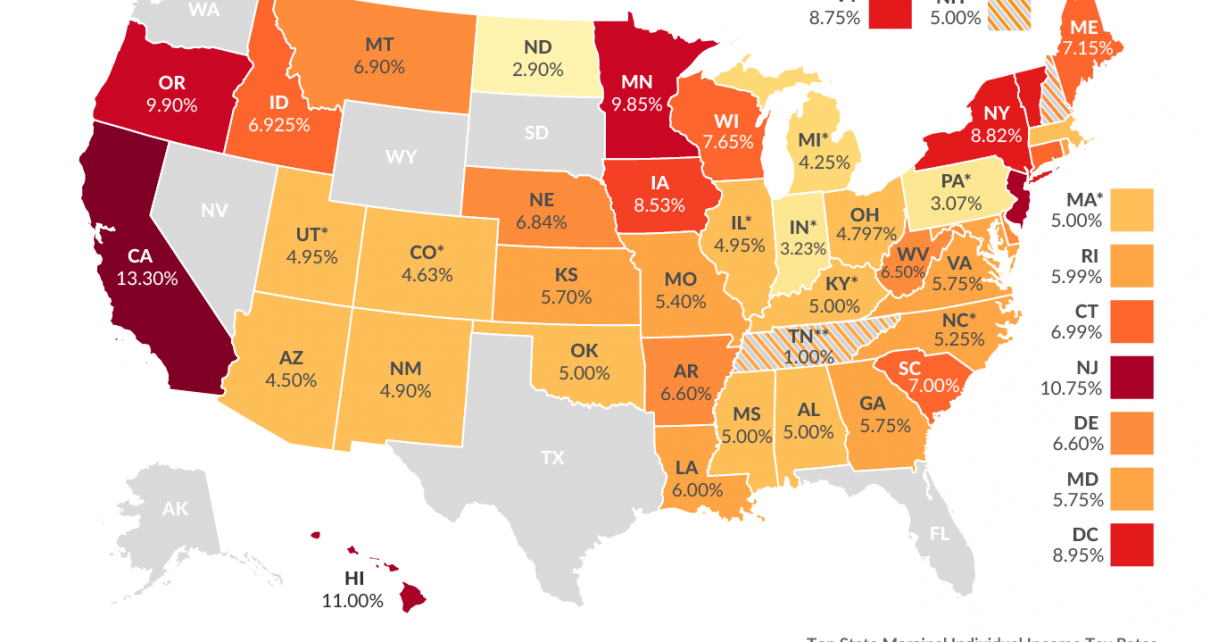
California is renowned for its highly progressive state income tax system, featuring some of the highest marginal tax rates in the United States. The state has 10 income tax brackets, with rates ranging from 1% to 12.3%. However, a critical addition for high-income earners is the 1% mental health services tax, which applies to taxable incomes over $1 million. This effective top marginal rate can reach 13.3%, making it a significant consideration for high-earning professionals, entrepreneurs in Silicon Valley, or those with substantial investment income.
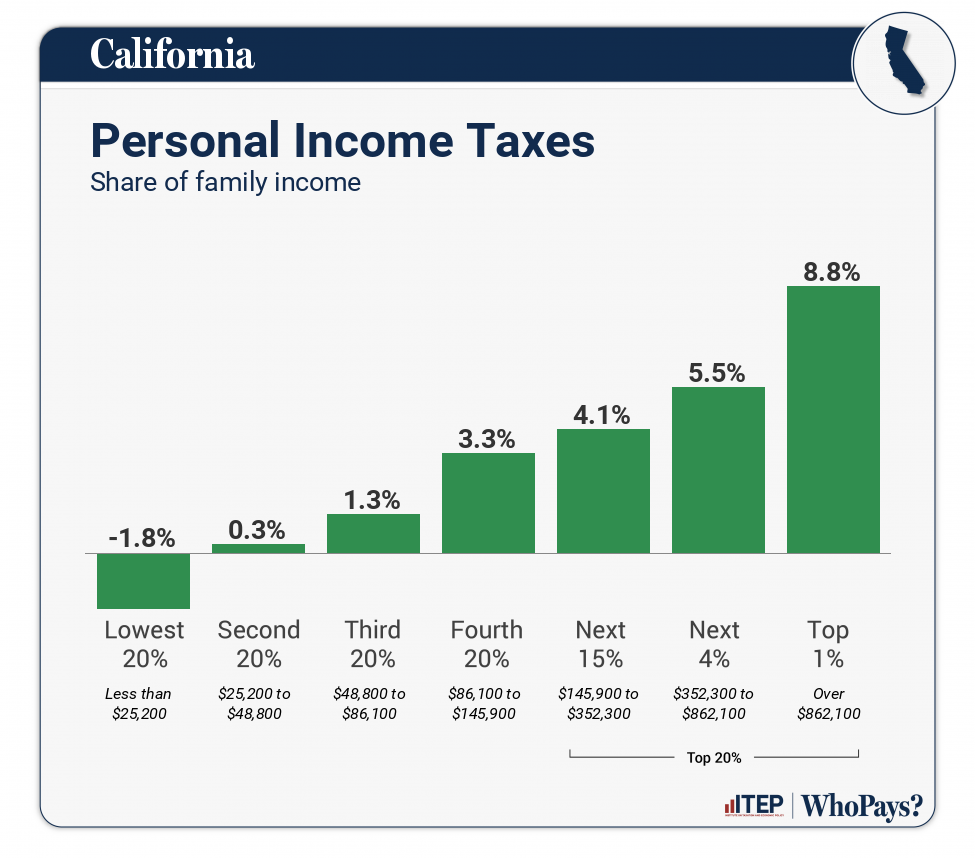
This progressive structure means that the more you earn, the higher percentage of your income goes towards state taxes. For digital nomads considering establishing residency in the state, or professionals contemplating a move for a business stay, these income tax rates are paramount. They directly impact disposable income, influencing budgets for luxury travel, investment in properties, or simply the ability to enjoy the state’s diverse recreational offerings. The passage of Proposition 30 and its extension through Proposition 55 solidified higher income tax rates for top earners, illustrating California’s commitment to funding public education and services through a progressive tax model. Therefore, a careful assessment of one’s income level and tax obligations is essential before fully embracing the Golden State’s vibrant job market or entrepreneurial spirit.
Property Taxes and the Cost of Californian Living
Property taxes in California are governed by the landmark Proposition 13, passed in 1978. This proposition fundamentally limits the annual increase in assessed property value to a maximum of 2% per year, regardless of market value appreciation, as long as the property isn’t sold. When a property is sold, it is reassessed at its new market value. The base property tax rate is generally capped at 1% of the assessed value, plus any local voter-approved bonds and special assessments, which can add another 0.25% to 0.5% or more, resulting in an effective rate typically ranging from 1.1% to 1.5% of the assessed value.
While Proposition 13 provides stability for long-term homeowners, it contributes to the high initial cost of real estate for newcomers. The impact on lifestyle is profound: the high entry price for homes, coupled with property taxes, affects housing affordability, which is a significant factor in California’s high cost of living. For individuals interested in a long-term stay, purchasing a vacation home, or investing in rental properties for accommodation purposes, understanding these property tax dynamics is crucial. Additionally, some cities and counties impose real estate transfer taxes, which are one-time fees paid at the time of sale, further adding to the transaction costs. These taxes influence everything from where people choose to live (or buy a second home) to the overall economic landscape of popular destinations like San Diego and Sacramento.
Excise Taxes: Fueling Your California Adventures (Literally)
Beyond the more common taxes, California levies various excise taxes on specific goods and services, which can subtly but surely impact the budget for your adventures. One of the most significant for travelers is the gasoline tax. California has one of the highest gasoline taxes in the United States, comprising both a state excise tax (which saw an increase in July 2023 to 57.9 cents per gallon) and other associated fees, along with federal taxes and local sales tax. This means that fueling up for an epic road trip along the Pacific Coast Highway or an excursion to Death Valley National Park will cost notably more per gallon than in many other states. Budget-conscious travelers planning extensive driving tours should definitely factor this into their transportation costs.
Other excise taxes include those on tobacco products, alcoholic beverages, and cannabis. California imposes a substantial excise tax on cigarettes and other tobacco products. Similarly, there are state excise taxes on beer, wine, and distilled spirits, which contribute to the cost of enjoying the state’s vibrant bar and restaurant scene. With the legalization of recreational cannabis, the state also imposes a cultivation tax and a retail excise tax, affecting the price of cannabis products for those who partake. While perhaps not as universally felt as sales or hotel taxes, these excise taxes are embedded in the price of certain goods, influencing the overall cost of certain recreational and lifestyle choices during your California visit. They are part of the broader fiscal fabric that supports the state’s comprehensive public services and regulatory frameworks.
Strategic Planning for a Golden State Experience
Navigating California’s diverse tax landscape is an essential part of planning any successful trip or considering a move to the Golden State. While the various tax rates might seem formidable, they are an integral component of what makes California a global leader in innovation, culture, and natural beauty. These taxes fund everything from the maintenance of California State Parks and critical infrastructure to world-class public education and social services, ultimately enhancing the visitor experience and the quality of life for residents.
For both the budget travel enthusiast and the seeker of luxury travel, strategic planning can help mitigate unexpected costs. When booking accommodation, always look for the “total price” that includes all taxes and fees, particularly the Transient Occupancy Tax (TOT), which can significantly inflate the base rate. For retail purchases and dining, be mindful that the listed price will be subject to state and local sales taxes, which can vary by city. If you’re embarking on a road trip, factor in the higher cost of gasoline.
For those contemplating a longer stay, remote work, or even relocation, a deeper dive into income and property taxes is crucial. Understanding how California’s progressive income tax system might affect your take-home pay or how Proposition 13 influences property ownership costs will provide a clearer picture of the overall cost of living and help you make informed decisions about your lifestyle in the state.
Ultimately, while California’s tax rates are undeniably higher than in many other parts of the United States, the value proposition remains strong for millions who flock to its shores. The state offers unparalleled destinations, attractions, diverse local culture, and a vibrant lifestyle that many find worth the investment. By being informed and planning proactively, you can ensure that your Golden State experience, whether a short family trip or a long-term residency, is as enjoyable and fiscally smooth as possible.
LifeOutOfTheBox is a participant in the Amazon Services LLC Associates Program, an affiliate advertising program designed to provide a means for sites to earn advertising fees by advertising and linking to Amazon.com. Amazon, the Amazon logo, AmazonSupply, and the AmazonSupply logo are trademarks of Amazon.com, Inc. or its affiliates. As an Amazon Associate we earn affiliate commissions from qualifying purchases.