
The golden state of California, a land celebrated for its breathtaking landscapes, vibrant cities, and diverse lifestyle offerings, has increasingly become synonymous with a devastating natural phenomenon: wildfires. Every year, headlines speak of vast tracts of land consumed by flames, homes lost, and skies turned orange, leaving both residents and potential visitors to wonder: “What caused the California Fire?” The answer is rarely simple, unfolding as a complex tapestry woven from natural predispositions, human actions, and the accelerating influence of climate change. Understanding these multifactorial origins is crucial, not only for those living in or managing the state’s natural resources but also for travelers planning their next California adventure and looking to explore its iconic landmarks.
The Confluence of Natural Factors: A Recipe for Catastrophe
California’s unique geography and climate inherently set the stage for wildfires. It’s a place of stunning contrasts, from arid deserts to snow-capped mountains, and this diversity, while beautiful, also contributes to its fire vulnerability.
A Mediterranean Climate Predisposed to Fire
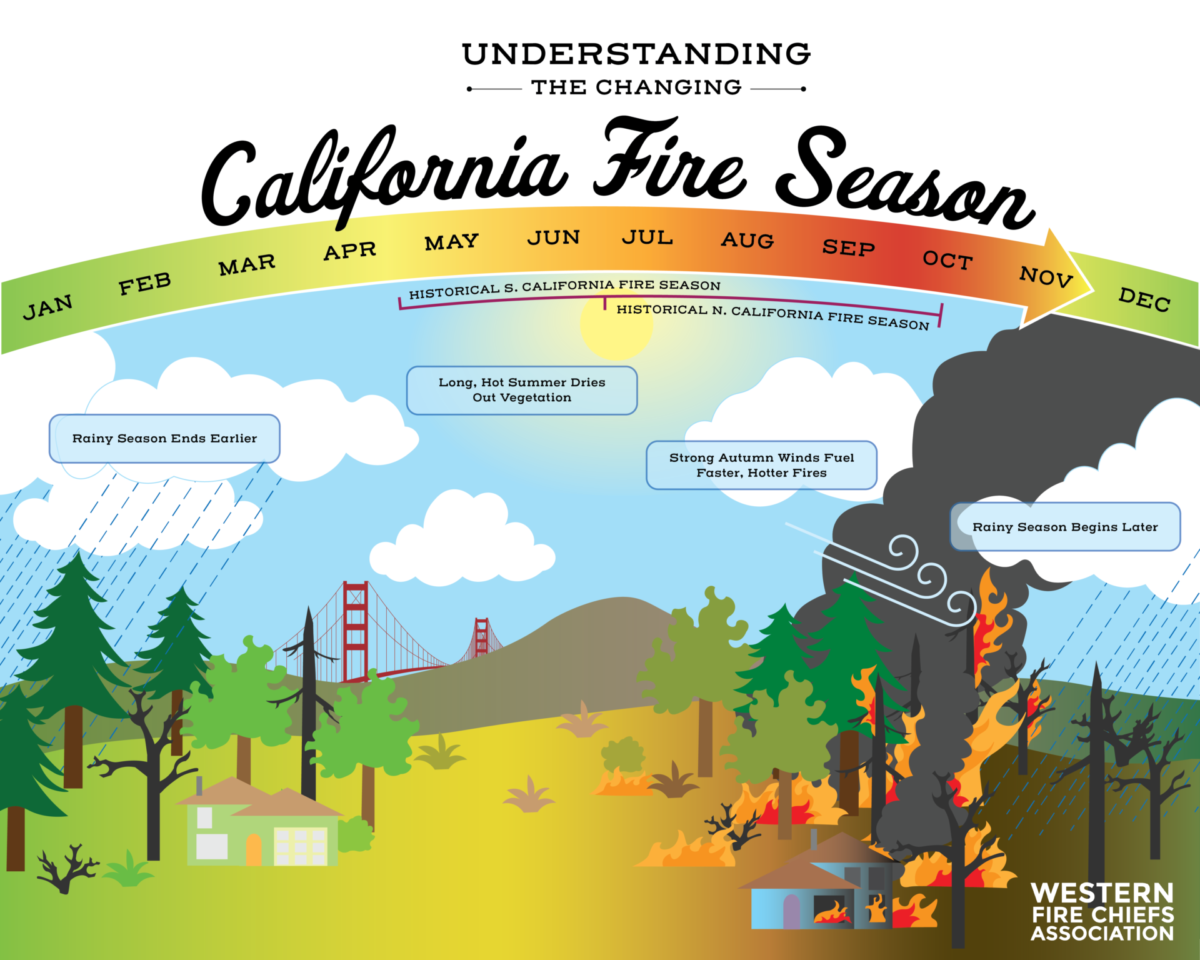
At its core, California boasts a Mediterranean climate, characterized by warm, dry summers and mild, wet winters. While this weather pattern is ideal for growing world-class grapes in regions like Napa Valley and Sonoma County, it also creates a cyclical build-up of flammable vegetation. Winter rains promote lush growth, particularly of grasses, brush, and chaparral – hearty, dense shrubbery native to regions like Southern California and the coastal ranges. As summer approaches and progresses, these plants dry out, transforming into highly combustible “fuel” for any spark. The natural ecosystem, in many ways, has adapted to fire; historically, smaller, more frequent fires cleared this undergrowth. However, modern conditions amplify the risk dramatically.
Drought and Heatwaves: Amplifiers of Risk
In recent decades, California has experienced increasingly severe and prolonged California Droughts. A parched landscape means vegetation is drier for longer, making it more susceptible to ignition and allowing fires to spread faster and burn hotter. The lack of moisture also weakens trees, making them vulnerable to disease and insect infestations, particularly from bark beetles, which kill vast numbers of trees, leaving behind standing dead fuel.
Compounding the drought are extreme heatwaves, which have become more frequent and intense across the United States. Record-breaking temperatures bake the landscape, further desiccating vegetation and creating incredibly volatile conditions. A single spark under these circumstances can rapidly escalate into an inferno. The combination of drought-stressed vegetation and soaring temperatures creates a combustible environment where fires can quickly overwhelm suppression efforts, turning small ignitions into major catastrophes that impact everything from local tourism economies to regional air quality.
The Role of the Santa Ana Winds
Perhaps the most dramatic natural accelerant of California wildfires are the infamous Santa Ana Winds. These hot, dry, powerful gusts sweep from the interior deserts of North America westward across the mountains and into coastal Southern California. As they descend, the air warms and dries further, acting like a giant hairdryer across the already parched landscape.
The Santa Ana Winds can carry embers miles ahead of the main fire front, creating new spot fires and causing rapid, unpredictable spread. They make firefighting incredibly challenging, as blazes can jump freeways, canyons, and even entire communities in a matter of hours. Areas like Los Angeles County, Orange County, and San Diego County are particularly susceptible to these wind-driven events, which have historically been responsible for some of the state’s most destructive fires. Understanding the forecast for these winds is a critical element of fire preparedness for residents and a key consideration for travelers assessing safety during autumn months.
Human Impact and Management Challenges
While nature provides the fuel and the conditions, human activity often provides the spark. The increasing population and development in California’s scenic but fire-prone areas significantly elevate the risk and impact of wildfires.
Ignition Sources: Accidental and Intentional
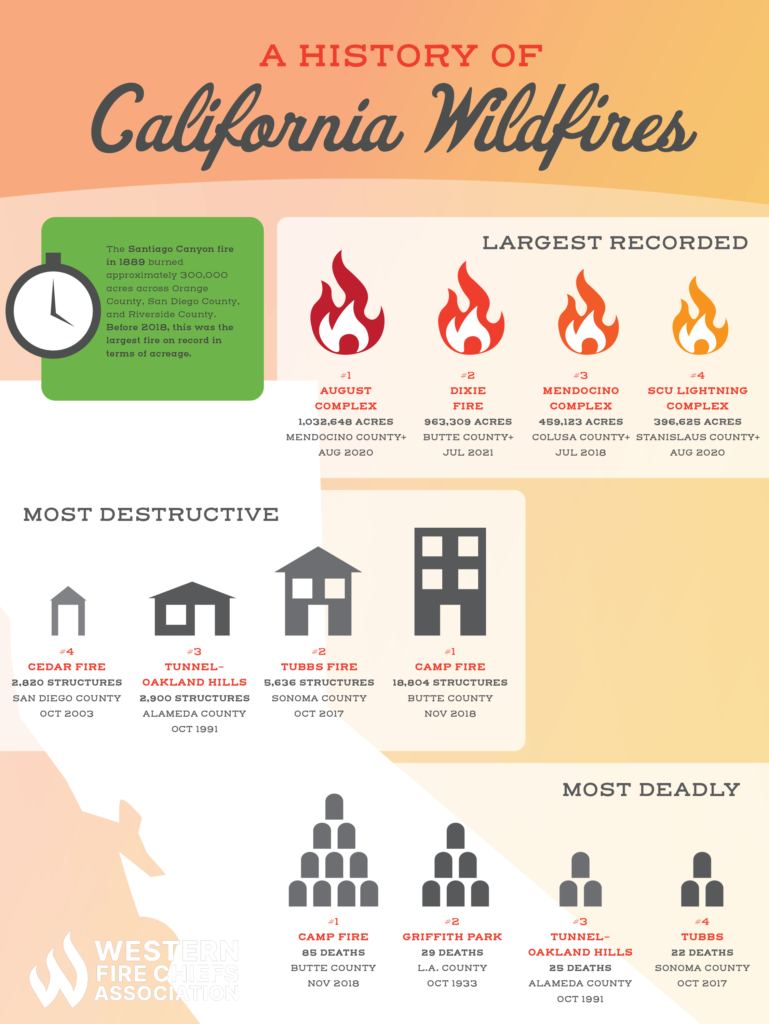
The vast majority of California wildfires are caused by human activity, whether accidental or intentional. A significant culprit has been aging electrical infrastructure, with downed power lines or equipment malfunctions igniting dry vegetation, particularly during windy conditions. Utilities like Pacific Gas and Electric (PG&E) and Southern California Edison have faced immense scrutiny and legal battles for their role in starting some of the most destructive fires, including the devastating Camp Fire that virtually wiped out the town of Paradise in 2018.
Beyond utility infrastructure, other common human-caused ignitions include:
- Arson: Deliberate acts of setting fires.
- Campfires: Left unattended or improperly extinguished, especially in popular travel destinations like national parks and National Forests.
- Equipment Use: Sparks from lawnmowers, chainsaws, welding equipment, or even vehicle exhaust pipes during dry conditions.
- Discarded Cigarettes: A careless act with dire consequences.
- Fireworks: Illegal or improperly used fireworks remain a significant ignition source, especially around holiday periods.
These human-caused ignitions underscore the critical need for public awareness and strict adherence to fire safety regulations, which can change based on current fire danger levels, impacting planned activities and recreational experiences for tourists.
Urban-Wildland Interface (WUI) Expansion
One of the most complex challenges in California’s fire crisis is the rapid expansion of the Wildland-Urban Interface (WUI). This is the zone where developed areas, with homes and businesses, meet or intermingle with undeveloped wildland vegetation. Driven by population growth and the desire for rural or scenic living, more and more communities are expanding into historically fire-prone areas, from the hillsides of Malibu to the forests surrounding Lake Tahoe and the Sierra Nevada foothills.
This expansion places more lives and property at risk when fires inevitably occur. It also complicates firefighting efforts, as resources must be diverted to structure protection, potentially at the expense of containing the fire itself. The proximity of homes to wildlands necessitates robust building codes, defensible space regulations, and community-level mitigation efforts to reduce vulnerability. For those considering long-term stays or real estate investments in California, understanding the WUI is a crucial aspect of responsible accommodation planning.
Historical Fire Suppression Policies
Decades of aggressive fire suppression policies, aimed at immediately extinguishing nearly every wildfire, paradoxically contributed to the current crisis. Historically, indigenous peoples practiced controlled burns to manage the landscape. However, modern fire management largely adopted a “put it out at all costs” approach. While effective in the short term for protecting communities, this policy led to an unnatural accumulation of dense undergrowth, dead trees, and other “fuel loads” in forests and wildlands.
When fires do eventually break out in these overgrown areas, they burn with unprecedented intensity and size, making them much harder to control and far more destructive than fires that would have occurred naturally or through traditional land management. There is now a growing understanding and implementation of prescribed burns and forest thinning programs, aimed at safely reintroducing fire as a management tool to restore forest health and reduce fuel loads. These controlled burns, while sometimes leading to temporary closures of recreational areas, are vital for the long-term health of California’s forests and for reducing the severity of future wildfires.
Climate Change: The Overarching Catalyst
While natural factors and human actions set the stage, global climate change is increasingly recognized as the overarching force that amplifies and exacerbates all other causes, making California’s wildfires more frequent, larger, and more intense.
A Vicious Cycle of Warming and Burning
The scientific consensus is clear: a warming planet directly contributes to more extreme fire weather. Rising global temperatures lead to longer and more intense heatwaves, further drying out vegetation. They also contribute to more severe and prolonged droughts, depleting water resources and intensifying the dryness of the landscape. The combination creates a vicious cycle: warmer temperatures mean drier fuels, which lead to larger, hotter fires. These fires, in turn, release massive amounts of carbon dioxide into the atmosphere, further contributing to global warming.
Climate change also influences atmospheric patterns, potentially leading to more frequent or intense wind events, like the Santa Ana Winds, or creating other atmospheric conditions conducive to extreme fire behavior. The fire season in California has demonstrably lengthened over the past few decades, extending from what was once a seasonal threat to a year-round concern, impacting travel planning for a broader portion of the year.
Impact on Ecosystems and Biodiversity
The increased frequency and intensity of these megafires are having profound impacts on California’s diverse ecosystems and biodiversity. Some plant species, like the iconic Giant Sequoias in Sequoia National Park, rely on fire for reproduction, but the intensity of recent blazes is killing even these fire-adapted giants. Habitats for countless animal species are destroyed, leading to displacement and potential endangerment. The repeated burning of the same areas can also lead to ecosystem conversion, where native forests are replaced by less diverse, more fire-prone vegetation types, further disrupting ecological balance and impacting natural attractions. The long-term implications for the state’s natural heritage and its appeal as a nature destination are significant.
Navigating California’s Landscape: A Traveler’s Perspective
For those captivated by the allure of California, understanding the wildfire situation doesn’t mean canceling your trip. Instead, it means being informed, prepared, and mindful. The state remains an incredible destination, offering everything from luxurious resorts in Beverly Hills to rugged camping experiences in Yosemite National Park.
Planning Your California Adventure Safely
Safety is paramount when planning any travel. For a trip to California, especially during the late summer and autumn months when fire risk is highest, informed planning is key:
- Stay Informed: Regularly check official sources like CAL FIRE (California Department of Forestry and Fire Protection) and the National Weather Service for fire advisories, air quality alerts, and park closures. Websites like InciWeb also provide real-time incident information for wildfires across the United States.
- Check Park and Forest Status: Before visiting California State Parks, National Forests, or other wilderness areas like Joshua Tree National Park or Redwood National Park, verify their operating status. Fire-related closures are common and are put in place for public safety.
- Have a Flexible Itinerary: Consider booking accommodation with flexible cancellation policies. While a major fire might affect one region, vast areas of California often remain unaffected and open for visitors.
- Practice Fire Safety: If camping or hiking, be extremely cautious with any heat source. Follow all local regulations regarding campfires and dispose of cigarettes properly. Never discard anything flammable from a vehicle.
- Understand Evacuation Procedures: Familiarize yourself with local emergency alerts and evacuation routes if visiting areas near wildlands, especially during high fire danger periods.
By taking these precautions, travelers can enjoy California’s wonders responsibly and safely.
Supporting Recovery Through Responsible Tourism
While wildfires can cause immense destruction, they don’t erase California’s appeal or its capacity for recovery. Tourism plays a vital role in the healing process of affected communities. When planning your trip:
- Visit Unaffected Areas: Many popular destinations like San Francisco, San Diego, Monterey, Carmel-by-the-Sea, and Death Valley National Park are rarely directly impacted by large wildfires, or they recover quickly. Spending your money on local hotels, restaurants, and shops in these areas contributes to the state’s overall economic health, indirectly supporting recovery efforts.
- Support Local Businesses: Choose locally owned businesses when possible. Your spending helps communities rebuild and thrive.
- Consider Voluntourism or Donations: If you’re passionate about contributing directly, research reputable local organizations involved in reforestation, wildlife rehabilitation, or community rebuilding efforts.
- Respect the Environment: Adhere to “Leave No Trace” principles, especially when visiting natural areas, to minimize further environmental strain.

Experience California’s Enduring Beauty
Despite the challenges posed by wildfires, California’s spirit and beauty remain unbroken. Its iconic landmarks like the Golden Gate Bridge, the magic of Disneyland Resort, the majestic redwoods of Big Sur, and the cultural richness of its cities continue to draw millions of visitors. The state’s resilience is evident in its ability to bounce back, with communities coming together and natural landscapes slowly regenerating.
For the intrepid traveler, California still offers unparalleled experiences – from exploring the Channel Islands National Park off the coast to skiing in the Sierra Nevada, or discovering the burgeoning wine regions of Paso Robles. With careful planning and an awareness of the ongoing challenges, a journey through California can be as rewarding and awe-inspiring as ever, celebrating its enduring allure while acknowledging the complex factors that shape its magnificent yet vulnerable landscape.
In conclusion, the question “What caused California Fire?” demands a multifaceted answer. It’s a combination of a fire-prone climate, exacerbated by prolonged droughts and extreme heat fueled by climate change, coupled with human-caused ignitions and the expansion of communities into wildland areas. Addressing this crisis requires a comprehensive approach: enhancing forest management, upgrading infrastructure, building fire-resilient communities, and aggressively tackling climate change. For travelers, it means practicing vigilance, supporting responsible tourism, and recognizing that even in the face of adversity, California’s natural splendor and vibrant culture continue to beckon.
LifeOutOfTheBox is a participant in the Amazon Services LLC Associates Program, an affiliate advertising program designed to provide a means for sites to earn advertising fees by advertising and linking to Amazon.com. Amazon, the Amazon logo, AmazonSupply, and the AmazonSupply logo are trademarks of Amazon.com, Inc. or its affiliates. As an Amazon Associate we earn affiliate commissions from qualifying purchases.