
When planning a journey to the vast and diverse landscape of Texas, one of the first questions that often crosses a traveler’s mind, perhaps subconsciously, is “What time is it in Texas, United States?” While seemingly a simple query, understanding the nuances of time zones in the second-largest state in the United States is crucial for seamless travel, effective itinerary planning, and immersing oneself fully in the local lifestyle. Far from being a mere logistical detail, time dictates everything from flight schedules and hotel check-ins to dining reservations, attraction opening hours, and even the rhythm of daily life across its sprawling cities and serene natural parks.
Texas is a state of immense geographic and cultural variety, stretching from the piney woods of the east to the deserts of the west, and from the Panhandle plains in the north to the subtropical shores of the Gulf Coast. This sheer expanse means that while the majority of the state adheres to one primary time zone, there’s a notable exception that every astute traveler should be aware of. This comprehensive guide will not only answer the fundamental question of time in Texas but will also delve into how time impacts your travel experiences, from luxurious getaways and budget-friendly adventures to family trips and vital business stays, ensuring your visit to the Lone Star State is as timely and enjoyable as possible.
Navigating the Time Zones of Texas
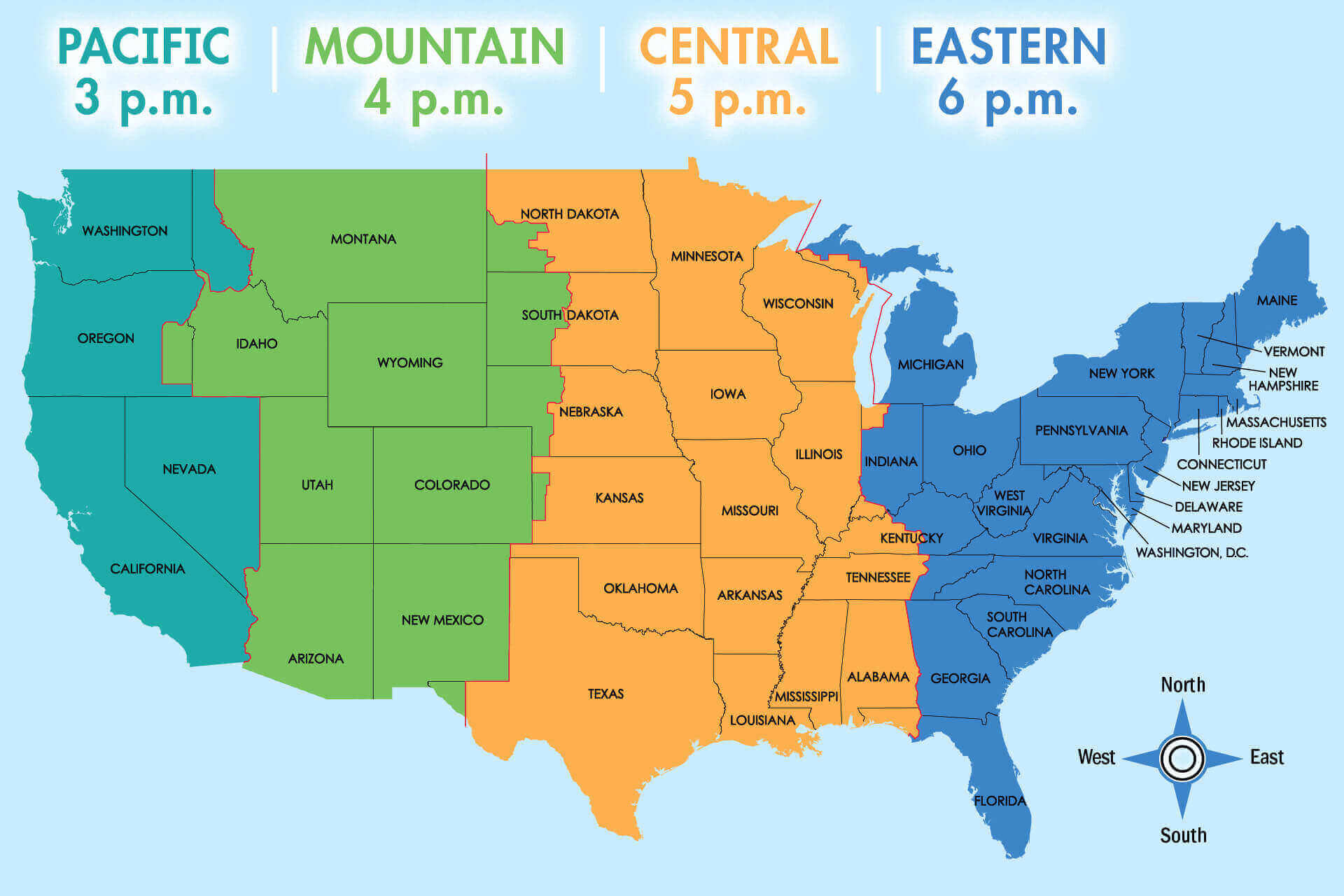
At first glance, understanding the time in Texas might seem straightforward, but its sheer size introduces a subtle complexity. The vast majority of the state, encompassing its major metropolitan areas and most popular tourist destinations, operates on Central Time.
Central Standard Time (CST) and Central Daylight Time (CDT)
Most of Texas observes Central Standard Time (CST) during the fall and winter months. CST is six hours behind Coordinated Universal Time (UTC-6). This means that if it’s 12:00 PM UTC, it’s 6:00 AM CST in places like Austin, Dallas, Houston, and San Antonio.
However, like most of the United States, Texas observes Daylight Saving Time. From early March to early November, the clock springs forward by one hour, shifting to Central Daylight Time (CDT). CDT is five hours behind Coordinated Universal Time (UTC-5). During this period, if it’s 12:00 PM UTC, it’s 7:00 AM CDT. This annual shift is vital to remember, as it affects everything from flight departure times to the opening hours of landmarks and the scheduling of local events. Travelers arriving from outside the Central Time Zone, particularly international visitors or those from states like Arizona that do not observe Daylight Saving Time, must adjust their internal clocks and schedules accordingly. For instance, a flight from New York (Eastern Time) to Houston (Central Time) will gain an hour on the way, but a return flight will lose an hour. Keeping this in mind can prevent missed connections or late arrivals to pre-booked accommodations.

The El Paso Exception: A Glimpse into Mountain Time
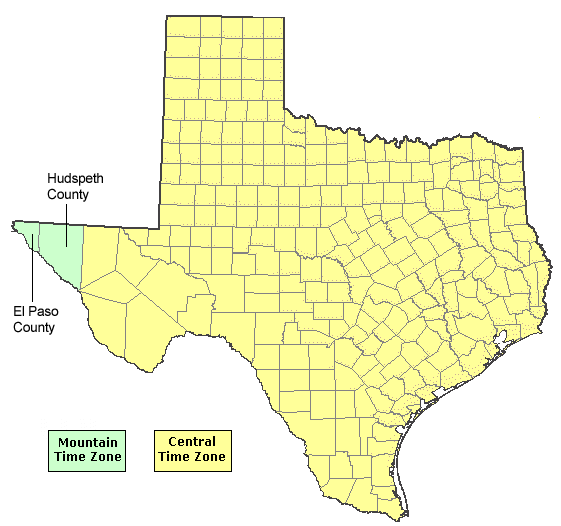
While the vast majority of Texas is firmly rooted in Central Time, there is a significant exception that travelers exploring the western reaches of the state must acknowledge: the far western corner, including the vibrant city of El Paso and portions of Hudspeth County, operates on Mountain Time. This means El Paso is consistently one hour behind the rest of Texas.
During Standard Time, El Paso observes Mountain Standard Time (MST), which is seven hours behind Coordinated Universal Time (UTC-7). When Daylight Saving Time is in effect, it switches to Mountain Daylight Time (MDT), which is UTC-6. For example, if it’s 3:00 PM in Dallas (CDT), it will be 2:00 PM in El Paso (MDT). This time zone boundary is particularly relevant for those planning cross-state road trips, especially to destinations like Big Bend National Park or Guadalupe Mountains National Park, which are geographically closer to El Paso’s time zone. Incorrectly calculating the time difference could lead to missed excursions, late arrivals for hotel check-ins, or confusion with local schedules. Always double-check the specific time zone when venturing into this unique part of the Lone Star State.
Why Time Matters: Planning Your Texas Adventure
Understanding the local time goes far beyond simply knowing what to set your watch to. For travelers, it’s the bedrock upon which a successful and enjoyable trip to Texas is built. From orchestrating complex travel logistics to maximizing every moment of exploration and relaxation, time is an invisible but ever-present guide.
Travel Logistics and Itinerary Planning
The sheer size of Texas means that travel between its major cities can take several hours by car or require internal flights. Being aware of the time zones and Daylight Saving shifts is paramount for efficient itinerary planning. For instance, flying from Houston to El Paso might take a few hours, but you’ll gain an hour upon arrival. Conversely, the return journey will effectively “lose” an hour. When booking hotels or other accommodations, confirm check-in and check-out times in the local time zone. Many popular resorts, like the JW Marriott San Antonio Hill Country Resort & Spa, have strict policies, and a miscalculation could result in extra charges or missed opportunities. Planning car rentals, airport transfers, or train schedules requires precise time management to avoid delays or unforeseen complications. Furthermore, international travelers should account for potential jet lag and factor in recovery time, especially when arriving from vastly different time zones.
Making the Most of Daylight: Attractions and Activities
Texas offers an incredible array of attractions, from historical landmarks to sprawling natural parks and vibrant entertainment districts. The time of day significantly influences the experience at these locations. Early mornings are ideal for exploring popular sites like The Alamo in San Antonio or the River Walk before the crowds gather and the midday heat sets in. Nature enthusiasts planning a hike in Big Bend National Park or Palo Duro Canyon State Park will want to start early to enjoy cooler temperatures and longer daylight hours. Theme parks such as Six Flags Over Texas or waterparks like Schlitterbahn Waterpark Galveston operate on specific schedules, and knowing the local time ensures you arrive promptly to maximize your fun. Museums like the Sixth Floor Museum at Dealey Plaza in Dallas or Space Center Houston often have last admission times, making accurate time awareness essential for cultural immersion and educational visits.
Culinary Experiences and Nightlife
The culinary scene in Texas is legendary, from authentic barbecue joints and Tex-Mex eateries to upscale dining establishments. Dinner reservations are a common practice, especially in bustling cities like Austin, known for its vibrant tourism and food scene. Arriving late due to a time zone miscalculation could mean losing your table or missing out on a coveted culinary experience. Similarly, Texas’ nightlife thrives in its major cities, with live music venues in Austin, rooftop bars in Dallas, and diverse entertainment options in Houston. Event start times, happy hour specials, and venue closing times are all strictly governed by the local clock. Whether you’re planning a quiet dinner, a lively night out, or catching a show, synchronizing with the local time is key to enjoying Texas’ diverse evening offerings.
Lifestyle and Leisure Across the Lone Star State
Beyond the immediate practicalities of travel, time deeply influences the general lifestyle and leisure pursuits in Texas. Understanding this rhythm helps travelers blend in, whether on a business trip or a family vacation, and truly appreciate the pace of life.
Business Travel and Meeting Schedules
For business travelers, time management is paramount. Texas’ major economic hubs like Dallas, Houston, and Austin host numerous conferences, conventions, and corporate meetings year-round. Scheduling calls, appointments, and presentations requires precise awareness of local time, especially when coordinating with colleagues or clients in different time zones within the United States or internationally. A meeting scheduled for 9:00 AM Central Time is a very different proposition than 9:00 AM Eastern Time. Many hotels cater specifically to business travelers, offering amenities like 24-hour business centers and early breakfast options, but even these services operate within the framework of local time. Successful business trips hinge on punctuality and efficient scheduling, making time zone awareness a critical skill.
Family Fun and Seasonal Events
Family trips to Texas are often packed with activities, from visiting educational attractions to enjoying outdoor adventures. The timing of these activities is essential for keeping children engaged and making the most of the day. Zoos, aquariums, and children’s museums typically have specific opening and closing hours. Seasonal events, such as rodeos, festivals like SXSW in Austin, or holiday light shows, all adhere to strict schedules. Planning ahead with the correct time zone in mind ensures families don’t miss out on these memorable experiences. Even simpler activities like beach days in Galveston or Corpus Christi are best enjoyed during certain times of the day to avoid peak sun or to catch a beautiful sunset. Managing children’s sleep schedules, especially after crossing time zones, also becomes a factor in enjoying a stress-free family vacation.
The Rhythm of Relaxation: Resorts and Retreats
For those seeking relaxation and rejuvenation, Texas boasts an impressive selection of luxury resorts and tranquil retreats. From the opulent Four Seasons Hotel Austin overlooking Lady Bird Lake to the historic charm of The Driskill Hotel, or the unique experience of Hotel Emma in San Antonio, these establishments offer a pace designed for unwinding. Spa treatments, golf tee times, fitness classes, and fine dining experiences within these hotels and resorts are all scheduled according to the local clock. The serene ambiance of a resort is best enjoyed when you’re not constantly worried about missing an appointment because of a time zone mix-up. For instance, a sunset cruise on the Houston Ship Channel near The Post Oak Hotel at Uptown Houston requires knowing the exact time of sunset. Embracing the local time allows travelers to fully embrace the leisurely rhythm these destinations offer, ensuring a truly relaxing escape.
Practical Tips for a Timely Texas Trip
Ensuring your clock is always aligned with local Texas time is crucial for a smooth and enjoyable journey. A few simple strategies can save you from unnecessary stress and ensure you make the most of your travel investment.
Before You Go: Time Zone Checks and Preparation
- Consult Reliable Sources: Before embarking on your trip, always check the current time and upcoming Daylight Saving Time changes using reputable online sources or a world clock app. This is especially important if your travel dates fall around the “spring forward” or “fall back” dates.
- Detailed Itinerary Review: Scrutinize your flight details, hotel bookings, tour reservations, and any pre-booked activity tickets. Confirm that all times listed correspond to the local time zone of each specific destination within Texas you plan to visit, particularly if your trip includes El Paso.
- Inform Your Contacts: If you need to communicate with people outside of Texas during your trip, inform them of the time difference to avoid scheduling conflicts for calls or virtual meetings.
- Pack an Alarm Clock: While smartphones are ubiquitous, a dedicated travel alarm clock can be a reliable backup, especially if you prefer to turn off your phone at night.
During Your Stay: Synchronizing with Local Life
- Automatic Time Updates: Most modern smartphones and smartwatches automatically adjust to the local time zone when they detect a change in location. Ensure this feature is enabled on your device. However, it’s always a good idea to cross-reference with a local clock (like a hotel lobby clock or a public display) upon arrival.
- Ask Locals: Don’t hesitate to ask hotel staff, tour guides, or even friendly locals about the current time and any upcoming shifts, especially if you’re venturing into areas near the Mountain Time Zone boundary.
- Be Mindful of Transitions: If you’re driving from Central Texas to El Paso, or vice-versa, be aware of when you cross the time zone line. Road signs might indicate the change, but it’s not always prominent. Adjust your watch and mental clock immediately to avoid confusion.
- Buffer Time: When planning activities or travel between locations, always build in a buffer for unexpected delays, traffic, or simple time zone adjustments. This alleviates stress and provides flexibility.
- Embrace the Pace: While being timely is important, also allow yourself to relax and embrace the unique pace of life that Texas offers. Sometimes, the best experiences are found when you’re not rushing against the clock.
The Timeless Appeal of Texas
Ultimately, “What time is it in Texas, United States?” is more than a geographical question; it’s a gateway to understanding how to best experience a state that is rich in history, culture, and natural beauty. From the vibrant energy of Austin’s live music scene to the historical echoes of The Alamo, the bustling business centers of Dallas and Houston, and the rugged serenity of Big Bend National Park, every corner of Texas operates on its own unique rhythm.
By taking the time to understand its time zones and planning your schedule accordingly, you ensure that every moment of your Texas adventure is maximized. Whether you’re indulging in luxury accommodation at a five-star resort, exploring iconic landmarks, or simply soaking in the local tourism and lifestyle, being in sync with the local time allows for a deeper and more enjoyable immersion. So, set your watch, embrace the vastness, and prepare for an unforgettable journey through the heart of the Lone Star State, where every moment is an opportunity for discovery.
LifeOutOfTheBox is a participant in the Amazon Services LLC Associates Program, an affiliate advertising program designed to provide a means for sites to earn advertising fees by advertising and linking to Amazon.com. Amazon, the Amazon logo, AmazonSupply, and the AmazonSupply logo are trademarks of Amazon.com, Inc. or its affiliates. As an Amazon Associate we earn affiliate commissions from qualifying purchases.